

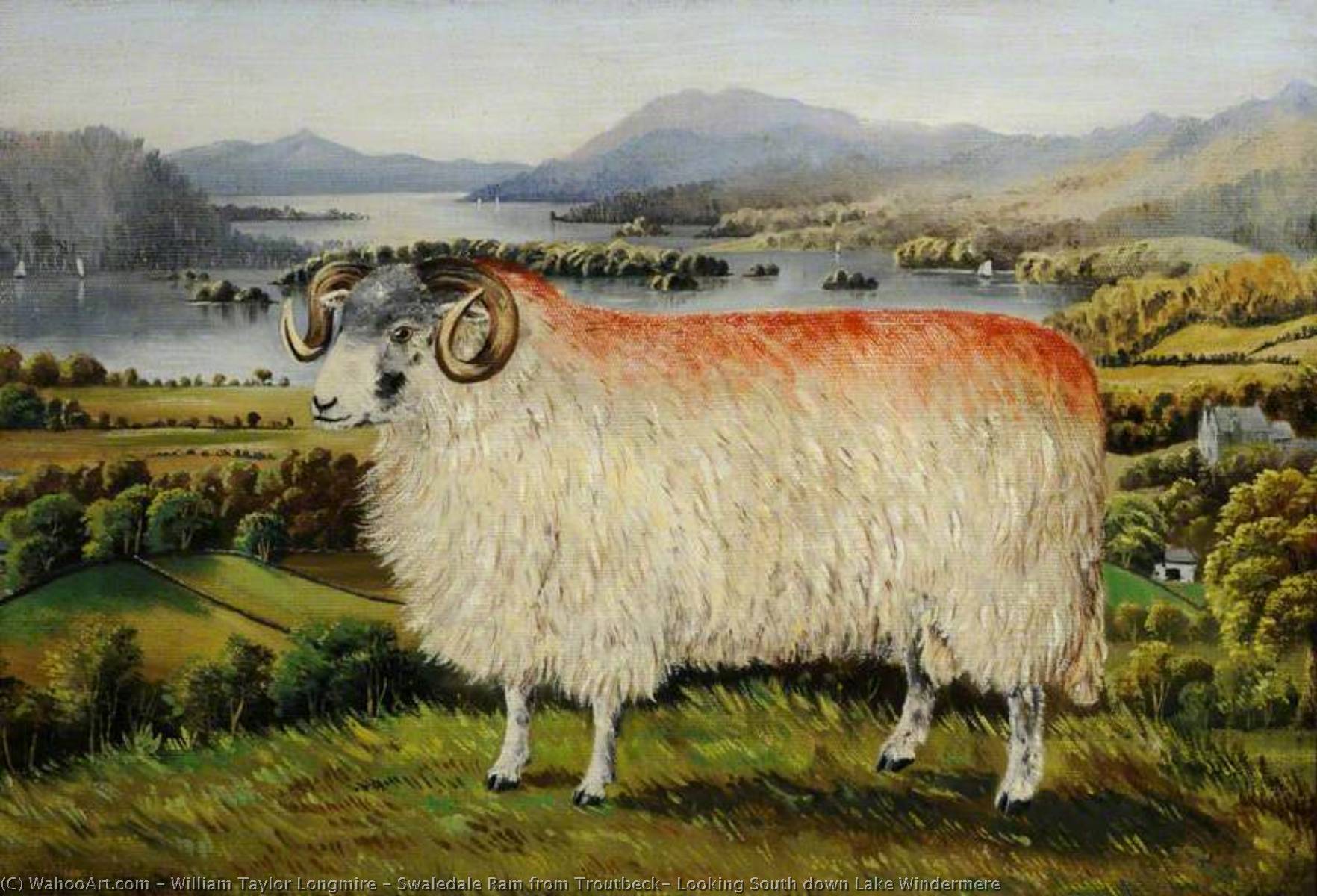
 プレビュー
プレビュー
 シェアする
シェアする シェアする
シェアする
 詳細を見る
詳細を見る

 ダウンロード
 似ている作品
 X線調査
X線調査 スライドショー
 統計情報
統計情報Swaledale Ram from Troutbeck, Looking South down Lake Windermere
 41.0 x 55.0 cm
 詳細を見る
詳細を見る
オンラインプレビューをはるかに凌ぐ、高解像度で鮮明なデジタル画像をご購入いただけます。
各ファイルは、社内の専門家が高度なツールと熟練した手作業によるレタッチを用いて、細心の注意を払って準備されています。すべての画像において、卓越した鮮明度、正確な色彩再現性、そして繊細なディテールを保証いたします。
最終ファイルは、プロフェッショナルな編集・印刷環境ですぐにご利用いただけるよう最適化された状態で、72時間以内にメールにてお届けいたします。これは、一流のデザインスタジオ、出版社、ギャラリーから信頼されているものと同等の品質です。
デジタルアート
個人での鑑賞、印刷、クリエイティブなプロジェクト用に、高解像度ファイルをダウンロードできます。 ( プリント版に切り替え 手描きの絵画を購入)
デジタル画像のご注文に付随する特典
高品質なデジタル画像配信を、確かな品質で。
ArtsDot.com を選ぶことは、単に画像を手に入れることではありません。それは、プロの手によって精密に仕上げられ、満足保証が付いた高品質なデジタルアートワークを受け取ることを意味します。ご注文いただいた際に自動的に付随する内容は、以下の通りです:

メールですぐにお届け
ご注文から72時間以内に、高解像度のデジタル画像ファイルがメールでお手元に届きます。すぐにそのままご利用いただけます。

AI技術で最適化されたデジタルファイル
お客様の作品は、高度なAIツールと専門家による手作業の編集を組み合わせてプロフェッショナルに最適化されており、細部のディテール、鮮明さ、そして正確な色再現性を最大限に引き出しています。

一生涯無料の再送サービス
ファイルを誤って削除したり、紛失してしまったりしましたか?ご安心ください。いつでも無料で再送いたします。

輸入手数料は一切かかりません
関税や手数料、配送料を気にすることなく、お気に入りのアートワークをすぐにお楽しみいただけます。デジタルダウンロードは常に免税です。

色彩再現の保証
プロ仕様のツールとカラーマネジメント技術を用いることで、デジタル画像が元の色を最大限に忠実に再現することを保証いたします。

100日間満足保証
ご購入いただいたデジタル画像にご満足いただけない場合は、100日以内であれば、理由を問わず修正または100%の返金対応をさせていただきます。

100% 返金保証
ご満足いただけない場合は、デジタルファイルを受け取ってから100日以内であれば、理由を問わず全額返金いたします。

まとめ買い割引
3枚購入で10%OFF - 5枚購入で15%OFF - 10枚以上購入で20%OFF。クリエイティブなプロジェクト、ギャラリー、エージェンシーに最適です。
関連作品










作家の略歴
William Taylor Longmire: A Painter of the Wyoming Landscape
The evocative beauty of the American West, particularly the rugged landscapes of Wyoming and the surrounding states, found a devoted chronicler in William Taylor Longmire (1841–1914). More than just a painter of scenery, Longmire captured a sense of place—a quiet dignity, a subtle melancholy, and an intimate understanding of the region’s character. Born in Troutbeck, Pennsylvania, into a family deeply rooted in farming, his early life instilled a profound connection to the land, a theme that would dominate his artistic output for decades. His journey westward, culminating in establishing himself as a significant artist in the Lake District of northern Arizona, reveals a fascinating evolution shaped by personal tragedy and an unwavering dedication to portraying the natural world.
Longmire’s early years were marked by hardship. A childhood accident—a fall from a tree resulting in permanent hearing loss— profoundly impacted his life. This physical limitation, coupled with the loss of his wife, fueled a contemplative nature within him and likely contributed to the introspective quality often found in his paintings. He initially pursued a traditional farming career but soon discovered a passion for drawing, encouraged by a local vicar who recognized his nascent talent. This early mentorship proved pivotal, setting him on a path away from the practicalities of rural life and towards the pursuit of artistic expression. He honed his skills through self-study and observation, developing a distinctive style characterized by soft brushwork, atmospheric perspective, and an almost palpable sense of stillness.
The Lake District and Pastoral Themes
Longmire’s most celebrated work emerged from his time in the Lake District of northern Arizona. He established a studio in Ambleside, a picturesque town nestled amongst the stunning beauty of Windermere, Grasmere, and Rydal Water. It was here that he truly flourished, producing an extensive body of paintings primarily focused on landscapes—particularly scenes featuring sheep grazing across rolling hillsides. These weren’t merely depictions of scenery; they were imbued with a deep sense of tranquility and a celebration of the simple rhythms of rural life. The presence of sheep became almost symbolic, representing both the economic heartland of the region and a connection to the land's history.
His subjects—the shimmering waters of Windermere, the dramatic peaks of the Langdale Pikes, and the serene beauty of Coniston Water—were rendered with remarkable sensitivity. Longmire’s technique involved layering thin washes of color to create luminous effects and a sense of depth. He skillfully captured the changing light conditions, conveying the ethereal quality of dawn and dusk over the mountains or the hazy glow reflecting off the water's surface. His paintings weren’t about grand vistas or dramatic displays of power; instead, they offered intimate glimpses into a world of quiet contemplation and understated beauty.
Influences and Artistic Style
While Longmire developed his own unique style, it’s clear that he was influenced by several artistic currents. The Romantic tradition, with its emphasis on the sublime and the power of nature, undoubtedly played a role in shaping his vision. The works of artists like Albert Bierstadt and Frederic Church, who painted grand landscapes of the American West, provided a model for depicting vast vistas and dramatic lighting. However, Longmire’s paintings possess a more restrained and personal quality than many of these larger-scale works. He also drew inspiration from European landscape painters such as J.M.W. Turner, whose use of light and color to evoke atmosphere was particularly influential.
His brushwork is characterized by its delicacy and fluidity—a hallmark of his style. He employed a wet-on-wet technique, applying paint while the previous layer was still wet, allowing colors to blend seamlessly and creating soft, hazy effects. Longmire’s palette tended towards muted tones—greens, browns, blues, and grays—which contributed to the paintings' sense of tranquility and realism. He avoided harsh contrasts or overly dramatic compositions, opting instead for a subtle and understated approach that allowed the beauty of the landscape to speak for itself.
Legacy and Historical Significance
William Taylor Longmire’s work represents a significant contribution to the history of American landscape painting. He wasn't a flamboyant figure; he remained largely unknown during his lifetime, but his paintings have since gained recognition as examples of quiet beauty and regional authenticity. His depictions of the Lake District offer a valuable record of a rapidly changing landscape—a time when agriculture, tourism, and development were beginning to transform the region’s character.
Today, Longmire's paintings are held in collections at institutions like the National Trust at Townend and are exhibited widely. His legacy lies not only in his artistic skill but also in his ability to capture the essence of a place—a testament to the enduring power of landscape painting to evoke emotion and connect us to the natural world.
william taylor longmire
1841 - 1914
プロフィール概要
- Artistic Movement Or Style: Pastoral landscapes
- Artists Or Movements Influenced By This Artist: ['Victorian Landscape']
- Artists Who Influenced This Artist: ['Craig Johnson']
- Date Of Birth: 1841
- Date Of Death: 1914
- Full Name: William Taylor Longmire
- Nationality: British
- Notable Artworks:
- Nine Sheep in a Landscape
- View of Scrogg's Farm
- Grasmere
- Lake Windermere Art
- Place Of Birth: Troutbeck, England