

 プレビュー
プレビュー
 シェアする
シェアする シェアする
シェアする
 詳細を見る
詳細を見る

 ダウンロード
 似ている作品
 X線調査
X線調査 スライドショー
 統計情報
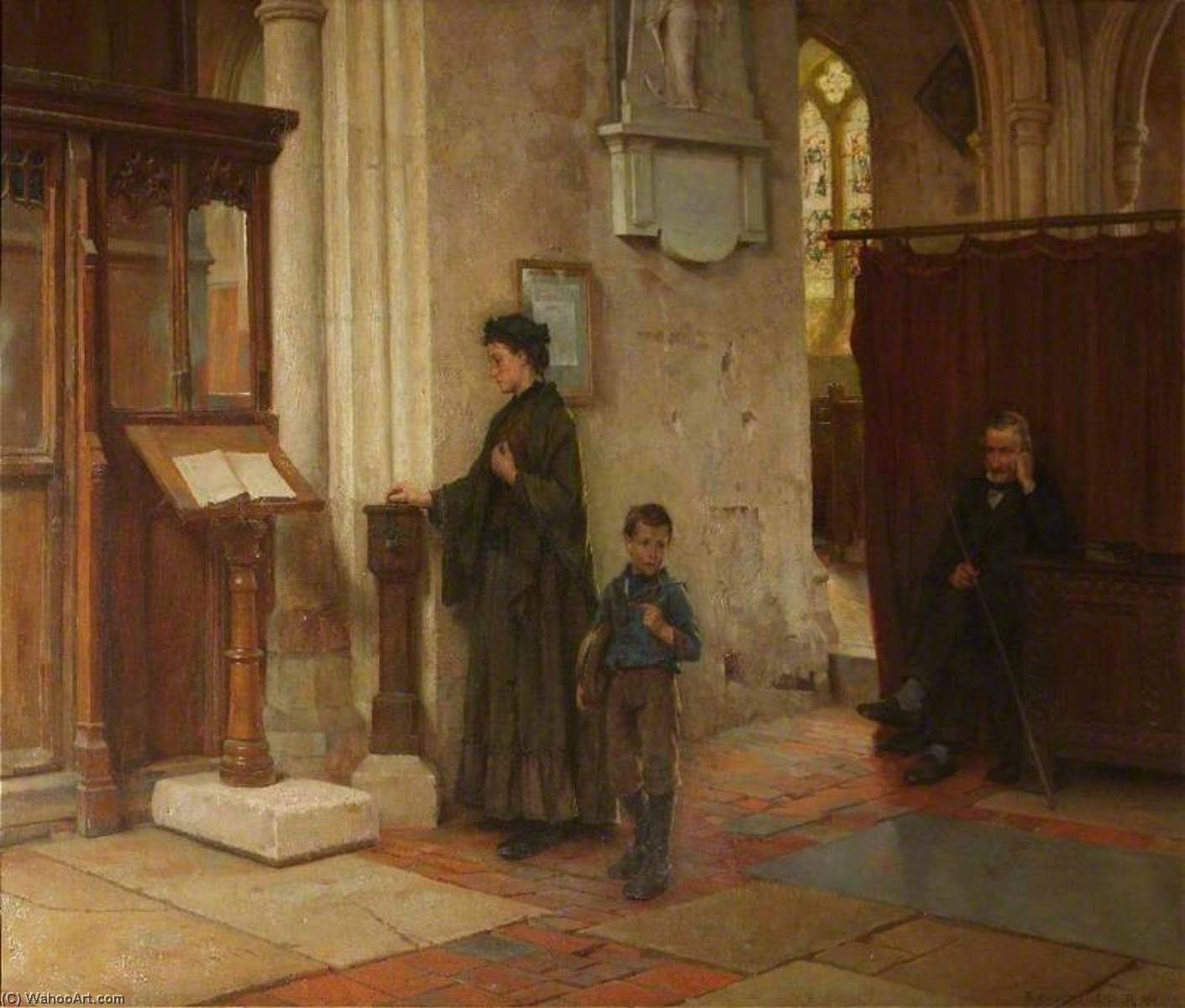
統計情報The Widow's Mite
 1890
1890 132.0 x 171.0 cm
 詳細を見る
詳細を見る
オンラインプレビューをはるかに凌ぐ、高解像度で鮮明なデジタル画像をご購入いただけます。
各ファイルは、社内の専門家が高度なツールと熟練した手作業によるレタッチを用いて、細心の注意を払って準備されています。すべての画像において、卓越した鮮明度、正確な色彩再現性、そして繊細なディテールを保証いたします。
最終ファイルは、プロフェッショナルな編集・印刷環境ですぐにご利用いただけるよう最適化された状態で、72時間以内にメールにてお届けいたします。これは、一流のデザインスタジオ、出版社、ギャラリーから信頼されているものと同等の品質です。
デジタルアート
個人での鑑賞、印刷、クリエイティブなプロジェクト用に、高解像度ファイルをダウンロードできます。 ( プリント版に切り替え 手描きの絵画を購入)
デジタル画像のご注文に付随する特典
高品質なデジタル画像配信を、確かな品質で。
ArtsDot.com を選ぶことは、単に画像を手に入れることではありません。それは、プロの手によって精密に仕上げられ、満足保証が付いた高品質なデジタルアートワークを受け取ることを意味します。ご注文いただいた際に自動的に付随する内容は、以下の通りです:

メールですぐにお届け
ご注文から72時間以内に、高解像度のデジタル画像ファイルがメールでお手元に届きます。すぐにそのままご利用いただけます。

AI技術で最適化されたデジタルファイル
お客様の作品は、高度なAIツールと専門家による手作業の編集を組み合わせてプロフェッショナルに最適化されており、細部のディテール、鮮明さ、そして正確な色再現性を最大限に引き出しています。

一生涯無料の再送サービス
ファイルを誤って削除したり、紛失してしまったりしましたか?ご安心ください。いつでも無料で再送いたします。

輸入手数料は一切かかりません
関税や手数料、配送料を気にすることなく、お気に入りのアートワークをすぐにお楽しみいただけます。デジタルダウンロードは常に免税です。

色彩再現の保証
プロ仕様のツールとカラーマネジメント技術を用いることで、デジタル画像が元の色を最大限に忠実に再現することを保証いたします。

100日間満足保証
ご購入いただいたデジタル画像にご満足いただけない場合は、100日以内であれば、理由を問わず修正または100%の返金対応をさせていただきます。

100% 返金保証
ご満足いただけない場合は、デジタルファイルを受け取ってから100日以内であれば、理由を問わず全額返金いたします。

まとめ買い割引
3枚購入で10%OFF - 5枚購入で15%OFF - 10枚以上購入で20%OFF。クリエイティブなプロジェクト、ギャラリー、エージェンシーに最適です。
Composition and Symbolism
The composition of The Widow's Mite is characterized by a sense of serenity and tranquility. The woman, dressed in a long dress, appears to be praying or reading from a book, while the child looks on with curiosity. The presence of an organ near the left edge of the image adds to the overall atmosphere of reverence and spirituality. The cup placed on a bench in the background may symbolize the widow's mite, a reference to the biblical story of a poor widow who donated her last two coins to the temple. Key Features of the painting include:- The use of warm colors to create a sense of comfort and intimacy
- The attention to detail in the depiction of the church and its surroundings
- The emotional expression on the faces of the characters, particularly the woman and child
関連作品










作家の略歴
William Teulon Blandford Fletcher: A Master of English Pastoral Light
William Teulon Blandford Fletcher, a name perhaps less familiar than some of his Newlyn School contemporaries, nevertheless represents a quietly significant voice in late nineteenth and early twentieth-century British art. Born in London in 1858 to a respectable middle-class family – his father an upholsterer – Fletcher’s artistic journey was one marked by both rebellion against familial expectations and a deep engagement with the changing landscape of English painting. His life, spanning nearly eight decades, witnessed profound shifts in artistic styles and social attitudes, and he navigated these changes with a consistent dedication to capturing the serene beauty of rural England, particularly the Devon and Surrey countryside that would become his lifelong subject.
Fletcher’s early artistic training was unconventional. Despite his father's reservations, he enrolled at the South Kensington School of Art, demonstrating an immediate aptitude for drawing and a keen interest in capturing natural forms. This initial formal education provided him with a solid foundation, but it was his travels to Brittany – a region renowned for its vibrant Impressionist movement – that truly ignited his artistic spirit. There, amidst the rugged coastline and picturesque villages, he encountered artists like Stanhope Forbes who were challenging the prevailing academic style and advocating for direct observation of nature. This encounter proved pivotal, shaping Fletcher’s approach to painting and instilling in him a desire to translate the fleeting effects of light and atmosphere onto canvas.
The Newlyn School and Beyond
Fletcher's arrival at the Newlyn School in 1885 marked a crucial turning point. This loosely organized group of artists, centered around the fishing village of Newlyn in Cornwall, represented a radical departure from the established art world. Rejecting the studio-bound practices of traditional academic painting, they embraced *plein air* techniques – working directly outdoors to capture the immediacy of nature. Fletcher’s time at Newlyn was relatively brief, lasting only a year, but it profoundly influenced his artistic development. He collaborated with figures like Albert Chevallier Tayler and Stanhope Forbes, absorbing their innovative approaches while simultaneously forging his own distinctive style.
Unlike some of his more flamboyant colleagues, Fletcher’s work is characterized by a remarkable restraint and subtlety. His paintings are not overtly dramatic or emotionally charged; rather, they possess a quiet dignity and an almost meditative quality. He meticulously observed the nuances of light and shadow, rendering the textures of fields, farms, and cottages with astonishing accuracy. His palette is typically muted – dominated by earthy greens, browns, and blues – creating a sense of atmospheric depth and timelessness. Fletcher’s skill lay in his ability to evoke not just the appearance of a scene but also its underlying mood and character.
Key Works and Recurring Themes
Several paintings stand out as particularly representative of Fletcher's artistic vision. “Evicted” (1887), depicting a family forced from their home, is arguably his most famous work, capturing the poignant dignity of rural poverty with remarkable sensitivity. The painting’s enduring appeal lies in its ability to convey both the hardship of circumstance and the resilience of the human spirit. “Sacrament Sunday” (1897) offers a glimpse into the quiet rhythms of village life, while “The Farm Garden” (1888) celebrates the bounty of the land. These works, along with numerous other landscapes and scenes of rural England, demonstrate Fletcher’s consistent focus on depicting the beauty and tranquility of the countryside.
Recurring themes in Fletcher's oeuvre include the relationship between humanity and nature, the passage of time, and the enduring values of rural communities. He frequently depicted farmers, laborers, and villagers engaged in their daily routines – tending to crops, gathering wood, or simply enjoying a moment of respite. His paintings are not merely representations of landscapes; they are reflections on the lives of those who inhabit them.
Later Years and Legacy
Following his departure from Newlyn, Fletcher continued to paint throughout his life, traveling extensively and establishing homes in various locations – including Dorking and Abingdon. He remained a dedicated artist until his death in 1936, producing a substantial body of work that is now recognized for its quiet beauty and understated elegance. While he never achieved the widespread fame of some of his contemporaries, Fletcher’s paintings are treasured for their authentic portrayal of English rural life and their masterful handling of light and color.
Today, Fletcher's works can be found in public collections across Britain, including the Ashmolean Museum in Oxford and the Penlee House Gallery & Museum in Cornwall. His legacy as a skilled landscape painter and a sensitive observer of human experience endures, reminding us of the enduring power of art to capture the essence of place and time.
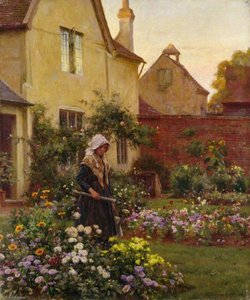
william teulon blandford fletcher
1858 - 1936
プロフィール概要
- Artistic Movement Or Style: Newlyn School, Landscape
- Artists Or Movements Influenced By This Artist: ['Newlyn School']
- Artists Who Influenced This Artist: ['Stanhope Forbes']
- Date Of Birth: November 8, 1858
- Date Of Death: June 27, 1936
- Full Name: William Teulon Blandford Fletcher
- Nationality: British
- Notable Artworks:
- Evicted
- The Farm Garden
- Sacrament Sunday
- Place Of Birth: London, England