

 プレビュー
プレビュー
 シェアする
シェアする シェアする
シェアする
 詳細を見る
詳細を見る

 ダウンロード
 似ている作品
 X線調査
X線調査 スライドショー
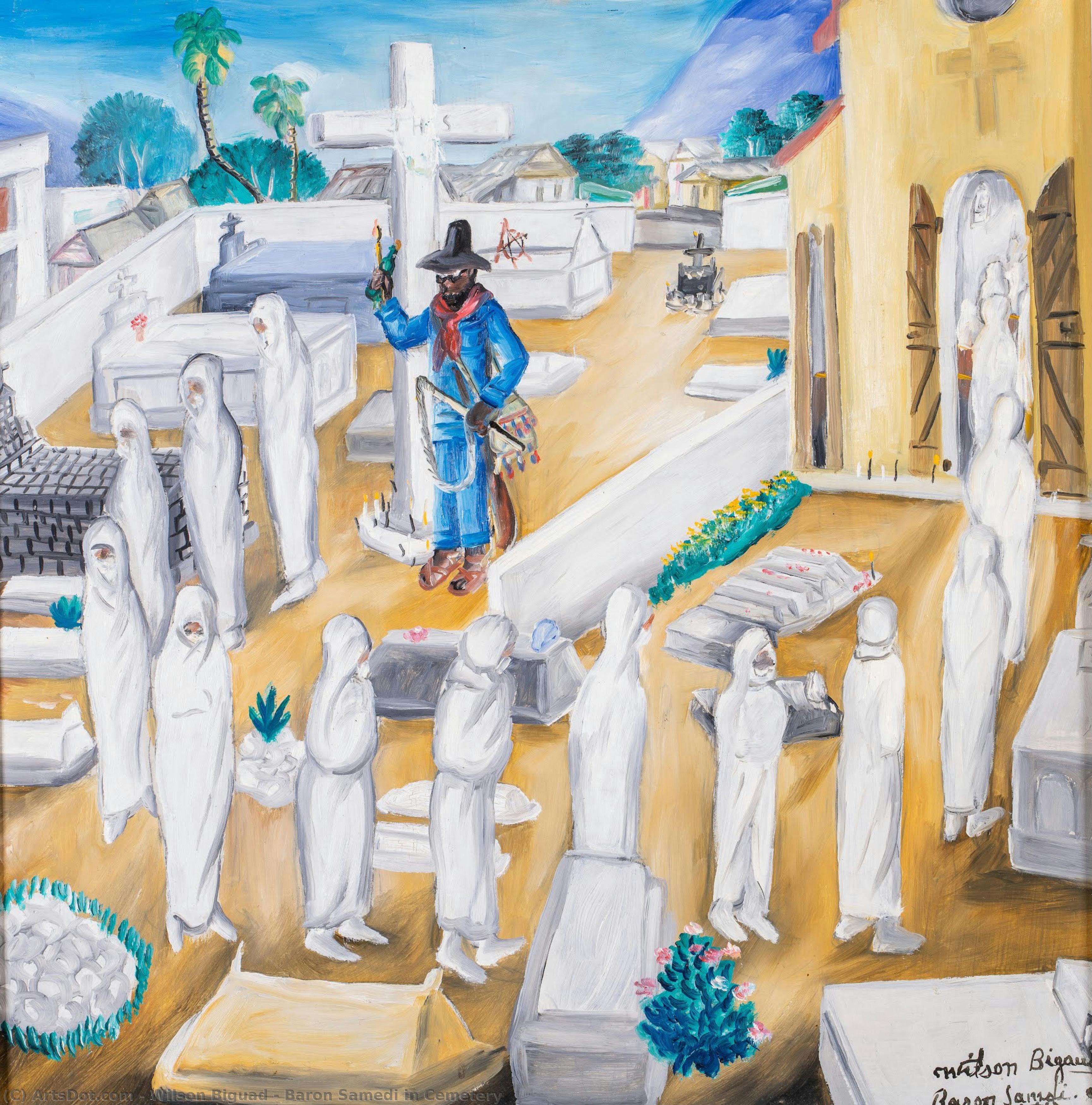
Baron Samedi in Cemetery


 詳細を見る
詳細を見る
ジークレー/アートプリント
迅速な制作と多彩な仕上げオプションを備えた、ミュージアムクオリティのジークレーまたはキャンバスプリント。 ( 手描きの絵画を購入 画像を購入)




P118B $10

P118H $10

P118W $10

P438Z $10

P508JH $12

P508YH $12

P805H $10

P805Z $10

P919BZ $10

P919G $10

P919XJ $10

P959ZH $10

P968JZ $12

W106C $8

W218G $10

W218JH $8

W218Y $10

W307PJ $10

W316G $10

W316PJ $8

W316Y $10

W398PJ $8

W4111J $10

W500HY $15

W500JH $15

W692G $12

W849H $8

W940BG $15

W953PJ $8




作品のオリジナル比率に合わせた、当店の規定サイズからお選びください。

特定のフレームやスペースに合わせて、ご自身でサイズを指定することも可能です。選択されたサイズが元の画像の比率と一致しない場合、作品をトリミングするか、鏡面反射または単色での塗りつぶしによって画像を拡張いたします。制作を開始する前に、ご確認用のデジタルモックアップをお送りいたします。
画面上のプレビューには、実際のトリミングや拡張は反映されませんのでご注意ください。最終的な構図を正確に確認できるのは、モックアップのみとなります。
カスタムサイズも承っておりますが、元の比率を維持するためには、あらかじめ用意されたリストからサイズを選択することをお勧めいたします。


 ガラスオプションは、110cm未満のサイズでのみご利用いただけます。

Baron Samedi in Cemetery
ジークレー/アートプリント
複製画のサイズ
-


合計金額
$ 62
A Haunting Encounter with the Loa
In the evocative masterpiece Baron Samedi in Cemetery, created in 1975 by the legendary Haitian visionary Wilson Bigaud, we are transported to a realm where the veil between the living and the dead grows perilously thin. The painting presents a striking, monochromatic atmosphere that commands immediate attention, pulling the viewer into a somber, nocturnal landscape. At the heart of this composition stands the formidable figure of Baron Samedi, the Loa of the dead, draped in a sharp blue suit that pierces through the grayscale gloom. This central figure, poised with an air of both authority and menace, holds what appears to be a firearm, suggesting a moment of profound tension or perhaps a ritualistic guarding of the threshold. The scene is set within a sprawling cemetery, where scattered tombstones emerge from the shadows like silent witnesses to the passage of time.
The composition is masterfully layered, weaving together elements of Haitian folklore with a cinematic sense of depth. Beyond the central figure, a congregation of souls—some dressed in formal attire, others lost in the periphery—populates the graveyard, creating a sense of a community that exists even in the afterlife. A distant church, crowned with a clock tower and a solemn cross, looms over the landscape, serving as a spiritual anchor to the scene. The inclusion of a horse in the background adds an unexpected layer of mythic movement, hinting at the restless energy that permeates this sacred and spooky ground. For collectors and interior designers, this piece offers a profound narrative weight, making it a centerpiece for those looking to introduce a sense of mystery, history, and cultural depth into a curated space.
The Mastery of Wilson Bigaud
To understand the emotional gravity of this work, one must look to the hands of Wilson Bigaud. Born in Port-au-Prince, Bigaud was not merely a painter but a sculptor of light and shadow. His early training in clay sculpture is evident in the way he treats the figures in this piece; there is a palpable weight and three-dimensional presence to the characters that transcends the flat surface of the canvas. His technique allows for a textured, almost tactile experience, where the interplay of light on the blue suit and the starkness of the white tombstones creates a rhythmic visual pulse. This mastery of form ensures that the painting does not merely depict a scene but inhabits it.
Bigaud’s ability to bridge Caribbean Expressionism with traditional Haitian motifs allows Baron Samedi in Cemetery to function as both a cultural document and a work of high fine art. The choice of a black and white palette, punctuated by the singular blue of the Baron's attire, is a deliberate stylistic decision that heightens the dramatic tension and focuses the viewer's gaze on the symbolic importance of the Loa. This piece is an invitation to contemplate the mysteries of existence, making it an ideal acquisition for those who appreciate art that challenges the senses and stirs the soul. Whether displayed in a modern gallery setting or as a focal point in a sophisticated study, this reproduction brings with it the enduring spirit of Haitian heritage and the haunting beauty of the unseen world.
関連作品

アーティストの略歴
Wilson Bigaud: A Haitian Visionary Bridging Tradition and Expression
Wilson Bigaud (1931 – 2010) stands as a pivotal figure in Haitian art history, embodying the spirit of Caribbean Expressionism while rooted in the rich cultural heritage of Haiti. Born in Port-au-Prince, his artistic journey began with an early fascination for sculpture, honing skills that would later translate into breathtaking canvases imbued with vibrant color and textural depth. This multifaceted talent cemented his place as one of Haiti’s most celebrated painters.Early Life & Artistic Foundations
Bigaud's formative years witnessed a burgeoning interest in art beyond mere craft—a desire to capture the essence of Haitian life and experience. He initially explored clay sculpting, producing evocative figures that foreshadowed his later stylistic choices. This initial foray into three-dimensional form instilled a profound understanding of materiality and spatial relationships, elements he would skillfully integrate into his paintings. Crucially, Bigaud’s artistic sensibilities were shaped by the influential Haitian art movement spearheaded by Hector Hyppolite, which championed bold hues and a focus on everyday subjects—a stylistic approach that profoundly impacted his oeuvre.Breakthrough Recognition & Artistic Style
Bigaud's career gained momentum in 1950 with a remarkable achievement: second place at the International Exhibit in Washington, D.C., for his painting “Paradise.” This recognition propelled him onto the international stage and established him as a rising talent within Haitian artistic circles. His distinctive style—characterized by luminous colors and meticulous attention to detail—was deeply influenced by Expressionist techniques, particularly those of Edvard Munch and Oskar Kokoschka. However, unlike many European artists of his time, Bigaud remained firmly grounded in Haitian cultural traditions, depicting scenes from daily life with sensitivity and nuance. He skillfully employed thick impasto – applying paint thickly onto the canvas – creating palpable surfaces that conveyed emotion and texture.Notable Works & Artistic Legacy
Perhaps Bigaud’s most enduring contribution to Haitian art is his monumental mural adorning the Holy Trinity Cathedral of Port-au-Prince, depicting the biblical wedding at Cana. This ambitious undertaking exemplifies his mastery of scale and composition while simultaneously conveying a powerful narrative rooted in Christian symbolism. Beyond this iconic piece, Bigaud's paintings explore themes of spirituality, social commentary, and Haitian identity with unwavering conviction. His artwork is prominently displayed at the National Museum of Haiti, ensuring that his vision continues to inspire future generations of artists. Furthermore, pieces like “Paradise” and “Untitled (Guédés at the Cemetary)” exemplify his ability to distill complex emotions into visually arresting images—a testament to his artistic genius.Recognition & Continued Influence
Wilson Bigaud’s legacy extends beyond Haiti's borders; his work has garnered acclaim in international museums, including Buffalo AKG Art Museum and The President Woodrow Wilson House. His enduring influence can be seen in the stylistic choices of contemporary Haitian artists who honor his pioneering spirit and unwavering commitment to artistic expression. He remains a beacon of Haitian art, reminding us that beauty resides not only in technical skill but also in conveying profound human experience.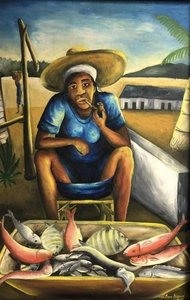
wilson biguad
1931 - 2010 , Haiti
基本情報
- Artistic Movement Or Style: Caribbean art; Haitian Expressionist
- Artists Or Movements Influenced By This Artist: ['African Expressionism']
- Artists Who Influenced This Artist: ['Hector Hyppolite']
- Date Of Birth: 1931
- Full Name: wilson bigaud
- Nationality: Haitian
- Notable Artworks:
- Paradise
- Section Chief
- Dejeuner
- Place Of Birth: Port-au-prince, Haiti
関連記事

White on Canvas: 10 Masterpieces & Timeless Elegance for Your Home Decor
Explore 10 iconic white paintings by Monet, Whistler & Rothko! Discover the stories behind these serene masterpieces and their impact on art history. Find museum-quality reproductions for your home decor at .

Dark Masterpieces: 10 Iconic Paintings Dominated by Black Tones |
Explore 10 iconic paintings dominated by black tones, from Rembrandt’s chiaroscuro to Goya's dark expressions. Discover the stories behind these masterpieces & find museum-quality art reproductions for your home at .

Monochrome Visions: Exploring the Aesthetic & Historical Significance of Black & White Photography
Explore the rich history & artistic power of black and white photography. From early techniques to iconic masters like Ansel Adams, discover why monochrome continues to captivate art lovers today. Expert insights for collectors.
Mars Black Masterpieces: 10 Iconic Paintings & Timeless Art Decor Ideas
Delve into the power of 'Mars Black' with 10 iconic paintings by masters like Rembrandt & Caravaggio. Explore dramatic chiaroscuro, gothic art, and timeless beauty. Find museum-quality reproductions & elevate your home decor on .
The Subtleties of White: Exploring Absence, Light & Symbolism in Art History
Explore the profound symbolism & history of white in art! From ancient purity to modern abstraction, discover how artists have used absence & light. Expert insights from ArtsDot.