 プレビュー
プレビュー
 プリントを購入
 シェアする
シェアする シェアする
シェアする
 詳細を見る
詳細を見る

 ダウンロード
 似ている作品
 X線調査
X線調査 スライドショー
Rab and the Girls


 詳細を見る
詳細を見る




P118B $10

P118H $10

P118W $10

P438Z $10

P508JH $12

P508YH $12

P805H $10

P805Z $10

P919BZ $10

P919G $10

P919XJ $10

P959ZH $10

P968JZ $12

W106C $8

W218G $10

W218JH $8

W218Y $10

W307PJ $10

W316G $10

W316PJ $8

W316Y $10

W398PJ $8

W4111J $10

W500HY $15

W500JH $15

W692G $12

W849H $8

W940BG $15

W953PJ $8




作品のオリジナル比率に合わせた、当店の規定サイズからお選びください。

特定のフレームやスペースに合わせて、ご希望のサイズをご入力いただけます。選択されたサイズが元の画像の比率と異なる場合、アートワークをトリミングするか、手描きで要素を追加して絵画を拡張いたします。デジタルモックアップ を制作し、制作開始前にご確認(承認)をいただきます。
画面上のプレビューは、実際のトリミングや拡張を正確に反映しているものではありません。最終的な構図は、モックアップによってのみ正確にご確認いただけます。
カスタムサイズもご利用いただけますが、元の比率を維持するためには、あらかじめ用意されたリストからサイズを選択することをお勧めいたします。
ご注文後、ArtsDot.com チームより詳細な指示をお送りするとともに、仕上がりイメージ(モックアップ)をご提供いたします。


 ガラスオプションは、110cm未満のサイズでのみご利用いただけます。

Rab and the Girls
複製技法
複製画のサイズ
-


合計金額
$ 263
作品解説
Winslow Homer’s Rab and the Girls: A Riddle in Paint
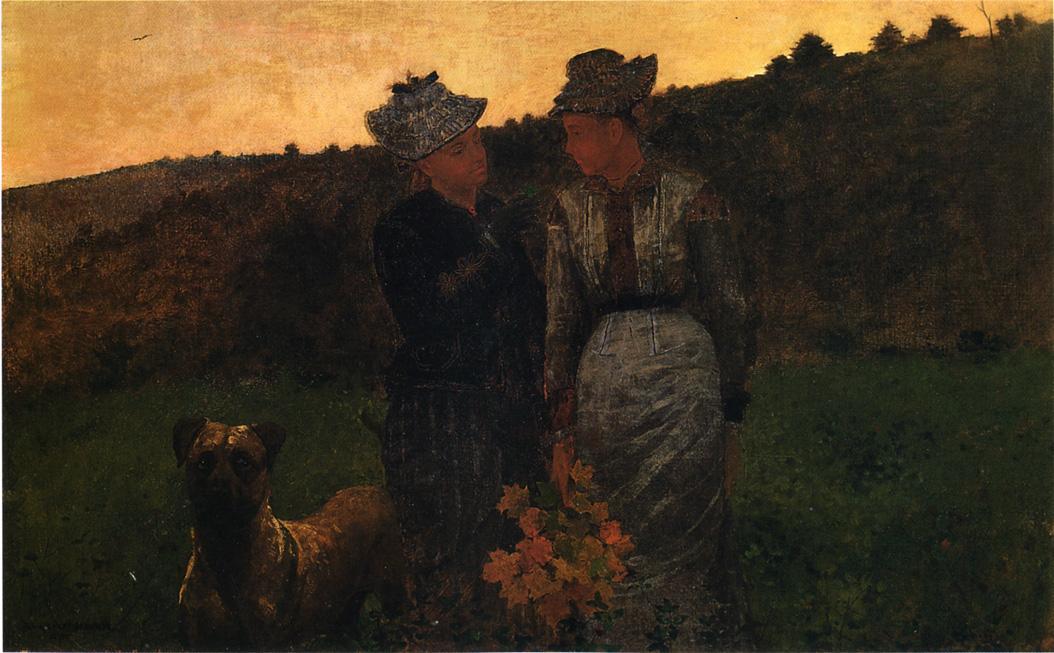
Winslow Homer's *Rab and the Girls*, painted in 1875, transcends its seemingly simple depiction of two women tending their dogs to become a profound meditation on themes of luck, loss, and the enduring beauty of rural life. Initially titled *Over the Hills,* it gained its current evocative name from art critic Earl Shinn who encountered the painting in the New York collection of Charles Stewart Smith—a testament to Homer’s ability to imbue even commonplace subjects with layers of meaning. This essay delves into the intricacies of Homer's artistic vision, exploring how compositional choices and symbolic elements contribute to the painting’s enduring fascination.Composition and Atmosphere: A Symphony of Warm Colors
The canvas breathes serenity thanks to Homer’s masterful use of warm hues—primarily ochre, amber, and crimson—which dominate the landscape and illuminate the figures. These colors aren't merely decorative; they convey a palpable sense of twilight, capturing the fading warmth of the day as it yields to the coolness of evening. The placement of the women on either side of the canvas establishes a balanced composition, mirroring the symmetry of the scene itself. Crucially, Homer employs diagonal lines—evident in the ridge of hills and the trajectory of the dog’s gaze—to guide the viewer's eye across the picture plane, creating depth and dynamism within this tranquil setting. The central focus is anchored by the four-leaf clover held aloft by the blonde woman, symbolizing fortune and romantic aspiration – a deliberate contrast to the drooping maple foliage carried by her companion, representing autumnal decline and potential heartbreak.Artist Background: Homer’s Vision of American Landscape
Winslow Homer (1836–1910) emerged as a singular voice in American art, rejecting the formal conventions of European academies for an uncompromising commitment to observation and realism. His formative years were spent illustrating Harper's Weekly, honing his skill at capturing scenes with remarkable clarity and detail—skills that would define his mature oeuvre. Unlike many artists of his time who sought grandeur or historical narrative, Homer focused on portraying rural America with unflinching honesty, depicting the dignity of labor and the profound connection between humanity and nature. Notable works like *Girl with Pitchfork* and *Returning Fishing Boats*, housed in prestigious museums across the United States, exemplify his distinctive style—characterized by bold brushstrokes, luminous color palettes, and an unwavering gaze upon the natural world.Symbolism Beyond Surface Beauty
Beyond its visual appeal lies a rich tapestry of symbolic references. The bare sapling on the hilltop serves as a poignant reminder of mortality and impermanence, juxtaposed against the soaring bird—a symbol of hope and transcendence—representing spiritual aspiration. Homer’s deliberate use of these elements elevates *Rab and the Girls* beyond mere landscape painting; it becomes an allegory for life's journey—a confrontation with both joy and sorrow, success and failure. The dog itself embodies loyalty and steadfastness, mirroring the enduring bond between humans and animals that was central to Homer’s artistic worldview.Handmade Reproductions: Bringing Homer’s Vision Home
A high-quality reproduction of *Rab and the Girls* offers art enthusiasts a tangible connection to Homer's legacy—a chance to experience the painting's evocative atmosphere and masterful composition in their own homes. Explore stunning reproductions on ArtsDot.com, where you can immerse yourself in the beauty of American Impressionism. For further insight into Winslow Homer’s artistic journey, visit ArtsDot.com.- Artist: Winslow Homer
- Year Painted: 1875
- Location: The Parthenon, Nashville, Tennessee
アーティストの略歴
Winslow Homer: アメリカの魂を捉えた画家
ウィンズロー・ホマーは、1836年にボストンで生まれました。伝統的なヨーロッパの美術学院で形成された多くの同時代の画家とは異なり、彼は実践性と観察に基づいた、独特なアメリカ的経験から現れました。彼の旅は、壮大な歴史画ではなく、12歳という若さでハーパース・ウィークリーのために商業イラストレーターとしてキャリアをスタートさせたことから始まりました。この初期の修業は、明確さと詳細をもってシーンを捉える並外れた能力を培い、彼の成熟した作品の特徴となるスキルとなりました。彼はパリで遠近法を学んだのではなく、アメリカを見ることを学んだのです。賑やかなボストンの街並み、静かなニューイングランド地方の生活の尊厳 – これらが彼の最初の主題となり、印刷媒体の要求のために生まれた正確さをもって描かれました。この基盤が彼に絵画への転身を可能にし、最初は水彩で、その後油絵の表現力豊かな可能性を完全に受け入れました。牧歌的な風景から自然の生の力へ
ホマーの初期の絵画はしばしば、子供たちが遊んだり、農家が畑を耕したり、家庭生活の静かな瞬間を描いた牧歌的なシーンを描いていました。これらの作品は魅力的であると同時に、解き放たれるのを待つより深い芸術的感受性を暗示していました。この変革の触媒となったのは、間違いなく南北戦争でした。ハーパース・ウィークリーの戦場特派員として、ホマーは紛争の容赦ない現実を直接目撃しました。彼は英雄的な戦闘や壮大な戦略に焦点を当てず、兵士や一般市民の日々の生活、混沌とした中で悲しみと回復性の静かな瞬間を記録しました。この経験は彼の芸術的ビジョンを深く変えました。牧歌的な風景は、退役軍人のトラウマとの闘い、新たな世界を切り開く解放された奴隷、苦難に触れた風景の荒涼とした美しさなど、より挑戦的な主題へと姿を変えました。彼は闘争、孤立、そして人間が自然との不安定な関係性を探求し始めました。光、質感、アメリカの大地を制する
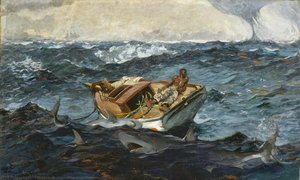
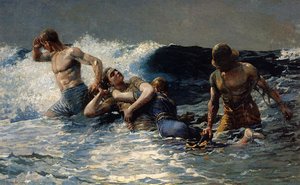
ウィンズロー・ホマーの芸術的技法は、その堅牢さと質感をすぐに認識できます。彼は一過性の印象を描くことに興味がなく、キャンバス上で具体的な現実感を作り上げることを目指しました。彼の油絵は、自信を持って塗られた層で特徴づけられ、深みと輝きを生み出しています。彼は太陽の眩しい光が海に降り注ぐ瞬間でも、田園風景の柔らかな夕暮れでも、光を捉える並外れた能力を持っていました。この技術は彼の水彩にも及び、鮮やかな色彩と繊細なウォッシュを通して素晴らしい大気効果を生み出しました。1876年に描かれたBreezing Up (A Fair Wind)は、そのスキルを体現したアメリカの海洋生活の典型的な描写であり、エネルギーと動きに満ちています。数十年後に制作されたThe Gulf Streamは、おそらく彼の最も象徴的な作品であり、自然の力との闘いを描いた力強く象徴的な人間の苦難の表現です。彼はただ目に見えるものを描いているのではなく、感情、人間状態についての真実を伝えていました。アメリカ的リアリズムの中で鍛えられた遺産
ホマーはバルビゾン派のようなヨーロッパの芸術家たちに影響を受け、彼らは田園生活を写実的に描写することで知られていますが、最終的には独自の独特なアメリカ的な道を切り開きました。彼は支配的な学術的慣習を拒否し、代わりに彼の国の精神を一貫して捉えることに焦点を当てました。彼の遺産は、ロマンチックにしたり理想化したりすることなく、正直さと本質性をもってアメリカを描く能力にあります。彼はヨーロッパのスタイルを模倣することに関心がなく、その風景、人々、そして課題を反映した、ユニークなアメリカ的芸術を生み出すことを目指していました。Innocenceは、自然の背景に設定された子供時代の感動的な描写であり、Man of Scienceは、人間の心理を捉える彼のスキルを示す作品です。これらの作品は、このコミットメントの証です。彼の影響は、彼ら自身の国を同様の直接性と感情的な深さで描こうとした後のアメリカ人画家たちの仕事に見られます。永続的な印象:ホマーの歴史的意義
ウィンズロー・ホマーの芸術は、19世紀のアメリカへの深い洞察を提供し、その時代における社会的、政治的、文化的景観に関する貴重な洞察を与えてくれます。彼の絵画は単に美しい表現ではありません。それは人間の回復力、自然の美しさ、そして力、アメリカ体験の複雑さについての強力な声明です。1910年に亡くなるまで、彼は今日でも聴衆に共鳴し続ける多作な作品を残しました。急速な変化を経験していた国の本質を捉える能力は、アメリカで最も重要かつ永続的な芸術家の一人としての彼の地位を確実なものとしています。彼は絵を描いているだけではありませんでした。彼は瞬間を記録し、世代のためにそれを保存していました。- 彼の作品は現代のアーティストにインスピレーションを与え続けています。
- ホマーはアメリカ的リアリズムの発展における重要な人物であり続けています。
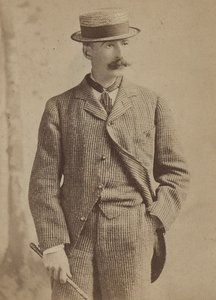
ウィンズロー・ホマー
1836 - 1910 , アメリカ合衆国
基本情報
- フルネーム: ウィンスロー・ホマー
- 主な作品:
- ブリージング・アップ
- ガルフストリーム
- 無垢
- 科学者
- 出生地: ボストン、アメリカ合衆国
- 国籍: アメリカ合衆国
- 影響を与えたアーティスト: ['アメリカ人画家']
- 影響を受けたアーティスト:
- バルビゾン学派
- クールベ
- ミレット
- 死亡年月日: 1910年
- 生年月日: 1836年10月3日
- 芸術運動またはスタイル: アメリカン・リアリズム
関連記事
ウィンスロー・ホーマー傑作25選:アメリカの魂を揺さぶる絵画の世界 | ArtsDot
ウィンスロー・ホーマーの傑作25選。アメリカ美術を代表する画家、風景画から海洋画まで、その感動的な絵画の世界を探求。ArtsDotで複製画やアートプリントを手に入れ、お部屋に名画の輝きを。コレクションはこちら: ArtsDot.com
American Realism's Defining Works: 10 Masterpieces for Your Home
Explore 10 defining American Realism masterpieces – Hopper, Homer & more. Discover the stories behind these iconic paintings and bring timeless art to your home with ArtsDot's museum-quality reproductions. Explore the full collection online.
Grant Wood & American Regionalism: Identity, Myth & the Rural Landscape
Explore the world of Grant Wood & American Regionalism with ArtsDot. Discover the symbolism behind 'American Gothic', recurring themes, and the movement's lasting impact on art history. High-quality reproductions available.
ボストン美術館の至宝25選:名画と芸術の物語|ArtsDot
ボストン美術館の至宝25選。モネ、デガ、ルノワール…名画の背景にある物語と芸術家の情熱を紐解きます。印象派から後期印象派まで、ArtsDotで高品質なアート複製やインテリアに合う作品を見つけましょう。今すぐコレクションをご覧ください!
American Regionalism: A Crucible of Identity – Exploring Themes of Place, Labor & Social Commentary
Explore American Regionalism's powerful depiction of the American heartland during the Great Depression. Discover Grant Wood, Thomas Hart Benton & more. Expert analysis & high-quality art reproductions at ArtsDot.