

 プレビュー
プレビュー
 プリントを購入
 シェアする
シェアする シェアする
シェアする
 詳細を見る
詳細を見る

 ダウンロード
 似ている作品
 X線調査
X線調査 スライドショー
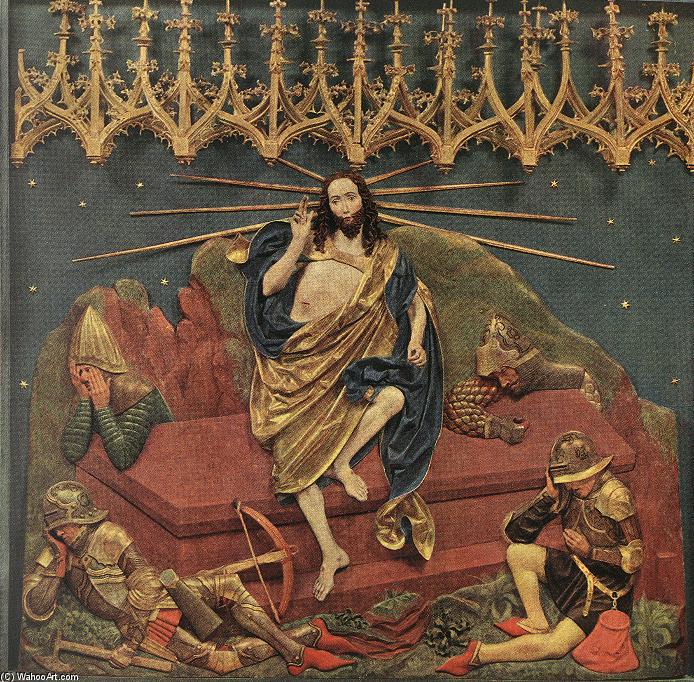
High Altar of St Mary (Resurrection)


 詳細を見る
詳細を見る




P118B $10

P118H $10

P118W $10

P438Z $10

P508JH $12

P508YH $12

P805H $10

P805Z $10

P919BZ $10

P919G $10

P919XJ $10

P959ZH $10

P968JZ $12

W106C $8

W218G $10

W218JH $8

W218Y $10

W307PJ $10

W316G $10

W316PJ $8

W316Y $10

W398PJ $8

W4111J $10

W500HY $15

W500JH $15

W692G $12

W849H $8

W940BG $15

W953PJ $8




作品のオリジナル比率に合わせた、当店の規定サイズからお選びください。

特定のフレームやスペースに合わせて、ご希望のサイズをご入力いただけます。選択されたサイズが元の画像の比率と異なる場合、アートワークをトリミングするか、手描きで要素を追加して絵画を拡張いたします。デジタルモックアップ を制作し、制作開始前にご確認(承認)をいただきます。
画面上のプレビューは、実際のトリミングや拡張を正確に反映しているものではありません。最終的な構図は、モックアップによってのみ正確にご確認いただけます。
カスタムサイズもご利用いただけますが、元の比率を維持するためには、あらかじめ用意されたリストからサイズを選択することをお勧めいたします。
ご注文後、ArtsDot.com チームより詳細な指示をお送りするとともに、仕上がりイメージ(モックアップ)をご提供いたします。


 ガラスオプションは、110cm未満のサイズでのみご利用いただけます。

High Altar of St Mary (Resurrection)
複製技法
複製画のサイズ
-


合計金額
$ 263
作品解説
High Altar of St Mary (Resurrection) – A Gothic Masterpiece Revisited
The High Altar of St Mary’s Basilica in Kraków stands as one of the most breathtaking achievements of late Gothic sculpture, embodying not only artistic skill but also profound theological devotion. Carved between 1477 and 1489 by Veit Stwosz, this monumental retable represents a pivotal moment in European art history—the culmination of stylistic trends that bridged the gap between medieval piety and Renaissance humanism. Its enduring power lies in its masterful depiction of biblical narratives and its exquisite craftsmanship, captivating viewers centuries after its creation.The Artist and His Style
Wit Stwosz (Veit Stoß), born around 1447 in Horbach, Germany, was a sculptor deeply rooted in the traditions of his time yet remarkably innovative in his approach. Trained primarily with wood carving techniques—a craft highly valued during the period—Stwosz honed his skills in workshops across Europe, absorbing influences from both German and Bohemian artistic circles. His distinctive style is characterized by “late gothic baroque,” prioritizing expressive emotion over strict geometric precision. He skillfully employed billowing drapery to convey dynamism and drama, creating a palpable sense of movement within the sculptural compositions. This stylistic choice reflects the broader preoccupation with pathos and spiritual fervor prevalent in late Gothic art—a reaction against the perceived austerity of earlier styles.A Narrative Symphony in Wood
The altar’s iconography is meticulously planned around the central theme of the Dormition (Assumption) of Mary, commemorating her ascension into heaven. Surrounding this focal point are twelve scenes depicting key moments from Jesus Christ's life—from his infancy to his crucifixion and resurrection—each rendered with astonishing detail and imbued with symbolic significance. The figures themselves are not merely representations but embodiments of spiritual virtues: humility, compassion, faith, and piety. Stwosz’s meticulous attention to anatomical accuracy combined with expressive gestures conveys the emotional intensity of these biblical narratives, transporting viewers into the sacred realm.Technique and Materials – A Testament to Craftsmanship
The altar's construction is a testament to the extraordinary skill of Stwosz’s workshop team. Constructed primarily from oak, larch and Linden wood, it showcases techniques perfected over generations. The oak frame provides structural stability while the larch serves as backing for the drapery panels, ensuring their durability. Most notably, the figures themselves are carved in soft Linden wood—a material chosen specifically for its malleability and ability to capture subtle nuances of expression. Gilding—the application of thin sheets of gold leaf—further enhances the altar’s splendor, illuminating the sculpted surfaces with radiant light and symbolizing divine glory. The painstaking process involved layering multiple coats of paint and applying intricate detailing, demonstrating a mastery of artistic craftmanship that continues to inspire admiration today.Symbolism and Emotional Impact
Beyond its technical brilliance, the High Altar resonates deeply with viewers due to its profound symbolic content. The Tree of Jesse—a depiction of Mary’s lineage tracing back to David—represents God's divine providence in salvation history. The scenes from Jesus’s life underscore his role as Redeemer and illuminate the Christian faith’s core beliefs. Stwosz’s masterful portrayal of human emotion—particularly sorrow, compassion, and reverence—captures the spiritual essence of the Dormition narrative. Standing before this monumental artwork evokes a sense of awe and contemplation, reminding us of humanity's enduring quest for transcendence and divine grace. Its legacy persists as an emblem of artistic excellence and religious devotion—a timeless masterpiece that continues to inspire wonder and reflection.関連作品



アーティストの略歴
ヴィト・ストヴォシュが描く感情のドラマ
ヴィト・ストヴォシュ、あるいはフォイト・シュトースの作品を前にするとき、私たちは木の中に封じ込められた、人間らしい感情の深遠なうねりに遭遇することになります。後期ゴシックから北方のルネサンスへと移り変わる激動の時代を生きたこのドイツの巨匠は、単に人物を彫り出したのではありません。彼はそこに「命」を吹き込んだのです。その芸術性は、当時の劇的な熱狂に深く根ざしており、木彫りの作品には、触れられそうなほど鮮烈なパトス(哀愁)が宿っています。若き日の修行の詳細については歴史の霧の中に隠されていますが、彼が形成期においてドイツの工房伝統の厳格な規律を吸収し、堅い材木を精神的な物語を伝える器へと変貌させる技術を習得していたことは疑いようもありません。
素材と動きの極致
ストヴォシュの技術的な輝きは、木という素材を操る比類なき能力にありました。彼の代名詞とも言える功績は、衣襞(ドレーパリー)の表現にあります。布がどのように垂れ、波打ち、そして形にまとわりつくか――その描写は単なる覆いとしての役割を超え、彫刻の中で繰り広げられるドラマの能動的な登場人物として扱われています。この卓越した彫刻様式は、美術史家たちに「後期ゴシック・バロック」という言葉を想起させるほどであり、それまでの様式の硬直した構造に、ダイナミックで、どこか落ち着きのないエネルギーを注入したことが高く評価されています。彼の彫り出す人物たちは、まるで動きの途中で時が止まったかのようであり、その衣は目に見えない神聖な風に煽られているかのように舞っています。この動きと感情の強烈さへのこだわりこそが、様式の変遷期を繋いだ極めて重要な人物としての彼を象徴しているのです。
図像学と不朽の遺産
彼の持つ影響力は当時の芸術潮流の隅々にまで浸透していましたが、ポーランド、クラクフの聖マリア聖堂に安置されているあの記念碑的な祭壇画に触れずにストヴォシュを語ることは不可能でしょう。この作品は彼の天才性を物語る圧倒的な証左であり、彼のキャリアを定義づけた物語の複雑さと感情の深さを余すところなく示しています。この傑作のみならず、『聖アンナ、聖母、幼子イエス』といった現存する作品群もまた、聖なる図像学に対する彼の深い理解を今に伝えています。宗教的な主題にこれほどまでに強烈な人間的感情を吹き込む彼の手腕があったからこそ、その遺産はドイツの工房という枠組みを遥かに超え、時代を超えて響き続けているのです。
時代を繋ぐ架け橋
ヴィト・ストヴォシュの重要性は、いくら強調してもしすぎることはありません。彼は、巨大な文化的激変期を航海した芸術家でした。後期ゴシック様式の特徴である精神的な強烈さと細密な自然主義を取り入れつつ、そこに芽生えつつあったルネサンス的人文主義の感覚を融合させ、同時にドイツ特有の感情的な熱情を失うこともありませんでした。憧憬、悲哀、そして神聖な歓喜といった「内なる生命」を、木という触知可能な媒体を通じて捉えようとした彼の献身は、その先見的なビジョンによって、現代の鑑賞者の心をも揺さぶり、挑み続ける巨匠としての地位を不動のものにしたのです。
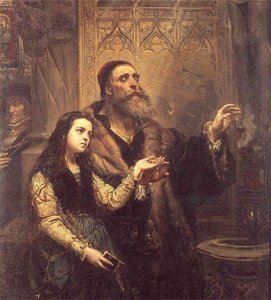
ヴィト・ストヴォシュ
1447 - 1533 , ドイツ
基本情報
- Artistic Movement Or Style: 後期ゴシックおよび北方のルネサンス
- Artists Or Movements Influenced By This Artist: ['後世の彫刻家']
- Artists Who Influenced This Artist: ['後期ゴシックの芸術家']
- Date Of Birth: 1450年以前
- Date Of Death: 1533年9月20日
- Full Name: ヴィット・ストヴォシュ (Veit Stoß)
- Nationality: ドイツ
- Notable Artworks:
- 聖アンナ、聖母子像
- 聖マリア大聖堂の主祭壇(復活)
- 聖マリア大聖堂の主祭elung(磔刑)
- Place Of Birth: ドイツ、ホルバッハ
関連記事

Bronze Sculptures That Defined Art History | ArtsDot
Journey through art history with our Top 10 bronze sculptures! Explore masterpieces by Rodin, Michelangelo & more. Discover stories behind iconic statues and find museum-quality reproductions for your home decor at ArtsDot.com.

The Enduring Form: Exploring Themes & Techniques in Sculpture Across Historical Periods
Explore the rich history of sculpture from ancient masterpieces to contemporary innovations. Discover key techniques, influential artists & investment potential for discerning art collectors.

Bronze Age to Modern Masters: 10 Sculptures That Redefined Art | ArtsDot
Journey through art history with 10 legendary bronze sculptures – from Michelangelo's David to Rodin’s Thinker. Explore the stories, techniques & timeless beauty of these masterpieces. Find museum-quality reproductions & elevate your home decor on ArtsDot.com.
The Enduring Form: Sculpture Across History, Technique & Emotional Resonance
Explore the rich history of sculpture with ArtsDot. Discover key techniques, influential artists & investment potential for discerning collectors. Expert insights into valuing and collecting timeless masterpieces.
青銅彫刻の永続的遺産:歴史、技法、そして現代における解釈
青銅彫刻の歴史、技法、現代における解釈を専門家が解説。古代から現代までの貴重な作品群を深く理解し、コレクションや投資に役立つ情報を提供します。美術品鑑定、修復についてもご紹介。

