

 プレビュー
プレビュー
 プリントを購入
 シェアする
シェアする シェアする
シェアする
 詳細を見る
詳細を見る

 ダウンロード
 似ている作品
 X線調査
X線調査 スライドショー
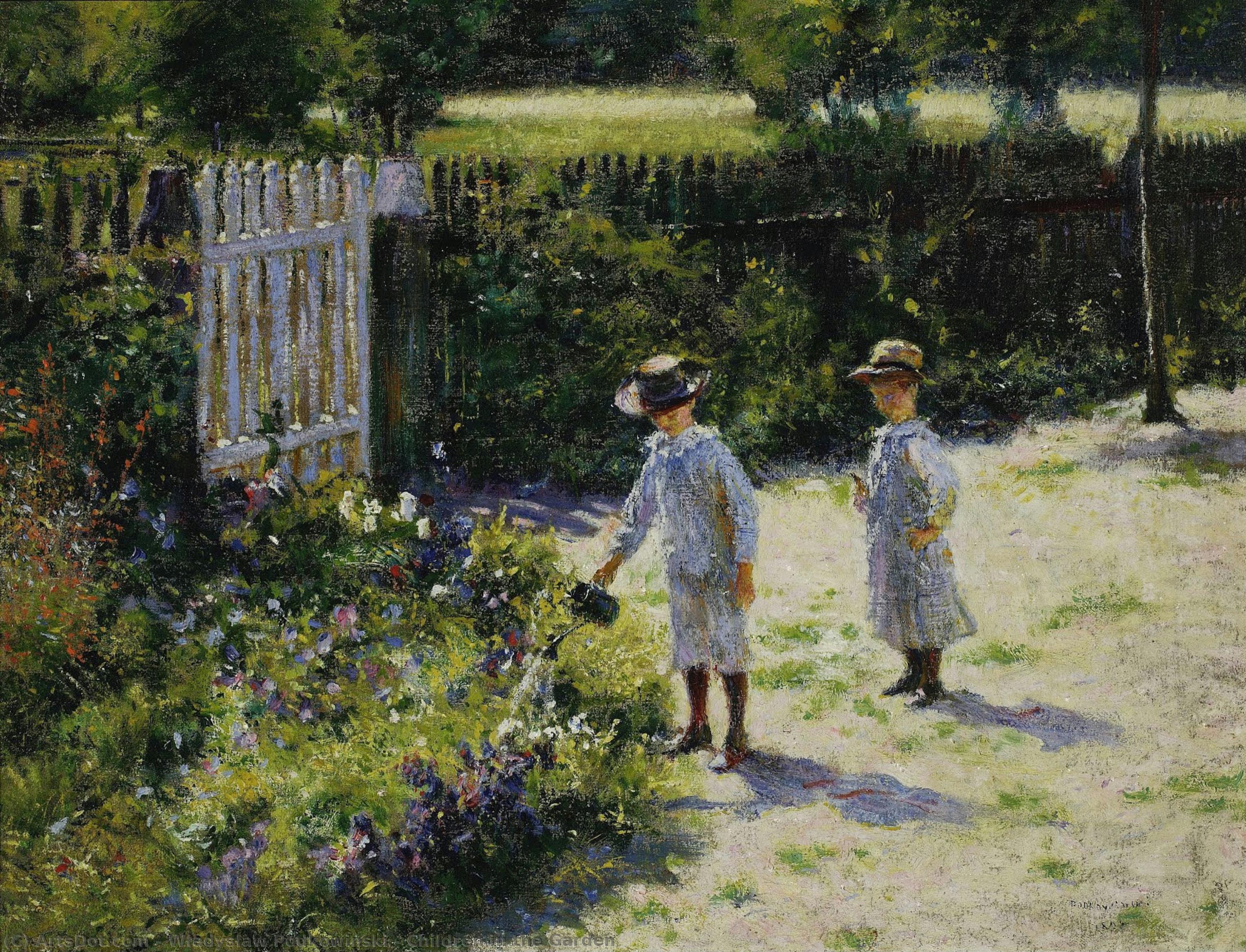
Children in the Garden
 Oil
Oil- WallArt
- Impressionism
 19th Century
 62.0 x 47.0 cm
 ワルシャワ国立美術館
 詳細を見る
詳細を見る




P118B $10

P118H $10

P118W $10

P438Z $10

P508JH $12

P508YH $12

P805H $10

P805Z $10

P919BZ $10

P919G $10

P919XJ $10

P959ZH $10

P968JZ $12

W106C $8

W218G $10

W218JH $8

W218Y $10

W307PJ $10

W316G $10

W316PJ $8

W316Y $10

W398PJ $8

W4111J $10

W500HY $15

W500JH $15

W692G $12

W849H $8

W940BG $15

W953PJ $8




作品のオリジナル比率に合わせた、当店の規定サイズからお選びください。

特定のフレームやスペースに合わせて、ご希望のサイズをご入力いただけます。選択されたサイズが元の画像の比率と異なる場合、アートワークをトリミングするか、手描きで要素を追加して絵画を拡張いたします。デジタルモックアップ を制作し、制作開始前にご確認(承認)をいただきます。
画面上のプレビューは、実際のトリミングや拡張を正確に反映しているものではありません。最終的な構図は、モックアップによってのみ正確にご確認いただけます。
カスタムサイズもご利用いただけますが、元の比率を維持するためには、あらかじめ用意されたリストからサイズを選択することをお勧めいたします。
ご注文後、ArtsDot.com チームより詳細な指示をお送りするとともに、仕上がりイメージ(モックアップ)をご提供いたします。


 ガラスオプションは、110cm未満のサイズでのみご利用いただけます。

Children in the Garden
複製技法
複製画のサイズ
-


合計金額
$ 263
A Sun-Drenched Moment in Chrzęsne
In the delicate brushstrokes of Władysław Podkowiński’s Children in the Garden, we find a breathtaking window into a lost era of pastoral innocence. Painted in 1892, this masterpiece captures a fleeting summer afternoon at a family estate in the village of Chrzęsne. The scene is far more than a simple garden portrait; it is a profound meditation on light and growth. At the heart of the composition, two young boys—the future philosopher Tadeusz Kotarbiński and the future painter Mieczysław Kotarbiński—are immersed in the simple joy of tending to a flowerbed. Through Podkowiński’s eyes, we do not merely see children playing; we witness the very essence of vitality as they interact with the blossoming flora that surrounds them.
The painting serves as a poignant testament to the artist's transformative journey. Having been deeply moved by the works of Claude Monet during his pivotal visit to Paris in 1889, Podkowiński brought the revolutionary spirit of French Impressionism back to Poland. In this work, his mastery of light is undeniable. He captures the way sunlight filters through the garden, illuminating the petals and casting soft, dancing shadows across the earth. The composition is expertly structured along a diagonal line, leading the viewer's eye through a lush foreground of meticulously observed vegetation, creating a sense of depth that pulls the observer directly into the warmth of the summer day.
A Symphony of Color and Technique
Technically, Children in the Garden is a triumph of color theory and atmospheric precision. Podkowiński employs a sophisticated palette that balances warm and cool tones to evoke a sense of natural harmony. The dominant golds and vibrant greens of the sunlit garden are masterfully complemented by subtle whispers of grey, violet, and light blue. This interplay of hues creates a shimmering effect, mimicking the way light vibrates on a bright afternoon. His technique, characterized by a skilled observation of nature, allows the textures of the leaves and the softness of the children's clothing to feel almost tactile.
For the discerning collector or interior designer, this piece offers an unparalleled emotional resonance. It possesses a rare ability to breathe life into a room, providing a focal point that is both tranquil and invigorating. The painting’s subject matter—the purity of childhood and the eternal cycle of nature—makes it a timeless addition to any curated space. Whether placed in a sunlit morning room or a sophisticated study, a high-quality reproduction of this work brings with it an aura of historical elegance and a sense of peaceful nostalgia. It is an invitation to pause, to breathe, and to rediscover the enchantment found in life's most quiet, beautiful moments.
関連作品

アーティストの略歴
Early Life and Education
- Born: Warsaw, Poland, February 4, 1866
- Died: Warsaw, Poland, January 5, 1895 (aged 28)
- Władysław Podkowiński began his artistic journey at Wojciech Gerson's drawing school in Warsaw.
- He continued his studies at the Warsaw Academy of Fine Arts from 1880 to 1884.
- In 1885-1886, he studied at the Imperial Academy of Arts in St. Petersburg alongside Józef Pankiewicz.
Artistic Development and Influences
- Early Career: Following his graduation, Podkowiński contributed illustrations to leading Warsaw art journals. He worked as an illustrator for *Tygodnik Ilustrowany* magazine.
- Impressionist Influence: A pivotal trip to Paris in 1889 profoundly influenced him, introducing him to French Impressionist painters like Claude Monet. This marked a shift towards capturing fleeting visual impressions and using light effectively. He is credited with bringing Impressionism to Poland.
- Symbolist Turn: Towards the end of his life, Podkowiński's artistic style evolved toward Symbolism, reflecting a more introspective and emotionally charged approach. His failing health may have contributed to this shift.
Key Works and Artistic Style
- Early Impressionistic Landscapes: Notable works from this period include landscapes painted in Mokra Wieś and Chrzęstne, showcasing shimmering effects of sunlight (e.g., *Chłopiec w Stawie - Mokra Wieś*, *W ogrodzie*).
- Urban Scenes: He captured the changing appearances of Warsaw's Nowy Świat Street throughout different seasons (*Ulica Nowy Świat w Warszawie w dzień letni*, *Ulica Nowy Świat w Warszawie w dzień zimowy*).
- "Frenzy of Exultations" (Szał uniesień): This is arguably his most famous and controversial painting. Exhibited in 1894, it sparked public outcry and was later slashed by the artist himself during an exhibition. It's now prominently displayed at the Sukiennice Museum in Kraków.
- Style: Podkowiński’s style combined Impressionistic techniques with emerging Symbolist themes. He used small brushstrokes, emphasized light and shadow contrasts, and explored emotional depth in his compositions.
Historical Significance and Legacy
- Young Poland Movement: Podkowiński was a significant figure within the Young Poland movement, which aimed to modernize Polish art and culture during the Partition period.
- Pioneer of Modernism: He is considered a pioneer of Polish modernism, bridging the gap between Realism and Impressionism and paving the way for Symbolist and later artistic movements.
- Short but impactful career: Despite his tragically short life (he died at 28 from tuberculosis), Podkowiński left a lasting impact on Polish art, influencing subsequent generations of artists.
Further Exploration
- Wikipedia Article: Władysław Podkowiński - Wikipedia
- ArtsDot Artist Page: władysław podkowiński
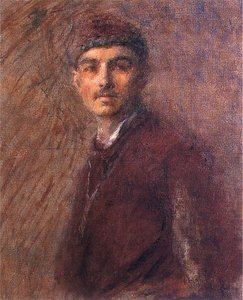
władysław podkowiński
1866 - 1895 , Poland
基本情報
- Artistic Movement Or Style:
- Impressionism
- Symbolism
- Artists Or Movements Influenced By This Artist: ['Young Poland movement']
- Artists Who Influenced This Artist:
- Aleksander Gierymski
- Claude Monet
- Date Of Birth: February 4, 1866
- Date Of Death: January 5, 1895
- Full Name: Władysław Podkowiński
- Nationality: Polish
- Notable Artworks:
- Frenzy of Exultations
- Wet Village
- Children in the Garden
- Landscape with a Haystack
- Conversation (Confessions)
- Nowy Swiat Street in Warsaw
- Self-portrait
- Study of a blonde
- Place Of Birth: Warsaw, Poland
関連記事
Cultivating Paradise: A Historical & Artistic Exploration of Gardens in Painting
Explore the rich history of gardens in painting! Discover masterpieces from Renaissance to Impressionism & beyond. Learn about symbolism, artists like Monet & Klimt, and find your perfect artwork at ArtsDot.
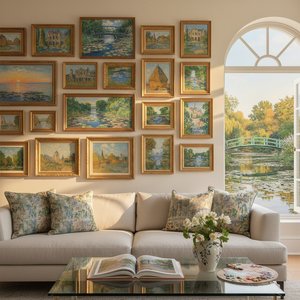
クロード・モネ傑作25選:光と色彩の印象派を彩る名画の世界 | ArtsDot
クロード・モネの傑作25選。印象派を代表する光の画家、モネの世界を旅しませんか?睡蓮や風景画など、名画の背景にある物語と芸術技法をご紹介。ArtsDotで高品質な複製画とインテリアアートを見つけましょう。全コレクションはこちら。
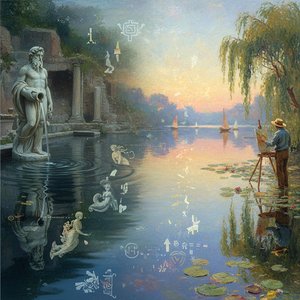
Fluid Reflections: Exploring Water's Symbolism in Art History – From Myth to Impressionism
Explore the rich symbolism of water in art history – from ancient myths to Impressionism's fleeting beauty. Discover masterpieces & find your perfect serene artwork with ArtsDot.com.
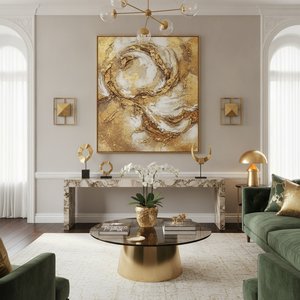
Golden Glow: How to Use Metallic Gold Artworks to Elevate Your Home Decor with Timeless Luxury
Discover how to elevate your home with the timeless elegance of metallic gold artworks. From sculptural metal pieces to gilded oil paintings, learn expert interior design tips for integrating luxurious gold accents into your space with sophistication and grace.
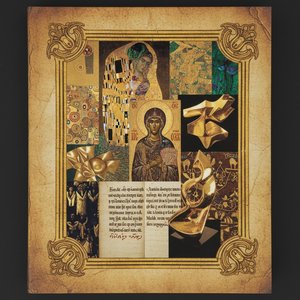
The Allure of Gold in Art History: Symbolism, Technique & Cultural Significance
Explore the rich history of gold in art! Discover symbolism, techniques & cultural significance from ancient civilizations to Klimt's masterpieces. Expert insights for collectors at ArtsDot.