 プレビュー
プレビュー
 プリントを購入
 シェアする
シェアする シェアする
シェアする
 詳細を見る
詳細を見る

 ダウンロード
 似ている作品
 X線調査
X線調査 スライドショー
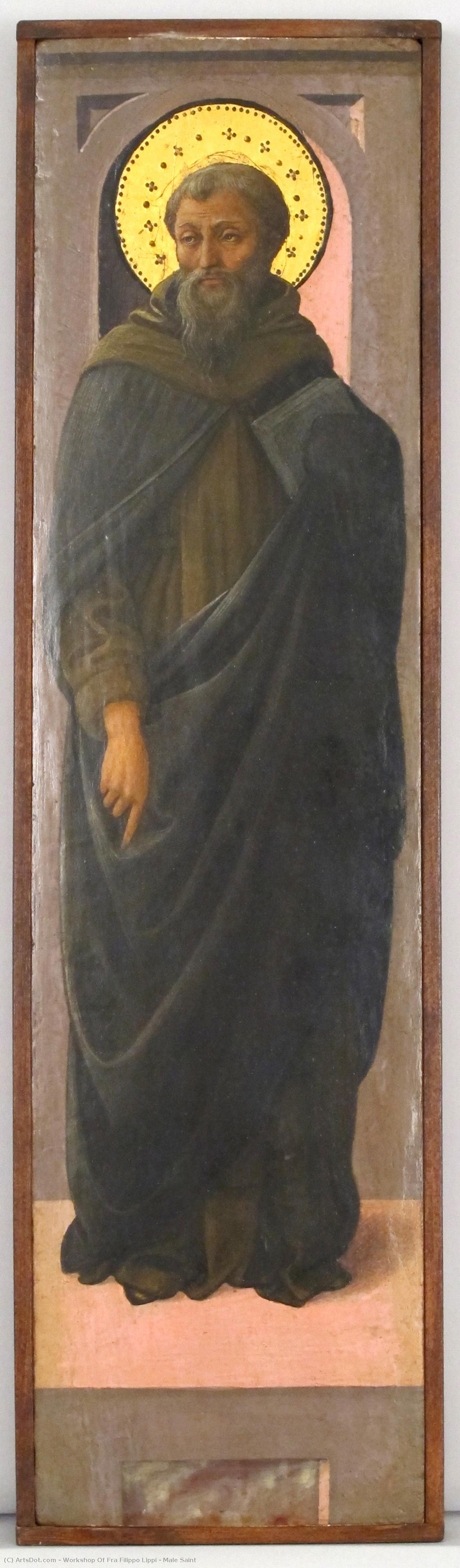
Male Saint
 Tempera On Panel
- Early Renaissance
 1469
1469- Renaissance
 48.0 x 13.0 cm
 メトロポリタン美術館
 詳細を見る
詳細を見る
オンラインプレビューをはるかに凌ぐ、高解像度で鮮明なデジタル画像をご購入いただけます。
各ファイルは、社内の専門家が高度なツールと熟練した手作業によるレタッチを用いて、細心の注意を払って準備されています。すべての画像において、卓越した鮮明度、正確な色彩再現性、そして繊細なディテールを保証いたします。
最終ファイルは、プロフェッショナルな編集・印刷環境ですぐにご利用いただけるよう最適化された状態で、72時間以内にメールにてお届けいたします。これは、一流のデザインスタジオ、出版社、ギャラリーから信頼されているものと同等の品質です。
デジタル画像のご注文に付随する特典
高品質なデジタル画像配信を、確かな品質で。
ArtsDot.com を選ぶことは、単に画像を手に入れることではありません。それは、プロの手によって精密に仕上げられ、満足保証が付いた高品質なデジタルアートワークを受け取ることを意味します。ご注文いただいた際に自動的に付随する内容は、以下の通りです:

メールですぐにお届け
ご注文から72時間以内に、高解像度のデジタル画像ファイルがメールでお手元に届きます。すぐにそのままご利用いただけます。

AI技術で最適化されたデジタルファイル
お客様の作品は、高度なAIツールと専門家による手作業の編集を組み合わせてプロフェッショナルに最適化されており、細部のディテール、鮮明さ、そして正確な色再現性を最大限に引き出しています。

一生涯無料の再送サービス
ファイルを誤って削除したり、紛失してしまったりしましたか?ご安心ください。いつでも無料で再送いたします。

輸入手数料は一切かかりません
関税や手数料、配送料を気にすることなく、お気に入りのアートワークをすぐにお楽しみいただけます。デジタルダウンロードは常に免税です。

色彩再現の保証
プロ仕様のツールとカラーマネジメント技術を用いることで、デジタル画像が元の色を最大限に忠実に再現することを保証いたします。

60日間満足保証
ご購入いただいたデジタル画像にご満足いただけない場合は、60日以内であれば、修正または100%の返金(理由を問う必要はありません)をさせていただきます。

100% 返金保証
ご満足いただけない場合は、デジタルファイルを受け取ってから60日以内であれば、理由を問わず全額返金いたします。

まとめ買い割引
3枚購入で10%OFF - 5枚購入で15%OFF - 10枚以上購入で20%OFF。クリエイティブなプロジェクト、ギャラリー、エージェンシーに最適です。
A Glimpse into Quattrocento Devotion: The Male Saint
To stand before this depiction of a male saint is to step directly into the vibrant, devotional atmosphere of the early Florentine Renaissance. Executed in 1469, this panel captures not merely a portrait, but a moment suspended between earthly contemplation and divine mystery. The subject, rendered with remarkable dignity, gazes out from the rich patina of time, holding a book that speaks volumes without uttering a single word. The very air around him seems thick with the scent of aged tempera paint and sacred incense.
Mastery in Tempera on Wood Panel
The technical brilliance evident here is immediately arresting. Painted in tempera on wood paneling, the artist—understood to be working within the orbit of Fra Filippo Lippi’s influential workshop—achieved a luminosity that belies the medium's inherent matte quality. The colors are described as rich and vibrant, suggesting an expert handling of pigments that allowed light to dance across the surface. Observe the careful modeling of the robes; the interplay between shadow and highlight gives the figure a profound sense of three-dimensionality, making the saint appear almost ready to step away from the panel and into your own space. This meticulous craftsmanship speaks to the high standards of Renaissance devotional art.
The Echoes of Lippi’s Workshop
While the hand that painted this specific piece remains unidentified, its lineage is undeniably tied to one of history's most compelling artistic crucibles: the circle of Fra Filippo Lippi. Lippi himself was a figure caught between monastic piety and burgeoning humanism, and his workshop absorbed and disseminated this unique tension. This saint embodies that spirit—a figure deeply rooted in religious tradition yet possessing an undeniable, gentle humanity. The composition is beautifully balanced; the subject commands attention while the surrounding elements ground him within what may have once been part of a larger sacristy adornment, suggesting he was meant to be viewed as part of a sacred narrative.
Symbolism and Enduring Presence
The book held by the saint is perhaps the most potent symbol. It represents scripture, wisdom, or the very tenets of his faith—a tangible connection to knowledge that transcends temporal boundaries. The beard and the solemn bearing contribute to an aura of venerable scholarship and spiritual authority. For the modern collector or designer, this piece offers more than mere decoration; it offers a focal point for contemplation. Reproducing such an artwork allows one to bring the quiet power of Renaissance spirituality into contemporary interiors, lending an air of cultivated history and profound depth.
関連作品

作家の略歴
The Enigmatic World of the Workshop of Fra Filippo Lippi
The name “Workshop of Fra Filippo Lippi” represents a fascinating, and often frustratingly ambiguous, presence in the early Renaissance art world. It isn’t a single artist we speak of, but rather a collective – the studio environment surrounding one of Florence's most innovative and personally compelling painters, Fra Filippo Lippi (c. 1406-1469). Understanding this workshop is crucial to appreciating not only Lippi’s prolific output, but also the dissemination of his style and the training of numerous artists who would carry his legacy forward. Lippi himself was a Carmelite friar, a fact that profoundly shaped both his life and art, creating a tension between religious devotion and a deeply humanistic sensibility. His early life remains somewhat shrouded in mystery; born to a goldsmith, he entered the monastery at a young age but quickly demonstrated an aptitude for painting, becoming a student of Masaccio.
Lippi’s initial training under Masaccio was pivotal. He absorbed Masaccio's revolutionary use of perspective and naturalism – the weight and volume of figures, the dramatic chiaroscuro (light and shadow) that gave his paintings an unprecedented sense of realism. However, Lippi wasn’t merely a copyist. He infused Masaccio’s innovations with a lyrical grace and elegance all his own. His early works, such as the Annunciation in the San Lorenzo Chapel, already hint at this distinctive style: figures are elongated, faces possess a delicate beauty, and compositions are imbued with a gentle narrative quality. This marked a departure from the more monumental and austere style of Masaccio, leaning towards a greater emphasis on decorative detail and emotional expression.
A Prolific Output & The Role of Assistants
Fra Filippo Lippi’s career was remarkably productive, yet complicated by his monastic vows and frequent commissions. He traveled extensively throughout Italy – Prato, San Gimignano, Spoleto – undertaking large-scale fresco cycles for churches and altarpieces. The sheer volume of work produced during his lifetime suggests a substantial workshop operation. While Lippi undoubtedly executed key elements of many paintings himself, particularly the faces and hands of central figures, he relied heavily on assistants to handle backgrounds, drapery, and less prominent details. Identifying the precise contributions of these assistants is often difficult, leading to ongoing scholarly debate about attribution.
The workshop functioned as a hierarchical system. Apprentices would begin with grinding pigments and preparing panels, gradually progressing to more complex tasks under the supervision of Lippi and his trusted *compagni* (companions). These companions were typically experienced painters in their own right, capable of executing significant portions of a commission. The style of paintings attributed to the workshop often exhibits variations in quality, reflecting the differing skill levels of those involved. However, a consistent thread runs through all these works: Lippi’s characteristic elegance, refined color palette, and emphasis on narrative clarity.
Influences & Artistic Development
Beyond Masaccio, Fra Filippo Lippi drew inspiration from a diverse range of sources. He was deeply influenced by International Gothic painting, particularly the elegant line work and decorative patterns found in the works of Gentile da Fabriano. This influence is evident in his early altarpieces, where figures are often set against elaborate gold backgrounds adorned with intricate floral motifs. As his career progressed, Lippi also absorbed elements from Flemish painting, adopting a greater attention to detail and realism in rendering textures and materials.
His artistic development can be traced through several key phases. The early works demonstrate the strong influence of Masaccio and International Gothic styles. In the 1440s, his style became more refined and lyrical, characterized by elongated figures, delicate faces, and a greater emphasis on emotional expression. The frescoes in the Prato Cathedral (c. 1452-1465) represent a high point of his career, showcasing his mastery of narrative composition and psychological insight. Later works, such as the *Vision of Saint Bernard*, reveal a growing interest in atmospheric perspective and a more sophisticated use of light and shadow.
Major Achievements & Lasting Legacy
Fra Filippo Lippi’s most celebrated achievements include the frescoes in the San Lorenzo Chapel in Florence, the altarpiece for the church of Sant'Ambrogio in Florence, and the extensive fresco cycle in the Prato Cathedral. These works are remarkable not only for their artistic quality but also for their innovative compositions and psychological depth. His portraits, particularly those of noblewomen, are renowned for their delicate beauty and realistic portrayal of character.
The workshop’s influence extended far beyond Lippi’s lifetime. His son, Filippino Lippi, continued his father's artistic tradition, further developing his style and becoming a leading painter in Florence. Numerous other artists who passed through the workshop – including Botticelli – absorbed Lippi’s techniques and aesthetic principles, contributing to the flourishing of Renaissance art. The legacy of the Workshop of Fra Filippo Lippi lies not only in the paintings it produced but also in its role as a vital center for artistic training and innovation, shaping the course of early Renaissance painting.
- Key Characteristics: Elegant figures, delicate faces, refined color palette, narrative clarity, lyrical grace.
- Influences: Masaccio, International Gothic (Gentile da Fabriano), Flemish Painting.
- Major Works: Frescoes in the San Lorenzo Chapel, Altarpiece for Sant'Ambrogio, Prato Cathedral frescoes.