

 プレビュー
プレビュー
 プリントを購入
 シェアする
シェアする シェアする
シェアする
 詳細を見る
詳細を見る

 ダウンロード
 似ている作品
 X線調査
X線調査 スライドショー
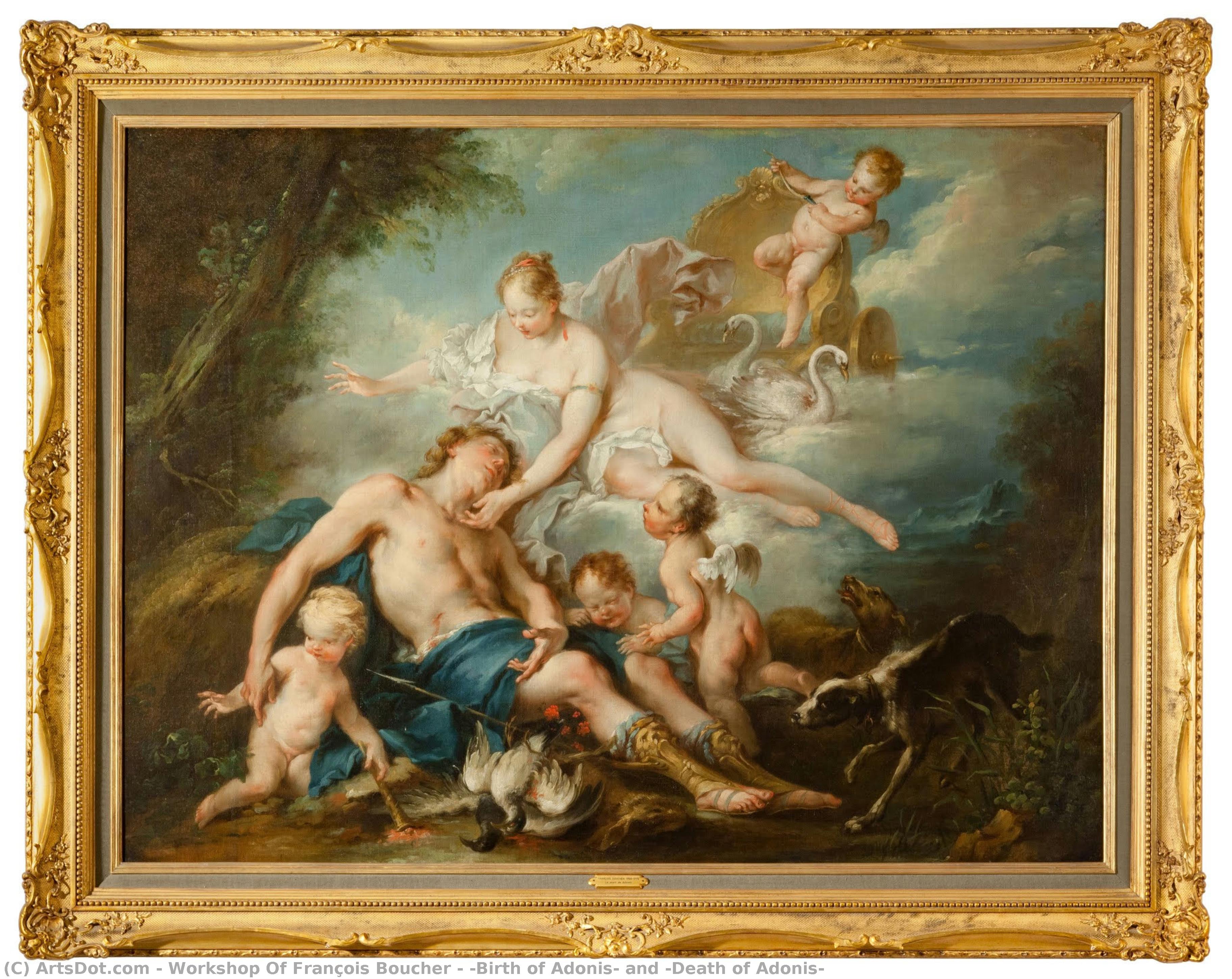
“Birth of Adonis” and “Death of Adonis”


 詳細を見る
詳細を見る
オンラインプレビューをはるかに凌ぐ、高解像度で鮮明なデジタル画像をご購入いただけます。
各ファイルは、社内の専門家が高度なツールと熟練した手作業によるレタッチを用いて、細心の注意を払って準備されています。すべての画像において、卓越した鮮明度、正確な色彩再現性、そして繊細なディテールを保証いたします。
最終ファイルは、プロフェッショナルな編集・印刷環境ですぐにご利用いただけるよう最適化された状態で、72時間以内にメールにてお届けいたします。これは、一流のデザインスタジオ、出版社、ギャラリーから信頼されているものと同等の品質です。
デジタル画像のご注文に付随する特典
高品質なデジタル画像配信を、確かな品質で。
ArtsDot.com を選ぶことは、単に画像を手に入れることではありません。それは、プロの手によって精密に仕上げられ、満足保証が付いた高品質なデジタルアートワークを受け取ることを意味します。ご注文いただいた際に自動的に付随する内容は、以下の通りです:

メールですぐにお届け
ご注文から72時間以内に、高解像度のデジタル画像ファイルがメールでお手元に届きます。すぐにそのままご利用いただけます。

AI技術で最適化されたデジタルファイル
お客様の作品は、高度なAIツールと専門家による手作業の編集を組み合わせてプロフェッショナルに最適化されており、細部のディテール、鮮明さ、そして正確な色再現性を最大限に引き出しています。

一生涯無料の再送サービス
ファイルを誤って削除したり、紛失してしまったりしましたか?ご安心ください。いつでも無料で再送いたします。

輸入手数料は一切かかりません
関税や手数料、配送料を気にすることなく、お気に入りのアートワークをすぐにお楽しみいただけます。デジタルダウンロードは常に免税です。

色彩再現の保証
プロ仕様のツールとカラーマネジメント技術を用いることで、デジタル画像が元の色を最大限に忠実に再現することを保証いたします。

60日間満足保証
ご購入いただいたデジタル画像にご満足いただけない場合は、60日以内であれば、修正または100%の返金(理由を問う必要はありません)をさせていただきます。

100% 返金保証
ご満足いただけない場合は、デジタルファイルを受け取ってから60日以内であれば、理由を問わず全額返金いたします。

まとめ買い割引
3枚購入で10%OFF - 5枚購入で15%OFF - 10枚以上購入で20%OFF。クリエイティブなプロジェクト、ギャラリー、エージェンシーに最適です。
A Tale of Divine Arrival and Mortal Departure
In the sweeping, emotive canvases of the Workshop of François Boucher, we find ourselves transported to an era where the boundaries between the celestial and the terrestrial are beautifully blurred. The dual narrative of “Birth of Adonis” and “Death of Adonis” serves as a profound meditation on the cyclical nature of existence—the breathtaking dawn of life and the inevitable, somber twilight of mortality. Within this intricate composition, the viewer is greeted by a scene of profound movement; figures are woven into a tapestry of grief and wonder, where the presence of an angelic figure hovering above the fallen man suggests that even in death, there is a divine witness to our earthly struggles.
The painting captures a moment of intense human connection, centered around a man lying prone upon the earth, cradled by the mourning presence of his wife. This poignant interaction is set against a backdrop of classical grandeur, where every gesture—from the kneeling figure to the watchful eyes of companions—contributes to a sense of unfolding drama. The inclusion of dogs, positioned with a quiet, grounded realism near the edges of the frame, adds a layer of domestic intimacy to an otherwise epic mythological event, grounding the high drama of the gods in the recognizable emotions of the living.
The Rococo Elegance of the Boucher Tradition
Executed in the mid-18th century, this work embodies the quintessential spirit of the Rococo movement. The technique reflects the mastery of the Boucher workshop, characterized by a fluid, painterly approach that prioritizes light, atmosphere, and a soft, luminous palette. There is a rhythmic grace to the brushwork that guides the eye through the complex arrangement of bodies, ensuring that despite the density of the figures, the composition never feels cluttered but rather harmoniously orchestrated. The interplay of light and shadow creates a sense of depth, pulling the observer into the very heart of the tragedy.
For the discerning collector or interior designer, this piece offers more than mere decoration; it provides a focal point of historical prestige. The soft textures and pastel-inflected tones are ideal for creating an atmosphere of sophisticated classical elegance in a curated space. Whether placed in a grand salon or a contemporary study, the artwork acts as a window into the 1730s, bringing with it the aristocratic splendor and the theatrical sensibility that defined the French Golden Age of painting.
Symbolism and Emotional Resonance
Beyond its visual splendor, the work is steeped in deep symbolic resonance. The juxtaposition of birth and death serves as a powerful memento mori, reminding us of the fleeting nature of beauty and passion. The divine presence descending upon the scene suggests that life's most profound transitions are overseen by forces beyond our comprehension. This tension between the ephemeral human experience and the eternal divine creates an emotional impact that is both unsettling and deeply moving.
To possess a reproduction of such a masterpiece is to invite a conversation about history, myth, and the enduring human condition into one's home. It is a piece designed for those who appreciate art that does not merely sit upon a wall, but breathes life into a room, offering a rich, multi-layered experience that rewards repeated contemplation and inspires a sense of timeless wonder.
関連作品








作家の略歴
The Enigmatic World of Banksy: A Life in Shadow and Spray
Banksy, a name synonymous with subversive art, political commentary, and an enduring air of mystery, remains one of the most captivating figures in contemporary culture. More than just a graffiti artist, Banksy is a cultural phenomenon – a phantom provocateur whose work challenges conventions, ignites debate, and forces us to confront uncomfortable truths about society. The very lack of definitive information regarding their identity only adds to the allure, transforming them into an almost mythical figure operating on the fringes of the art world.
While details are scarce, it is widely believed that Banksy originated in Bristol, England, during the 1990s as part of the underground graffiti scene. Early influences likely included artists like Blek le Rat, a French stencil artist whose work also appeared on urban landscapes and demonstrated the power of public space for artistic expression. This formative period saw the development of Banksy’s signature style: stenciled images combined with witty slogans, often delivered with biting satire and dark humor. The choice of spray paint as a medium was not merely practical; it represented accessibility, immediacy, and a deliberate rejection of traditional art institutions.
From Bristol Streets to Global Recognition
Banksy’s early work focused on anti-establishment themes, critiquing consumerism, war, hypocrisy, and the banality of modern life. The artist gained notoriety through unsanctioned installations in public spaces – walls, bridges, even animals – transforming urban environments into canvases for their pointed messages. The “Mild Mild West” series in 2001, a collection of stencils depicting scenes of conflict involving wildlife, brought Banksy to wider attention. However, it was the increasingly ambitious and politically charged pieces that truly cemented their reputation.
The early 2000s saw Banksy’s work begin to appear in galleries and exhibitions, often under pseudonyms or with elaborate schemes designed to maintain anonymity. This paradoxical approach – simultaneously embracing and rejecting the art establishment – became a defining characteristic of their career. Installations like “Crude Oils” (2005), featuring paintings depicting scenes from consumer culture reimagined as cave paintings, highlighted the absurdity of modern values. The artist’s willingness to engage with current events, such as the Israeli-Palestinian conflict through murals on the West Bank barrier, further amplified their voice and drew both praise and condemnation.
Themes and Techniques: A Visual Language of Dissent
Banksy's art is characterized by a distinctive visual language. The use of stencils allows for rapid execution and replication, essential for guerilla-style interventions in public spaces. The imagery often employs irony, juxtaposition, and unexpected combinations to create powerful emotional responses. Recurring motifs include rats (often seen as symbols of rebellion and resilience), police officers, soldiers, children, and iconic figures from popular culture.
- Satire and Social Commentary: Banksy’s work consistently challenges authority, exposing hypocrisy and questioning societal norms. The artist uses humor and wit to make complex political issues accessible and engaging.
- Anti-War Sentiment: A strong anti-war message permeates much of Banksy's oeuvre, often depicting the futility and brutality of conflict. Pieces like “Girl with Balloon” (2004) have become iconic symbols of peace and hope.
- Consumerism Critique: Banksy frequently targets consumer culture, exposing its superficiality and destructive impact on society. The use of recognizable brands and logos is often subverted to create ironic commentary.
- The Power of Public Space: Banksy’s insistence on creating art in public spaces challenges the traditional notion of ownership and accessibility. Their work democratizes art, bringing it directly to the people.
Legacy and Impact: Beyond the Spray Can
Banksy's impact extends far beyond the realm of visual art. The artist has used their platform to raise awareness about social issues, support charitable causes, and challenge the very definition of what constitutes “art.” The Dismaland bemusement park (2015), a dystopian parody of Disneyland, was a powerful statement on consumerism, political disillusionment, and the state of the world. More recently, projects like the "Valentine's Day" mural in 2018, which self-destructed after being auctioned for over £1 million, have further cemented Banksy’s reputation as a master provocateur.
The enduring appeal of Banksy lies not only in the artistry and wit of their work but also in the mystery surrounding their identity. This anonymity allows the art to speak for itself, free from the constraints of personality or celebrity. Banksy has proven that art can be a powerful tool for social change, capable of challenging conventions, igniting debate, and inspiring action. Their legacy is one of rebellion, innovation, and an unwavering commitment to questioning the status quo – a testament to the power of art to disrupt, provoke, and ultimately, transform our world.

プロフィール概要
- Artistic Movement Or Style: Rococo
- Artists Who Influenced This Artist: ['François Boucher']
- Date Of Death: Living
- Full Name: Workshop Of François Boucher

