

 プレビュー
プレビュー
 プリントを購入
 シェアする
シェアする シェアする
シェアする
 詳細を見る
詳細を見る

 ダウンロード
 似ている作品
 X線調査
X線調査 スライドショー
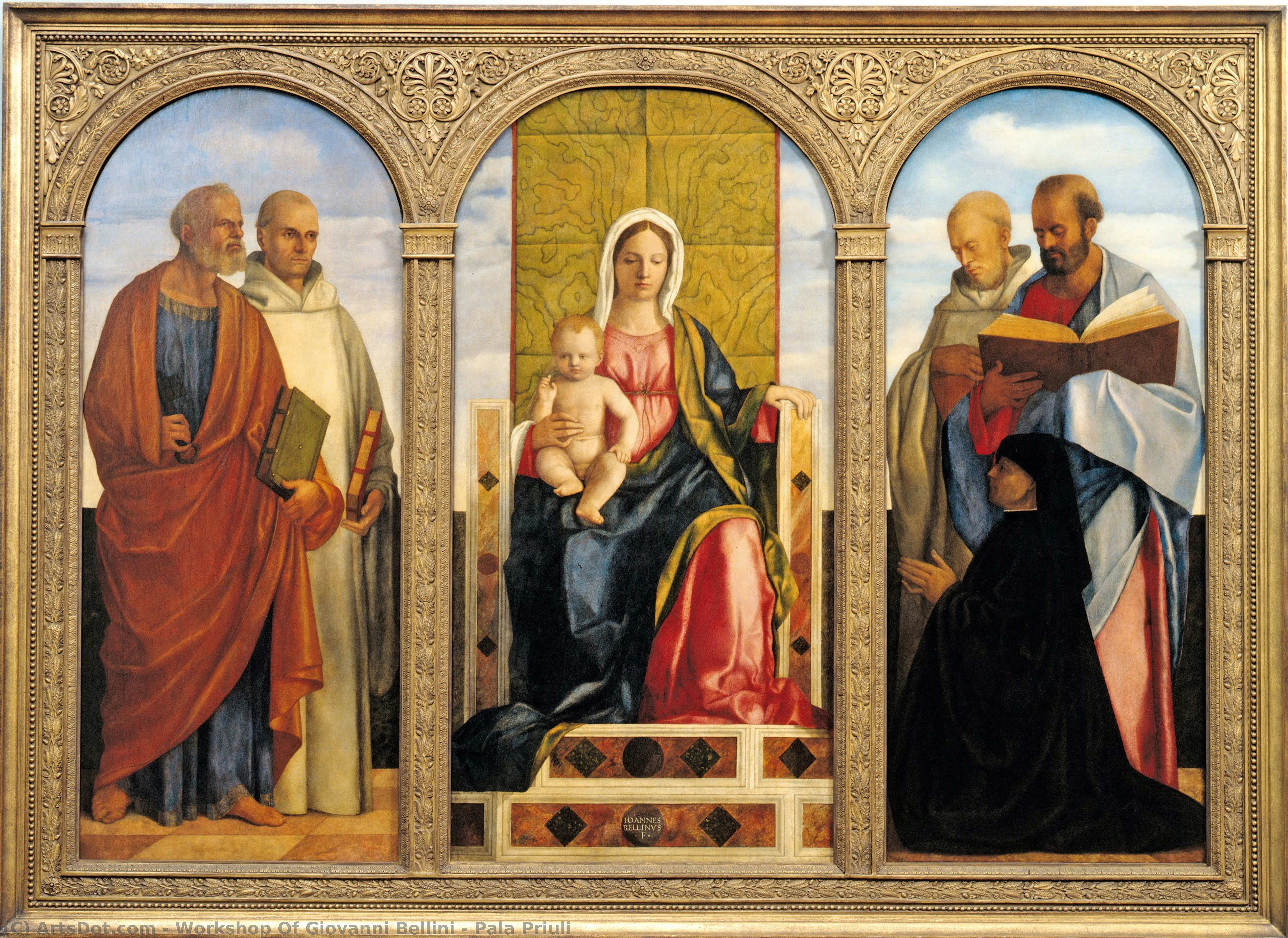
Pala Priuli
 Oil On Panel
 1510
1510- Renaissance
 1758.0 x 1319.0 cm
 Kunstpalast
 詳細を見る
詳細を見る
オンラインプレビューをはるかに凌ぐ、高解像度で鮮明なデジタル画像をご購入いただけます。
各ファイルは、社内の専門家が高度なツールと熟練した手作業によるレタッチを用いて、細心の注意を払って準備されています。すべての画像において、卓越した鮮明度、正確な色彩再現性、そして繊細なディテールを保証いたします。
最終ファイルは、プロフェッショナルな編集・印刷環境ですぐにご利用いただけるよう最適化された状態で、72時間以内にメールにてお届けいたします。これは、一流のデザインスタジオ、出版社、ギャラリーから信頼されているものと同等の品質です。
デジタル画像のご注文に付随する特典
高品質なデジタル画像配信を、確かな品質で。
ArtsDot.com を選ぶことは、単に画像を手に入れることではありません。それは、プロの手によって精密に仕上げられ、満足保証が付いた高品質なデジタルアートワークを受け取ることを意味します。ご注文いただいた際に自動的に付随する内容は、以下の通りです:

メールですぐにお届け
ご注文から72時間以内に、高解像度のデジタル画像ファイルがメールでお手元に届きます。すぐにそのままご利用いただけます。

AI技術で最適化されたデジタルファイル
お客様の作品は、高度なAIツールと専門家による手作業の編集を組み合わせてプロフェッショナルに最適化されており、細部のディテール、鮮明さ、そして正確な色再現性を最大限に引き出しています。

一生涯無料の再送サービス
ファイルを誤って削除したり、紛失してしまったりしましたか?ご安心ください。いつでも無料で再送いたします。

輸入手数料は一切かかりません
関税や手数料、配送料を気にすることなく、お気に入りのアートワークをすぐにお楽しみいただけます。デジタルダウンロードは常に免税です。

色彩再現の保証
プロ仕様のツールとカラーマネジメント技術を用いることで、デジタル画像が元の色を最大限に忠実に再現することを保証いたします。

100日間満足保証
ご購入いただいたデジタル画像にご満足いただけない場合は、100日以内であれば、修正または100%の返金(理由を問う必要はありません)をさせていただきます。

100% 返金保証
ご満足いただけない場合は、デジタルファイルを受け取ってから100日以内であれば、理由を問わず全額返金いたします。

まとめ買い割引
3枚購入で10%OFF - 5枚購入で15%OFF - 10枚以上購入で20%OFF。クリエイティブなプロジェクト、ギャラリー、エージェンシーに最適です。
関連作品



作家の略歴
The Enigmatic Workshop of Giovanni Bellini: A Legacy of Venetian Painting
The name “Workshop of Giovanni Bellini” represents more than a single hand; it embodies a thriving artistic lineage that profoundly shaped the course of Venetian painting during the Renaissance. While Giovanni Bellini himself stands as a towering figure – a master innovator and one of the earliest painters to fully embrace oil paint – understanding his workshop is crucial to appreciating the breadth and depth of 15th-century art in Venice. The workshop wasn’t merely a place for executing commissions; it was a dynamic environment where artistic styles evolved, techniques were refined, and a generation of artists received their formative training. Pinpointing exact authorship within the workshop can be challenging, as assistants often collaborated on projects, contributing elements while working under Bellini's overarching direction. This collaborative spirit resulted in a body of work characterized by both consistent quality and subtle variations that reflect the individual talents nurtured within its walls. The workshop flourished for decades, continuing to produce paintings even after Giovanni’s death in 1516, carrying forward his distinctive aesthetic and cementing his influence on Venetian art for generations to come.Early Influences and Artistic Development
Giovanni Bellini inherited a rich artistic tradition from his father, Jacopo Bellini, and his elder brother Gentile. Jacopo, a respected painter in his own right, instilled in his sons a foundation of meticulous draftsmanship and an appreciation for the International Gothic style prevalent at the time. However, Giovanni quickly surpassed his family’s earlier work, demonstrating a keen interest in the innovations emerging from Florence – particularly the pioneering use of perspective by artists like Masaccio and Donatello. His early paintings reveal a gradual absorption of these Florentine principles, blended with the distinctly Venetian emphasis on rich color and atmospheric effects. The influence of Andrea Mantegna, whom Giovanni met during his visit to Padua in the 1450s, was particularly significant. Mantegna’s mastery of classical antiquity and dramatic foreshortening left a lasting impression on Bellini's compositions and figure studies. Over time, Bellini moved away from the linear precision of his early work, embracing a softer modeling of forms and a more lyrical approach to narrative. This shift coincided with his increasing experimentation with oil paint, which allowed for greater subtlety in color blending and a remarkable luminosity that became a hallmark of his style.The Workshop’s Production: Themes and Techniques
The Workshop of Giovanni Bellini produced an extensive range of paintings, catering to the diverse tastes of Venetian patrons. Religious subjects – Madonnas, altarpieces, and scenes from the lives of saints – formed the core of their output. However, they also created numerous secular works, including portraits, mythological scenes, and decorative panels for domestic interiors. Bellini’s workshop was renowned for its exquisite depictions of fabrics, reflecting Venice's status as a major center of textile production. The use of oil paint allowed the artists to render the textures and folds of drapery with unprecedented realism, creating a sense of opulent materiality. Beyond technical skill, the workshop excelled at conveying emotional depth in their figures. Bellini’s Madonnas, for example, are characterized by a gentle grace and serene beauty that resonated deeply with contemporary audiences. The compositions often feature carefully balanced arrangements of figures and objects, creating harmonious and visually compelling scenes. The workshop also developed a distinctive style of landscape painting, incorporating atmospheric perspective and subtle gradations of color to create evocative backgrounds that enhanced the narrative impact of their works.Legacy and Historical Significance
The Workshop of Giovanni Bellini’s influence extended far beyond Venice. Artists who passed through its doors – including Giorgione, Titian, and Sebastiano del Piombo – went on to become leading figures of the High Renaissance and Venetian School. Titian, arguably the most famous painter of the Venetian Renaissance, began his artistic career as an apprentice in Bellini’s workshop, absorbing its techniques and aesthetic principles before developing his own distinctive style. The workshop's emphasis on color, atmosphere, and emotional expression profoundly shaped the course of Italian painting, paving the way for the dramatic compositions and sensuous forms that characterize Venetian art. Even after Giovanni Bellini’s death, the workshop continued to operate under the direction of his sons and other assistants, producing paintings in his style for decades. This continuity ensured that his legacy endured, influencing generations of artists and solidifying Venice's reputation as a major center of artistic innovation. The works attributed to the Workshop of Giovanni Bellini remain highly prized today, offering valuable insights into the evolution of Renaissance painting and the collaborative nature of artistic production in 15th-century Italy.Identifying Works & Ongoing Research
Attributing specific paintings definitively to Giovanni Bellini versus his workshop assistants remains a complex challenge for art historians. Stylistic analysis, technical examination (including pigment analysis and underdrawing studies), and archival research are all employed in an attempt to unravel the authorship of individual works.- Paintings executed with exceptional precision and subtlety of color blending are often attributed directly to Giovanni Bellini.
- Works exhibiting a more linear style or less refined execution may be identified as products of his workshop, created by assistants under his supervision.
- The presence of specific compositional motifs or figure types can also provide clues about authorship.

プロフィール概要
- Artistic Movement Or Style: Early Renaissance painting
- Artists Who Influenced This Artist:
- Gentile Fabriano
- Andrea Mantegna
- Date Of Death: Living
- Full Name: Workshop Of Giovanni Bellini
- Nationality: Italian
- Notable Artworks:
- San Zaccaria Altarpiece
- Madonna and Child
- Doge Leonardo Loredan