

 プレビュー
プレビュー
 プリントを購入
 シェアする
シェアする シェアする
シェアする
 詳細を見る
詳細を見る

 ダウンロード
 似ている作品
 X線調査
X線調査 スライドショー
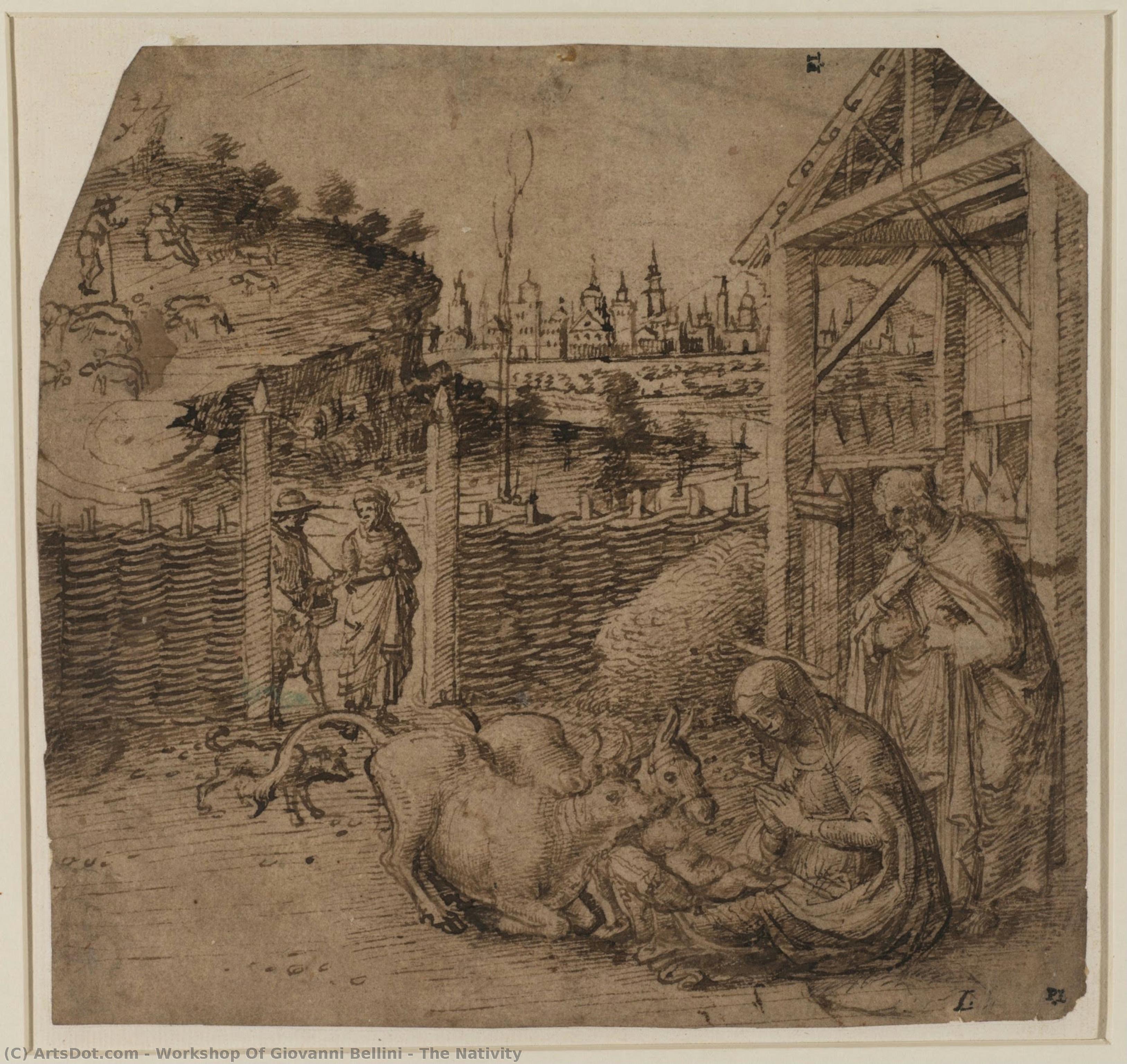
The Nativity
 Renaissance
 1480
1480- Renaissance
 21.0 x 16.0 cm
 Courtauld Gallery
 詳細を見る
詳細を見る




P118B $10

P118H $10

P118W $10

P438Z $10

P508JH $12

P508YH $12

P805H $10

P805Z $10

P919BZ $10

P919G $10

P919XJ $10

P959ZH $10

P968JZ $12

W106C $8

W218G $10

W218JH $8

W218Y $10

W307PJ $10

W316G $10

W316PJ $8

W316Y $10

W398PJ $8

W4111J $10

W500HY $15

W500JH $15

W692G $12

W849H $8

W940BG $15

W953PJ $8




作品のオリジナル比率に合わせた、当店の規定サイズからお選びください。

特定のフレームやスペースに合わせて、ご希望のサイズをご入力いただけます。選択されたサイズが元の画像の比率と異なる場合、アートワークをトリミングするか、手描きで要素を追加して絵画を拡張いたします。デジタルモックアップ を制作し、制作開始前にご確認(承認)をいただきます。
画面上のプレビューは、実際のトリミングや拡張を正確に反映しているものではありません。最終的な構図は、モックアップによってのみ正確にご確認いただけます。
カスタムサイズもご利用いただけますが、元の比率を維持するためには、あらかじめ用意されたリストからサイズを選択することをお勧めいたします。
ご注文後、ArtsDot.com チームより詳細な指示をお送りするとともに、仕上がりイメージ(モックアップ)をご提供いたします。


 ガラスオプションは、110cm未満のサイズでのみご利用いただけます。

The Nativity
複製技法
複製画のサイズ
-


合計金額
$ 263
関連作品
アーティストの略歴
The Enigmatic Workshop of Giovanni Bellini: A Legacy of Venetian Painting
The name “Workshop of Giovanni Bellini” represents more than a single hand; it embodies a thriving artistic lineage that profoundly shaped the course of Venetian painting during the Renaissance. While Giovanni Bellini himself stands as a towering figure – a master innovator and one of the earliest painters to fully embrace oil paint – understanding his workshop is crucial to appreciating the breadth and depth of 15th-century art in Venice. The workshop wasn’t merely a place for executing commissions; it was a dynamic environment where artistic styles evolved, techniques were refined, and a generation of artists received their formative training. Pinpointing exact authorship within the workshop can be challenging, as assistants often collaborated on projects, contributing elements while working under Bellini's overarching direction. This collaborative spirit resulted in a body of work characterized by both consistent quality and subtle variations that reflect the individual talents nurtured within its walls. The workshop flourished for decades, continuing to produce paintings even after Giovanni’s death in 1516, carrying forward his distinctive aesthetic and cementing his influence on Venetian art for generations to come.Early Influences and Artistic Development
Giovanni Bellini inherited a rich artistic tradition from his father, Jacopo Bellini, and his elder brother Gentile. Jacopo, a respected painter in his own right, instilled in his sons a foundation of meticulous draftsmanship and an appreciation for the International Gothic style prevalent at the time. However, Giovanni quickly surpassed his family’s earlier work, demonstrating a keen interest in the innovations emerging from Florence – particularly the pioneering use of perspective by artists like Masaccio and Donatello. His early paintings reveal a gradual absorption of these Florentine principles, blended with the distinctly Venetian emphasis on rich color and atmospheric effects. The influence of Andrea Mantegna, whom Giovanni met during his visit to Padua in the 1450s, was particularly significant. Mantegna’s mastery of classical antiquity and dramatic foreshortening left a lasting impression on Bellini's compositions and figure studies. Over time, Bellini moved away from the linear precision of his early work, embracing a softer modeling of forms and a more lyrical approach to narrative. This shift coincided with his increasing experimentation with oil paint, which allowed for greater subtlety in color blending and a remarkable luminosity that became a hallmark of his style.The Workshop’s Production: Themes and Techniques
The Workshop of Giovanni Bellini produced an extensive range of paintings, catering to the diverse tastes of Venetian patrons. Religious subjects – Madonnas, altarpieces, and scenes from the lives of saints – formed the core of their output. However, they also created numerous secular works, including portraits, mythological scenes, and decorative panels for domestic interiors. Bellini’s workshop was renowned for its exquisite depictions of fabrics, reflecting Venice's status as a major center of textile production. The use of oil paint allowed the artists to render the textures and folds of drapery with unprecedented realism, creating a sense of opulent materiality. Beyond technical skill, the workshop excelled at conveying emotional depth in their figures. Bellini’s Madonnas, for example, are characterized by a gentle grace and serene beauty that resonated deeply with contemporary audiences. The compositions often feature carefully balanced arrangements of figures and objects, creating harmonious and visually compelling scenes. The workshop also developed a distinctive style of landscape painting, incorporating atmospheric perspective and subtle gradations of color to create evocative backgrounds that enhanced the narrative impact of their works.Legacy and Historical Significance
The Workshop of Giovanni Bellini’s influence extended far beyond Venice. Artists who passed through its doors – including Giorgione, Titian, and Sebastiano del Piombo – went on to become leading figures of the High Renaissance and Venetian School. Titian, arguably the most famous painter of the Venetian Renaissance, began his artistic career as an apprentice in Bellini’s workshop, absorbing its techniques and aesthetic principles before developing his own distinctive style. The workshop's emphasis on color, atmosphere, and emotional expression profoundly shaped the course of Italian painting, paving the way for the dramatic compositions and sensuous forms that characterize Venetian art. Even after Giovanni Bellini’s death, the workshop continued to operate under the direction of his sons and other assistants, producing paintings in his style for decades. This continuity ensured that his legacy endured, influencing generations of artists and solidifying Venice's reputation as a major center of artistic innovation. The works attributed to the Workshop of Giovanni Bellini remain highly prized today, offering valuable insights into the evolution of Renaissance painting and the collaborative nature of artistic production in 15th-century Italy.Identifying Works & Ongoing Research
Attributing specific paintings definitively to Giovanni Bellini versus his workshop assistants remains a complex challenge for art historians. Stylistic analysis, technical examination (including pigment analysis and underdrawing studies), and archival research are all employed in an attempt to unravel the authorship of individual works.- Paintings executed with exceptional precision and subtlety of color blending are often attributed directly to Giovanni Bellini.
- Works exhibiting a more linear style or less refined execution may be identified as products of his workshop, created by assistants under his supervision.
- The presence of specific compositional motifs or figure types can also provide clues about authorship.

基本情報
- Artistic Movement Or Style: Early Renaissance painting
- Artists Who Influenced This Artist:
- Gentile Fabriano
- Andrea Mantegna
- Date Of Death: Living
- Full Name: Workshop Of Giovanni Bellini
- Nationality: Italian
- Notable Artworks:
- San Zaccaria Altarpiece
- Madonna and Child
- Doge Leonardo Loredan
関連記事

ジャコポ・ティンコレット:至高の25選 – ヴェネツィア巨匠のドラマと光の世界 | ArtsDot
ジャコポ・ティンコレットの至高の25選。ドラマと光の世界を彩るヴェネツィア派巨匠の名画を紐解きます。ルネサンス絵画からバロック絵画まで、ArtsDotで高品質な複製画やインテリアアートを見つけましょう。傑作コレクションをオンラインで探求してください。
ラファエロ傑作25選:ルネサンス巨匠の物語と芸術の世界 | ArtsDot
ラファエロの傑作25選🎨 ルネサンス巨匠の物語と芸術の世界を紐解きます。美しい絵画複製や壁掛けアートで、お部屋に名画の彩りを。ArtsDot.comで、美術史に残る作品群をご覧ください✨
Jacopo Palma il Giovane: A Venetian Master's Poetic Evolution
Explore the captivating world of Jacopo Palma il Giovane, a pivotal Venetian Renaissance master. Discover his unique style, influenced by Titian & Tintoretto, and learn about key works perfect for discerning collectors.
The Golden Light of Innovation: Exploring the Venetian Renaissance Art Movement (1430–1580)
Explore the Golden Age of Venetian art (1430–1580). Discover Giorgione, Titian & Tintoretto's techniques, the 'colorito' revolution, and lasting influence. Expert insights for collectors & enthusiasts.
Pietro Longhi's Venetian Scenes: A Study of Rococo Society & Domestic Life
Explore the captivating world of Pietro Longhi's Venetian scenes! Discover insightful analysis of his Rococo masterpieces & social commentary on 18th-century life. Learn about this 'Venetian Hogarth' and his lasting artistic legacy.