

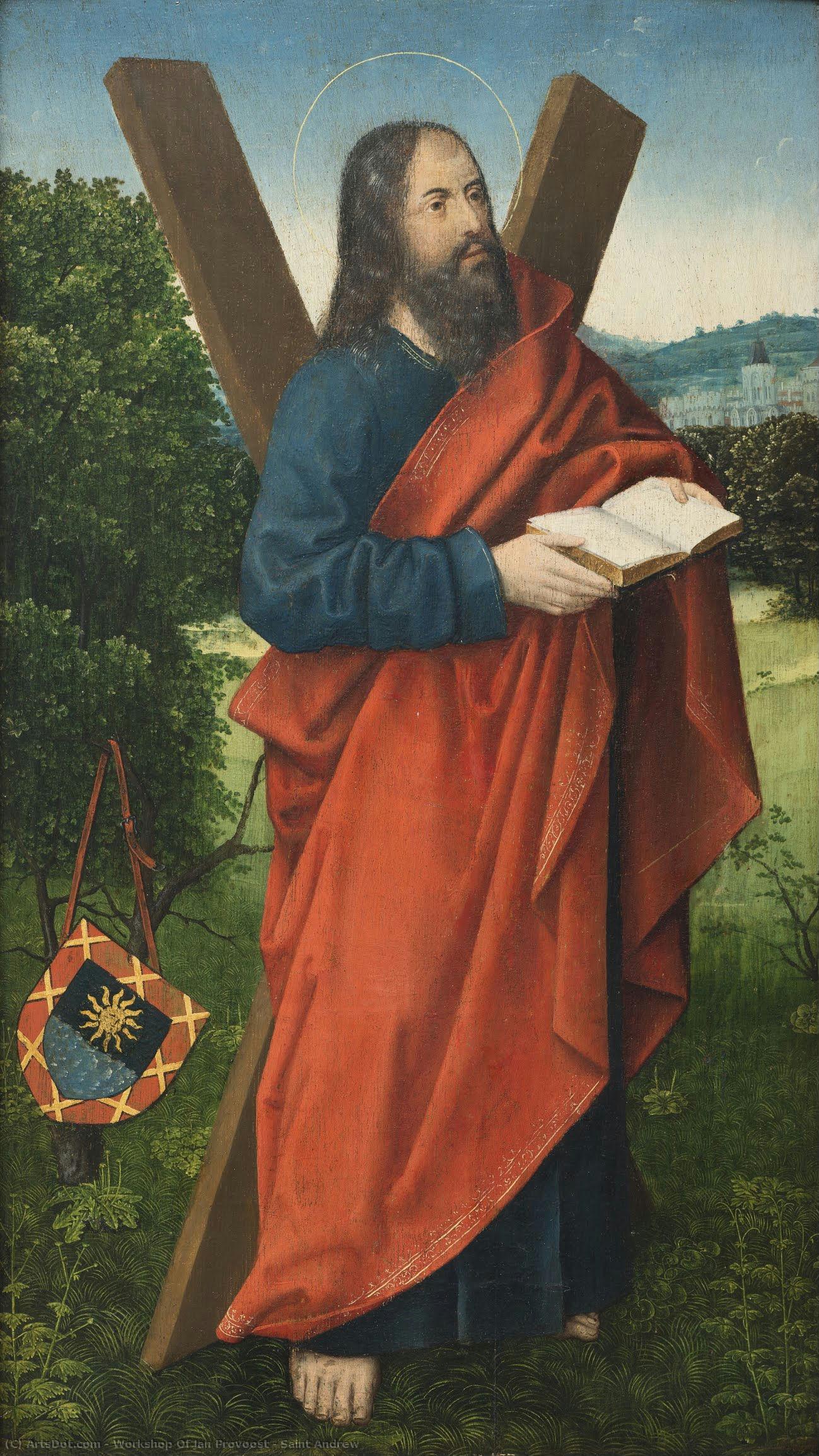
 プレビュー
プレビュー
 シェアする
シェアする シェアする
シェアする
 詳細を見る
詳細を見る

 ダウンロード
 似ている作品
 X線調査
X線調査 スライドショー
 統計情報
統計情報Saint Andrew
 Early Netherlandish Painting
 5.0 x 5.0 cm
 ボンネファンテン美術館
 詳細を見る
詳細を見る
オンラインプレビューをはるかに凌ぐ、高解像度で鮮明なデジタル画像をご購入いただけます。
各ファイルは、社内の専門家が高度なツールと熟練した手作業によるレタッチを用いて、細心の注意を払って準備されています。すべての画像において、卓越した鮮明度、正確な色彩再現性、そして繊細なディテールを保証いたします。
最終ファイルは、プロフェッショナルな編集・印刷環境ですぐにご利用いただけるよう最適化された状態で、72時間以内にメールにてお届けいたします。これは、一流のデザインスタジオ、出版社、ギャラリーから信頼されているものと同等の品質です。
デジタルアート
個人での鑑賞、印刷、クリエイティブなプロジェクト用に、高解像度ファイルをダウンロードできます。 ( プリント版に切り替え 手描きの絵画を購入)
デジタル画像のご注文に付随する特典
高品質なデジタル画像配信を、確かな品質で。
ArtsDot.com を選ぶことは、単に画像を手に入れることではありません。それは、プロの手によって精密に仕上げられ、満足保証が付いた高品質なデジタルアートワークを受け取ることを意味します。ご注文いただいた際に自動的に付随する内容は、以下の通りです:

メールですぐにお届け
ご注文から72時間以内に、高解像度のデジタル画像ファイルがメールでお手元に届きます。すぐにそのままご利用いただけます。

AI技術で最適化されたデジタルファイル
お客様の作品は、高度なAIツールと専門家による手作業の編集を組み合わせてプロフェッショナルに最適化されており、細部のディテール、鮮明さ、そして正確な色再現性を最大限に引き出しています。

一生涯無料の再送サービス
ファイルを誤って削除したり、紛失してしまったりしましたか?ご安心ください。いつでも無料で再送いたします。

輸入手数料は一切かかりません
関税や手数料、配送料を気にすることなく、お気に入りのアートワークをすぐにお楽しみいただけます。デジタルダウンロードは常に免税です。

色彩再現の保証
プロ仕様のツールとカラーマネジメント技術を用いることで、デジタル画像が元の色を最大限に忠実に再現することを保証いたします。

100日間満足保証
ご購入いただいたデジタル画像にご満足いただけない場合は、100日以内であれば、理由を問わず修正または100%の返金対応をさせていただきます。

100% 返金保証
ご満足いただけない場合は、デジタルファイルを受け取ってから100日以内であれば、理由を問わず全額返金いたします。

まとめ買い割引
3枚購入で10%OFF - 5枚購入で15%OFF - 10枚以上購入で20%OFF。クリエイティブなプロジェクト、ギャラリー、エージェンシーに最適です。
関連作品
作家の略歴
The Enigmatic World of the Workshop of Jan Provoost
The name Jan Provoost resonates within the annals of early Netherlandish painting, yet attributing specific works solely to his hand remains a complex undertaking. More accurately understood as a prolific workshop – a bustling center of artistic production in Bruges during the late 15th and early 16th centuries – the studio’s output reveals a fascinating blend of stylistic influences and technical mastery. While biographical details concerning Provoost himself are scarce, piecing together evidence from archival records and stylistic analysis allows us to glimpse the workings of this important atelier and its contribution to the flourishing art scene of the period. He is documented as active in Bruges from 1493, becoming a master of the Guild of Saint Luke in 1502, and consistently receiving commissions from both local nobility and international patrons. This consistent demand speaks volumes about the quality and appeal of the work emanating from his studio.A Synthesis of Styles: Influences and Early Development
The artistic landscape Provoost navigated was one of remarkable innovation. He absorbed the lessons of Jan van Eyck, whose pioneering oil techniques and meticulous realism continued to exert a powerful influence on painters throughout Flanders. However, Provoost’s workshop wasn't merely imitative. A clear debt is also owed to Hugo van der Goes, particularly in the emotional intensity and expressive characterization seen in some figures. The delicate lyricism of Hans Memling, another prominent Bruges artist, also found its way into the studio’s repertoire. Early works attributed to Provoost – or more precisely, to his immediate circle – often exhibit a blend of these characteristics: van Eyck's precision combined with van der Goes’ psychological depth and Memling’s refined elegance. This synthesis wasn’t accidental; Bruges was a cosmopolitan hub where artists readily exchanged ideas and techniques, fostering a climate of experimentation and cross-pollination. The workshop likely produced a wide range of paintings, from small devotional panels to larger altarpieces, catering to diverse tastes and budgets.Themes and Techniques: Defining the Workshop’s Aesthetic
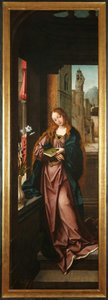
The subject matter favored by the Workshop of Jan Provoost reflects the religious piety prevalent in late medieval society. Virgin and Child compositions are particularly common, often depicted with a tender intimacy that invites contemplation. Scenes from the life of Christ – the Annunciation, the Nativity, the Crucifixion – also feature prominently, rendered with a dramatic flair that emphasizes their emotional impact. Portraits, both individual and group portraits, were another important source of income for the studio. These works are notable for their detailed rendering of fabrics, jewelry, and hairstyles, providing valuable insights into the fashion and material culture of the period. Technically, the workshop excelled in oil painting, employing layered glazes to achieve a luminous quality and remarkable depth of color. Attention to detail was paramount, evident in the meticulous depiction of textures, patterns, and individual features. The use of symbolism was also widespread, with objects and motifs carefully chosen to convey deeper religious meanings. For example, lilies often represented purity, while fruit symbolized fertility or temptation.Attribution Challenges and Legacy
The very nature of a workshop – the collaborative effort of master, assistants, and apprentices – presents significant challenges when it comes to attribution. It is rare to find paintings that can be definitively attributed solely to Provoost’s hand; most works are considered products of his studio, with varying degrees of his personal involvement. Scholars often distinguish between paintings executed “by the Master’s hand,” those "from the workshop," and those produced "in the manner of" Provoost. This nuanced approach acknowledges the collaborative nature of artistic production while recognizing the distinctive aesthetic qualities that characterize the studio's output. Despite these challenges, the Workshop of Jan Provoost left an indelible mark on early Netherlandish painting. His influence can be seen in the work of later artists who adopted his techniques and stylistic innovations. The workshop’s paintings continue to captivate viewers with their beauty, detail, and emotional depth, offering a glimpse into the artistic world of Bruges during a period of remarkable creativity and religious fervor.Major Achievements and Historical Significance
While pinpointing specific masterpieces solely attributable to Provoost is difficult, the overall body of work produced by his workshop represents a significant achievement in early Netherlandish art. The consistent quality and demand for their paintings demonstrate the studio’s mastery of technique and its ability to cater to diverse tastes.- The workshop played a crucial role in disseminating new artistic ideas and techniques throughout Flanders.
- Their portraits provide valuable insights into the fashion, material culture, and social life of the period.
- The religious paintings reflect the piety and emotional intensity characteristic of late medieval society.
- The workshop’s influence can be seen in the work of later artists who adopted their stylistic innovations.
プロフィール概要
- Artistic Movement Or Style: Northern Renaissance, Early Netherlandish painting
- Date Of Death: Living
- Full Name: Workshop Of Jan Provoost
- Nationality: Flemish
- Notable Artworks:
- Portrait of a Lady with Prayer Book
- Saint Luke Painting the Virgin
- The Lamentation of Christ