

 プレビュー
プレビュー
 シェアする
シェアする シェアする
シェアする
 詳細を見る
詳細を見る

 ダウンロード
 似ている作品
 X線調査
X線調査 スライドショー
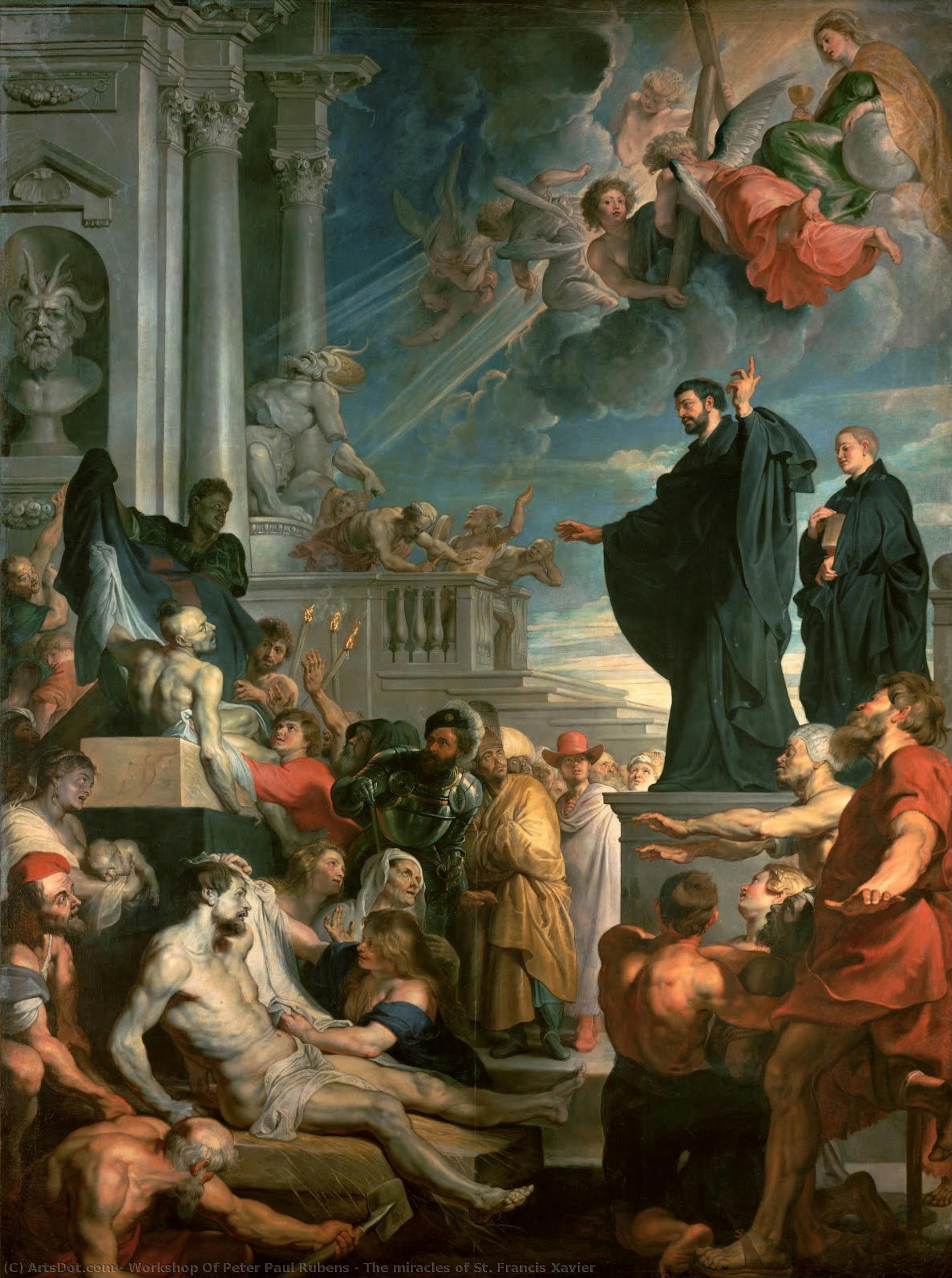
The miracles of St. Francis Xavier
 Oil On Canvas
- WallArt
- Baroque
 1618
1618 3950.0 x 5350.0 cm
 Kunsthistorisches Museum
 詳細を見る
詳細を見る
ジークレー/アートプリント
迅速な制作と多彩な仕上げオプションを備えた、ミュージアムクオリティのジークレーまたはキャンバスプリント。 ( 手描きの絵画を購入 画像を購入)




P118B $10

P118H $10

P118W $10

P438Z $10

P508JH $12

P508YH $12

P805H $10

P805Z $10

P919BZ $10

P919G $10

P919XJ $10

P959ZH $10

P968JZ $12

W106C $8

W218G $10

W218JH $8

W218Y $10

W307PJ $10

W316G $10

W316PJ $8

W316Y $10

W398PJ $8

W4111J $10

W500HY $15

W500JH $15

W692G $12

W849H $8

W940BG $15

W953PJ $8




作品のオリジナル比率に合わせた、当店の規定サイズからお選びください。

特定のフレームやスペースに合わせて、ご自身でサイズを指定することも可能です。選択されたサイズが元の画像の比率と一致しない場合、作品をトリミングするか、鏡面反射または単色での塗りつぶしによって画像を拡張いたします。制作を開始する前に、ご確認用のデジタルモックアップをお送りいたします。
画面上のプレビューには、実際のトリミングや拡張は反映されませんのでご注意ください。最終的な構図を正確に確認できるのは、モックアップのみとなります。
カスタムサイズも承っておりますが、元の比率を維持するためには、あらかじめ用意されたリストからサイズを選択することをお勧めいたします。


 ガラスオプションは、110cm未満のサイズでのみご利用いただけます。

The miracles of St. Francis Xavier
ジークレー/アートプリント
複製画のサイズ
-


合計金額
$ 62
作品詳細説明
A Vision of Divine Intervention: The Miracles of St. Francis Xavier
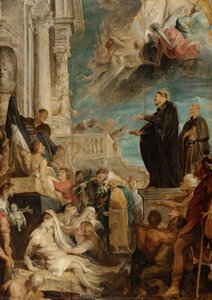
To stand before this monumental depiction of The miracles of St. Francis Xavier is to be enveloped by the very drama of faith conquering darkness. This canvas, executed in the vibrant spirit of the Flemish Baroque, does not merely illustrate a historical event; it captures a transcendent moment where divine grace intersects with human belief. The composition itself feels architectural, almost like a stage set for an eternal sermon. At the heart of the scene stands St. Francis Xavier, portrayed with commanding authority, his gesture—one hand pointing toward the personification of faith, Fides, and the other extended towards toppling idols—speaking volumes about the power of the Gospel message across cultures. The artist masterfully directs our gaze through this narrative spectacle.
The genius of the piece lies in its dramatic use of light. Rubens’s signature technique is on full display here; the Jesuit figure is dramatically back-lit, causing him to emerge from a surrounding chiaroscuro that heightens the sense of awe and revelation. Contrast this divine illumination with the shadowed, almost subterranean space where the miracles unfold in the foreground—the pale figures rising from their graves serve as a breathtaking testament to resurrection power. This interplay between brilliant light and deep shadow is not just aesthetic; it is deeply symbolic, representing the triumph of spiritual knowledge over earthly ignorance.
Baroque Drama and Compositional Mastery
The sheer complexity of the arrangement speaks to the ambition of its original placement—intended for a high altar, designed to be viewed from a distance in a grand church setting. The composition is a symphony of contrasting forms. On one side, we find the attentive crowd, bathed in bright light, their expressions ranging from profound contemplation to rapt wonder. Counterbalancing this energy on the right is the striking figure of the blind man, whose posture echoes classical masters like Raphael, providing an essential visual anchor. Even the armored soldier standing partially obscured acts as a crucial optical turning point, guiding the viewer’s eye inexorably toward the central miracle. This careful orchestration of figures and light transforms the painting into a dynamic, multi-layered experience.
For those who appreciate the technical brilliance of the period, one notes that while Rubens conceived the entire vision, much of the monumental execution was carried out by his skilled studio members. Yet, the core concept, the emotional thrust, and the most vital features remain unmistakably imbued with the master’s hand—a hallmark of the workshop tradition at its zenith.
Symbolism and Enduring Spiritual Resonance
Beyond the narrative of missionary zeal, the painting is rich with potent symbolism. The contrast between the crumbling idols and the rising figures speaks to a universal theme: the shedding of old ways for new enlightenment. Fides, faith itself, is given physical form, making it an active participant in the miracle rather than just an abstract concept. This work invites contemplation on what we are willing to leave behind—what idols must fall—in order to embrace a higher truth. It is a powerful meditation on conversion, both spiritual and cultural.
Acquiring a reproduction of this piece allows one to bring the grandeur of Baroque religious fervor into a contemporary space. It serves not merely as decoration, but as a focal point for reflection, lending an air of profound history and elevated purpose to any room it graces. The depth of color, the palpable drama, and the sheer narrative weight make it a collector's dream piece.
A Touch of Flemish Grandeur for Your Interior
Considering its scale (395 x 535 cm), this artwork commands attention, making it ideal for grand halls, libraries, or formal reception areas where an immediate sense of cultural weight and artistic pedigree is desired. The rich oil on canvas technique ensures that the deep folds of the robes, the luminosity of the skin in the foreground, and the dramatic cloudscape retain a breathtaking vitality even as reproductions. It offers the emotional impact of a masterpiece while providing the accessibility of high-quality art reproduction for modern interiors.
関連作品

アーティストの略歴
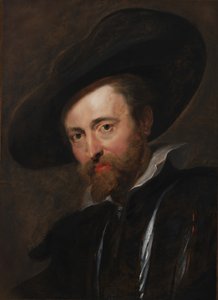
フランドル・バロックの巨匠:ピーテル・パウル・ルーベンスとその工房
フランドル・バロック特有の、溢れんばかりのダイナミズムという言葉を、ピーテル・パウル・ルーベンスという名から連想しない者はいないでしょう。しかし、彼は単なる画家ではありませんでした。外交官であり、学者であり、そしてヨーロッパ史上最も成功した芸術事業の一つを築き上げた、極めて有能な実業家でもあったのです。1577年、ヴェストファーレンのジーゲンにてヤン・ルーベンスとマリア・ピペリンクス夫妻のもとに生まれた彼の幼少期は、移住という不安定なものに彩られていました。宗教的迫害から逃れた両親がアントウェルペンへと戻ったとき、ピーテル・パウルは十歳前後でした。この街こそが、後に彼の芸術的才能が開花する揺籃の地となるのです。
ルーベンスの修行は、トビアス・フェラーハトやアダム・ファン・ノルトの工房から始まりましたが、彼を真に開花させたのはオット・ファン・フェーンの指導でした。ファン・フェーンは彼に技術的な習熟だけでなく、古典文学への深い造詣とヒューマニズムの理想を授けました。この精神的基盤は、後に彼の全作品に深く浸透していくことになります。1598年までには、ルーベンスは聖ルカ組合において独立した巨匠としての地位を確立し、その後の多作なキャリアの幕開けを告げたのです。
イタリアへの旅と様式の形成
1600年から1608年にかけて、ルーベンスは自らの芸術的変革を促すイタリアへの旅へと踏み出します。マンチュア公に仕える中で、彼はミケランジェロ、ラファエロ、ティツィアーノといったルネサンスの巨匠たちの芸術に没入し、その構図、技法、そして色彩の使い方を克明に研究しました。この経験は、彼の芸術的ヴィジョンを決定づけるものとなりました。彼はイタリア美術が持つ動き、ドラマ、解剖学的な正確さを吸収しましたが、単なる模倣に留まることはありませんでした。ルーベンスはそれらの要素を、独自のフランドル的な感性と見事に融合させたのです。その比類なきアプローチは、豊かで彩度の高い色彩、躍動感あふれる筆致、そして人間という存在の官能的な描写を際立たせることとなりました。
1608年にアントウェルペンへ帰還すると、ルーベンスはアルブレヒト大公とイザベル女公の宮廷画家として、瞬く間にその名を轟かせました。この時期は、ヨーロッパ中のパトロンを虜にした大規模な祭壇画、肖像画、歴史画が次々と生み出される、驚異的な創作活動の始まりでもありました。アントウェルペン大聖堂のために制作された『十字架につけられたキリスト』や『キリストの降架』といった傑作は、彼の構図の妙と、物語を伝える圧倒的な力を見せつけました。
工房:芸術生産の拠点
ルーベンスは、決して孤独に作業に没頭する天才ではありませんでした。彼は極めて組織化され、驚くほど効率的な工房を率いるリーダーだったのです。当時の画家が依頼に応えるために助手を頼ることは珍しいことではありませんでしたが、ルーベした工房はその規模と洗練度において際立っていました。彼は数多くの画家を雇い、それぞれに風景画、人物画、静物画、あるいは衣襞(ドレーパリー)の描写といった専門分野を持たせていたのです。
制作プロセスは通常、ルーベンスが詳細なデザイン――多くの場合、下絵や油彩による習作――を提供し、それを助手が形にしていくという流れでした。彼は作品の品質に対して厳格な統制を維持し、重要な要素については自ら仕上げを行ったり、最終的な塗装段階を監督したりすることも少なくありませんでした。この共同作業的なアプローチこそが、一貫した芸術的スタイルを保ちながら、膨大な数の依頼を完遂することを可能にしたのです。その協力の度合いは作品によって異なり、ルーベンス自身の筆のみで描かれたものもあれば、助手の多大な関与が見られるもの、あるいは彼の指揮の下、主に助手たちによって完成されたものもありました。
主題と技法:生命と官能の讃歌
ルーベンスが扱った主題は、驚くほど多岐にわたります。劇的な情熱を湛えた宗教画、寓意に満ちた神話の物語、肖像画の人物の個性や地位を捉えた作品、そして自然の美しさを称える風景画。しかし、彼の全作品を貫く共通の糸は、生命、官能、そして人間の感情への賛歌に他なりません。
その技法もまた、並外れたものでした。彼は木パネルとキャンバスの両方を巧みに支持体として使い分け、それぞれの依頼の要求に合わせて手法を適応させました。色彩の使用はまさに圧巻でした。躍動感のある筆致で施された豊かで鮮やかな色調は、画面に動きとエネルギーをもたらします。また、彼は異なるニスやグレージング(透明層を重ねる技法)を実験的に用いることで、光り輝くような効果を生み出しました。
遺産と歴史的意義
1640年、ルーベンスはアントウェルペンでその生涯を閉じましたが、彼が残した芸術的遺産は計り知れないものです。バロック絵画の発展における彼の影響は深遠であり、フランドルの枠を超えてヨーロッパ全土の芸術家たちに衝撃を与えました。彼は絵画技法に革命をもたらしただけでなく、画家という存在を、尊敬されるべき知識人であり外交官であるという高い地位へと引き上げたのです。
彼の死後も工房は繁栄を続け、数多くの模写や変奏を通じてその様式を広めていきました。今日、ルーベンスは歴史上最も偉大な画家の一人として讃えられています。構図、色彩、そして官能の巨匠として、その作品は今なお世界中の人々を魅了し、インスピレーションを与え続けています。彼の絵画は単なる場面の描写ではありません。それは生命力、情熱、そして生そのものの純粋な喜びを具現化したものなのです。
基本情報
- Artistic Movement Or Style: バロック
- Date Of Birth: 1577年6月28日
- Date Of Death: 1640年5月30日
- Full Name: ピーテル・パウル・ルーベンス
- Nationality: フランドル
- Notable Artworks:
- 十字架降架
- キリストの降架
- メルクリウスとアルゴス
- 愛の園
- Place Of Birth: ドイツ、ジーゲン
関連記事

The Dramatic Flourish: Exploring the Baroque Movement's Enduring Legacy in Art History
Explore the dramatic world of Baroque art! Discover iconic artists like Caravaggio & Rubens, defining techniques, and its lasting impact on art history. Expert insights for collectors & enthusiasts at ArtsDot.

The Visceral Stage: Exploring Dramatic Narratives & Emotional Intensity in Baroque Art
Explore the dramatic world of Baroque art! Discover iconic masters like Caravaggio & Rembrandt, their techniques, and the movement's lasting impact. Expert insights for collectors & enthusiasts at ArtsDot.
The Dramatic Flourish: Exploring Baroque Painting's Emotional Intensity & Artistic Innovations
Explore the dramatic world of Baroque painting! Discover its history, defining characteristics, iconic artists like Caravaggio & Rubens, and lasting influence on Western art. Expert insights for collectors.
The Dramatic Flourish: Exploring the Baroque Movement's Enduring Legacy in Art & Culture
Explore the dramatic world of Baroque art! Discover its history, defining characteristics, iconic artists like Caravaggio & Rubens, and lasting influence on Western culture. A comprehensive guide for art lovers.
The Golden Age Reforged: Dramatic Realism & Religious Zeal in Spanish Baroque Art
Explore the dramatic world of Spanish Baroque art! Discover masters like Zurbarán & the powerful influence of religious zeal on painting techniques – a guide for collectors and enthusiasts.

