

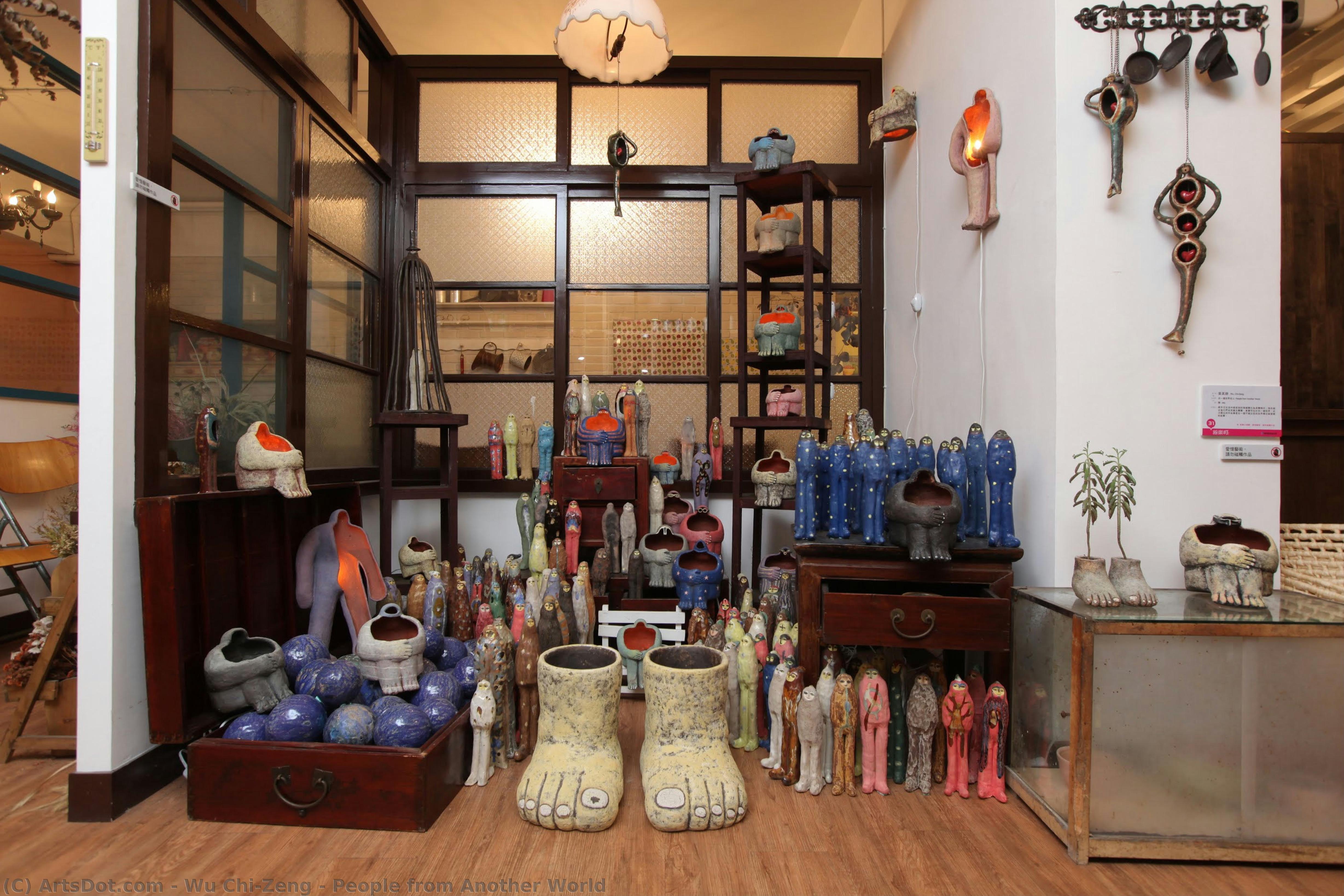
 プレビュー
プレビュー
 シェアする
シェアする シェアする
シェアする
 詳細を見る
詳細を見る

 ダウンロード
 似ている作品
 X線調査
X線調査 スライドショー
 Stats
StatsPeople from Another World

 詳細を見る
詳細を見る
ジークレー/アートプリント
迅速な制作と多彩な仕上げオプションを備えた、ミュージアムクオリティのジークレーまたはキャンバスプリント。 ( 手描きの絵画を購入 Switch to Digital Image)




































作品のオリジナル比率に合わせた、当店の規定サイズからお選びください。

特定のフレームやスペースに合わせて、ご自身でサイズを指定することも可能です。選択されたサイズが元の画像の比率と一致しない場合、作品をトリミングするか、鏡面反射または単色での塗りつぶしによって画像を拡張いたします。制作を開始する前に、ご確認用のデジタルモックアップをお送りいたします。
画面上のプレビューには、実際のトリミングや拡張は反映されませんのでご注意ください。最終的な構図を正確に確認できるのは、モックアップのみとなります。
カスタムサイズも承っておりますが、元の比率を維持するためには、あらかじめ用意されたリストからサイズを選択することをお勧めいたします。


 ガラスオプションは、110cm未満のサイズでのみご利用いただけます。

People from Another World
ジークレー/アートプリント
複製画のサイズ
-


合計金額
$ 62
関連作品









アーティストの略歴
The Empress of Art and Ambition
In the grand, sweeping tapestry of Chinese history, few figures loom as large or as controversially as Wu Zetian. Known to many as Wu Zhao, she was a woman who did not merely inhabit the halls of power but fundamentally reshured them, ascending to become the only female emperor in the long lineage of the Middle Kingdom. Her life, beginning around 624 CE in Liuzhou, Guangxi Province, was a masterclass in political navigation and intellectual brilliance. While her early years were spent within the structured confines of the imperial court—initially as a concubine to Emperor Taizong—her spirit was far too expansive for the traditional roles prescribed to women of the Tang Dynasty. Through sheer force of will and strategic genius, she transitioned from a figure of the shadows to the architect of her own Zhou Dynasty, challenging the very foundations of patriarchal governance.
The essence of Wu Zetian’s legacy lies not only in her political maneuvers but in her profound patronage of the arts. She understood that true imperial authority is cemented through culture and the visual language of grandeur. During her reign, the Tang Dynasty experienced a flowering of creativity that elevated Chinese aesthetics to unprecedented heights. She was a fervent supporter of literature, philosophy, and monumental sculpture, viewing these mediums as essential tools for legitimizing her rule and projecting an image of cosmic harmony. Her influence encouraged a style characterized by opulence, scale, and a certain breathtaking confidence, much like the political landscape she commanded.
A Legacy Written in Ink and Stone
To study the art associated with her era is to witness a dialogue between power and beauty. One of the most evocative examples of this period is the celebrated painting “People from Another World,” a work that embodies the themes of imperial authority and the vast, interconnected reach of her influence. This type of artistry served a dual purpose: it documented the prosperity of her reign while simultaneously creating a mythic atmosphere of splendor that transcended the earthly realm. The techniques employed during this golden age—meticulous brushwork, vibrant pigments, and a deep sense of symbolic narrative—reflected a society at its zenith, bolstered by the administrative reforms and economic stability she worked tirelessly to maintain.
Her artistic contributions were deeply intertwined with her religious and philosophical leanings. By fostering Buddhism and integrating it into the state's cultural fabric, she inspired works that blended the divine with the imperial. The monumental sculptures commissioned during her era were not merely decorations; they were profound statements of faith and permanence. Through these medium, Wu Zetian ensured that even as dynasties rose and fell, her presence would remain etched in the landscape of Chinese civilization. Her ability to weave together the political necessity of reform with the cultural necessity of artistic expression remains one of her most enduring achievements.
Historical Significance and Enduring Shadow
The historical memory of Wu Zetian is a complex mosaic of vilification and veneration. For centuries, traditional historians—often writing from a Confucian perspective that viewed female rule as an affront to the natural order—depicted her as a ruthless and unscrupulous tyrant. They sought to diminish her achievements by focusing on her perceived cruelty. Yet, modern perspectives have begun to peel back these layers of bias, revealing a ruler who was remarkably gifted in administration, defense, and economic management. She navigated turbulent rebellions and succession crises with a steady hand, ensuring the empire remained prosperous even amidst political upheaval.
Today, we look back at her era as a pivotal moment of transformation. Her life serves as a testament to the power of intellect and the impact of cultural patronage on the trajectory of a civilization. The art born from her reign continues to captivate the modern imagination, offering a window into a world where beauty was used as a weapon of legitimacy and where a single woman dared to rewrite the destiny of an empire. Her story is not just one of political conquest, but of a profound cultural awakening that left an indelible mark on the soul of China.

wu chi-zeng
China
基本情報
- Artistic Movement Or Style: Tang Dynasty Art
- Date Of Birth: February 17, 624
- Full Name: Wu Zetian 武則天
- Nationality: Chinese
- Notable Artworks: ['Empress Wu Zetian']
- Place Of Birth: Lizhou, China