

 プレビュー
プレビュー
 プリントを購入
 シェアする
シェアする シェアする
シェアする
 詳細を見る
詳細を見る

 ダウンロード
 似ている作品
 X線調査
X線調査 スライドショー
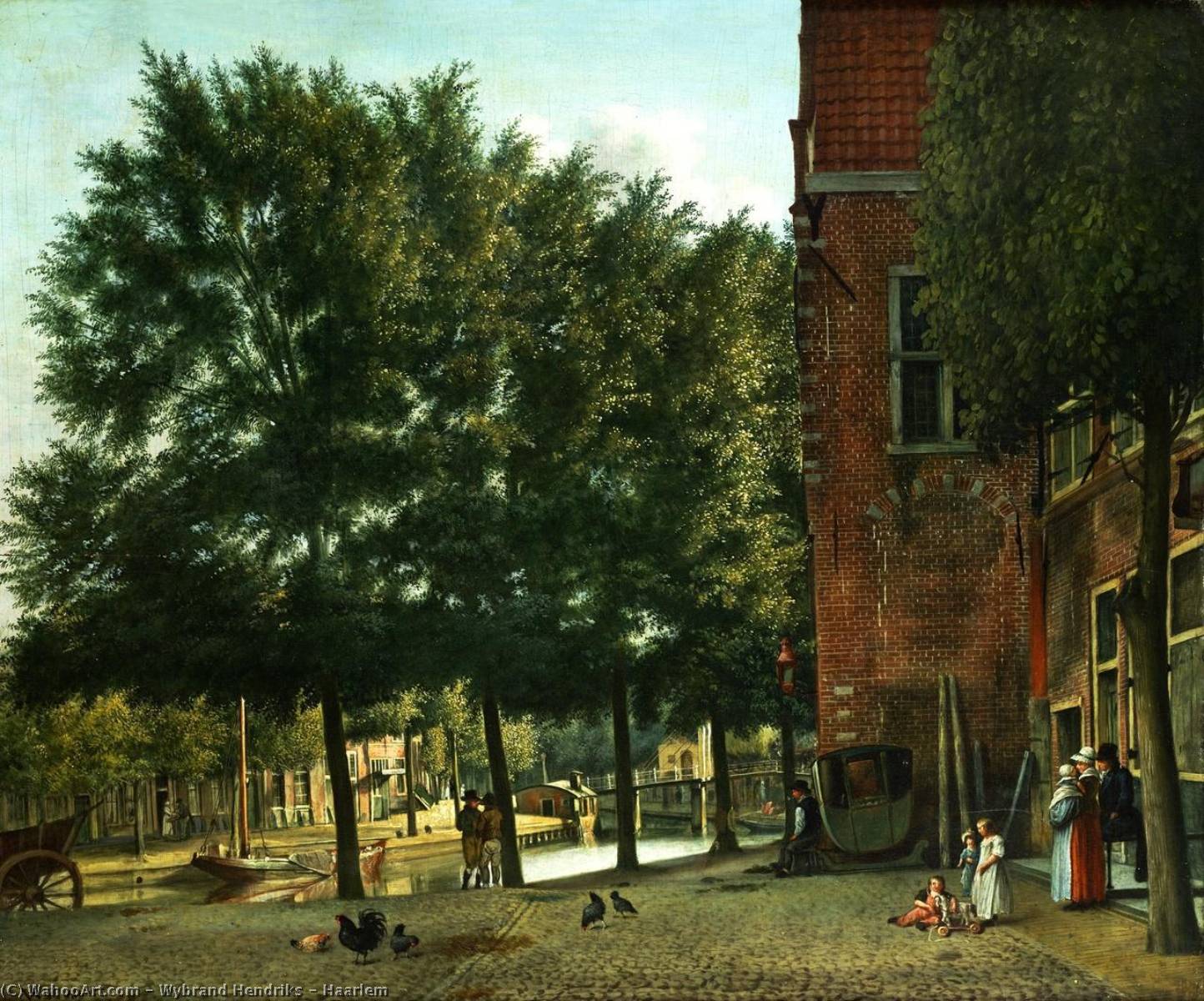
Haarlem

 詳細を見る
詳細を見る




































作品のオリジナル比率に合わせた、当店の規定サイズからお選びください。

特定のフレームやスペースに合わせて、ご希望のサイズをご入力いただけます。選択されたサイズが元の画像の比率と異なる場合、アートワークをトリミングするか、手描きで要素を追加して絵画を拡張いたします。デジタルモックアップ を制作し、制作開始前にご確認(承認)をいただきます。
画面上のプレビューは、実際のトリミングや拡張を正確に反映しているものではありません。最終的な構図は、モックアップによってのみ正確にご確認いただけます。
カスタムサイズもご利用いただけますが、元の比率を維持するためには、あらかじめ用意されたリストからサイズを選択することをお勧めいたします。
ご注文後、ArtsDot.com チームより詳細な指示をお送りするとともに、仕上がりイメージ(モックアップ)をご提供いたします。


 ガラスオプションは、110cm未満のサイズでのみご利用いただけます。

Haarlem
複製技法
複製画のサイズ
-


合計金額
$ 263
Artistic Style and Influences
Wybrand Hendriks was a Dutch painter who was known for his portraiture and cityscapes. His style is characterized by attention to detail and a sense of realism. The Haarlem painting is no exception, with its intricate depiction of the city's architecture and the people who inhabit it. Hendriks' work was influenced by other Dutch Masters, such as Hendrick Goltzius, who was known for his engravings and paintings.Museum and Collection
The Haarlem painting is part of the collection at the Teylers Museum in Haarlem, Netherlands. This museum is one of the oldest in the Netherlands and features a wide range of art and artifacts, including paintings, sculptures, and prints. The Teylers Museum is also home to works by other notable artists, such as Michelangelo Buonarroti and Leendert Overbeek.- View more paintings by Wybrand Hendriks on ArtsDot.com
- Learn more about the Teylers Museum and its collection on ArtsDot.com
- Read more about Wybrand Hendriks on Wikipedia
The Haarlem painting by Wybrand Hendriks is a must-see for anyone interested in Dutch art and history. Its captivating cityscape and intricate details make it a standout piece in the collection at the Teylers Museum.
関連作品









アーティストの略歴
A Life Dedicated to Art and Preservation: Wybrand Hendriks
Wybrand Hendriks, born in 1744, was a Dutch artist whose life unfolded as a fascinating intersection of artistic creation and dedicated stewardship of cultural heritage. While perhaps not a household name like some of his contemporaries, Hendriks carved a unique niche for himself through his sensitive portraiture, evocative landscapes, and, crucially, his long tenure as curator of the esteemed Teylers Museum in Haarlem. His story is one of quiet dedication, bridging the gap between the traditions of 18th-century Dutch painting and the burgeoning museum culture of the late Enlightenment and early 19th century. Hendriks’s artistic journey began within a family deeply rooted in sculpture; both his brothers, Hendrik Jr. and Frans, followed their father's path, as did his sister Cornelia through marriage to sculptor Rijk Rijke. However, Wybrand chose the medium of paint, initially honing his skills while employed at the decorative wallpaper factory of Johannes Remmers in Amsterdam. This early experience likely instilled in him a keen eye for detail and an understanding of color and pattern—qualities that would become hallmarks of his work.From Wallpaper to Portraiture: Early Artistic Development
In 1772, Hendriks took a decisive step towards independence by purchasing a wallpaper company from Anthony Palthe, son of Gerhard Jan Palthe. This venture proved pivotal not only financially but also personally. In 1775, he married Palthe’s widow, Agatha Ketel, whom he immortalized in a poignant mourning portrait in 1773—a work that reveals his burgeoning talent for capturing psychological depth and emotional nuance. A later painting of Agatha seated across from him at a table (likely within the Fundatiehuis) further demonstrates his intimate connection with his subject matter and his ability to convey a sense of quiet domesticity. This period also saw Hendriks embark on a formative trip to England and Belgium, undoubtedly exposing him to diverse artistic styles and broadening his perspective. He served a five-year term as one of the directors of the Haarlemse Tekenacademie (Haarlem Drawing Academy) in the 1780s, indicating his growing involvement within the local art community and his commitment to fostering artistic education.The Curator’s Eye: Teylers Museum and a Legacy of Collection Building
Hendriks's most enduring contribution came with his appointment as concierge ("kastelein") of Teylers Stichting in Haarlem in 1785, a position he held until 1819. Living at the "Fundatiehuis," he became curator of the museum’s burgeoning art collection—a role that transformed him from artist to guardian of artistic treasures. He succeeded Vincent Jansz van der Vinne, who had left due to disagreements with Martin van Marum, the head of the fossil and instrument collections. Hendriks meticulously maintained and restored the existing pieces while actively expanding the collection through participation in auctions throughout the Netherlands. His dedication was instrumental in securing one of Teylers Museum’s most prized acquisitions: the Odescalchi Collection of 1700 Italian drawings, purchased from the estate of Queen Christina of Sweden in 1790 with support from the Vereniging Rembrandt. This collection, featuring masterpieces by Michelangelo and Raphael, remains a cornerstone of the museum's holdings today.A Subtle Influence: Style and Historical Significance
Hendriks’s own artistic style is characterized by a serene realism and a delicate attention to detail. His portraits are not grand displays of wealth or power but rather intimate studies of character—capturing the inner lives of his sitters with sensitivity and grace. His landscapes, while less numerous, often depict tranquil scenes imbued with a sense of atmospheric perspective and subtle light effects. While he didn’t pioneer radical new techniques, Hendriks possessed a refined skill in capturing likenesses and conveying mood. His historical significance lies not so much in groundbreaking innovation but in his role as a bridge between artistic practice and the preservation of cultural heritage. He embodied the values of the Enlightenment—a commitment to reason, observation, and the importance of collecting and disseminating knowledge. Through his work at Teylers Museum, he helped establish a model for public art institutions that continues to shape our understanding of art history today. He was a quiet force in the Dutch art world, leaving behind a legacy not only through his paintings but also through the invaluable collection he nurtured.- Sensitive portraiture and evocative landscapes
- Long tenure as curator of Teylers Museum
- Acquisition of the Odescalchi Collection
- Bridging artistic practice with cultural preservation
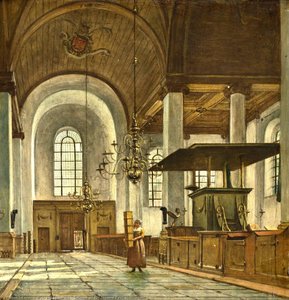
wybrand hendriks
1744 - 1831
基本情報
- Artistic Movement Or Style: Portrait, Landscape
- Date Of Birth: 1744
- Date Of Death: 1831
- Full Name: Wybrand Hendriks
- Nationality: Dutch
- Notable Artworks:
- Agatha Ketel in mourning
- Agatha Ketel at a table

