

 プレビュー
プレビュー
 シェアする
シェアする シェアする
シェアする
 詳細を見る
詳細を見る

 ダウンロード
 似ている作品
 X線調査
X線調査 スライドショー
 Stats
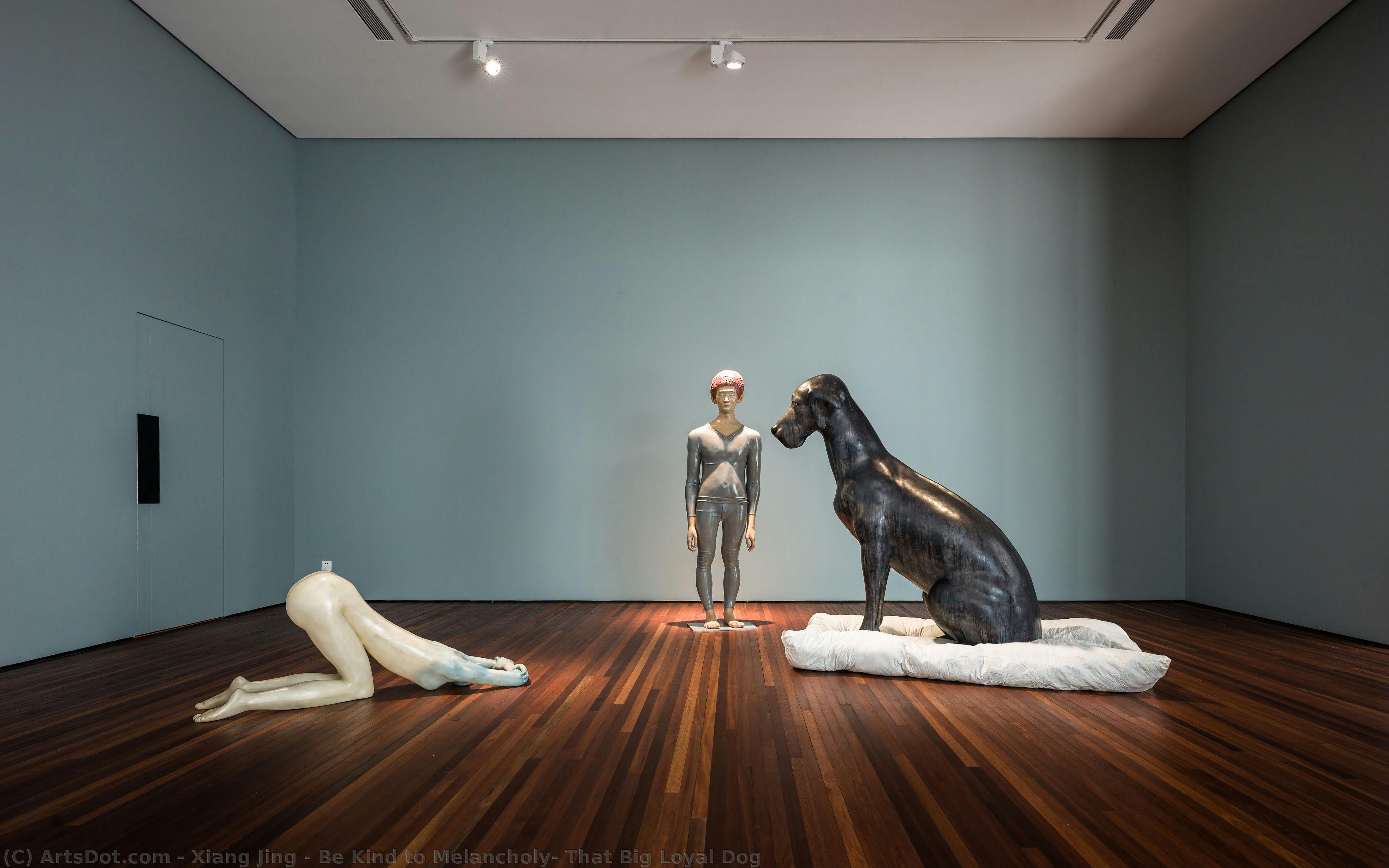
StatsBe Kind to Melancholy, That Big Loyal Dog
 2016
2016 60.0 x 140.0 cm
 Song Art Museum
 詳細を見る
詳細を見る
オンラインプレビューをはるかに凌ぐ、高解像度で鮮明なデジタル画像をご購入いただけます。
各ファイルは、社内の専門家が高度なツールと熟練した手作業によるレタッチを用いて、細心の注意を払って準備されています。すべての画像において、卓越した鮮明度、正確な色彩再現性、そして繊細なディテールを保証いたします。
最終ファイルは、プロフェッショナルな編集・印刷環境ですぐにご利用いただけるよう最適化された状態で、72時間以内にメールにてお届けいたします。これは、一流のデザインスタジオ、出版社、ギャラリーから信頼されているものと同等の品質です。
デジタルアート
個人での鑑賞、印刷、クリエイティブなプロジェクト用に、高解像度ファイルをダウンロードできます。 ( Switch to Print 手描きの絵画を購入)
デジタル画像のご注文に付随する特典
高品質なデジタル画像配信を、確かな品質で。
ArtsDot.com を選ぶことは、単に画像を手に入れることではありません。それは、プロの手によって精密に仕上げられ、満足保証が付いた高品質なデジタルアートワークを受け取ることを意味します。ご注文いただいた際に自動的に付随する内容は、以下の通りです:

メールですぐにお届け
ご注文から72時間以内に、高解像度のデジタル画像ファイルがメールでお手元に届きます。すぐにそのままご利用いただけます。

AI技術で最適化されたデジタルファイル
お客様の作品は、高度なAIツールと専門家による手作業の編集を組み合わせてプロフェッショナルに最適化されており、細部のディテール、鮮明さ、そして正確な色再現性を最大限に引き出しています。

一生涯無料の再送サービス
ファイルを誤って削除したり、紛失してしまったりしましたか?ご安心ください。いつでも無料で再送いたします。

輸入手数料は一切かかりません
関税や手数料、配送料を気にすることなく、お気に入りのアートワークをすぐにお楽しみいただけます。デジタルダウンロードは常に免税です。

色彩再現の保証
プロ仕様のツールとカラーマネジメント技術を用いることで、デジタル画像が元の色を最大限に忠実に再現することを保証いたします。

100日間満足保証
ご購入いただいたデジタル画像にご満足いただけない場合は、100日以内であれば、理由を問わず修正または100%の返金対応をさせていただきます。

100% 返金保証
ご満足いただけない場合は、デジタルファイルを受け取ってから100日以内であれば、理由を問わず全額返金いたします。

まとめ買い割引
3枚購入で10%OFF - 5枚購入で15%OFF - 10枚以上購入で20%OFF。クリエイティブなプロジェクト、ギャラリー、エージェンシーに最適です。
関連作品








作家の略歴
Early Life and Artistic Foundations
Born in Beijing in 1968, Xiang Jing emerged as a significant voice within the evolving landscape of contemporary Chinese sculpture. Her formative years coincided with a period of profound social and political change in China, subtly shaping her artistic perspective. Graduating from the faculty of sculpture at the Central Academy of Fine Arts in 1995, she received rigorous training in traditional sculpting techniques—a foundation that would later be powerfully subverted and re-imagined within her unique practice. While initially immersed in conventional methods, Xiang Jing quickly began to question established norms, seeking a means of expression that resonated with the complexities of modern life and the evolving role of women in Chinese society.
The Rise of Satirical Figurative Sculpture
Xiang Jing’s work is immediately recognizable for its strikingly introspective and often provocative female figures. She doesn't shy away from confronting difficult themes—identity, societal pressures, and the internal struggles of contemporary womanhood are central to her oeuvre. Her sculptures aren’t merely representations of the human form; they are vessels of emotion, capturing a sense of vulnerability, insecurity, and quiet rebellion. What sets Xiang Jing apart is her masterful use of satire. Her figures often engage in seemingly mundane activities—clubbing, shopping, or simply existing in contemplative solitude—but beneath the surface lies a sharp critique of consumer culture, gender roles, and the pressures to conform. This satirical edge isn’t about overt condemnation; rather, it's an invitation for viewers to question their own assumptions and biases.
Materiality and Technique: A Deliberate Choice
While many contemporary sculptors embrace synthetic materials and cutting-edge technologies, Xiang Jing remains deeply committed to traditional sculpting methods. She primarily works with fiberglass, meticulously hand-painting each sculpture in multiple layers to achieve a remarkable level of detail and realism. This deliberate choice isn’t accidental. The labor-intensive process reflects her dedication to the physicality of artmaking and allows for a nuanced exploration of form and texture. The use of props—such as cigarettes—adds another layer of symbolism, hinting at anxieties, desires, and the complexities of modern life. She rarely employs synthetic materials, preferring instead to build up layers of meaning through careful craftsmanship and attention to detail.
Themes and Influences: From Personal to Political
Xiang Jing’s artistic journey has been characterized by a consistent exploration of identity—particularly female identity—and the relationship between the individual and society. Her early series, such as *Mirror Image* (1999-2002) and *Keep in Silence* (2003-2005), laid the groundwork for her later, more ambitious works. She often describes her approach as “first-person narration,” drawing on personal experiences and observations to create sculptures that resonate with universal themes of longing, isolation, and self-discovery. While she resists easy categorization as a "feminist" artist, her work undeniably engages with feminist concerns—challenging traditional representations of women and giving voice to their inner lives. Her influences are diverse, ranging from classical sculpture to contemporary social commentary, but ultimately, her vision is uniquely her own.
Historical Significance and Legacy
Xiang Jing’s sculptures have garnered international acclaim, exhibited widely in China and beyond. Her work has been instrumental in shaping the discourse around contemporary Chinese art, particularly regarding the representation of women and the complexities of post-feminist thought. She is often discussed alongside other prominent Chinese artists who emerged in the 1990s and early 2000s, challenging conventional artistic boundaries and pushing the limits of creative expression. Her legacy lies not only in her striking sculptures but also in her ability to provoke dialogue—to encourage viewers to confront uncomfortable truths about themselves and the world around them. Xiang Jing’s art is a testament to the power of satire, introspection, and the enduring human need for self-expression.
xiang jing
1968 - , China
プロフィール概要
- Artistic Movement Or Style: Satirical Sculpture
- Artists Or Movements Influenced By This Artist: ['']
- Artists Who Influenced This Artist: ['']
- Date Of Birth: 1968
- Full Name: Xiang Jing
- Nationality: Chinese
- Notable Artworks:
- Right Hand
- Otherworld - Over Yonder
- Place Of Birth: Beijing, China