

 プレビュー
プレビュー
 シェアする
シェアする シェアする
シェアする
 詳細を見る
詳細を見る

 ダウンロード
 似ている作品
 X線調査
X線調査 スライドショー
 統計情報
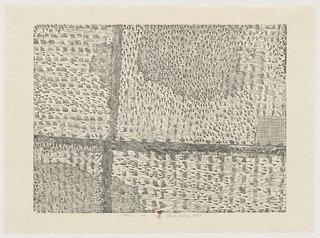
統計情報Field from Series of Repetitions
 1987
1987 67.0 x 91.0 cm
 詳細を見る
詳細を見る
手描き油彩複製画
当社のアーティストが、お客様のご希望のサイズと額縁に合わせて、キャンバスに手描きで制作する油彩画です。 ( プリント版に切り替え デジタル画像販売へ切り替え)




































作品のオリジナル比率に合わせた、当店の規定サイズからお選びください。

特定のフレームやスペースに合わせて、ご希望のサイズをご入力いただけます。選択されたサイズが元の画像の比率と異なる場合、アートワークをトリミングするか、手描きで要素を追加して絵画を拡張いたします。デジタルモックアップ を制作し、制作開始前にご確認(承認)をいただきます。
画面上のプレビューは、実際のトリミングや拡張を正確に反映しているものではありません。最終的な構図は、モックアップによってのみ正確にご確認いただけます。
カスタムサイズもご利用いただけますが、元の比率を維持するためには、あらかじめ用意されたリストからサイズを選択することをお勧めいたします。
ご注文後、ArtsDot.com チームより詳細な指示をお送りするとともに、仕上がりイメージ(モックアップ)をご提供いたします。


 ガラスオプションは、110cm未満のサイズでのみご利用いただけます。

Field from Series of Repetitions
複製技法
複製画のサイズ
-


合計金額
$ 263
関連作品









アーティストの略歴
A Disruptor of Language: The Life and Art of Xu Bing
Xu Bing, born in Chongqing, China, in 1955, is a name synonymous with innovation and intellectual rigor within the landscape of contemporary art. His journey, deeply intertwined with the tumultuous socio-political climate of 20th and 21st century China, has led him to become one of the most internationally recognized artists emerging from the country. Growing up in Beijing as the son of a professor at Peking University, Xu’s early life was marked by both intellectual stimulation and the upheaval of the Cultural Revolution. This period, where he was sent to the countryside for re-education between 1975 and 1977, proved formative, instilling within him a profound awareness of language as a tool of power and control—a theme that would become central to his artistic practice. Returning to Beijing, Xu formally began his artistic training at the Central Academy of Fine Arts (CAFA) in 1977, focusing on printmaking and drawing, eventually earning his Master’s degree in 1987. This foundational education provided him with the technical mastery he would later subvert and reimagine in groundbreaking ways.Deconstructing Communication: Key Works and Artistic Development
Xu Bing's early work demonstrated a proficiency within the established Socialist Realism style, but it was his departure from this tradition that truly signaled his artistic arrival. Pieces like “Shattered Jade” (1977) and “Bustling Village on the Water” (1980-81), while technically accomplished, served as stepping stones toward a more conceptually driven practice. The pivotal moment came with Book from the Sky (1987-1991). This monumental installation—comprising thousands of meticulously carved woodblocks and printed scrolls filled with invented Chinese characters—immediately catapulted Xu to international acclaim. It wasn’t about deciphering a message, but confronting the very notion of meaning itself. The sheer scale and painstaking execution demanded respect, while the illegibility provoked questions about cultural understanding, linguistic authority, and the illusion of knowledge. This exploration of language continued with Ghosts Pounding the Wall (1990), another installation that delved into the complexities of communication and perception. He didn’t stop there; Square Word Calligraphy (1994-ongoing) further blurred boundaries by reconfiguring English words to visually resemble Chinese characters, creating a fascinating visual dialogue between two distinct linguistic systems. Later works like Background Story (2004-ongoing), utilizing found materials to mimic traditional Song Dynasty landscapes, and Where Does the Dust Collect Itself? (2004)—created from dust collected after 9/11—demonstrate a continued engagement with themes of memory, authenticity, and cultural representation.Influences and Philosophical Underpinnings
Xu Bing’s artistic vision is a complex synthesis of personal experience, cultural heritage, and intellectual inquiry. The shadow of the Cultural Revolution looms large over his work, shaping his critical perspective on language's potential for both liberation and oppression. He draws deeply from Chinese calligraphy and printmaking traditions—not to replicate them, but to deconstruct and reimagine their possibilities. His understanding of these historical techniques is evident in the meticulous craftsmanship that characterizes even his most conceptually challenging pieces. Simultaneously, Xu’s work resonates with Western Conceptual Art movements, prioritizing ideas over traditional aesthetic concerns. Philosophically, he engages with questions surrounding perception, cultural identity, and the constructed nature of reality. He challenges viewers to question their assumptions about language, culture, and communication, exposing the inherent limitations of human understanding. At its core, Xu Bing’s art is an invitation to critically examine the systems we use to make sense of the world around us.Recognition and Lasting Legacy
Xu Bing's contributions to contemporary art have been widely recognized through numerous prestigious awards and exhibitions. He was honored with a MacArthur Fellowship in 1999, acknowledging his originality and significant contribution to the field. Further accolades include the Fukuoka Prize (2003) and the Artes Mundi Prize (2004), specifically for Where Does the Dust Collect Itself?. In 2015, he received the U.S. Department of State Medal of Arts, cementing his international stature. His work has been showcased in solo exhibitions at major museums worldwide, including the Museum of Modern Art, the Venice Biennale, and the British Museum. From 2008 to 2014, Xu Bing served as Vice President of the Central Academy of Fine Arts in Beijing, further solidifying his position as a leading figure in Chinese art education. He is considered a pioneer of contemporary Chinese art, bridging Eastern and Western artistic traditions through his unique approach to language and visual representation. His work continues to inspire artists and scholars alike, offering a powerful commentary on the role of language in shaping our perceptions and understanding of the world—a legacy that ensures his place as one of the most important artists of our time.A Cultural Bridge
Xu Bing’s impact extends beyond the realm of fine art; he functions as a vital cultural bridge, fostering dialogue between East and West. His work doesn't simply present Chinese culture to a Western audience or vice versa—it actively deconstructs the very notion of “culture” itself, revealing its constructed nature and inherent biases. By challenging conventional understandings of language and communication, Xu encourages viewers from all backgrounds to question their own assumptions and engage in critical self-reflection. He demonstrates that meaning is not inherent in words or images but is created through interpretation and context. This nuanced approach has resonated globally, making his art universally accessible while remaining deeply rooted in his personal experiences and cultural heritage. Xu Bing’s enduring contribution lies not only in his innovative artistic techniques but also in his ability to provoke thought, challenge perceptions, and ultimately, foster a deeper understanding of our shared human experience.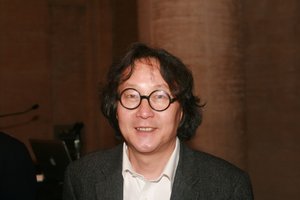
Xu Bing
1955 - , China
基本情報
- Artistic Movement Or Style: Conceptual Art, Printmaking
- Artists Or Movements Influenced By This Artist:
- Contemporary Chinese art
- Conceptual art practices
- Artists Who Influenced This Artist:
- Chinese calligraphy tradition
- Western Conceptual Art
- Date Of Birth: 1955
- Full Name: Xu Bing
- Nationality: Chinese
- Notable Artworks:
- Book from the Sky
- Ghosts Pounding the Wall
- Square Word Calligraphy
- Background Story
- Place Of Birth: Chongqing, China