

 プレビュー
プレビュー
 シェアする
シェアする シェアする
シェアする
 詳細を見る
詳細を見る

 ダウンロード
 似ている作品
 X線調査
X線調査 スライドショー
 Stats
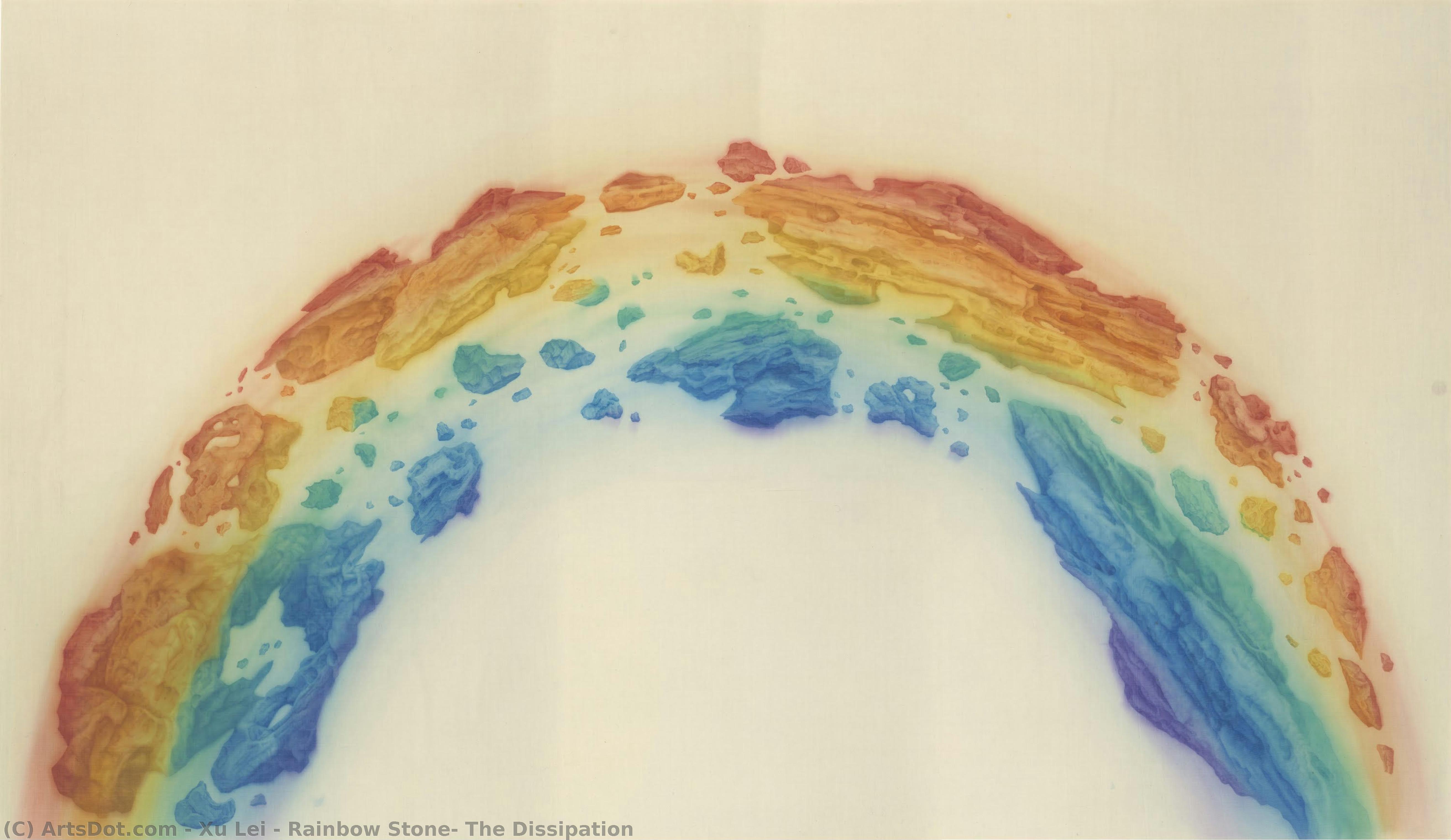
StatsRainbow Stone: The Dissipation
 Painting
- Contemporary Realism
 2015
2015- Contemporary
 153.0 x 266.0 cm
 Song Art Museum
 詳細を見る
詳細を見る
手描き油彩複製画
当社のアーティストが、お客様のご希望のサイズと額縁に合わせて、キャンバスに手描きで制作する油彩画です。 ( Switch to Print Switch to Digital Image)




P118B $10

P118H $10

P118W $10

P438Z $10

P508JH $12

P508YH $12

P805H $10

P805Z $10

P919BZ $10

P919G $10

P919XJ $10

P959ZH $10

P968JZ $12

W106C $8

W218G $10

W218JH $8

W218Y $10

W307PJ $10

W316G $10

W316PJ $8

W316Y $10

W398PJ $8

W4111J $10

W500HY $15

W500JH $15

W692G $12

W849H $8

W940BG $15

W953PJ $8




作品のオリジナル比率に合わせた、当店の規定サイズからお選びください。

特定のフレームやスペースに合わせて、ご希望のサイズをご入力いただけます。選択されたサイズが元の画像の比率と異なる場合、アートワークをトリミングするか、手描きで要素を追加して絵画を拡張いたします。デジタルモックアップ を制作し、制作開始前にご確認(承認)をいただきます。
画面上のプレビューは、実際のトリミングや拡張を正確に反映しているものではありません。最終的な構図は、モックアップによってのみ正確にご確認いただけます。
カスタムサイズもご利用いただけますが、元の比率を維持するためには、あらかじめ用意されたリストからサイズを選択することをお勧めいたします。
ご注文後、ArtsDot.com チームより詳細な指示をお送りするとともに、仕上がりイメージ(モックアップ)をご提供いたします。


 ガラスオプションは、110cm未満のサイズでのみご利用いただけます。

Rainbow Stone: The Dissipation
複製技法
複製画のサイズ
-


合計金額
$ 263
A Symphony of Color and Form
In the breathtaking masterpiece "Rainbow Stone: The Dissipation," the contemporary Chinese master Xu Lei invites viewers into a realm where the boundaries between reality and dreamscape dissolve. At first glance, the eye is captivated by a monumental stone that seems to pulse with an internal light, its surface not of cold granite, but of a prismatic spectrum. This central figure acts as a prism for the soul, refracting a brilliant array of reds, oranges, yellows, greens, blues, and purples across the vast 153 x 266 cm canvas. The painting is a profound exploration of fragmentation and unity, where a single, solid object appears to be composed of countless vibrant shards, suggesting that even the most seemingly permanent structures in our lives are subject to the beautiful flux of change.
The technique employed by Xu Lei is nothing short of miraculous, bridging the ancient precision of Gongbi painting with a modern, almost surrealist sensibility. Each stroke is executed with meticulous care, a hallmark of his training that allows for an incredible level of detail within the stone's mosaic-like structure. This painstaking approach creates a tactile illusion; one can almost feel the weight of the stone and the ethereal lightness of the dispersing colors. By blending the disciplined brushwork of classical Chinese traditions with the expressive, emotive color palettes reminiscent of Impressionism, Xu Lei achieves a texture that is both hyper-realistic and hauntingly atmospheric.
Symbolism and the Poetics of Change
Beyond its visual splendor, "Rainbow Stone: The Dissipation" serves as a profound meditation on the nature of existence. The title itself hints at a process of vanishing or spreading outward, suggesting that beauty is often found in the moment of transition. The stone, traditionally a symbol of stability and endurance, is here reimagined as something fluid and ephemeral. This juxtaposition creates a powerful emotional resonance for the observer, evoking feelings of wonder, nostalgia, and a deep connection to the natural cycles of life. It captures that fleeting instant when light hits a surface just right, turning the mundane into the magnificent.
For the discerning collector or interior designer, this artwork offers more than mere decoration; it provides a focal point of intellectual and emotional depth. The sheer scale of the piece allows it to command a room, acting as a window into another dimension. Whether placed in a contemporary gallery setting or a sophisticated residential lounge, the painting’s vibrant palette can breathe life into neutral spaces, while its complex narrative invites long periods of contemplation. Owning a reproduction of such a significant work from the Song Art Museum collection means bringing a piece of modern Chinese heritage into one's personal sanctuary—a testament to the enduring power of art to transform our perception of the world.
関連作品

アーティストの略歴
The Weaver of Dreams and Ink
In the vast landscape of contemporary Chinese art, few figures command as much multidisciplinary reverence as Xu Lei. Born in 1963 in Nantong, within the Jiangsu province, Xu Lei has cultivated a creative identity that exists at the intersection of meticulous tradition and avant-garde imagination. His artistic journey is not merely a progression of technique, but a profound dialogue between the ancient echoes of the Song and Ming dynasties and the surrealist whispers of the modern subconscious. Through his mastery of Gongbi painting—a style defined by its painstaking precision and fine brushwork—he breathes life into compositions that feel simultaneously grounded in historical reality and suspended in a dreamlike ether.
The foundations of Xu Lei’s visual language were laid during his formative studies at the Nanjing Academy of Fine Arts. It was here that he immersed himself in the rigorous discipline of ink painting, learning to command the subtle tonal variations that allow black ink to suggest infinite depth and atmosphere. However, Xu Lei refused to remain a prisoner of the past. During the transformative 1980s, he actively engaged with various avant-garde movements, absorbing the expressive energies of Western Impressionism and Expressionism. This synthesis allowed him to develop a style often described as poetic realism—a method where the cosmic scale of a landscape meets the intimate, delicate detail of a single petal or stone.
A Dual Legacy: Literature and Visual Poetics
To understand Xu Lei is to recognize the profound symbiosis between his literary and visual pursuits. Beyond the canvas, he has achieved international literary fame as the creator of the Daomu Biji series. Writing under the pen name Nan Pai San Shu, his novels have captivated global audiences with narratives that blend mystery, history, and folklore. This literary prowess informs his painting; his canvases often function as visual chapters of an unwritten epic, where every element—from a drifting butterfly to a weathered rock formation—carently carries the weight of a larger, unfolding myth.
His paintings are characterized by a breathtaking attention to detail that demands slow, meditative viewing. In works such as “Rainbow Stone” and “Chronicle of Butterflies,” one observes a masterful use of texture and light that transcends the traditional boundaries of ink on paper. His ability to evoke the ephemeral—the way light hits a surface or the sense of a landscape dissolving into mist—creates an emotional resonance that is both haunting and serene. This duality of his talent ensures that whether he is wielding a pen or a brush, his primary objective remains the same: to capture the profound beauty found in the delicate balance between the tangible world and the realm of dreams.
Artistic Significance and Enduring Vision
The historical significance of Xu Lei lies in his ability to bridge cultural divides. By integrating the meticulous Gongbi technique with modern, surrealist sensibilities, he has helped redefine what contemporary Chinese ink painting can achieve in a globalized art market. His work does not merely replicate tradition; it revitalizes it, making ancient aesthetics accessible and relevant to a modern audience hungry for depth and mystery.
As his body of work continues to grow, Xu Lei remains a vital figure in the evolution of fine art, leaving behind a legacy defined by:
- Technical Mastery: The seamless blending of classical Chinese precision with Western expressive depth.
- Narrative Depth: A unique ability to infuse landscapes with the storytelling power of his literary background.
- Cultural Synthesis: The successful marriage of historical Song and Ming period aesthetics with contemporary surrealism.
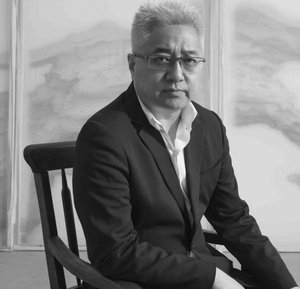
Xu Lei
1955 - , China
基本情報
- Artistic Movement Or Style: Impressionism & Expressionism; Gongbi painting
- Artists Or Movements Influenced By This Artist: ['Xu Lei Style']
- Artists Who Influenced This Artist: ['Yang Yuhua']
- Date Of Birth: 1955
- Full Name: Xu Lei
- Nationality: Chinese
- Notable Artworks:
- Rainbow Stone: The Formation
- Rainbow Stone: The Dissipation
- Chronicle of Butterflies
- Place Of Birth: Nanjing, China
関連記事
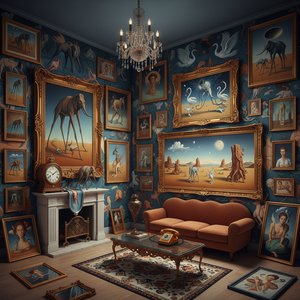
サルバドール・ダリ傑作25選:夢と深層心理を探求する美術の世界 | ArtsDot
サルバドール・ダリの傑作25選。夢、深層心理、シュルレアリスムの世界を旅する美術史ツアー🎨 ArtsDotで高品質な版画や絵画をお楽しみください。リビングやオフィスに名画を飾りませんか?今すぐコレクションをご覧ください!
The Ethereal Realm on Canvas: Exploring Dreamlike Qualities in Art History & Contemporary Practice
Explore the captivating world of surrealism & dreamlike art! Discover key artists like Dalí & Magritte, symbolism's history, and how color evokes emotion. Find high-quality reproductions at ArtsDot.
至高の芸術:シュルレアリスムを象徴する10選 – 夢と現実の境界線を超える
夢と現実が交差する、シュルレアリスムの10大傑作の世界へ。ダリ、マグリットなど巨匠たちの作品を深く探求し、アートの新たな次元を発見してください。ArtsDot.comで、至高の芸術をあなたの空間に取り入れましょう。
Lithography: A Historical Survey of Technique, Artistic Expression & Enduring Legacy
Explore the rich history of lithography – from Senefelder’s invention to its impact on fine art & commercial printing. Discover key artists, techniques, and collecting insights at ArtsDot.
Stone & Canvas: 10 Masterpieces of Timeless Art |
Explore 10 iconic paintings dominated by 'stone' tones – from Caravaggio’s drama to Rembrandt’s depth. Discover art history, techniques & find museum-quality reproductions for your home at .