

 プレビュー
プレビュー
 シェアする
シェアする シェアする
シェアする
 詳細を見る
詳細を見る

 ダウンロード
 似ている作品
 X線調査
X線調査 スライドショー
 統計情報
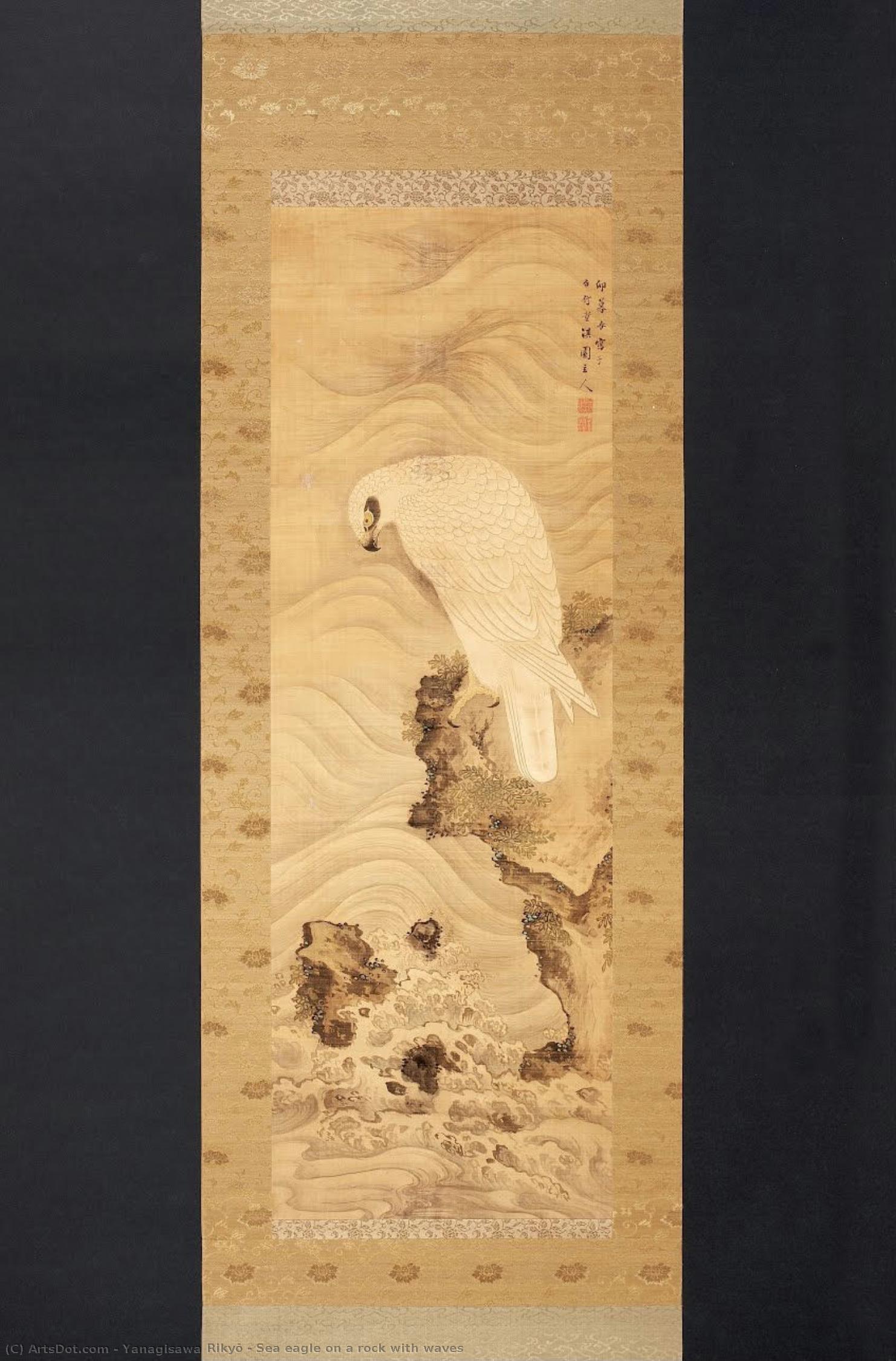
統計情報Sea eagle on a rock with waves
 48.0 x 182.0 cm
 Museum of Oriental Art
 詳細を見る
詳細を見る
オンラインプレビューをはるかに凌ぐ、高解像度で鮮明なデジタル画像をご購入いただけます。
各ファイルは、社内の専門家が高度なツールと熟練した手作業によるレタッチを用いて、細心の注意を払って準備されています。すべての画像において、卓越した鮮明度、正確な色彩再現性、そして繊細なディテールを保証いたします。
最終ファイルは、プロフェッショナルな編集・印刷環境ですぐにご利用いただけるよう最適化された状態で、72時間以内にメールにてお届けいたします。これは、一流のデザインスタジオ、出版社、ギャラリーから信頼されているものと同等の品質です。
デジタルアート
個人での鑑賞、印刷、クリエイティブなプロジェクト用に、高解像度ファイルをダウンロードできます。 ( プリント版に切り替え 手描きの絵画を購入)
デジタル画像のご注文に付随する特典
高品質なデジタル画像配信を、確かな品質で。
ArtsDot.com を選ぶことは、単に画像を手に入れることではありません。それは、プロの手によって精密に仕上げられ、満足保証が付いた高品質なデジタルアートワークを受け取ることを意味します。ご注文いただいた際に自動的に付随する内容は、以下の通りです:

メールですぐにお届け
ご注文から72時間以内に、高解像度のデジタル画像ファイルがメールでお手元に届きます。すぐにそのままご利用いただけます。

AI技術で最適化されたデジタルファイル
お客様の作品は、高度なAIツールと専門家による手作業の編集を組み合わせてプロフェッショナルに最適化されており、細部のディテール、鮮明さ、そして正確な色再現性を最大限に引き出しています。

一生涯無料の再送サービス
ファイルを誤って削除したり、紛失してしまったりしましたか?ご安心ください。いつでも無料で再送いたします。

輸入手数料は一切かかりません
関税や手数料、配送料を気にすることなく、お気に入りのアートワークをすぐにお楽しみいただけます。デジタルダウンロードは常に免税です。

色彩再現の保証
プロ仕様のツールとカラーマネジメント技術を用いることで、デジタル画像が元の色を最大限に忠実に再現することを保証いたします。

100日間満足保証
ご購入いただいたデジタル画像にご満足いただけない場合は、100日以内であれば、理由を問わず修正または100%の返金対応をさせていただきます。

100% 返金保証
ご満足いただけない場合は、デジタルファイルを受け取ってから100日以内であれば、理由を問わず全額返金いたします。

まとめ買い割引
3枚購入で10%OFF - 5枚購入で15%OFF - 10枚以上購入で20%OFF。クリエイティブなプロジェクト、ギャラリー、エージェンシーに最適です。
関連作品










作家の略歴
Giambettino Cignaroli: Verona’s Rococo Master
Born in Verona on July 4th, 1706, Giambettino Cignaroli emerged as a pivotal figure in the artistic landscape of 18th-century Italy. His life and career were inextricably linked to his birthplace, where he not only established himself as the city’s leading painter but also played a crucial role in fostering its burgeoning art academy. Cignaroli's work represents a fascinating synthesis of classical ideals and Rococo sensibilities, reflecting both the enduring influence of the Renaissance and the vibrant spirit of his time. He was a prolific artist, producing a diverse body of work encompassing religious scenes, historical paintings, portraits, and decorative commissions – all executed with an elegant and refined style that secured his lasting legacy.
Cignaroli’s artistic journey began under the tutelage of Antonio Balestra (1666–1740), a prominent Veronese painter who championed the classical tradition. Balestra instilled in Cignaroli a deep appreciation for proportion, anatomy, and the meticulous rendering of detail – qualities that would become hallmarks of his own style. This early training provided a solid foundation upon which Cignaroli built his distinctive approach, characterized by a graceful composition, luminous color palettes, and an emphasis on conveying spiritual depth. Unlike some of his contemporaries who embraced the more flamboyant excesses of the Rococo movement, Cignaroli maintained a sense of restraint and dignity in his work, imbuing it with a quiet nobility.
Cignaroli’s artistic output spanned several decades, during which he honed his skills and gained recognition throughout Italy and beyond. He spent time working in Venice, Chioggia, Bergamo, and Brescia, absorbing influences from the diverse artistic traditions of these cities. His travels exposed him to new techniques and styles, further enriching his artistic vocabulary. However, Verona remained his primary base of operations, and it was here that he achieved his greatest renown. His paintings frequently depicted scenes from the Bible and lives of saints, often infused with a sense of serene contemplation and spiritual grace. He also produced historical works, showcasing heroic narratives and allegorical themes – demonstrating a versatility that cemented his position as a respected artist across various genres.
- Key Works: Notable paintings include *St. Martha*, *Madonna*, *The Death of Socrates*, and *The Death of Cato*. These works, now housed in institutions like the Bowes Museum, Barnard Castle, the Museo del Prado in Madrid, and the Szépművészeti Múzeum in Budapest, offer compelling insights into Cignaroli’s artistic development and stylistic preferences.
- Accademico di Verona: In 1766, Cignaroli was instrumental in establishing the Accademia Cignaroli di Pittura e Scultura (Cignaroli Academy of Painting and Sculpture) in Verona – a significant milestone in the city’s artistic history. As its Director for Life, he played a vital role in shaping the training of young artists and preserving the legacy of Veronese painting.
- Scholarly Pursuits: Beyond his artistic endeavors, Cignaroli was also a writer and historian. He authored a comprehensive history of painting in Verona (1749) and a biography of Balestra (1762), demonstrating a keen interest in the intellectual and cultural context of his time.
The Influence of Classical Ideals
Cignaroli’s artistic style was deeply rooted in classical principles, reflecting the enduring influence of Renaissance art on 18th-century Italy. He meticulously studied ancient sculptures and architectural ruins, seeking to emulate their harmonious proportions, balanced compositions, and idealized forms. This commitment to classical ideals is evident in his paintings' careful attention to anatomical accuracy, their restrained elegance, and their emphasis on conveying a sense of timeless beauty. However, Cignaroli’s approach was not simply imitative; he skillfully integrated classical motifs into a distinctly Rococo style, creating works that were both refined and emotionally engaging.
His use of light and shadow—chiaroscuro—was particularly masterful, contributing to the dramatic intensity of his religious scenes. He employed a subtle palette of colors, favoring muted tones and delicate gradations to create an atmosphere of serenity and spiritual contemplation. Furthermore, Cignaroli’s meticulous draftsmanship – honed through years of studying anatomy and perspective – ensured that every detail in his paintings was rendered with precision and clarity.
A Rococo Vision
While firmly grounded in classical principles, Cignaroli's work also embodies the key characteristics of the Rococo style. His paintings are characterized by a sense of grace, elegance, and playful charm – qualities that were highly valued during the 18th century. He incorporated elements of frivolity and ornamentation into his compositions, often depicting scenes of idyllic beauty and pastoral romance. However, unlike some of his more flamboyant contemporaries, Cignaroli maintained a sense of restraint and dignity in his use of Rococo motifs, ensuring that they served to enhance rather than overwhelm the overall aesthetic impact of his paintings.
The presence of cherubs, playful figures, and delicate floral arrangements—common features of the Rococo style—are present in many of Cignaroli’s works. These elements contribute to a sense of lightness and joy, while also reinforcing the artist's commitment to portraying beauty and harmony. His paintings are not merely decorative; they are imbued with a profound spiritual depth that elevates them beyond mere superficial charm.
Legacy and Historical Significance
Giambettino Cignaroli’s legacy extends far beyond his artistic achievements. He played a pivotal role in shaping the cultural identity of Verona, establishing its reputation as a center for art and learning. His establishment of the Accademia Cignaroli di Pittura e Scultura marked a turning point in the city's artistic development, providing a formal institution for training young artists and preserving the legacy of Veronese painting. His writings—including his history of painting and biography of Balestra—offer valuable insights into the intellectual and cultural context of his time.
Cignaroli’s work continues to be admired for its elegance, grace, and spiritual depth. He is remembered as one of Verona's greatest artists – a master of the Rococo style who skillfully blended classical ideals with contemporary sensibilities. His paintings serve as a testament to his artistic talent, intellectual curiosity, and enduring contribution to the cultural heritage of Italy.
yanagisawa rikyō
1706 - 1758