

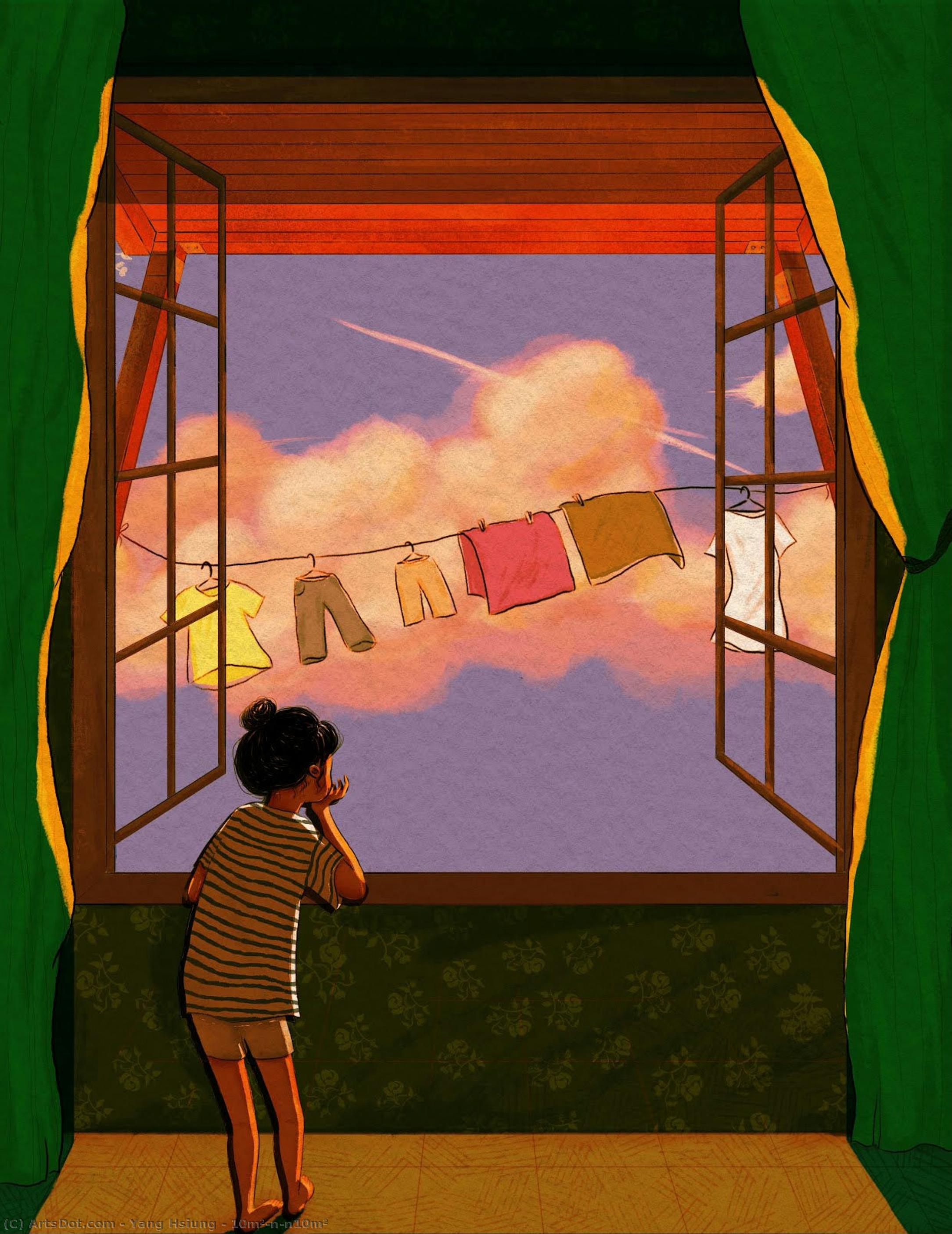
 プレビュー
プレビュー
 シェアする
シェアする シェアする
シェアする
 詳細を見る
詳細を見る

 ダウンロード
 似ている作品
 X線調査
X線調査 スライドショー
 Stats
Stats10m²\n\n10m²

 詳細を見る
詳細を見る
ジークレー/アートプリント
迅速な制作と多彩な仕上げオプションを備えた、ミュージアムクオリティのジークレーまたはキャンバスプリント。 ( 手描きの絵画を購入 Switch to Digital Image)




































作品のオリジナル比率に合わせた、当店の規定サイズからお選びください。

特定のフレームやスペースに合わせて、ご自身でサイズを指定することも可能です。選択されたサイズが元の画像の比率と一致しない場合、作品をトリミングするか、鏡面反射または単色での塗りつぶしによって画像を拡張いたします。制作を開始する前に、ご確認用のデジタルモックアップをお送りいたします。
画面上のプレビューには、実際のトリミングや拡張は反映されませんのでご注意ください。最終的な構図を正確に確認できるのは、モックアップのみとなります。
カスタムサイズも承っておりますが、元の比率を維持するためには、あらかじめ用意されたリストからサイズを選択することをお勧めいたします。


 ガラスオプションは、110cm未満のサイズでのみご利用いただけます。

10m²\n\n10m²
ジークレー/アートプリント
複製画のサイズ
-


合計金額
$ 62
関連作品



アーティストの略歴
The Melancholic Soul of the Han Dynasty
In the grand tapestry of Chinese intellectual history, few figures cast a shadow as profound or as poignant as Yang Hsiung, known to history as Yang Xiong. Born around 53 BC in the lush landscapes near Chengdu, China, his life was an intricate dance between the rigid structures of Confucian ethics and the fluid, spontaneous whispers of Taoist thought. To encounter the work of Yang Hsiung is to step into a world of profound reflection, where the weight of social responsibility meets the ephemeral beauty of a passing season. His existence, though tragically brief—concluding around 18 AD—was marked by an intellectual rigor that sought to harmonize the turbulent political realities of the Western Han dynasty with the eternal truths of human nature.
Growing up in the shadow of imperial influence, Yang was deeply shaped by his father’s connection to the court. This early immersion in Confucian ideals instilled within him a lifelong commitment to virtue, social harmony, and ethical conduct. Yet, he was no mere traditionalist. He possessed a rare, wandering spirit that allowed him to embrace the Taoist appreciation for the natural order and the beauty of the uncarved block. This unique philosophical synthesis became the heartbeat of his creative output, allowing him to navigate the complexities of a changing empire with both a scholar's precision and a poet's sensitivity.
A Master of Language and Lyricism
The literary legacy of Yang Hsiung is defined by his mastery of Fu poetry, a genre characterized by its ornate imagery and rhythmic complexity. However, Yang brought a distinctive moral gravity to this form. While many of his contemporaries were enamored with the purely decorative and esoteric flourishes of language, Yang used his verse to probe the depths of the human condition. His most celebrated work, the Fayan, stands as a monumental achievement; modeled after the Analects, it serves as a philosophical critique of writers who prioritize linguistic spectacle over moral substance. In doing so, he transformed poetry from a mere craft into a vessel for ethical inquiry.
Beyond his philosophical treatises, his poetic voice is most hauntingly felt in works like “The Wanderer.” This poem captures the quintessential spirit of Han Dynasty melancholy, evoking images of exile, longing, and the inevitable passage of time. Through exquisite imagery, he explored themes of loss and regret, creating a landscape where the reader can feel the ache of displacement and the quiet acceptance of mortality. His ability to weave the personal experience of sorrow into the broader fabric of cosmic change remains one of his most enduring artistic triumphs.
Linguistic Innovation and Lasting Legacy
Yang Hsiung was not only a poet of emotion but also a pioneer of linguistics. His groundbreaking work, the Fangyan, serves as an early and vital dictionary of regional expressions. By documenting the diverse vocabularies from across the Chinese territories, he championed the importance of vernacular language, challenging the scholarly conventions that often ignored the lived realities of the common people. This dedication to the breadth of human expression solidified his reputation as a true innovator, bridging the gap between high literary culture and the vibrant, spoken rhythms of the empire.
The historical significance of Yang Hsiung cannot be overstated. He stands alongside figures like Sima Xiangru as one of the most illustrious luminaries of the Han era, earning honors in the Book of Han that surpassed even the greatest generals of his time. His philosophical stance—viewing human nature as a complex intermixture of good and bad—offered a nuanced middle ground between the starker views of Mencius and Xunzi, providing a more textured understanding of morality that would influence thinkers for generations. Even today, the echoes of his poetic sorrow and his pursuit of virtue continue to resonate, reminding us of the enduring power of a soul that seeks truth amidst the shifting sands of history.
yang hsiung
China
基本情報
- Artistic Movement Or Style: Confucianism & Taoism
- Artists Or Movements Influenced By This Artist: ['Taoism']
- Artists Who Influenced This Artist: ['Confucius']
- Date Of Birth: Chengdu, China ()
- Date Of Death: Living
- Full Name: Yang Hsiung (Yang Xiong)
- Nationality: Chinese
- Notable Artworks: ['Fangyan']
- Place Of Birth: China