

 プレビュー
プレビュー
 プリントを購入
 シェアする
シェアする シェアする
シェアする
 詳細を見る
詳細を見る

 ダウンロード
 似ている作品
 X線調査
X線調査 スライドショー
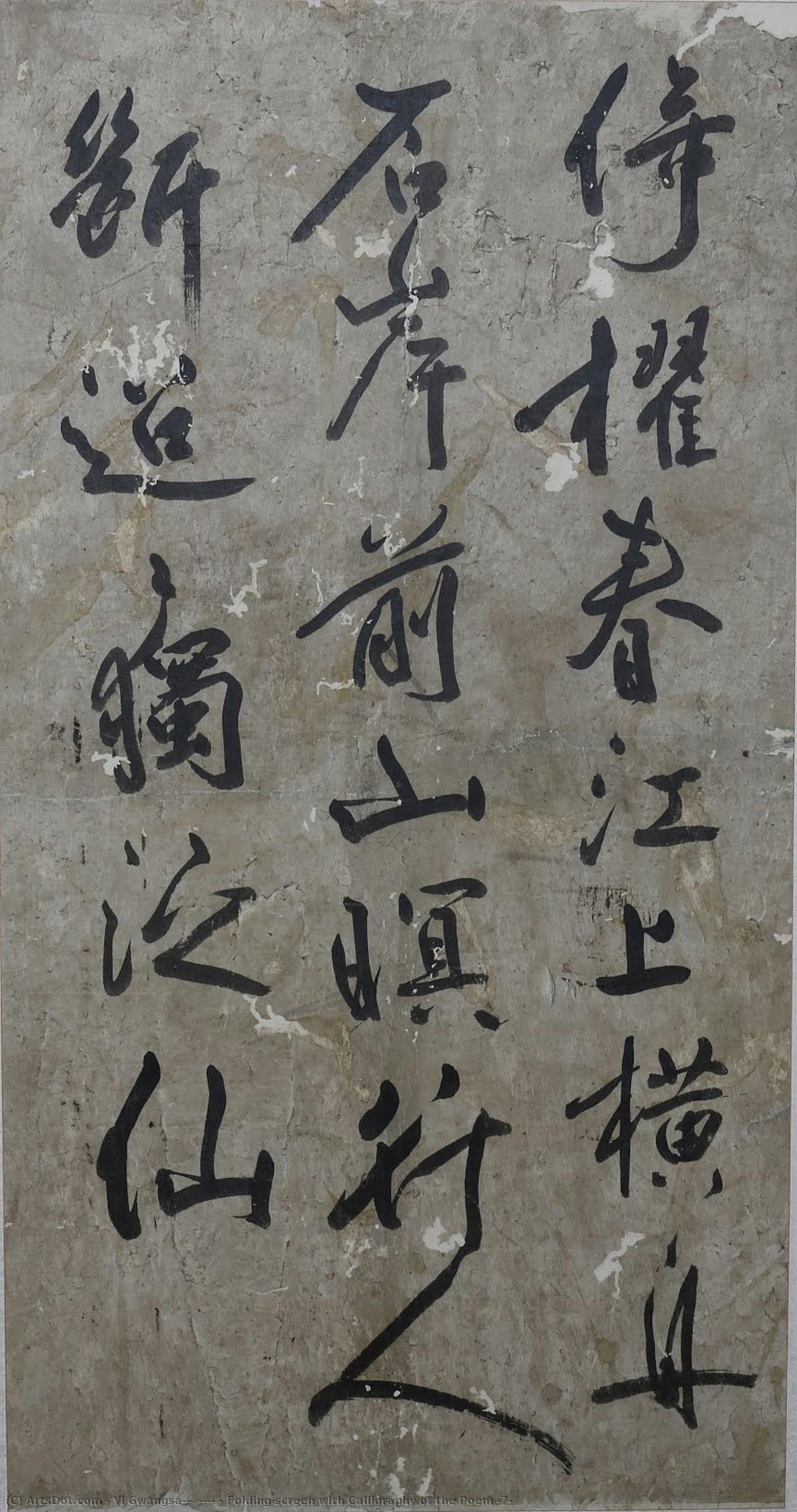
Folding screen with Calligraphy of the Poem (7)

 詳細を見る
詳細を見る
オンラインプレビューをはるかに凌ぐ、高解像度で鮮明なデジタル画像をご購入いただけます。
各ファイルは、社内の専門家が高度なツールと熟練した手作業によるレタッチを用いて、細心の注意を払って準備されています。すべての画像において、卓越した鮮明度、正確な色彩再現性、そして繊細なディテールを保証いたします。
最終ファイルは、プロフェッショナルな編集・印刷環境ですぐにご利用いただけるよう最適化された状態で、72時間以内にメールにてお届けいたします。これは、一流のデザインスタジオ、出版社、ギャラリーから信頼されているものと同等の品質です。
デジタル画像のご注文に付随する特典
高品質なデジタル画像配信を、確かな品質で。
ArtsDot.com を選ぶことは、単に画像を手に入れることではありません。それは、プロの手によって精密に仕上げられ、満足保証が付いた高品質なデジタルアートワークを受け取ることを意味します。ご注文いただいた際に自動的に付随する内容は、以下の通りです:

メールですぐにお届け
ご注文から72時間以内に、高解像度のデジタル画像ファイルがメールでお手元に届きます。すぐにそのままご利用いただけます。

AI技術で最適化されたデジタルファイル
お客様の作品は、高度なAIツールと専門家による手作業の編集を組み合わせてプロフェッショナルに最適化されており、細部のディテール、鮮明さ、そして正確な色再現性を最大限に引き出しています。

一生涯無料の再送サービス
ファイルを誤って削除したり、紛失してしまったりしましたか?ご安心ください。いつでも無料で再送いたします。

輸入手数料は一切かかりません
関税や手数料、配送料を気にすることなく、お気に入りのアートワークをすぐにお楽しみいただけます。デジタルダウンロードは常に免税です。

色彩再現の保証
プロ仕様のツールとカラーマネジメント技術を用いることで、デジタル画像が元の色を最大限に忠実に再現することを保証いたします。

60日間満足保証
ご購入いただいたデジタル画像にご満足いただけない場合は、60日以内であれば、修正または100%の返金(理由を問う必要はありません)をさせていただきます。

100% 返金保証
ご満足いただけない場合は、デジタルファイルを受け取ってから60日以内であれば、理由を問わず全額返金いたします。

まとめ買い割引
3枚購入で10%OFF - 5枚購入で15%OFF - 10枚以上購入で20%OFF。クリエイティブなプロジェクト、ギャラリー、エージェンシーに最適です。
関連作品









作家の略歴
Yi Gwangsa (Wongyo): A Master of Calligraphy in the Late Joseon Dynasty
Yi Gwangsa, more commonly known as Wongyo (圓嶠 李匡師), stands as a pivotal figure in Korean calligraphy during the late Joseon dynasty. Born in Jeonju, South Korea, in 1705 and tragically dying in exile in 1777, his life was marked by both artistic brilliance and political upheaval. His unique style, blending traditional techniques with a distinctly personal voice, profoundly influenced generations of calligraphers and continues to be celebrated for its elegance and depth.Early Life and Training
Wongyo’s journey into the world of calligraphy began under the tutelage of Yoon-soon (윤선), a renowned calligrapher and scholar during the Joseon period. This formative experience instilled in him a deep respect for tradition while simultaneously nurturing his own creative spirit. Yoon-soon's teachings emphasized not just technical proficiency but also the philosophical underpinnings of calligraphy – its connection to nature, spirituality, and the cultivation of inner harmony. Wongyo’s training wasn’t merely about mastering brushstrokes; it was a path toward self-discovery and artistic expression. He quickly distinguished himself, developing a handwriting that possessed both remarkable control and an undeniable sense of individuality, diverging from purely imitative approaches.The Naju Byeokseo Incident and Exile
Wongyo’s career took a dramatic turn in 1755 with the Naju Byeokseo incident (那津兵科擾亂). This political scandal involved corruption within the military administration, and Wongyo, along with several other prominent figures, was implicated. Despite his innocence, he was unjustly exiled to Sinjido (新知島), a remote island in the Yellow Sea, marking the beginning of a twenty-three year period of isolation and hardship. This exile profoundly shaped his artistic perspective; it imbued his later works with a poignant sense of melancholy and introspection – a reflection of his personal suffering and a yearning for connection to the world he had lost. Despite the challenging circumstances, Wongyo continued to practice calligraphy, producing some of his most powerful and evocative pieces during this period.Style and Technique
Wongyo’s calligraphic style is characterized by its refined elegance, balanced composition, and a subtle yet profound emotional depth. He skillfully employed the semi-cursive style (半草書), drawing inspiration from Wang Xizhi, a revered master of Chinese calligraphy, but imbuing it with his own unique sensibility. His brushwork is fluid and expressive, conveying a sense of movement and vitality while maintaining an underlying stability. He demonstrated a masterful understanding of ink control, utilizing varying densities to create nuanced tonal effects. Crucially, Wongyo wasn’t simply replicating existing styles; he was interpreting them through the lens of his own experience and artistic vision. His works often feature landscapes – mountains, rivers, and trees – rendered with remarkable detail and imbued with a sense of quiet contemplation.Legacy and Influence
Despite his untimely death in exile, Yi Gwangsa’s influence on Korean calligraphy is undeniable. His work served as an inspiration for countless calligraphers who followed, shaping the development of the art form for decades to come. His emphasis on personal expression, combined with a deep understanding of traditional techniques, established a new standard for artistic excellence. The “Album of Calligraphy” (楷行篆隸帖_鸞翥鳳翔), featuring his work, stands as a testament to his skill and artistry. Today, Wongyo’s calligraphy is studied and admired for its beauty, emotional resonance, and enduring legacy – a poignant reminder of an artist who transformed adversity into profound creative achievement. His works are held in prestigious collections like the National Museum of Korea, ensuring that his artistic voice continues to resonate with audiences worldwide.
yi gwangsa(圓嶠 李匡師)
1705 - 1777 , South Korea
プロフィール概要
- Artistic Movement Or Style: Calligraphy (Joseon Dynasty)
- Artists Who Influenced This Artist: ['Yoon-soon']
- Date Of Birth: 1705, Jeonju, Korea
- Date Of Death: 1777
- Full Name: Yi Gwangsa (Wongyo)
- Nationality: Korean
- Notable Artworks: ['Album of Calligraphy']
- Place Of Birth: Jeonju, South Korea

