

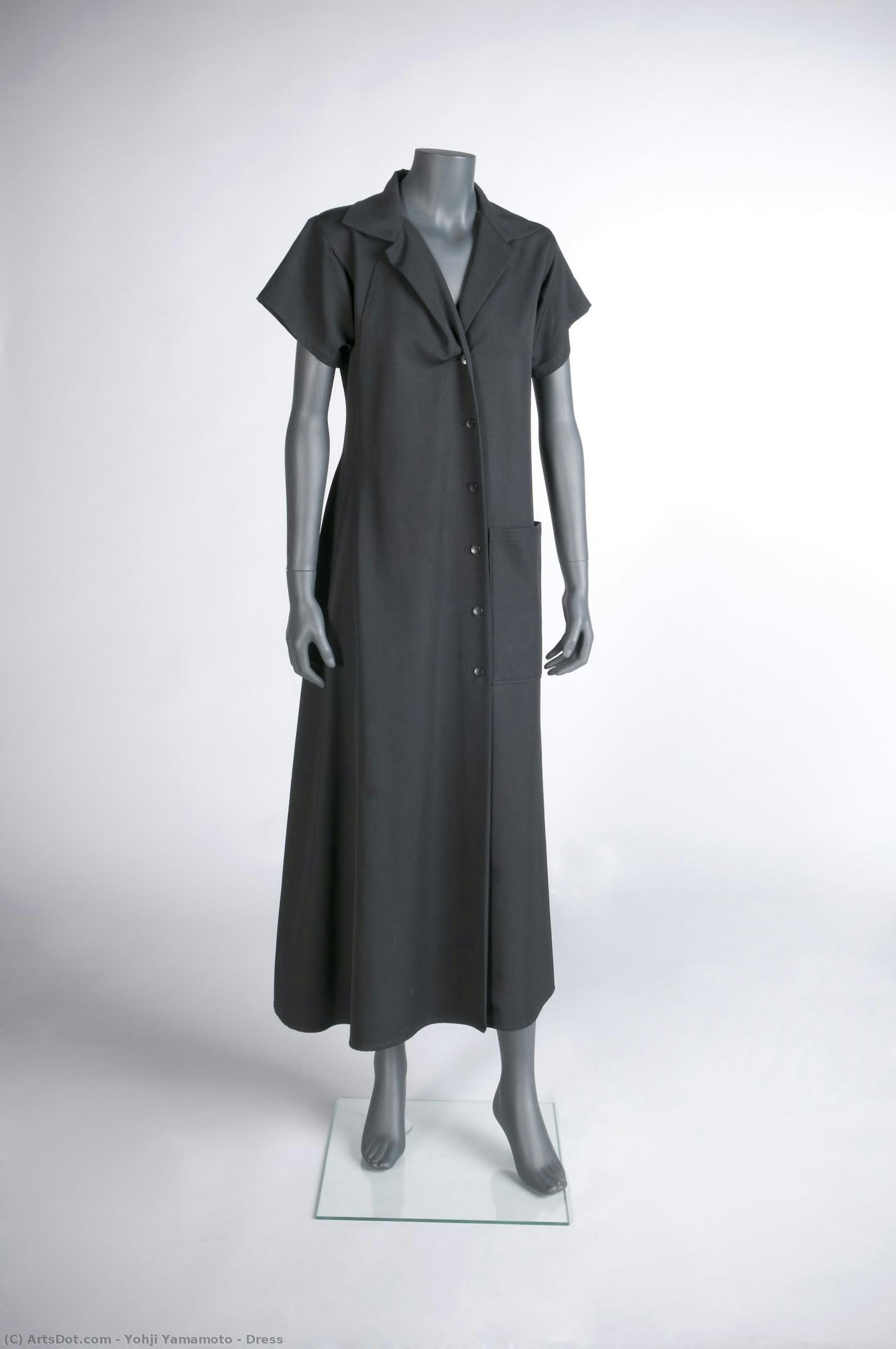
 プレビュー
プレビュー
 シェアする
シェアする シェアする
シェアする
 詳細を見る
詳細を見る

 ダウンロード
 似ている作品
 X線調査
X線調査 スライドショー
 統計情報
統計情報Dress
 1989
1989 136.0 x 84.0 cm
 Museo del Traje
 詳細を見る
詳細を見る
オンラインプレビューをはるかに凌ぐ、高解像度で鮮明なデジタル画像をご購入いただけます。
各ファイルは、社内の専門家が高度なツールと熟練した手作業によるレタッチを用いて、細心の注意を払って準備されています。すべての画像において、卓越した鮮明度、正確な色彩再現性、そして繊細なディテールを保証いたします。
最終ファイルは、プロフェッショナルな編集・印刷環境ですぐにご利用いただけるよう最適化された状態で、72時間以内にメールにてお届けいたします。これは、一流のデザインスタジオ、出版社、ギャラリーから信頼されているものと同等の品質です。
デジタルアート
個人での鑑賞、印刷、クリエイティブなプロジェクト用に、高解像度ファイルをダウンロードできます。 ( プリント版に切り替え 手描きの絵画を購入)
デジタル画像のご注文に付随する特典
高品質なデジタル画像配信を、確かな品質で。
ArtsDot.com を選ぶことは、単に画像を手に入れることではありません。それは、プロの手によって精密に仕上げられ、満足保証が付いた高品質なデジタルアートワークを受け取ることを意味します。ご注文いただいた際に自動的に付随する内容は、以下の通りです:

メールですぐにお届け
ご注文から72時間以内に、高解像度のデジタル画像ファイルがメールでお手元に届きます。すぐにそのままご利用いただけます。

AI技術で最適化されたデジタルファイル
お客様の作品は、高度なAIツールと専門家による手作業の編集を組み合わせてプロフェッショナルに最適化されており、細部のディテール、鮮明さ、そして正確な色再現性を最大限に引き出しています。

一生涯無料の再送サービス
ファイルを誤って削除したり、紛失してしまったりしましたか?ご安心ください。いつでも無料で再送いたします。

輸入手数料は一切かかりません
関税や手数料、配送料を気にすることなく、お気に入りのアートワークをすぐにお楽しみいただけます。デジタルダウンロードは常に免税です。

色彩再現の保証
プロ仕様のツールとカラーマネジメント技術を用いることで、デジタル画像が元の色を最大限に忠実に再現することを保証いたします。

100日間満足保証
ご購入いただいたデジタル画像にご満足いただけない場合は、100日以内であれば、理由を問わず修正または100%の返金対応をさせていただきます。

100% 返金保証
ご満足いただけない場合は、デジタルファイルを受け取ってから100日以内であれば、理由を問わず全額返金いたします。

まとめ買い割引
3枚購入で10%OFF - 5枚購入で15%OFF - 10枚以上購入で20%OFF。クリエイティブなプロジェクト、ギャラリー、エージェンシーに最適です。
関連作品









作家の略歴
The Architect of Shadows: The Soul of Yohji Yamamoto
To encounter the work of Yohji Yamamoto is to step into a world where the boundaries between clothing and sculpture, between presence and absence, begin to dissolve. Born on October 3rd, 1943, in the transformative landscape of post-war Tokyo, Yamamoto emerged from a period of profound Japanese resilience to become one of the most influential architects of modern style. His aesthetic is not merely a collection of garments but a philosophical inquiry into the nature of form, often expressed through a monochromatic palette that finds infinite depth within the color black. For Yamamoto, black is not a void; it is a way to protect the wearer, a way to create a space where the individual can exist without the distraction of superficiality.
The seeds of his mastery were sown in the quiet observations of his youth. Growing up in a Tokyo marked by reconstruction, he was deeply influenced by the textures of daily life and the disciplined traditions of Japanese calligraphy and theater. While his father’s passing during the war left a void, the presence of his mother—who managed the administrative side of a family business—provided a foundation of meticulousness. His early education at Keio University and his subsequent immersion in the rhythms of Japanese aesthetics instilled in him a reverence for asymmetry and the beauty found in imperfection. This fascination with wabi-sabi—the appreciation of the transient and the incomplete—would later become the heartbeat of his deconstructed silhouettes.
A Revolution in Fabric and Form
The arrival of Yamamoto on the international stage in the early 1980s was nothing short of a seismic shift. When he presented his collections in Paris, he brought with him what critics famously termed the "black earthquake," a radical departure from the hyper-feminized, body-conscious silhouettes that dominated Western fashion at the time. Rejecting the rigid tailoring and structured corsetry of the West, Yamamoto looked toward the flat planes of the kimono to reimagine how fabric interacts with the human frame. He pioneered a method of draping and pleating that allowed cloth to float around the body, creating voluminous, oversized shapes that obscured rather than revealed.
His work during this era was characterized by an intentional use of unfinished edges, coarse textures, and layered fabrics that challenged the very definition of luxury. By embracing the "anti-fashion" movement, he turned the focus away from the sexualization of the female form and toward a more intellectualized, gender-fluid expression of identity. His labels, including the iconic Y’s and Yohji Yamamoto Pour Homme, became laboratories for experimentation, where heavy wools, cottons, and even unconventional materials like wood and metal were woven into garments that felt both ancient and futuristic.
Legacy of the Avant-Garde
As his career progressed, Yamamoto demonstrated a remarkable ability to transcend the boundaries of high fashion, finding common ground with sportswear, cinema, and fine art. The launch of Y-3 in 2003, a collaboration with Adidas, stands as a monumental achievement in design history, proving that the avant-garde spirit could be seamlessly integrated into the functional world of athletic apparel. Through this partnership, he utilized cutting-edge textiles like neoprene to maintain his signature oversized proportions within a contemporary, urban context.
His contributions have been honored with the highest accolades, including the Chevalier/Officier/Commandeur of Ordre des Arts et Lettres and the Medal of Honor with Purple Ribbon. Yet, beyond the awards, his true significance lies in his enduring influence on the visual language of the modern era. Whether through his costume design for legendary filmmakers like Wim Wenders or his ability to make a simple black coat feel like a piece of profound poetry, Yamamoto remains a master of the unseen. He has taught the world that there is immense power in what is left unsaid, and immense beauty in the shadows.

Yohji Yamamoto
1943 - , Japan
プロフィール概要
- Artistic Movement Or Style: Avant-garde tailoring
- Artists Or Movements Influenced By This Artist: ['']
- Artists Who Influenced This Artist: ['']
- Date Of Birth: October 3, 1943
- Full Name: Yohji Yamamoto
- Nationality: Japanese
- Notable Artworks:
- Dark Blue Wool Cape Coat
- Jacket, Dress, Pants
- Ensembles
- Place Of Birth: Tokyo, Japan