

 プレビュー
プレビュー
 シェアする
シェアする シェアする
シェアする
 詳細を見る
詳細を見る

 ダウンロード
 似ている作品
 X線調査
X線調査 スライドショー
 Stats
StatsUninhabited Island(Hotel Lobby Pond)
 Painting
- Contemporary Realism
 1995
1995- Contemporary
 10000.0 x 1850.0 cm
 Korean Art Museum Association
 詳細を見る
詳細を見る
ジークレー/アートプリント
迅速な制作と多彩な仕上げオプションを備えた、ミュージアムクオリティのジークレーまたはキャンバスプリント。 ( 手描きの絵画を購入 Switch to Digital Image)




P118B $10

P118H $10

P118W $10

P438Z $10

P508JH $12

P508YH $12

P805H $10

P805Z $10

P919BZ $10

P919G $10

P919XJ $10

P959ZH $10

P968JZ $12

W106C $8

W218G $10

W218JH $8

W218Y $10

W307PJ $10

W316G $10

W316PJ $8

W316Y $10

W398PJ $8

W4111J $10

W500HY $15

W500JH $15

W692G $12

W849H $8

W940BG $15

W953PJ $8




作品のオリジナル比率に合わせた、当店の規定サイズからお選びください。

特定のフレームやスペースに合わせて、ご自身でサイズを指定することも可能です。選択されたサイズが元の画像の比率と一致しない場合、作品をトリミングするか、鏡面反射または単色での塗りつぶしによって画像を拡張いたします。制作を開始する前に、ご確認用のデジタルモックアップをお送りいたします。
画面上のプレビューには、実際のトリミングや拡張は反映されませんのでご注意ください。最終的な構図を正確に確認できるのは、モックアップのみとなります。
カスタムサイズも承っておりますが、元の比率を維持するためには、あらかじめ用意されたリストからサイズを選択することをお勧めいたします。


 ガラスオプションは、110cm未満のサイズでのみご利用いただけます。

Uninhabited Island(Hotel Lobby Pond)
ジークレー/アートプリント
複製画のサイズ
-


合計金額
$ 62
A Sanctuary of Stillness: The Serene World of Yoo Lizzy
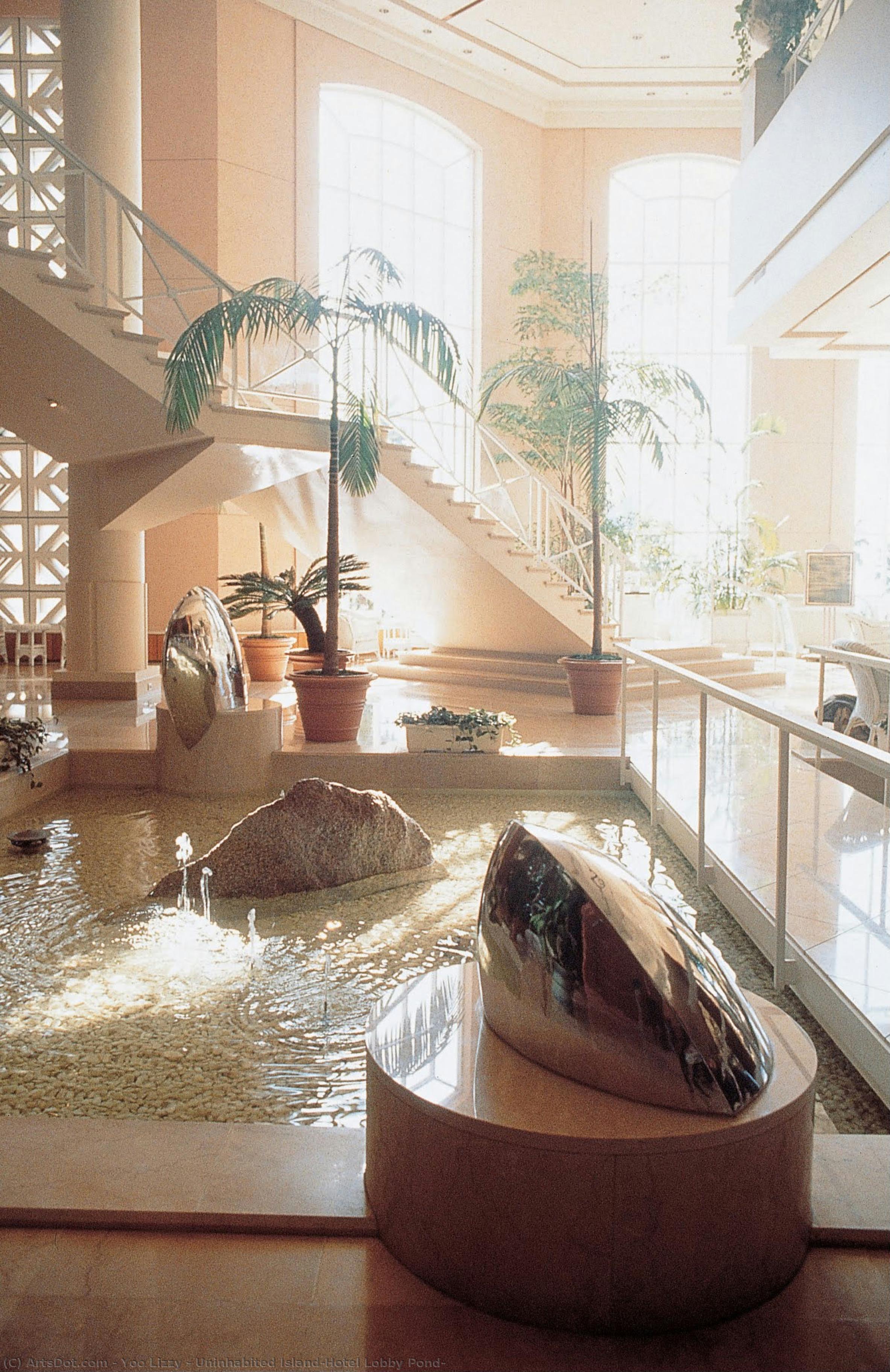
In the heart of a bustling architectural space, where the rush of modern life often dictates the tempo, Uninhabited Island (Hotel Lobby Pond) emerges as a profound breath of tranquility. Created in 1995 by the esteemed South Korean artist yoo lizzy, this evocative piece invites the viewer into a meticulously composed sanctuary. The painting captures a moment of suspended animation within a hotel lobby, centered around a magnificent indoor pond that serves as the soul of the composition. Through a masterful command of light and atmosphere, the work transcends its physical setting, transforming a functional interior into a meditative landscape where nature and architecture exist in perfect, quiet harmony.
The composition is anchored by the rhythmic interplay between organic elements and structured design. Large, weathered rocks and lush greenery surround the central water feature, creating an illusion of an untouched ecosystem thriving within a man-made environment. The presence of two large sculptures near the water's edge adds a layer of intellectual depth, suggesting a dialogue between human creativity and the raw beauty of the natural world. As the eye wanders toward the upward sweep of the staircase, there is a sense of movement and progression, yet this kinetic energy is constantly pulled back to the stillness of the pond. The placement of solitary chairs near the water’s edge serves as an emotional invitation, prompting the observer to imagine themselves seated in quiet contemplation, lost in the gentle ripples of the reflected light.
The Art of Philosophical Nature
Yoo Lizzy, a master known for her philosophical approach to sculpture and design, brings a unique sensitivity to this painterly vision. Her work often explores themes of resonance and harmony, and nowhere is this more evident than in the way she depicts the relationship between the "uninhabited" and the inhabited. The title itself suggests a poignant paradox; while the setting is clearly a place of human transit—a hotel lobby—the atmosphere remains untouched by the chaos of crowds. This technique of layering stillness over a space of movement creates a powerful emotional resonance, making the piece an ideal centerpiece for those seeking to introduce a sense of calm into high-end residential or commercial interiors.
For collectors and interior designers, this reproduction offers more than mere decoration; it provides an atmospheric anchor. The lush greenery and the cool, reflective surfaces of the pond work to soften the hard lines of modern architecture, making it a versatile choice for luxury hotel lobbies, executive offices, or private lounges. To possess such a piece is to hold a fragment of peace—a window into a world where the boundaries between the indoors and the wild are beautifully blurred, offering a timeless escape from the complexities of the contemporary era.
関連作品
アーティストの略歴
Anselm Kiefer: A Sculptor of German Memory
Born in Donaueschingen, Baden-Württemberg, Germany, on March 8, 1945, Anselm Kiefer’s life and art are inextricably linked to the weighty history of his nation. Raised near the Rhine River in the Black Forest, he was named after the classical painter Anselm Feuerbach – a deliberate choice that foreshadowed his lifelong engagement with German identity, mythology, and the profound traumas of the 20th century. From an early age, Kiefer envisioned himself as an artist, a pursuit solidified through studies at the University of Freiburg and the Karlsruhe Academy, where he benefited from informal mentorship under the influential Joseph Beuys in Düsseldorf during the early 1970s. His artistic journey initially took him to Barjac in the Languedoc region of southern France before settling primarily in Paris since 1992, a move reflecting his ongoing exploration of complex themes.
Early Influences and Methodologies
Kiefer’s work is immediately recognizable for its distinctive materials and processes. He frequently employs straw, ash, clay, lead, and shellac – substances that evoke notions of decay, earth, and the weight of history. These aren't merely decorative elements; they are integral to his conceptual approach. Kiefer doesn’t paint in a traditional sense; instead, he builds, layers, and manipulates materials to create textured surfaces that resemble ancient ruins, scorched landscapes, or crumbling fortifications. This tactile engagement with the physical world is crucial to his exploration of memory and trauma. His process often involves repeated cycles of destruction and reconstruction, mirroring the cyclical nature of history itself.
Engaging with German History – Myth, Propaganda, and the Uncomfortable Truths
A defining characteristic of Kiefer’s oeuvre is his relentless confrontation with Germany's past. He draws heavily from German literature, mythology, art history, music, philosophy, and topography, often revisiting clichés and iconic imagery—Wagner’s *Ring* cycle, Goethe’s poetry, or the legendary figure of Barbarossa – but always imbuing them with a critical perspective. His work frequently grapples with the legacy of World War II and the rise of Nazism, not through simplistic narratives of heroism or victimhood, but by excavating the uncomfortable truths surrounding propaganda, manipulation, and the collective amnesia that followed. As he himself stated, “After the ‘misfortune,’ as we all name it so euphemistically now, people thought that in 1945 we were starting all over again. . . . . It’s nonsense. The past was put under taboo, and to dig it up again generates resistance and disgust.”
The “Occupations” Series – A Provocative Exploration of Identity
In 1969, during a trip through Europe, Kiefer staged the *Occupations* series—a collection of photographic self-portraits that were profoundly unsettling and deliberately provocative. Dressed in paramilitary clothing, he posed in various locations, mimicking Hitler’s stance and gestures, creating a disturbing dialogue between personal identity and historical power. These images weren't intended as simple representations of fascism; rather, they were layered with multiple meanings, referencing Romanticism—specifically the solitary wanderers depicted by Caspar David Friedrich—and highlighting the convergence of different historical periods. The series served as a powerful meditation on German history, national identity, and the enduring legacy of trauma.
Critical Reception and Lasting Significance
Anselm Kiefer’s work has been met with both acclaim and controversy. In the 1970s and 80s, his Germanness functioned differently in the United States compared to Germany, where the dominant theme was *Vergangenheitsbewältigung* – “coming to terms with the past.” While American audiences often viewed Kiefer as a lone fighter against German fascism, German critics focused on his approach to confronting this difficult history. His deliberate use of taboo imagery—fascist and nationalistic symbols—was seen by some as a form of original sin in the post-Auschwitz era. Despite these critical debates, Kiefer’s work has had a profound impact on contemporary art, establishing him as one of the most significant sculptors and painters of his generation. His willingness to engage with uncomfortable truths, combined with his innovative use of materials and processes, ensures that his legacy will continue to provoke thought and inspire dialogue for years to come.

yoo lizzy
1945 - 2013 , South Korea
基本情報
- Artistic Movement Or Style: Neo-Expressionism, New Symbolism
- Artists Or Movements Influenced By This Artist: ['Paul Celan']
- Artists Who Influenced This Artist:
- Joseph Beuys
- Anselm Feuerbach
- Date Of Birth: March 8, 1945
- Full Name: Anselm Kiefer
- Nationality: German
- Notable Artworks:
- Margarete
- Schneeschmelze im Odenwald Winter ade
- Scheiden tut
- Neue Wilden
- Place Of Birth: Donaueschingen, Germany
関連記事
クロード・モネ傑作25選:光と色彩の印象派を彩る名画の世界 | ArtsDot
クロード・モネの傑作25選。印象派を代表する光の画家、モネの世界を旅しませんか?睡蓮や風景画など、名画の背景にある物語と芸術技法をご紹介。ArtsDotで高品質な複製画とインテリアアートを見つけましょう。全コレクションはこちら。
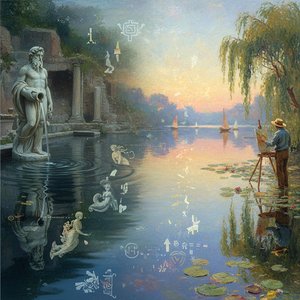
Fluid Reflections: Exploring Water's Symbolism in Art History – From Myth to Impressionism
Explore the rich symbolism of water in art history – from ancient myths to Impressionism's fleeting beauty. Discover masterpieces & find your perfect serene artwork with ArtsDot.com.
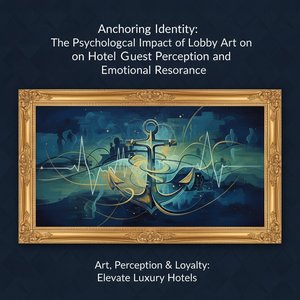
Anchoring Identity: The Psychological Impact of Lobby Art on Hotel Guest Perception and Emotional Resonance
Discover how strategic lobby art impacts guest perception & brand loyalty. Expert insights for luxury hotels & interior designers – elevate your space with curated artwork.
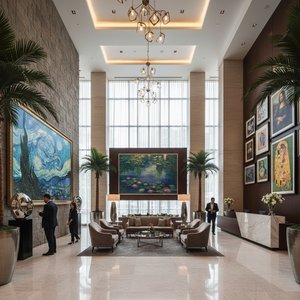
Elevating Hospitality Aesthetics: A Guide to Selecting Reproductions of Famous Artworks for Hotel Lobbies
Elevate your hotel's ambiance with expertly curated art reproductions. Discover how to select artwork that reflects your brand, enhances the guest experience & creates lasting impressions. Trusted by designers worldwide.
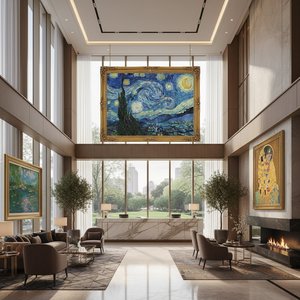
Iconic Paintings for Hotel Lobbies: Elevate Your Space with Master Art |
Transform your hotel lobby with iconic paintings! Explore 10 masterpieces – Van Gogh, Monet & more – and their stories. Find museum-quality art reproductions for luxury decor at . Discover the full collection online.