 プレビュー
プレビュー
 プリントを購入
 シェアする
シェアする シェアする
シェアする
 詳細を見る
詳細を見る

 ダウンロード
 似ている作品
 X線調査
X線調査 スライドショー
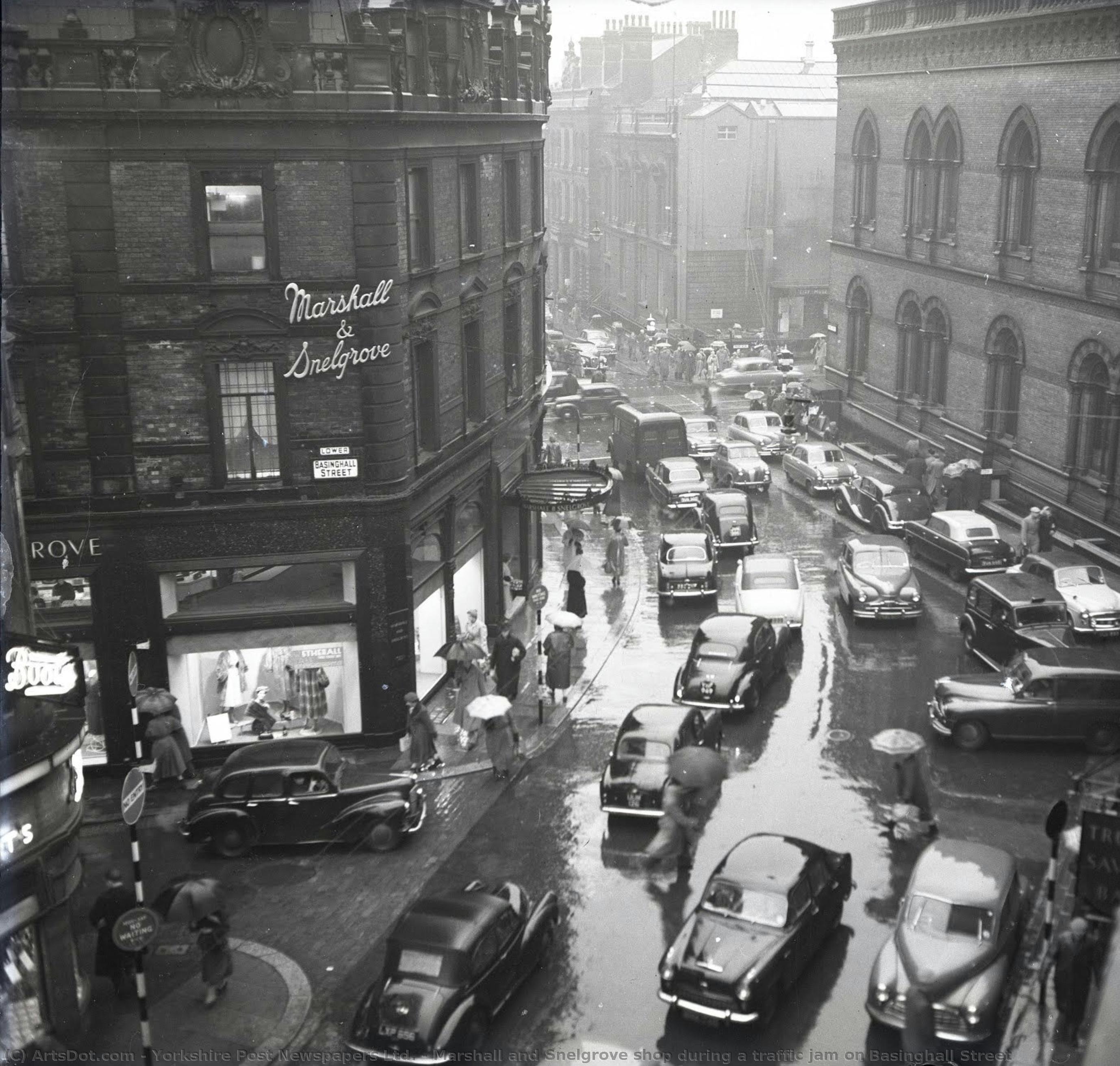
Marshall and Snelgrove shop during a traffic jam on Basinghall Street


 詳細を見る
詳細を見る
オンラインプレビューをはるかに凌ぐ、高解像度で鮮明なデジタル画像をご購入いただけます。
各ファイルは、社内の専門家が高度なツールと熟練した手作業によるレタッチを用いて、細心の注意を払って準備されています。すべての画像において、卓越した鮮明度、正確な色彩再現性、そして繊細なディテールを保証いたします。
最終ファイルは、プロフェッショナルな編集・印刷環境ですぐにご利用いただけるよう最適化された状態で、72時間以内にメールにてお届けいたします。これは、一流のデザインスタジオ、出版社、ギャラリーから信頼されているものと同等の品質です。
デジタル画像のご注文に付随する特典
高品質なデジタル画像配信を、確かな品質で。
ArtsDot.com を選ぶことは、単に画像を手に入れることではありません。それは、プロの手によって精密に仕上げられ、満足保証が付いた高品質なデジタルアートワークを受け取ることを意味します。ご注文いただいた際に自動的に付随する内容は、以下の通りです:

メールですぐにお届け
ご注文から72時間以内に、高解像度のデジタル画像ファイルがメールでお手元に届きます。すぐにそのままご利用いただけます。

AI技術で最適化されたデジタルファイル
お客様の作品は、高度なAIツールと専門家による手作業の編集を組み合わせてプロフェッショナルに最適化されており、細部のディテール、鮮明さ、そして正確な色再現性を最大限に引き出しています。

一生涯無料の再送サービス
ファイルを誤って削除したり、紛失してしまったりしましたか?ご安心ください。いつでも無料で再送いたします。

輸入手数料は一切かかりません
関税や手数料、配送料を気にすることなく、お気に入りのアートワークをすぐにお楽しみいただけます。デジタルダウンロードは常に免税です。

色彩再現の保証
プロ仕様のツールとカラーマネジメント技術を用いることで、デジタル画像が元の色を最大限に忠実に再現することを保証いたします。

60日間満足保証
ご購入いただいたデジタル画像にご満足いただけない場合は、60日以内であれば、修正または100%の返金(理由を問う必要はありません)をさせていただきます。

100% 返金保証
ご満足いただけない場合は、デジタルファイルを受け取ってから60日以内であれば、理由を問わず全額返金いたします。

まとめ買い割引
3枚購入で10%OFF - 5枚購入で15%OFF - 10枚以上購入で20%OFF。クリエイティブなプロジェクト、ギャラリー、エージェンシーに最適です。
関連作品







作家の略歴
The Enigmatic Vision of Agnes Martin
Agnes Martin, a name synonymous with subtle power and quietude in the realm of abstract art, was born in 1912 in Macklin, Saskatchewan, Canada – a landscape that would indelibly shape her artistic sensibility. Her early life was marked by a nomadic existence, moving frequently across the Canadian prairies and later to the United States. This rootlessness, coupled with a challenging childhood and a persistent struggle with schizophrenia, fostered an introspective nature and a deep yearning for order and peace. Martin’s path to becoming a celebrated artist wasn't direct; she studied art at Columbia University in New York, but found herself disillusioned with the prevailing artistic currents of the time. A period spent working as a private tutor and later pursuing various odd jobs underscored her independent spirit and refusal to conform to conventional expectations. It was only after relocating to Taos, New Mexico, in 1949 that she began to seriously dedicate herself to painting, though even then, her artistic voice remained nascent, evolving through explorations of biomorphic abstraction influenced by the work of Georgia O'Keeffe and early Surrealism.From Biomorphism to Grids: A Search for Transcendence
The 1950s witnessed a crucial shift in Martin’s artistic approach. Dissatisfied with the emotional intensity of her earlier works, she began to pare down her compositions, gradually eliminating representational elements and embracing a minimalist aesthetic. This transition wasn't merely stylistic; it was driven by a profound philosophical quest. Martin sought to create paintings that weren't *about* anything, but rather *were* something – pure embodiments of feeling and experience. She famously described her work as representing “innocence,” a state untainted by the complexities and anxieties of modern life. Her move to New York in 1957 brought her into contact with key figures of the burgeoning abstract expressionist movement, including Barnett Newman and Ad Reinhardt. However, she resisted being categorized within this school, forging her own unique path towards abstraction. By the early 1960s, Martin had arrived at her signature style: delicate grids rendered in pale colors – often shades of gray, pink, and blue – on large-scale canvases. These weren’t precise, mathematically calculated structures; rather, they were hand-drawn with subtle imperfections, imbued with a sense of organic warmth and human touch. The faint lines, barely visible at times, seemed to shimmer and breathe, inviting contemplation and evoking a feeling of spaciousness and serenity.The Desert Years: Isolation and Artistic Maturity
In 1967, at the height of her career, Martin made a radical decision: she abandoned New York City and embarked on a solitary journey across the American West, eventually settling in a remote cabin in New Mexico’s high desert. This self-imposed exile was not an act of retreat but rather a deliberate attempt to cultivate the inner stillness necessary for her artistic practice. Living a spartan existence, far removed from the art world's clamor and distractions, Martin devoted herself entirely to painting. The vastness and silence of the desert landscape became integral to her work, influencing its scale, color palette, and overall mood. During this period, she developed a distinctive working method: creating paintings in series, often revisiting similar compositions over many years, refining and perfecting her subtle variations. Her grids became increasingly ethereal and nuanced, exploring the delicate interplay between line, color, and space. She avoided overt symbolism or narrative content, believing that true art should transcend language and speak directly to the viewer’s emotions.Legacy and Historical Significance
Agnes Martin's influence on contemporary art is profound and far-reaching. Though she initially resisted recognition, her work gained increasing attention in the 1970s and 80s, establishing her as a leading figure of minimalist abstraction. She challenged conventional notions of artistic expression, demonstrating that powerful emotional impact could be achieved through restraint and subtlety. Her paintings are not about grand gestures or dramatic statements; they are about quiet contemplation, inner peace, and the search for transcendence.- Minimalism's Quiet Core: Martin’s work is central to understanding the development of minimalism, offering a counterpoint to the more geometric and industrial approaches of artists like Donald Judd and Sol LeWitt.
- Feminist Perspectives: Her rejection of traditional artistic conventions and her focus on personal experience have resonated with feminist art critics who see her work as a powerful expression of female subjectivity.
- Influence on Subsequent Generations: Martin’s emphasis on process, materiality, and emotional resonance has inspired countless artists working in abstraction and beyond.