

 プレビュー
プレビュー
 シェアする
シェアする シェアする
シェアする
 詳細を見る
詳細を見る

 ダウンロード
 似ている作品
 X線調査
X線調査 スライドショー
 Stats
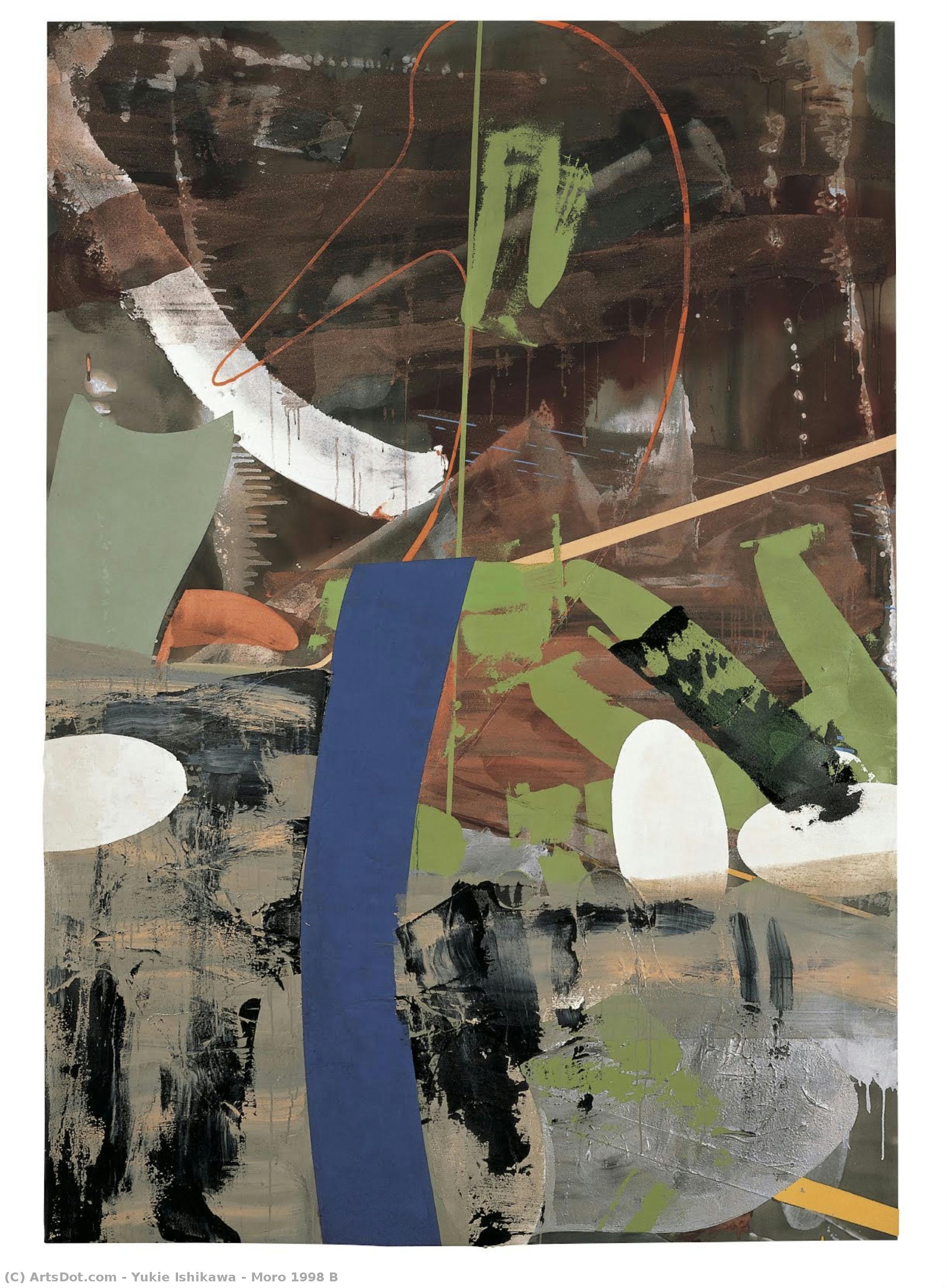
StatsMoro 1998 B


 詳細を見る
詳細を見る
オンラインプレビューをはるかに凌ぐ、高解像度で鮮明なデジタル画像をご購入いただけます。
各ファイルは、社内の専門家が高度なツールと熟練した手作業によるレタッチを用いて、細心の注意を払って準備されています。すべての画像において、卓越した鮮明度、正確な色彩再現性、そして繊細なディテールを保証いたします。
最終ファイルは、プロフェッショナルな編集・印刷環境ですぐにご利用いただけるよう最適化された状態で、72時間以内にメールにてお届けいたします。これは、一流のデザインスタジオ、出版社、ギャラリーから信頼されているものと同等の品質です。
デジタルアート
個人での鑑賞、印刷、クリエイティブなプロジェクト用に、高解像度ファイルをダウンロードできます。 ( Switch to Print 手描きの絵画を購入)
デジタル画像のご注文に付随する特典
高品質なデジタル画像配信を、確かな品質で。
ArtsDot.com を選ぶことは、単に画像を手に入れることではありません。それは、プロの手によって精密に仕上げられ、満足保証が付いた高品質なデジタルアートワークを受け取ることを意味します。ご注文いただいた際に自動的に付随する内容は、以下の通りです:

メールですぐにお届け
ご注文から72時間以内に、高解像度のデジタル画像ファイルがメールでお手元に届きます。すぐにそのままご利用いただけます。

AI技術で最適化されたデジタルファイル
お客様の作品は、高度なAIツールと専門家による手作業の編集を組み合わせてプロフェッショナルに最適化されており、細部のディテール、鮮明さ、そして正確な色再現性を最大限に引き出しています。

一生涯無料の再送サービス
ファイルを誤って削除したり、紛失してしまったりしましたか?ご安心ください。いつでも無料で再送いたします。

輸入手数料は一切かかりません
関税や手数料、配送料を気にすることなく、お気に入りのアートワークをすぐにお楽しみいただけます。デジタルダウンロードは常に免税です。

色彩再現の保証
プロ仕様のツールとカラーマネジメント技術を用いることで、デジタル画像が元の色を最大限に忠実に再現することを保証いたします。

100日間満足保証
ご購入いただいたデジタル画像にご満足いただけない場合は、100日以内であれば、理由を問わず修正または100%の返金対応をさせていただきます。

100% 返金保証
ご満足いただけない場合は、デジタルファイルを受け取ってから100日以内であれば、理由を問わず全額返金いたします。

まとめ買い割引
3枚購入で10%OFF - 5枚購入で15%OFF - 10枚以上購入で20%OFF。クリエイティブなプロジェクト、ギャラリー、エージェンシーに最適です。
関連作品







作家の略歴
The Ethereal Alchemy of Yukie Ishikawa
Born in the vibrant metropolis of Tokyo in 1961, Yukie Ishikawa has spent decades cultivating a visual language that exists in the delicate tension between the tangible world and the realm of pure abstraction. Her journey into the heart of contemporary Japanese painting began at the prestigious Musashino Art University, where she earned her degree in oil painting in 1983. This foundational period set the stage for a career defined by a profound exploration of memory, spirituality, and the ephemeral nature of existence. Today, residing near the historic landscape of Kawagoe in Saitama Prefecture, Ishikawa continues to refine a practice that honors the weight of tradition while fearlessly pushing the boundaries of modern expression.
Ishikawa’s emergence as an artist coincided with the transformative energy of Japan’s New Painting movement. As the global dominance of American Neo-Expressionism and Minimalism began to shift, Japanese artists sought new, subversive ways to navigate a culture undergoing rapid economic expansion and intense consumerist growth. Emerging from the "bubble economy" era, Ishikawa’s early work engaged with the zeitgeist of design and advertisement culture. Rather than rejecting the influx of mass media, she embraced it, utilizing imagery from magazines, newspapers, and books as the raw material for her compositions. This process was not one of mere imitation but of profound transformation, where the commercial artifacts of a bustling Tokyo were stripped of their promotional intent and reborn as poetic abstractions.
Technique: The Metaphotographic Process
The true magic of Ishikawa’s work lies in her meticulous and almost meditative methodology. Her process is often described by curators as a metaphotographic process, a term that captures the way she translates two-dimensional fragments into complex, reconstructed spaces. She begins by selecting forms found within mass media—shapes from advertisements or textures from printed pages—which she then enlarges, projects, and carefully traces onto her canvases. This act of tracing serves as a bridge between reality and abstraction; while the initial forms are flat, Ishikawa uses color and texture to breathe life into them, creating a sense of three-dimensional depth that defies their original two-dimensional origins.
Central to her technical mastery is her interpretation of tentai, a technique rooted in traditional Japanese ink landscape painting. By employing layered textures and atmospheric washes, she achieves a sense of spatial reconstruction that allows the viewer to wander through her paintings as if moving through a mist-covered landscape. Through this deliberate obfuscation of her original sources, she removes the "noise" of the modern world, reducing imagery to its purest form. The result is a pictorial space that exists entirely outside the three-dimensional reality from which it was derived—a sanctuary of pure form and color.
Legacy and Symbolic Resonance
Throughout her illustrious career, Ishikawa has achieved significant critical recognition, marked by prestigious solo exhibitions and inclusion in major art surveys. Her work has been showcased in esteemed venues such as the Ueno Royal Museum in Tokyo and the Blum & Poe galleries in both Tokyo and Los Angeles. Her receipt of the VOCA Encouragement Award in both 1995 and 1999 stands as a testament to her enduring influence within the Japanese art scene. From her early explorations of appropriation to more recent series like Impermanence, her work consistently grapples with the fleeting nature of time and the echoes of the natural world.
The historical significance of Yukie Ishikawa lies in her ability to synthesize the chaotic energy of contemporary urban life with the contemplative stillness of classical Japanese aesthetics. Her paintings do not merely depict objects; they evoke the feeling of memory itself—fragmented, layered, and deeply emotional. By transforming the ephemeral debris of consumer culture into enduring works of symbolic depth, she has established herself as a vital voice in the evolution of modern abstraction, reminding us that even within the most transient images, there lies a profound and permanent beauty.

yukie ishikawa
1961 - , Japan
プロフィール概要
- Artistic Movement Or Style: Contemporary Art Japan
- Artists Or Movements Influenced By This Artist: ['Minimalist art']
- Date Of Birth: Tokyo, Japan (1961)
- Full Name: yukie ishikawa
- Nationality: Japanese
- Notable Artworks:
- Vernal equinox 3
- Moro 1998 B
- Place Of Birth: Tokyo