

 プレビュー
プレビュー
 シェアする
シェアする シェアする
シェアする
 詳細を見る
詳細を見る

 ダウンロード
 似ている作品
 X線調査
X線調査 スライドショー
 統計情報
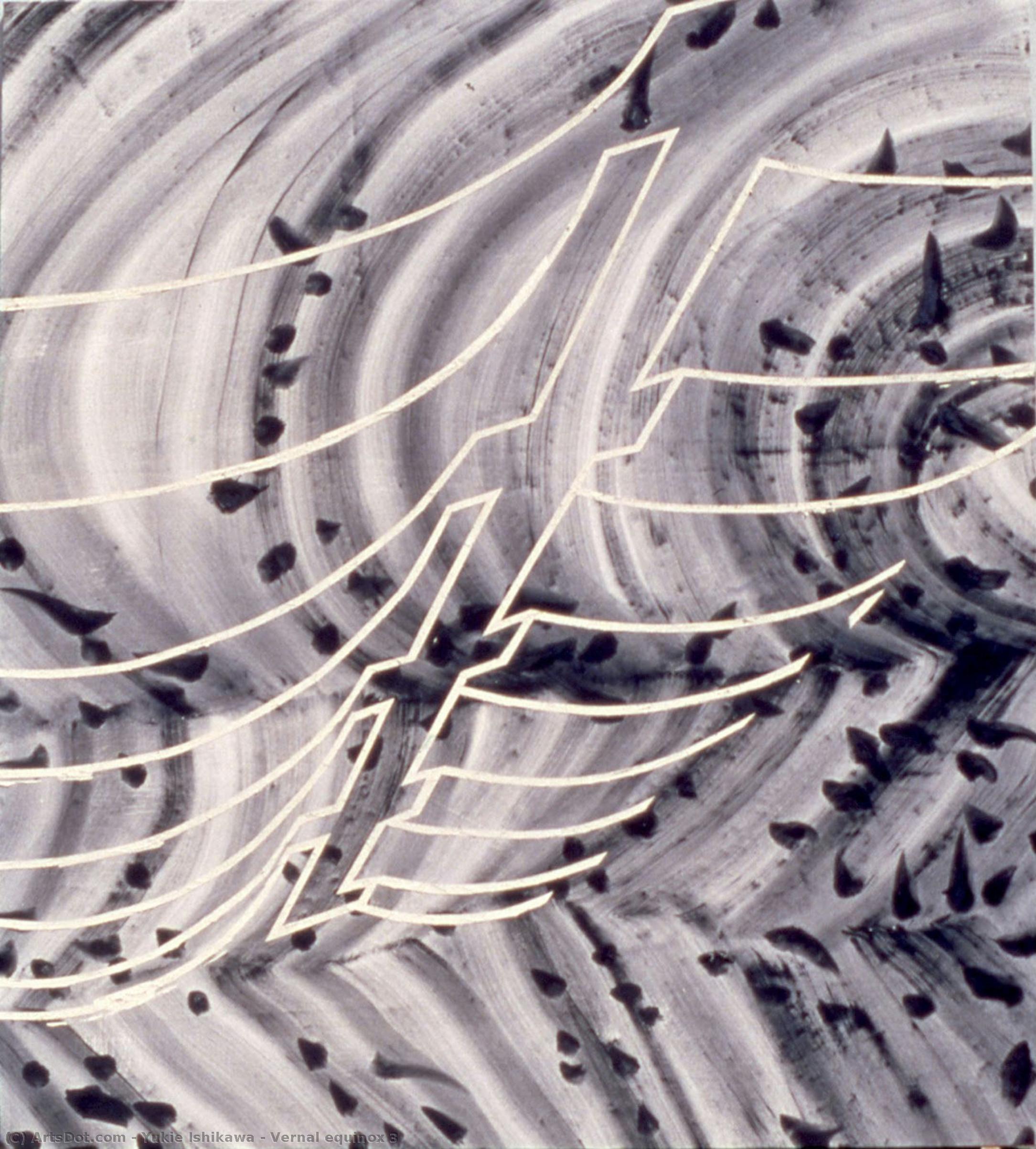
統計情報Vernal equinox 3


 詳細を見る
詳細を見る
手描き油彩複製画
当社のアーティストが、お客様のご希望のサイズと額縁に合わせて、キャンバスに手描きで制作する油彩画です。 ( プリント版に切り替え デジタル画像販売へ切り替え)




































作品のオリジナル比率に合わせた、当店の規定サイズからお選びください。

特定のフレームやスペースに合わせて、ご希望のサイズをご入力いただけます。選択されたサイズが元の画像の比率と異なる場合、アートワークをトリミングするか、手描きで要素を追加して絵画を拡張いたします。デジタルモックアップ を制作し、制作開始前にご確認(承認)をいただきます。
画面上のプレビューは、実際のトリミングや拡張を正確に反映しているものではありません。最終的な構図は、モックアップによってのみ正確にご確認いただけます。
カスタムサイズもご利用いただけますが、元の比率を維持するためには、あらかじめ用意されたリストからサイズを選択することをお勧めいたします。
ご注文後、ArtsDot.com チームより詳細な指示をお送りするとともに、仕上がりイメージ(モックアップ)をご提供いたします。


 ガラスオプションは、110cm未満のサイズでのみご利用いただけます。

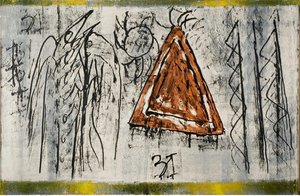
Vernal equinox 3
複製技法
複製画のサイズ
-


合計金額
$ 263
関連作品





アーティストの略歴
The Ethereal Alchemy of Yukie Ishikawa
Born in the vibrant metropolis of Tokyo in 1961, Yukie Ishikawa has spent decades cultivating a visual language that exists in the delicate tension between the tangible world and the realm of pure abstraction. Her journey into the heart of contemporary Japanese painting began at the prestigious Musashino Art University, where she earned her degree in oil painting in 1983. This foundational period set the stage for a career defined by a profound exploration of memory, spirituality, and the ephemeral nature of existence. Today, residing near the historic landscape of Kawagoe in Saitama Prefecture, Ishikawa continues to refine a practice that honors the weight of tradition while fearlessly pushing the boundaries of modern expression.
Ishikawa’s emergence as an artist coincided with the transformative energy of Japan’s New Painting movement. As the global dominance of American Neo-Expressionism and Minimalism began to shift, Japanese artists sought new, subversive ways to navigate a culture undergoing rapid economic expansion and intense consumerist growth. Emerging from the "bubble economy" era, Ishikawa’s early work engaged with the zeitgeist of design and advertisement culture. Rather than rejecting the influx of mass media, she embraced it, utilizing imagery from magazines, newspapers, and books as the raw material for her compositions. This process was not one of mere imitation but of profound transformation, where the commercial artifacts of a bustling Tokyo were stripped of their promotional intent and reborn as poetic abstractions.
Technique: The Metaphotographic Process
The true magic of Ishikawa’s work lies in her meticulous and almost meditative methodology. Her process is often described by curators as a metaphotographic process, a term that captures the way she translates two-dimensional fragments into complex, reconstructed spaces. She begins by selecting forms found within mass media—shapes from advertisements or textures from printed pages—which she then enlarges, projects, and carefully traces onto her canvases. This act of tracing serves as a bridge between reality and abstraction; while the initial forms are flat, Ishikawa uses color and texture to breathe life into them, creating a sense of three-dimensional depth that defies their original two-dimensional origins.
Central to her technical mastery is her interpretation of tentai, a technique rooted in traditional Japanese ink landscape painting. By employing layered textures and atmospheric washes, she achieves a sense of spatial reconstruction that allows the viewer to wander through her paintings as if moving through a mist-covered landscape. Through this deliberate obfuscation of her original sources, she removes the "noise" of the modern world, reducing imagery to its purest form. The result is a pictorial space that exists entirely outside the three-dimensional reality from which it was derived—a sanctuary of pure form and color.
Legacy and Symbolic Resonance
Throughout her illustrious career, Ishikawa has achieved significant critical recognition, marked by prestigious solo exhibitions and inclusion in major art surveys. Her work has been showcased in esteemed venues such as the Ueno Royal Museum in Tokyo and the Blum & Poe galleries in both Tokyo and Los Angeles. Her receipt of the VOCA Encouragement Award in both 1995 and 1999 stands as a testament to her enduring influence within the Japanese art scene. From her early explorations of appropriation to more recent series like Impermanence, her work consistently grapples with the fleeting nature of time and the echoes of the natural world.
The historical significance of Yukie Ishikawa lies in her ability to synthesize the chaotic energy of contemporary urban life with the contemplative stillness of classical Japanese aesthetics. Her paintings do not merely depict objects; they evoke the feeling of memory itself—fragmented, layered, and deeply emotional. By transforming the ephemeral debris of consumer culture into enduring works of symbolic depth, she has established herself as a vital voice in the evolution of modern abstraction, reminding us that even within the most transient images, there lies a profound and permanent beauty.

yukie ishikawa
1961 - , Japan
基本情報
- Artistic Movement Or Style: Contemporary Art Japan
- Artists Or Movements Influenced By This Artist: ['Minimalist art']
- Date Of Birth: Tokyo, Japan (1961)
- Full Name: yukie ishikawa
- Nationality: Japanese
- Notable Artworks:
- Vernal equinox 3
- Moro 1998 B
- Place Of Birth: Tokyo