 プレビュー
プレビュー
 シェアする
シェアする シェアする
シェアする
 詳細を見る
詳細を見る

 ダウンロード
 似ている作品
 X線調査
X線調査 スライドショー
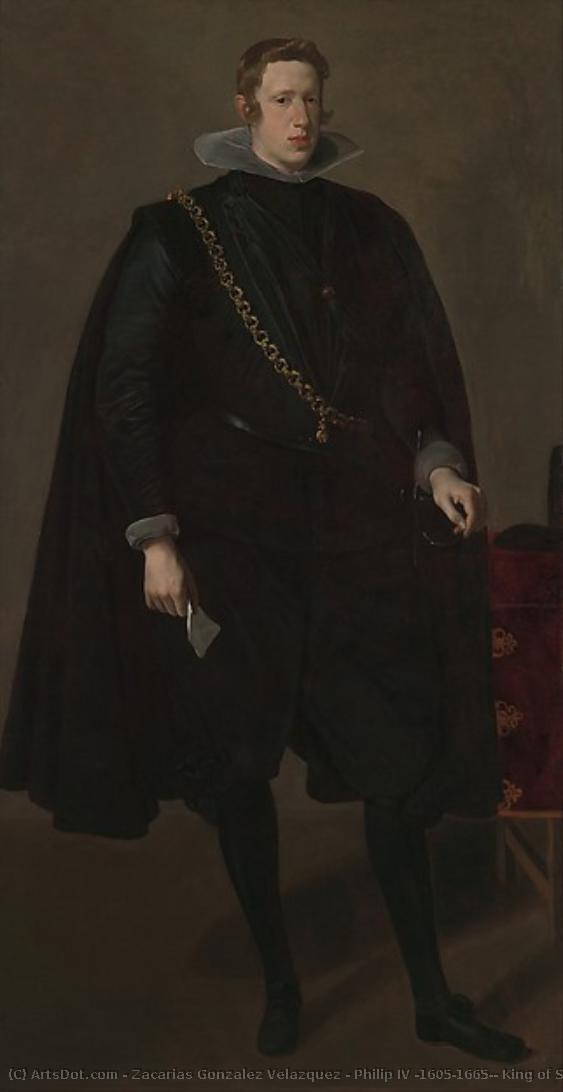
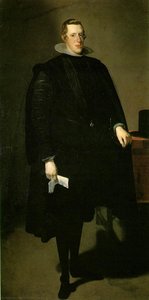
Philip IV (1605–1665), King of Spain
 1624
1624 200.0 x 103.0 cm
 メトロポリタン美術館
 詳細を見る
詳細を見る
ジークレー/アートプリント
迅速な制作と多彩な仕上げオプションを備えた、ミュージアムクオリティのジークレーまたはキャンバスプリント。 ( 手描きの絵画を購入 画像を購入)




































作品のオリジナル比率に合わせた、当店の規定サイズからお選びください。

特定のフレームやスペースに合わせて、ご自身でサイズを指定することも可能です。選択されたサイズが元の画像の比率と一致しない場合、作品をトリミングするか、鏡面反射または単色での塗りつぶしによって画像を拡張いたします。制作を開始する前に、ご確認用のデジタルモックアップをお送りいたします。
画面上のプレビューには、実際のトリミングや拡張は反映されませんのでご注意ください。最終的な構図を正確に確認できるのは、モックアップのみとなります。
カスタムサイズも承っておりますが、元の比率を維持するためには、あらかじめ用意されたリストからサイズを選択することをお勧めいたします。


 ガラスオプションは、110cm未満のサイズでのみご利用いただけます。

Philip IV (1605–1665), King of Spain
ジークレー/アートプリント
複製画のサイズ
-


合計金額
$ 62
関連作品
アーティストの略歴
A Legacy Carved in Light and Lineage
To understand the artistry of Zacarías González Velázquez is to step into the heart of a Spanish dynasty where the brush was both a tool and a birthright. Born in Madrid in 1763, Zacarías did not merely enter the world of art; he was immersed in it from his first breath. He belonged to the illustrious González Velázquez family, a lineage of painters, sculptors, and architects that defined the Spanish late-Baroque aesthetic for generations. His father, the celebrated Antonio González Velázquez, served as a profound mentor, instilling in his son not only the technical rigors of the craft but also a deep reverence for the grandeur and religious fervor that characterized the era. This familial foundation provided Zacarías with an unparalleled education, blending the inherited traditions of his ancestors with the burgeoning academic standards of his time.
His formal journey into the heights of Spanish academia began in 1777 at the Real Academia de Bellas and Artes de San Fernando. Under the watchful eyes of masters like Mariano Salvador Maella, Zacarías refined a style that would eventually bridge the gap between the dramatic shadows of the Baroque and the emotive, atmospheric qualities of early Romanticism. His training was rigorous, emphasizing anatomical precision and the mastery of classical composition—elements that allowed him to navigate complex mythological narratives and solemn religious subjects with equal grace.
Royal Splendor and Architectural Vision
As his reputation grew, so did the scale of his ambitions. Zacarías became a sought-after figure for the most prestigious commissions in Spain, earning the trust of the monarchy to decorate the opulent interiors of the royal residences. His work within the El Pardo Palace stands as a testament to his ability to transform architectural spaces into theatrical stages of myth and legend. Through his meticulous use of light and color, he breathed life into mythological scenes that demanded both narrative clarity and visual splendor, ensuring that every brushstroke contributed to the overarching atmosphere of royal majesty.
Yet, the artist's vision was never confined solely to the canvas. Zacarías possessed a rare, multidisciplinary intellect that allowed him to perceive art as an integrated part of the built environment. His contributions extended into the realm of architectural design, where he left his mark on sacred landmarks such as the Toledo Cathedral and the Jerónimos Monastery. This ability to harmonize painting with architecture demonstrates a profound understanding of how visual storytelling can inhabit and elevate physical space, making him not just a painter, but a true architect of emotion.
The Zenith of Spanish Baroque Mastery
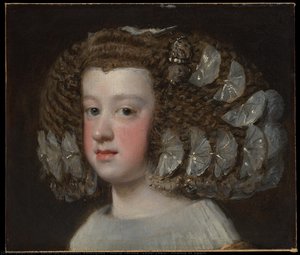
The enduring significance of Zacarías González Velázquez lies in his role as a transitional master. While his works are deeply rooted in the Spanish Baroque tradition—characterized by its dramatic use of chiaroscuro and emotional intensity—there is an unmistakable sense of movement and light in his later developments that hints at the approaching Romantic era. His portraits, ranging from intimate self-portraits to regal depictions of figures like the Infanta María Teresa, reveal a painter capable of capturing the very soul of his subjects through a delicate balance of realism and idealization.
His life's work remains a vital chapter in the history of Spanish art, representing the final, brilliant flourish of a stylistic tradition that had dominated Europe for decades. Through his dedication to the academic excellence of San Fernando and his service to the Spanish Crown, Zacarías ensured that the legacy of the González Velázquez name would be etched forever into the cultural fabric of Spain. His ability to distill complex human emotions and intellectual contemplation into visual form continues to resonate, offering a window into an age of unparalleled artistic grandeur.
zacarías gonzález velázquez
1763 - 1834
基本情報
- Artistic Movement Or Style: Baroque
- Artists Or Movements Influenced By This Artist: ['Neoclassicism']
- Artists Who Influenced This Artist: ['Antonio González Velázquez']
- Date Of Birth: 1763
- Date Of Death: 1834
- Full Name: Zacarías González Velázquez
- Nationality: Spanish
- Notable Artworks:
- Columbus
- Portrait of Ferdinand VII
- Portrait of Maria Luisa of Parma
- The Miracle of Saint Casimir
- Young Girl
- Place Of Birth: Madrid, Spain