

 プレビュー
プレビュー
 プリントを購入
 シェアする
シェアする シェアする
シェアする
 詳細を見る
詳細を見る

 ダウンロード
 似ている作品
 X線調査
X線調査 スライドショー
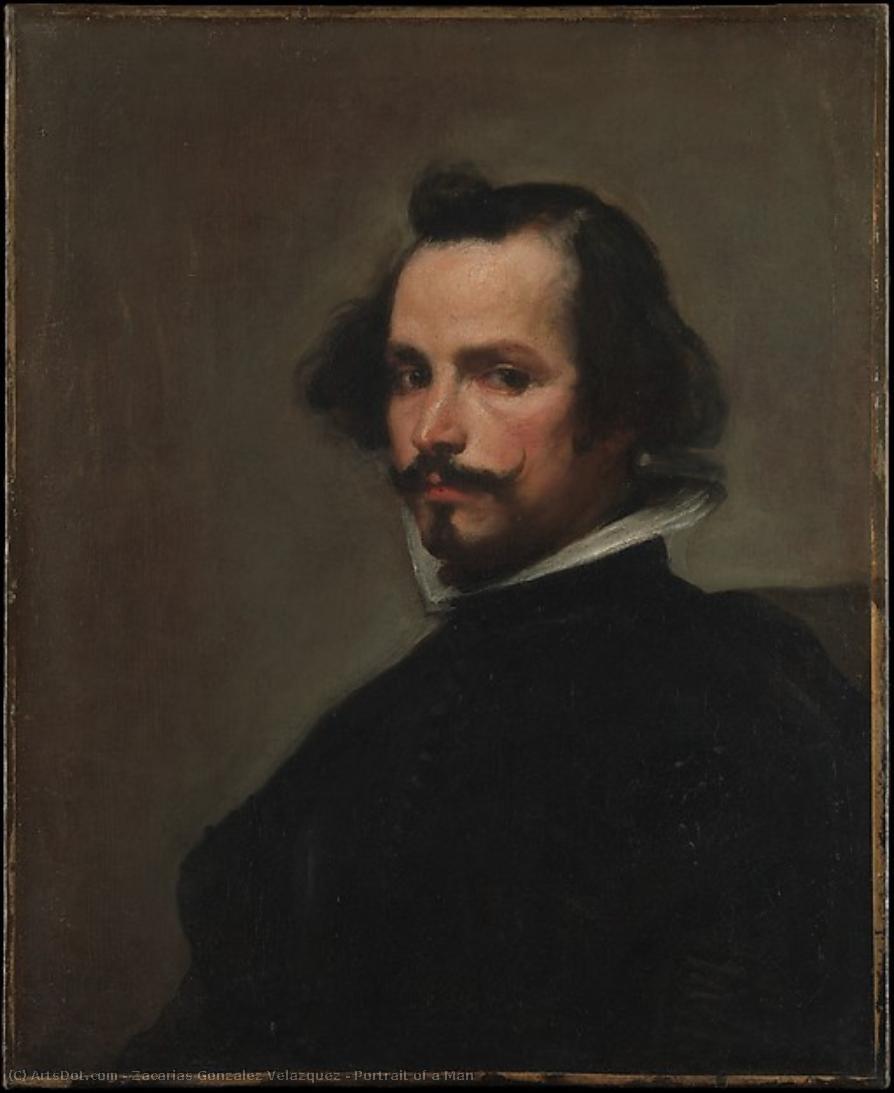
Portrait of a Man
 Acrylic On Canvas
- WallArt
- Baroque Painting
 1650
1650 69.0 x 57.0 cm
 メトロポリタン美術館
 詳細を見る
詳細を見る
オンラインプレビューをはるかに凌ぐ、高解像度で鮮明なデジタル画像をご購入いただけます。
各ファイルは、社内の専門家が高度なツールと熟練した手作業によるレタッチを用いて、細心の注意を払って準備されています。すべての画像において、卓越した鮮明度、正確な色彩再現性、そして繊細なディテールを保証いたします。
最終ファイルは、プロフェッショナルな編集・印刷環境ですぐにご利用いただけるよう最適化された状態で、72時間以内にメールにてお届けいたします。これは、一流のデザインスタジオ、出版社、ギャラリーから信頼されているものと同等の品質です。
デジタル画像のご注文に付随する特典
高品質なデジタル画像配信を、確かな品質で。
ArtsDot.com を選ぶことは、単に画像を手に入れることではありません。それは、プロの手によって精密に仕上げられ、満足保証が付いた高品質なデジタルアートワークを受け取ることを意味します。ご注文いただいた際に自動的に付随する内容は、以下の通りです:

メールですぐにお届け
ご注文から72時間以内に、高解像度のデジタル画像ファイルがメールでお手元に届きます。すぐにそのままご利用いただけます。

AI技術で最適化されたデジタルファイル
お客様の作品は、高度なAIツールと専門家による手作業の編集を組み合わせてプロフェッショナルに最適化されており、細部のディテール、鮮明さ、そして正確な色再現性を最大限に引き出しています。

一生涯無料の再送サービス
ファイルを誤って削除したり、紛失してしまったりしましたか?ご安心ください。いつでも無料で再送いたします。

輸入手数料は一切かかりません
関税や手数料、配送料を気にすることなく、お気に入りのアートワークをすぐにお楽しみいただけます。デジタルダウンロードは常に免税です。

色彩再現の保証
プロ仕様のツールとカラーマネジメント技術を用いることで、デジタル画像が元の色を最大限に忠実に再現することを保証いたします。

60日間満足保証
ご購入いただいたデジタル画像にご満足いただけない場合は、60日以内であれば、修正または100%の返金(理由を問う必要はありません)をさせていただきます。

100% 返金保証
ご満足いただけない場合は、デジタルファイルを受け取ってから60日以内であれば、理由を問わず全額返金いたします。

まとめ買い割引
3枚購入で10%OFF - 5枚購入で15%OFF - 10枚以上購入で20%OFF。クリエイティブなプロジェクト、ギャラリー、エージェンシーに最適です。
A Portrait Steeped in Mystery: Exploring Velázquez’s “Portrait of a Man”
The painting "Portrait of a Man," attributed to Diego Rodríguez de Silva y Velázquez, remains one of the most enigmatic canvases within The Metropolitan Museum of Art's collection. Its origins are shrouded in speculation, fueling ongoing debate amongst art historians and prompting meticulous scrutiny into its stylistic nuances and technical prowess. Dating back to approximately 1650, this portrait transcends mere representation; it embodies a profound exploration of identity and perception—a hallmark of Velázquez’s masterful approach to artistic expression.Style and Technique: Echoes of Baroque Grandeur
Velázquez's signature style is instantly recognizable – characterized by an unparalleled ability to capture the subtleties of human emotion and form with breathtaking realism. “Portrait of a Man” exemplifies this dedication to observation, employing a technique rooted in chiaroscuro—the dramatic interplay between light and shadow—to sculpt the figure’s contours and imbue it with palpable presence. The artist skillfully utilizes glazing techniques, layering translucent washes of pigment over underdrawings to achieve luminous skin tones and subtle gradations of color that convey an astonishing level of detail. Notably similar to Velázquez's “Portrait of Juan de Pareja,” which resides nearby, the canvas weave and ground preparation suggest a deliberate emulation of his favored methods—a testament to Velázquez’s influence on subsequent generations of painters.Historical Context: Navigating Artistic Patronage
The painting emerged during Spain’s Golden Age – a period marked by immense artistic flourishing fueled by royal patronage and a fervent belief in the power of art to glorify God and celebrate human achievement. Velázquez served as court painter to Philip IV, immersing himself in the opulent rituals and intellectual debates of Habsburg Spain. This environment fostered an aesthetic sensibility that prioritized psychological depth alongside formal elegance—a desire to portray not merely outward appearance but also inner character. The sitter’s gaze directs firmly toward the viewer, creating a compelling dialogue between subject and observer – a gesture that speaks volumes about Velázquez's understanding of human psychology.Symbolism and Emotional Resonance: Beyond Surface Appearance
While the identity of the man depicted remains elusive—a deliberate ambiguity reflecting the artistic conventions of the time—the portrait’s composition carries significant symbolic weight. The dark background serves to isolate the figure, emphasizing his individuality against a backdrop of obscurity – mirroring perhaps the complexities inherent in self-awareness and introspection. Furthermore, the meticulous rendering of facial features—particularly the beard and mustache—suggests an older gentleman, hinting at wisdom gained through experience and conveying a sense of dignified repose. The painting’s overall mood is contemplative, inviting viewers to contemplate themes of contemplation and inner reflection – qualities that resonate powerfully with the spirit of Baroque art.Conclusion: An Enduring Legacy
“Portrait of a Man” stands as an enduring testament to Velázquez's artistic genius—a masterpiece that continues to captivate audiences centuries after its creation. Its masterful technique, combined with its profound psychological insight and evocative symbolism, secures its place among the most celebrated portraits in Western art history. More than just a depiction of a man’s likeness, it is an exploration of human consciousness itself – a timeless reminder of Velázquez's unparalleled ability to transform pigment and canvas into instruments of artistic contemplation.関連作品



作家の略歴
A Legacy Carved in Light and Lineage
To understand the artistry of Zacarías González Velázquez is to step into the heart of a Spanish dynasty where the brush was both a tool and a birthright. Born in Madrid in 1763, Zacarías did not merely enter the world of art; he was immersed in it from his first breath. He belonged to the illustrious González Velázquez family, a lineage of painters, sculptors, and architects that defined the Spanish late-Baroque aesthetic for generations. His father, the celebrated Antonio González Velázquez, served as a profound mentor, instilling in his son not only the technical rigors of the craft but also a deep reverence for the grandeur and religious fervor that characterized the era. This familial foundation provided Zacarías with an unparalleled education, blending the inherited traditions of his ancestors with the burgeoning academic standards of his time.
His formal journey into the heights of Spanish academia began in 1777 at the Real Academia de Bellas and Artes de San Fernando. Under the watchful eyes of masters like Mariano Salvador Maella, Zacarías refined a style that would eventually bridge the gap between the dramatic shadows of the Baroque and the emotive, atmospheric qualities of early Romanticism. His training was rigorous, emphasizing anatomical precision and the mastery of classical composition—elements that allowed him to navigate complex mythological narratives and solemn religious subjects with equal grace.
Royal Splendor and Architectural Vision
As his reputation grew, so did the scale of his ambitions. Zacarías became a sought-after figure for the most prestigious commissions in Spain, earning the trust of the monarchy to decorate the opulent interiors of the royal residences. His work within the El Pardo Palace stands as a testament to his ability to transform architectural spaces into theatrical stages of myth and legend. Through his meticulous use of light and color, he breathed life into mythological scenes that demanded both narrative clarity and visual splendor, ensuring that every brushstroke contributed to the overarching atmosphere of royal majesty.
Yet, the artist's vision was never confined solely to the canvas. Zacarías possessed a rare, multidisciplinary intellect that allowed him to perceive art as an integrated part of the built environment. His contributions extended into the realm of architectural design, where he left his mark on sacred landmarks such as the Toledo Cathedral and the Jerónimos Monastery. This ability to harmonize painting with architecture demonstrates a profound understanding of how visual storytelling can inhabit and elevate physical space, making him not just a painter, but a true architect of emotion.
The Zenith of Spanish Baroque Mastery
The enduring significance of Zacarías González Velázquez lies in his role as a transitional master. While his works are deeply rooted in the Spanish Baroque tradition—characterized by its dramatic use of chiaroscuro and emotional intensity—there is an unmistakable sense of movement and light in his later developments that hints at the approaching Romantic era. His portraits, ranging from intimate self-portraits to regal depictions of figures like the Infanta María Teresa, reveal a painter capable of capturing the very soul of his subjects through a delicate balance of realism and idealization.
His life's work remains a vital chapter in the history of Spanish art, representing the final, brilliant flourish of a stylistic tradition that had dominated Europe for decades. Through his dedication to the academic excellence of San Fernando and his service to the Spanish Crown, Zacarías ensured that the legacy of the González Velázquez name would be etched forever into the cultural fabric of Spain. His ability to distill complex human emotions and intellectual contemplation into visual form continues to resonate, offering a window into an age of unparalleled artistic grandeur.
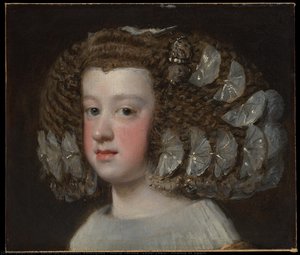
zacarías gonzález velázquez
1763 - 1834
プロフィール概要
- Artistic Movement Or Style: Baroque
- Artists Or Movements Influenced By This Artist: ['Neoclassicism']
- Artists Who Influenced This Artist: ['Antonio González Velázquez']
- Date Of Birth: 1763
- Date Of Death: 1834
- Full Name: Zacarías González Velázquez
- Nationality: Spanish
- Notable Artworks:
- Columbus
- Portrait of Ferdinand VII
- Portrait of Maria Luisa of Parma
- The Miracle of Saint Casimir
- Young Girl
- Place Of Birth: Madrid, Spain

