

 プレビュー
プレビュー
 シェアする
シェアする シェアする
シェアする
 詳細を見る
詳細を見る

 ダウンロード
 似ている作品
 X線調査
X線調査 スライドショー
 統計情報
統計情報Mao
 200.0 x 200.0 cm
 詳細を見る
詳細を見る
ジークレー/アートプリント
迅速な制作と多彩な仕上げオプションを備えた、ミュージアムクオリティのジークレーまたはキャンバスプリント。 ( 手描きの絵画を購入 デジタル画像販売へ切り替え)




































作品のオリジナル比率に合わせた、当店の規定サイズからお選びください。

特定のフレームやスペースに合わせて、ご自身でサイズを指定することも可能です。選択されたサイズが元の画像の比率と一致しない場合、作品をトリミングするか、鏡面反射または単色での塗りつぶしによって画像を拡張いたします。制作を開始する前に、ご確認用のデジタルモックアップをお送りいたします。
画面上のプレビューには、実際のトリミングや拡張は反映されませんのでご注意ください。最終的な構図を正確に確認できるのは、モックアップのみとなります。
カスタムサイズも承っておりますが、元の比率を維持するためには、あらかじめ用意されたリストからサイズを選択することをお勧めいたします。


 ガラスオプションは、110cm未満のサイズでのみご利用いただけます。

Mao
ジークレー/アートプリント
複製画のサイズ
-


合計金額
$ 62
Artist's Inspiration and Style
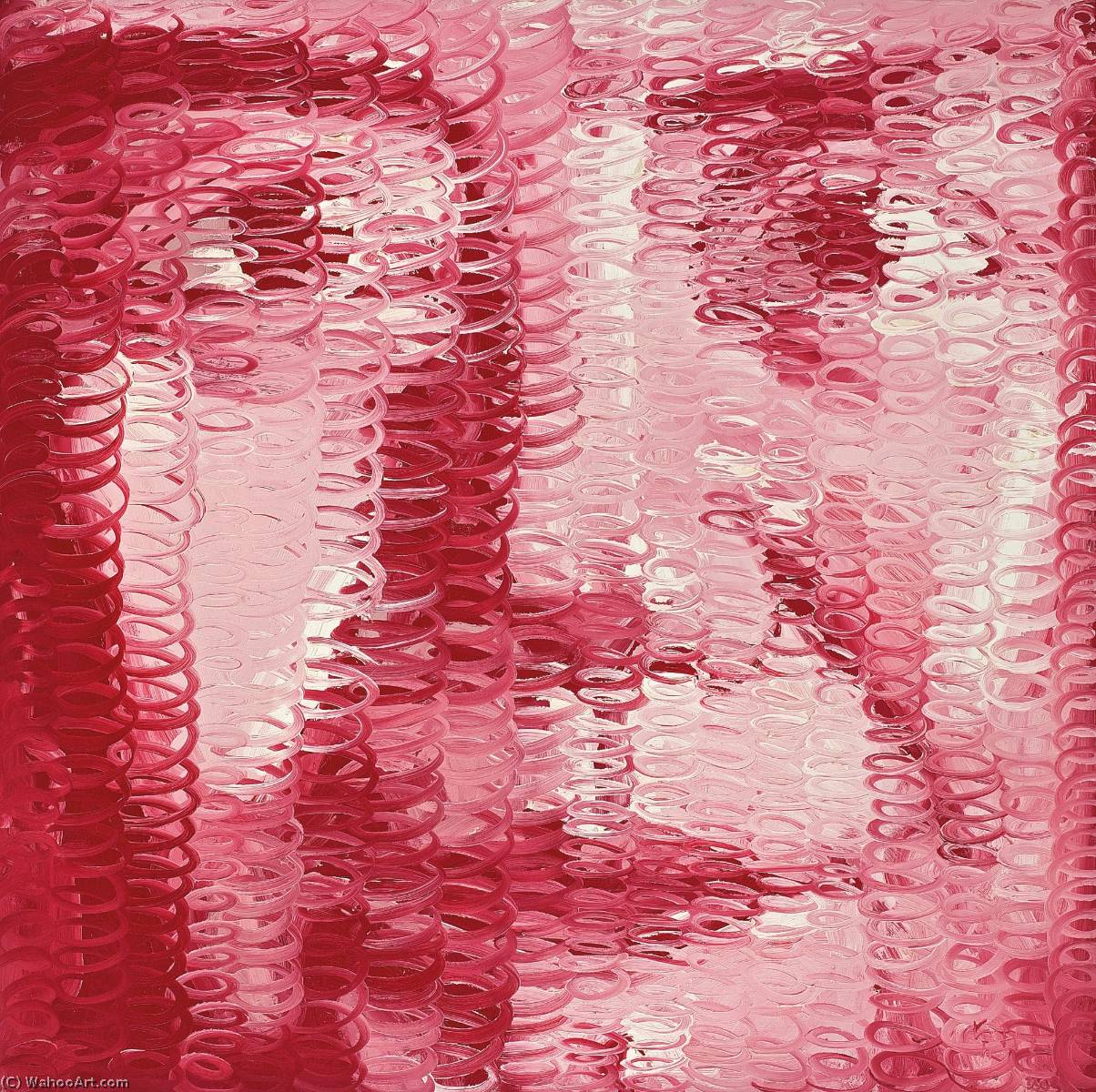
Zeng Fanzhi's work is characterized by his use of vibrant colors and bold brushstrokes, which are reminiscent of German Expressionism. His artistic style has been influenced by various factors, including his experiences during the Cultural Revolution and his interest in Western art history. The Mao painting is a testament to Zeng Fanzhi's ability to blend different styles and create something truly unique.Some of Zeng Fanzhi's notable works include Untitled 08 4 6 and Untitled, which can be found on /art/list/?Filter=AQQV7S-Zeng-Fanzhi-Untitled-08-4-6 and /art/list/?Filter=AQQV7Q-Zeng-Fanzhi-Untitled. These paintings demonstrate the artist's experimentation with different techniques and styles, making him one of the most prominent figures in contemporary Chinese art.
Importance of the Painting
The Mao painting is significant not only because of its artistic value but also due to its historical context. It represents a period of great change and turmoil in China, and Zeng Fanzhi's portrayal of Mao serves as a commentary on the country's complex past. The painting is a powerful example of how art can be used to express emotions and ideas, making it a valuable addition to any art collection.Some notable museums that feature Zeng Fanzhi's work include the Ullens Center for Contemporary Art and the CAFA Art Museum. These institutions play a crucial role in promoting contemporary Chinese art and providing a platform for artists like Zeng Fanzhi to showcase their work.
- Oil on canvas is the primary medium used by Zeng Fanzhi in his paintings.
- The Mao painting measures 200 x 200 cm, making it a significant piece in terms of size and scale.
- Zeng Fanzhi's work can be found on https://ArtsDot.com, which offers handmade oil painting reproductions of his notable pieces.
関連作品
アーティストの略歴
The Masked Soul of Contemporary China
Zeng Fanzhi stands as a singular, haunting figure within the vast landscape of Asian contemporary art, a painter whose brush captures the profound psychological tremors of a nation in transition. Born in 1964 in Wuhan, Hubei province, his early consciousness was deeply etched by the turbulent legacy of the Cultural Revolution. This period of intense ideological conflict and societal pressure instilled in him an enduring sensitivity to the complexities of human identity and the masks we wear to navigate existence. His formative years, spent under the shadow of Mao Zedong’s rule, provided a backdrop of profound uncertainty that would later manifest in his work as a relentless pursuit of visceral expression and an unflinching confrontation with existential anxiety.
Seeking to master the tools of visual language, Zeng pursued formal training at the Hubei Academy of Fine Arts. It was here that he began to synthesize traditional foundations with the emotive power of Western art history. He found deep resonance in the works of German Expressionists, such as Ernst Ludwig Kirchner and Emil Nolde, whose use of distorted forms and raw, emotive abstraction offered him a way to communicate inner turmoil and societal injustice. His early explorations were characterized by large-scale abstract paintings, yet his true creative metamorphosis was catalyzed by his relocation to Beijing in the early 1990s. This move into the burgeoning urban center of China’s contemporary art scene provided a stark, often superficial environment that served as the perfect crucible for his developing style.
The Tension of the Mask and the Flesh
The arrival of Zeng Fanzhi's seminal Mask Series in 1996 marked a watershed moment in Chinese contemporary art. These portraits, featuring figures shrouded in white, featureless masks, became an instant icon of the era. Through these works, Zeng explored the profound tension between the artist's deep existential concerns and the performative, often pompous posturing of modern urban life. The masks serve as a powerful symbol of the social facades and the loss of authentic selfhood in a rapidly changing society. His technique in this series is masterfully calibrated; while his brushstrokes may appear expressionistic, they function with an ironic precision, playing against the superficially composed appearances of his subjects.
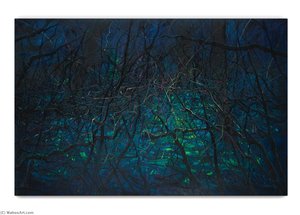
Beyond the masks, Zeng’s oeuvre delves into even more visceral territories, notably through his Hospital Triptych series. In these works, the artist explores themes of vulnerability, decay, and the raw reality of the human condition. His ability to render exposed flesh and awkward, oversized anatomical details creates an unsettling beauty that is both repulsive and deeply moving. This mastery of texture and color—often utilizing vibrant, bold tones reminiscent of his expressionist influences—allows him to bridge the gap between the physical body and the psychological state. Whether depicting the distorted features of a leader in his Mao paintings or the haunting stillness of bare trees in his untitled landscapes, Zeng’s work remains anchored in an intuitive psychological sense.
Legacy and Artistic Significance
Zeng Fanzhi's ascent to becoming one of China’s most financially successful and critically acclaimed artists is a testament to his ability to translate local historical trauma into a universal language of human emotion. His contribution to the Cynical Realism movement, while maintaining a highly individualistic voice, has helped define the trajectory of Chinese art on the global stage. His work does not merely document a period of change; it interrogates the very soul of that change, asking what remains of the individual when the structures of society are in constant flux.
Today, his paintings are held in prestigious collections worldwide, including the Ullens Center for Contemporary Art and the CAFA Art Museum. His enduring significance lies in his refusal to provide easy answers. Instead, through his use of oil on canvas and a uniquely calibrated expressionistic technique, he invites viewers into a space of profound contemplation, where the boundaries between the seen and the hidden, the public mask and the private soul, are perpetually blurred.
Zeng Fanzhi
1964 -
基本情報
- Artistic Movement Or Style: Expressionism
- Artists Or Movements Influenced By This Artist: ['Contemporary Chinese Art']
- Artists Who Influenced This Artist: ['German Expressionist Painters']
- Date Of Birth: 1964
- Date Of Death: Living
- Full Name: Zeng Fanzhi
- Nationality: Chinese
- Notable Artworks:
- Mask Series 1996 No. 6
- Untitled
- Place Of Birth: Wuhan, Hubei