

 プレビュー
プレビュー
 シェアする
シェアする シェアする
シェアする
 詳細を見る
詳細を見る

 ダウンロード
 似ている作品
 X線調査
X線調査 スライドショー
 統計情報
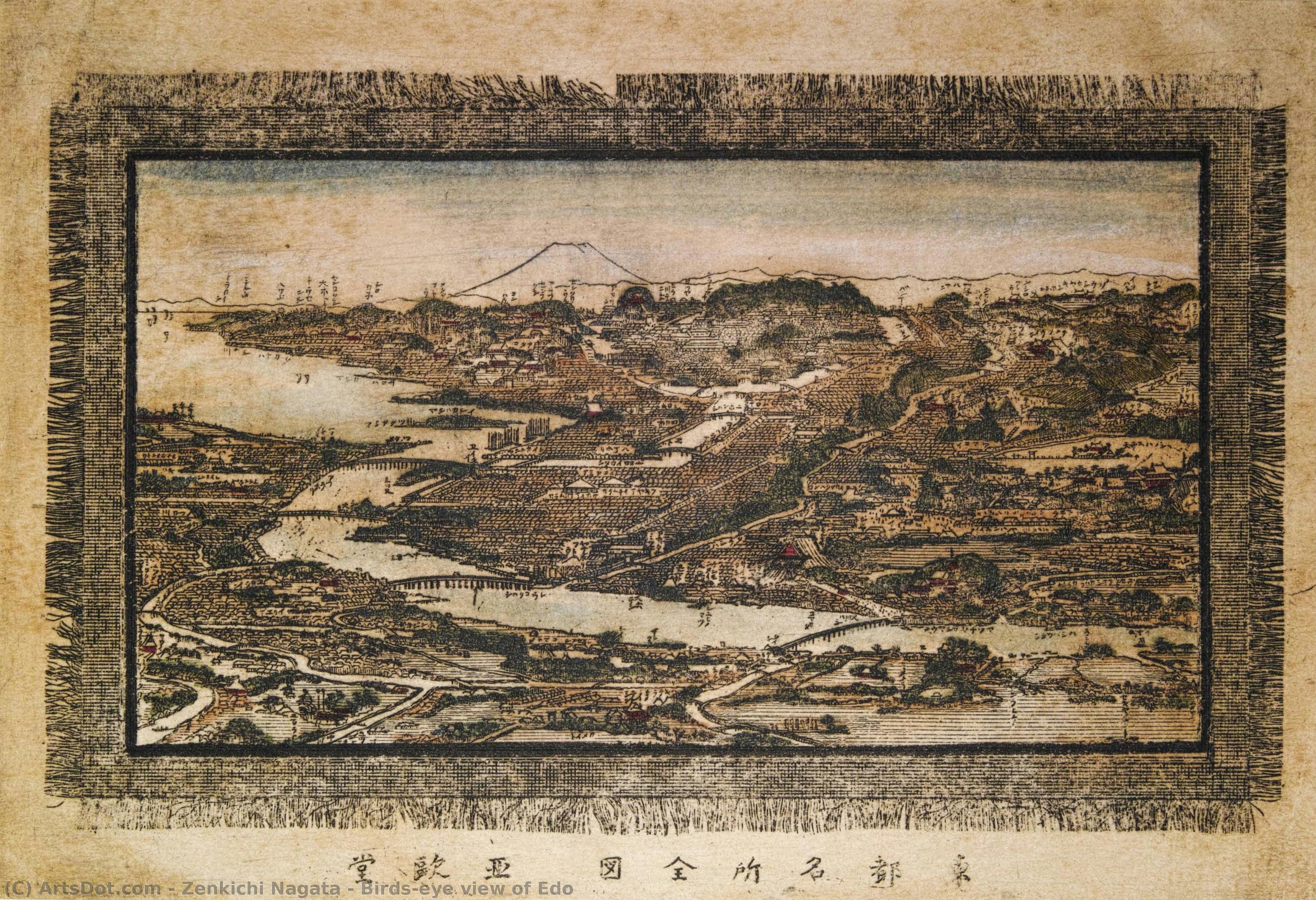
統計情報Birds-eye view of Edo
 Engraving
 Early Modern
 16.0 x 11.0 cm
 Kobe City Museum
 詳細を見る
詳細を見る
手描き油彩複製画
当社のアーティストが、お客様のご希望のサイズと額縁に合わせて、キャンバスに手描きで制作する油彩画です。 ( プリント版に切り替え デジタル画像販売へ切り替え)




P118B $10

P118H $10

P118W $10

P438Z $10

P508JH $12

P508YH $12

P805H $10

P805Z $10

P919BZ $10

P919G $10

P919XJ $10

P959ZH $10

P968JZ $12

W106C $8

W218G $10

W218JH $8

W218Y $10

W307PJ $10

W316G $10

W316PJ $8

W316Y $10

W398PJ $8

W4111J $10

W500HY $15

W500JH $15

W692G $12

W849H $8

W940BG $15

W953PJ $8




作品のオリジナル比率に合わせた、当店の規定サイズからお選びください。

特定のフレームやスペースに合わせて、ご希望のサイズをご入力いただけます。選択されたサイズが元の画像の比率と異なる場合、アートワークをトリミングするか、手描きで要素を追加して絵画を拡張いたします。デジタルモックアップ を制作し、制作開始前にご確認(承認)をいただきます。
画面上のプレビューは、実際のトリミングや拡張を正確に反映しているものではありません。最終的な構図は、モックアップによってのみ正確にご確認いただけます。
カスタムサイズもご利用いただけますが、元の比率を維持するためには、あらかじめ用意されたリストからサイズを選択することをお勧めいたします。
ご注文後、ArtsDot.com チームより詳細な指示をお送りするとともに、仕上がりイメージ(モックアップ)をご提供いたします。


 ガラスオプションは、110cm未満のサイズでのみご利用いただけます。

Birds-eye view of Edo
複製技法
複製画のサイズ
-


合計金額
$ 263
A Window into the Heart of Old Edo
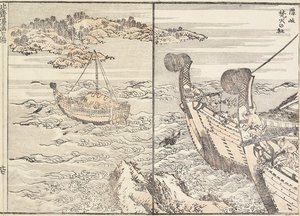
In the delicate lines of Birds-eye view of Edo, we are invited to transcend time and hover above the bustling streets of Japan’s legendary capital during the late Edo period. This exquisite copperplate engraving, crafted by the visionary artist Zenkichi Nagata—better known by his illustrious pseudonym Aōdō Denzen—offers much more than a mere topographical record. It is a vibrant, breathing tapestry of urban life. As your eyes sweep across the Sumida River’s eastern bank, you are met with a panoramic splendor where the water serves as a liquid highway, teeming with boats that navigate the currents amidst a landscape of densely packed dwellings. The scene captures a moment of profound vitality, where every stroke of the engraver's tool suggests the rhythmic pulse of a city in motion, making it an ideal centerpiece for those who appreciate the intersection of historical grandeur and intricate detail.
The mastery behind this piece lies in its revolutionary fusion of Eastern sensibility and Western technical precision. Unlike the traditional ukiyo-e woodblock prints of his era, which often relied on flat planes of color, Nagata utilized the medium of copperplate engraving to introduce a sense of depth and realism previously unseen in Japanese art. Through the sophisticated use of perspective and fine hatching, he achieved a "painterly eye" that captures the architectural density and the atmospheric scale of the cityscape. This technique allows the viewer to perceive the subtle textures of the rooftops and the sprawling complexity of the town, creating an immersive experience that feels remarkably modern. For the discerning collector or interior designer, this work provides a sophisticated layer of intellectual depth, offering a window into the dawn of Japan's encounter with Western artistic methodologies.
Beyond its technical brilliance, the artwork carries a profound historical weight, representing a pivotal era of cultural transformation. The story of Nagata himself—a man whose talent was recognized by the influential Matsudaira Sadanobu—is woven into the very fabric of this print. As a pioneer who bridged the gap between traditional Japanese aesthetics and the emerging Western influence, his work embodies the spirit of innovation and curiosity that defined the late Edo period. The presence of Katakana place names scattered throughout the composition acts as a nostalgic map, guiding the viewer through a lost world of merchant houses and riverside activity. To possess a reproduction of this masterpiece is to hold a fragment of history; it is an invitation to contemplate the enduring beauty of human civilization and the timeless allure of the urban landscape.
関連作品


アーティストの略歴
early life and training
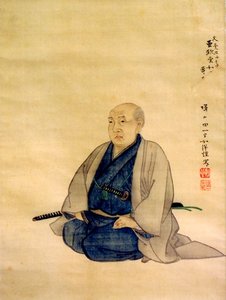
zenkichi nagata, also known as aōdō denzen, was a japanese painter and copperplate engraver born in sukagawa, japan in 1748. he was a leading figure in japanese painting during the late edo period and is credited with introducing western painting to japan.artistic style and techniques
aōdō employed western-style painting techniques such as perspective and shading to achieve western-style copperplate engravings. this innovative approach set him apart from his contemporaries and paved the way for future generations of japanese artists.notable works
some of zenkichi nagata's notable works include:- view of a european plaza (56 x 30 cm, kobe city museum, japan), showcasing his mastery of western-style painting.
- restaurant near the shinobazunoike pond (16 x 12 cm, kobe city museum, japan), demonstrating his ability to capture everyday scenes with elegance.
- birds-eye view of edo (16 x 11 cm, kobe city museum, japan), exemplifying his skill in rendering detailed cityscapes.
legacy and influence
zenkichi nagata's contributions to japanese painting are undeniable. his introduction of western techniques paved the way for future artists, such as mori ransai, who continued to push the boundaries of japanese art.- explore more of zenkichi nagata's works on ArtsDot.com.
- learn about the nanga art movement, which influenced many japanese artists.
- discover other notable japanese artists, such as mori ransai, on ArtsDot.com.
conclusion
zenkichi nagata's impact on japanese painting is undeniable. his innovative techniques and beautiful works continue to inspire artists today. as a leading figure in the late edo period, his legacy endures, and his art remains a testament to his skill and vision.- view more of zenkichi nagata's paintings at kobe city museum.
- read about the history of japanese painting on wikipedia.
Zenkichi Nagata
1748 - 1822 , Japan
基本情報
- Artistic Movement Or Style: Neoclassicism
- Artists Or Movements Influenced By This Artist:
- Anne Louis Girodet
- Ingres
- Artists Who Influenced This Artist:
- François Boucher
- Joseph-Marie Vien
- Date Of Birth: August 30, 1748
- Date Of Death: December 29, 1825
- Full Name: Jacques-Louis David
- Nationality: French
- Notable Artworks:
- Oath of the Horatii
- Death of Marat
- Napoleon Crossing Alps
- Place Of Birth: Paris, France
関連記事

The Intricate World of Engraving: A Historical Survey of Technique, Artistic Expression & Enduring Legacy
Explore the rich history of engraving with ArtsDot. Discover techniques, iconic artists like Dürer & Callot, collecting tips, and expert guidance for preserving your art investment. Learn about intaglio printing & more!
Engraving: A Historical Survey of Technique, Artistic Expression & Enduring Legacy
Explore the rich history of engraving with ArtsDot. Discover techniques, iconic artists like Dürer & Callot, collecting tips, and expert guidance for preserving your art investment. Learn about intaglio printing & more!
Engraving's Golden Age: 10 Masterpieces That Redefined Art | ArtsDot
Journey through art history with our Top 10 Legendary Engravings! Explore masterpieces by Dürer, Rembrandt & Goya. Discover the stories behind these iconic prints and find museum-quality reproductions for your home at ArtsDot.com.
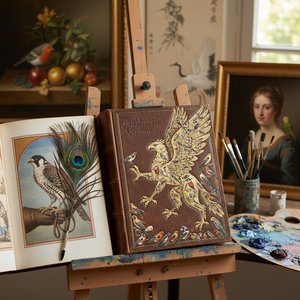
Feathered Visions: A Historical & Artistic Exploration of Birds in Painting
Explore the rich history of birds in painting! Discover symbolism, artistic movements & master artists like Audubon. High-quality reproductions available at ArtsDot.

葛飾北斎:25の傑作が語る浮世絵の世界 - ArtsDot
葛飾北斎の25選:『神奈川沖浪裏』や『富嶽三十六景』など、浮世絵の世界を深く探求。木版画の技法と日本美術の美をArtsDotで。高品質なアートプリントで空間に感動を。コレクションはこちら。