

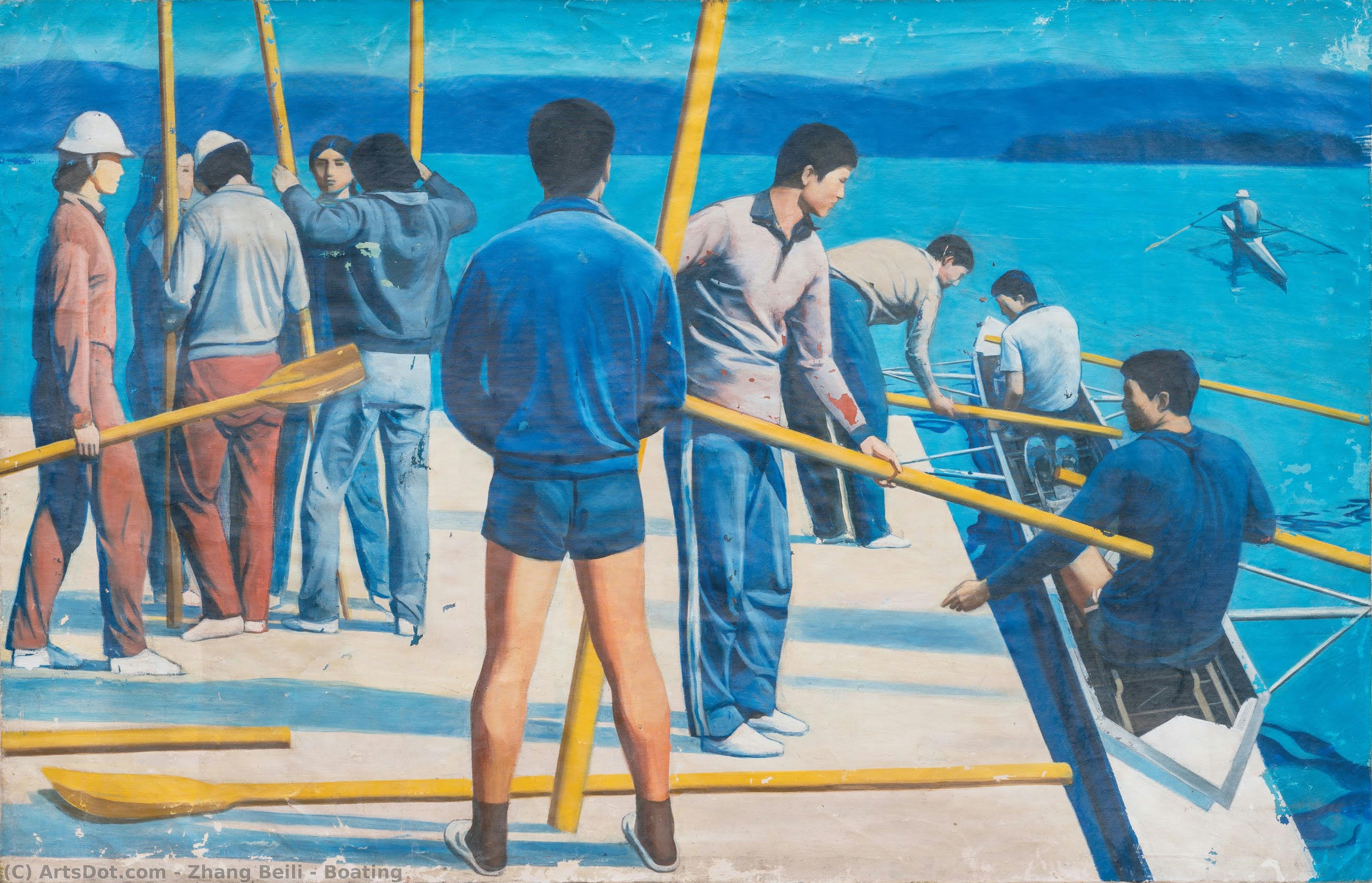
 プレビュー
プレビュー
 シェアする
シェアする シェアする
シェアする
 詳細を見る
詳細を見る

 ダウンロード
 似ている作品
 X線調査
X線調査 スライドショー
 Stats
StatsBoating

 詳細を見る
詳細を見る
オンラインプレビューをはるかに凌ぐ、高解像度で鮮明なデジタル画像をご購入いただけます。
各ファイルは、社内の専門家が高度なツールと熟練した手作業によるレタッチを用いて、細心の注意を払って準備されています。すべての画像において、卓越した鮮明度、正確な色彩再現性、そして繊細なディテールを保証いたします。
最終ファイルは、プロフェッショナルな編集・印刷環境ですぐにご利用いただけるよう最適化された状態で、72時間以内にメールにてお届けいたします。これは、一流のデザインスタジオ、出版社、ギャラリーから信頼されているものと同等の品質です。
デジタルアート
個人での鑑賞、印刷、クリエイティブなプロジェクト用に、高解像度ファイルをダウンロードできます。 ( Switch to Print 手描きの絵画を購入)
デジタル画像のご注文に付随する特典
高品質なデジタル画像配信を、確かな品質で。
ArtsDot.com を選ぶことは、単に画像を手に入れることではありません。それは、プロの手によって精密に仕上げられ、満足保証が付いた高品質なデジタルアートワークを受け取ることを意味します。ご注文いただいた際に自動的に付随する内容は、以下の通りです:

メールですぐにお届け
ご注文から72時間以内に、高解像度のデジタル画像ファイルがメールでお手元に届きます。すぐにそのままご利用いただけます。

AI技術で最適化されたデジタルファイル
お客様の作品は、高度なAIツールと専門家による手作業の編集を組み合わせてプロフェッショナルに最適化されており、細部のディテール、鮮明さ、そして正確な色再現性を最大限に引き出しています。

一生涯無料の再送サービス
ファイルを誤って削除したり、紛失してしまったりしましたか?ご安心ください。いつでも無料で再送いたします。

輸入手数料は一切かかりません
関税や手数料、配送料を気にすることなく、お気に入りのアートワークをすぐにお楽しみいただけます。デジタルダウンロードは常に免税です。

色彩再現の保証
プロ仕様のツールとカラーマネジメント技術を用いることで、デジタル画像が元の色を最大限に忠実に再現することを保証いたします。

100日間満足保証
ご購入いただいたデジタル画像にご満足いただけない場合は、100日以内であれば、理由を問わず修正または100%の返金対応をさせていただきます。

100% 返金保証
ご満足いただけない場合は、デジタルファイルを受け取ってから100日以内であれば、理由を問わず全額返金いたします。

まとめ買い割引
3枚購入で10%OFF - 5枚購入で15%OFF - 10枚以上購入で20%OFF。クリエイティブなプロジェクト、ギャラリー、エージェンシーに最適です。
関連作品






作家の略歴
The Architect of Chinese Video Art
In the sweeping narrative of contemporary Chinese art, few figures loom as large or as provocatively as Zhang Peili. Born in 1957 in the historic city of Hangzhou, Zhang emerged from a foundational training in oil painting at the prestigious Zhejiang Academy of Fine Arts, graduating with honors in 1984. While his early mastery of traditional visual representation provided him with a deep connection to classical aesthetics, it was his radical departure from the canvas that would ultimately define his legacy. As the late 1980s unfolded, a period marked by intense socio-political shifts and intellectual ferment in China, Zhang became a central protagonist in the '85 New Wave movement, a seismic cultural event that sought to dismantle established artistic norms and embrace the avant-garde.
Zhang’s ascent into the vanguard of new media was not a solitary journey but one forged through collective rebellion. In 1986, alongside fellow visionaries such as Geng Jianyi and Song Li, he co-founded the Pond Society. This artist collective acted as a vital crucible for experimentation, providing a space where formalism could be rejected in favor of conceptual depth and social critique. It was within this spirit of dissent that Zhang began to pioneer the use of video as a primary medium, earning him the enduring title of the "father of Chinese video art." His work did not merely seek to capture images; it sought to interrogate the very mechanics of perception and the pervasive influence of media on the human psyche.
The Poetics of Repetition and Presence
To encounter a Zhang Peili installation is to enter a space of deliberate, often unsettling, contemplation. His early video works are masterclasses in the use of repetition and duration to strip away the illusions of meaning. By focusing on seemingly futile or mundane actions—such as the rhythmic washing of a chicken or the painstaking process of breaking and repairing a mirror—Zhang utilizes extreme close-ups and stark, often black-and-white imagery to transform the banal into the bizarre. These works function through a deadpan banality, where the sheer persistence of time becomes the most visceral element of the piece, forcing the viewer to confront the raw fact of existence stripped of narrative comfort.
His artistic language often grapples with the tension between control and chaos, utilizing the medium of video to dissect societal anxieties. Through his lens, the viewer is prompted to question how systems of language, ideology, and mass media shape our understanding of reality. Whether through the monumental scale of his installations or the intimate, claustrophical framing of his early experiments like 30 x 30 (1988), Zhang’s work operates as a profound provocation. He masterfully navigates the intersection of the physical and the digital, moving from the grainy textures of analog video to the immersive complexities of modern multimedia, always maintaining a core preoccupation with the dismantling of false certainties.
Legacy and Historical Significance
The historical weight of Zhang Peili’s contribution to the global art canon cannot be overstated. Beyond his individual creative output, he has been a foundational builder of the infrastructure for contemporary art in China. His leadership roles, including directing the OCT Contemporary Art Terminal in Shanghai and helping establish the new media department at the China Academy of Art, have nurtured generations of subsequent artists. His work serves as a bridge between the traditional academic rigor of his training and the radical, technology-driven frontiers of the twenty-first century.
Today, Zhang’s influence is felt in every corner of the international new media landscape. His ability to weave together the following elements remains his greatest achievement:
- Conceptual Rigor: The use of art as a tool for intellectual and political critique.
- Temporal Exploration: Redefining how time and duration are experienced within a gallery space.
- Media Interrogation: Challenging the authority of the image in an increasingly saturated visual culture.
- Institutional Impact: Creating the pedagogical and structural foundations for video art in China.
As we look back on his trajectory, from the streets of Hangzhou to the halls of the Guggenheim, Zhang Peili remains a monumental figure whose work continues to challenge us to look closer, stay longer, and question everything we see.
zhang beili
1957 - , China
プロフィール概要
- Artistic Movement Or Style: Video art
- Date Of Birth: 1957
- Full Name: Zhang Peili
- Nationality: Chinese
- Notable Artworks:
- Dialogue - Xinglong Hutong 199593A
- Demolition
- Dialogue - Deshengmen 199583
- Place Of Birth: Hangzhou, China