

 プレビュー
プレビュー
 シェアする
シェアする シェアする
シェアする
 詳細を見る
詳細を見る

 ダウンロード
 似ている作品
 X線調査
X線調査 スライドショー
 Stats
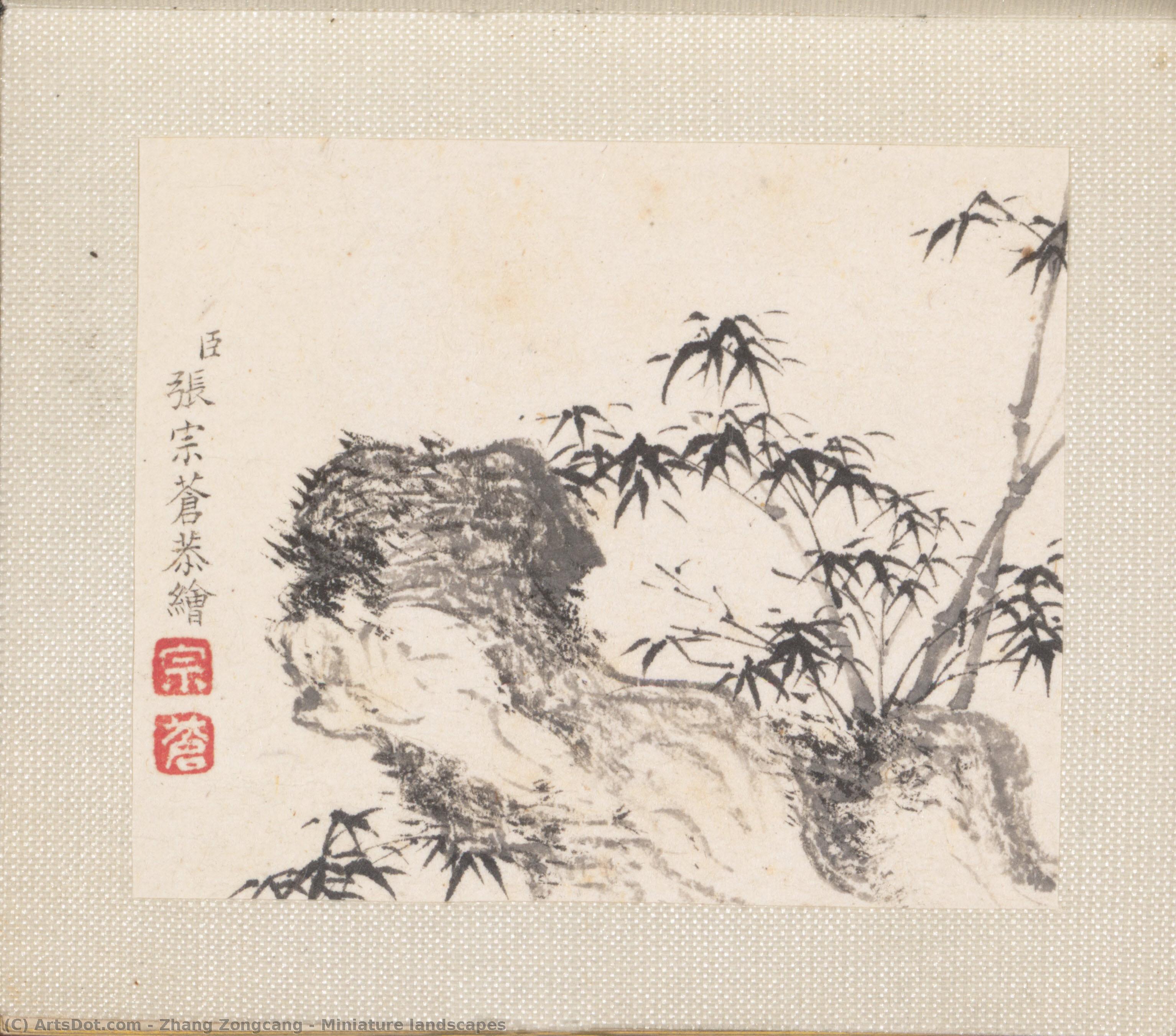
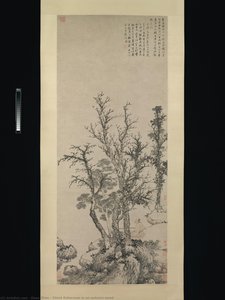
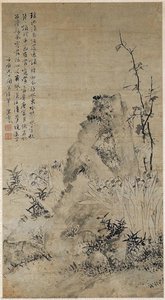
StatsMiniature landscapes


 詳細を見る
詳細を見る
手描き油彩複製画
当社のアーティストが、お客様のご希望のサイズと額縁に合わせて、キャンバスに手描きで制作する油彩画です。 ( Switch to Print Switch to Digital Image)




































作品のオリジナル比率に合わせた、当店の規定サイズからお選びください。

特定のフレームやスペースに合わせて、ご希望のサイズをご入力いただけます。選択されたサイズが元の画像の比率と異なる場合、アートワークをトリミングするか、手描きで要素を追加して絵画を拡張いたします。デジタルモックアップ を制作し、制作開始前にご確認(承認)をいただきます。
画面上のプレビューは、実際のトリミングや拡張を正確に反映しているものではありません。最終的な構図は、モックアップによってのみ正確にご確認いただけます。
カスタムサイズもご利用いただけますが、元の比率を維持するためには、あらかじめ用意されたリストからサイズを選択することをお勧めいたします。
ご注文後、ArtsDot.com チームより詳細な指示をお送りするとともに、仕上がりイメージ(モックアップ)をご提供いたします。


 ガラスオプションは、110cm未満のサイズでのみご利用いただけます。

Miniature landscapes
複製技法
複製画のサイズ
-


合計金額
$ 263
関連作品


アーティストの略歴
Zhang Zongcang: Master of the Dry Brush – A Qing Dynasty Visionary
Born in Suzhou, Jiangsu Province, during the late 17th century (1686), Zhang Zongcang emerged as a pivotal figure in Qing Dynasty Chinese landscape painting. His life coincided with a period of immense artistic flourishing within the imperial court, and he quickly established himself as a master of a distinctive style – one characterized by its subtle power, evocative atmosphere, and masterful use of dry brush technique. Known by various sobriquets including ‘Mo Chun’ and ‘Mocen,’ and bearing the courtesy name Mocun, Zongcang's work offers a profound glimpse into the aesthetic sensibilities of his era.
Zongcang’s early life was marked by formal artistic training. He studied under Huang Ding, a prominent court painter who instilled in him a deep appreciation for traditional landscape painting principles. This foundation proved crucial as he later served directly within the imperial palace, gaining access to resources and opportunities that propelled his career. His time at court wasn't merely about service; it was an immersion into the highest echelon of artistic patronage, allowing him to refine his skills and develop a unique voice.
The Signature Style: Dry Brush and Atmospheric Depth
Zongcang’s most recognizable characteristic is undoubtedly his distinctive dry brush technique. Unlike many of his contemporaries who favored bolder, more saturated colors, Zongcang employed a remarkably delicate approach, utilizing minimal ink to create incredibly nuanced landscapes. This method demanded exceptional control and precision – each stroke carefully considered to convey texture, light, and shadow. The resulting images possess an ethereal quality, reminiscent of mist-shrouded mountains and the subtle shifts in color that define the changing seasons.
This preference for dry brush wasn’t simply a stylistic choice; it reflected a broader philosophical approach to painting. Zongcang sought to capture not just the *appearance* of a landscape, but its very essence – its mood, its spirit. He was deeply influenced by the concept of ‘shanshui,’ or mountain and water painting, which emphasized capturing the natural world’s inherent beauty and harmony. His paintings often depict scenes of serene contemplation, inviting viewers to lose themselves in the vastness and tranquility of the Chinese countryside.
Miniature Landscapes: A Masterclass in Scale and Detail
Among Zongcang's most celebrated works are his miniature landscapes – exquisite examples of ‘Sumi-e’ (ink wash painting). These tiny masterpieces, such as the 1751 example now housed at the Metropolitan Museum of Art, demonstrate an astonishing level of detail and technical skill. The challenge of rendering expansive vistas within a remarkably small space demanded exceptional mastery of brushwork and color control. Each element – from the individual blades of grass to the distant peaks – is rendered with meticulous precision, creating a world of breathtaking beauty.
These miniature landscapes are not merely scaled-down versions of larger works; they represent a distinct artistic approach. The intimate scale encourages close observation and invites viewers to appreciate the subtle nuances of Zongcang’s technique. They also highlight his ability to convey profound emotional depth within a limited space, showcasing the power of suggestion and restraint.
Legacy and Historical Significance
Zhang Zongcang's influence on subsequent generations of Chinese landscape painters is undeniable. His mastery of dry brush technique set a new standard for realism and atmospheric rendering, while his emphasis on capturing the essence of nature inspired countless artists to explore the possibilities of ‘shanshui’ painting. He remains one of the most revered figures in Qing Dynasty art, celebrated for his ability to transform simple landscapes into evocative works of profound beauty.
His work is frequently studied and admired today, not only for its aesthetic qualities but also as a window into the cultural values and artistic sensibilities of 18th-century China. Zongcang’s legacy continues to resonate through his paintings, reminding us of the enduring power of art to capture the beauty and spirit of the natural world.
zhang zongcang
1686 - 1756 , China
基本情報
- Artistic Movement Or Style: Dry brush technique
- Artists Who Influenced This Artist: ['Huang Ding']
- Date Of Birth: 1686
- Date Of Death: 1756
- Full Name: Zhang Zongcang
- Nationality: Chinese
- Notable Artworks: ['Miniature landscapes']
- Place Of Birth: Suzhou, China
関連記事

ジョン・コンスタブルの傑作25選:英国風景画の巨匠が描く自然と光の詩 | ArtsDot
ジョン・コンスタブルの傑作25選。英国風景画の巨匠が描く自然と光の詩の世界へ。ロマン主義を代表する絵画、デダム・ヴェールやヘイ・ウェインなど、ArtsDotで高品質なアートプリントをお楽しみください。インテリアに深みと感動を。コレクションはこちら。

ロマン派ランドスケープ:時代を彩る巨匠の10選|アートとインテリアの世界
ロマン派絵画の時代を彩る10選。巨匠たちの風景が織りなす感動の世界へ。ターナー、ルーベンスなど、名作の裏話と高精細複製でアートをお部屋に。ArtsDot.comで至福のアート体験を。

葛飾北斎:25の傑作が語る浮世絵の世界 - ArtsDot
葛飾北斎の25選:『神奈川沖浪裏』や『富嶽三十六景』など、浮世絵の世界を深く探求。木版画の技法と日本美術の美をArtsDotで。高品質なアートプリントで空間に感動を。コレクションはこちら。
Serenity on Canvas: A Guide to the Timeless Beauty of Japanese Landscape Painting
Discover the serene beauty of Japanese landscape painting. From Hokusai's iconic woodblock prints to meditative sumi-e ink washes, explore a visual journey through the 'floating world' and learn how to bring this timeless Zen aesthetic into your modern home decor.

Evocations of Place: A Historical Journey Through Landscape Art
Explore the rich history of landscape art with ArtsDot. Discover renowned artists, movements like Impressionism & Romanticism, and expert guidance for collecting timeless pieces. Find your perfect serene escape today!