
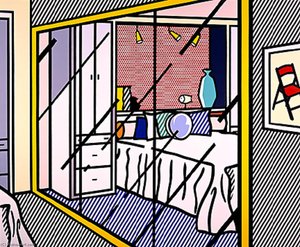



Strategic Selection: Integrating 19th Century Aesthetics into Modern Hospitality Brand Identity
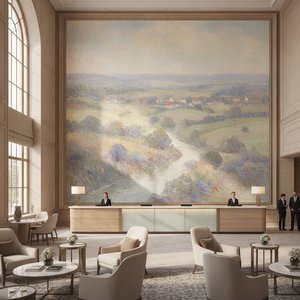 Impressionist Landscapes for Large-Scale Hospitality Decor: A Professional Guide to Light, Color, and Texture
The Aesthetic Impact of Impressionism: Enhancing Hospitality Ambience through Light and Atmosphere Capturing Ephemeral Light: Plein Air Painting from Impressionism to Today The Genesis of 'En Plein Air': From Studio Tradition to Landscape Portraiture...
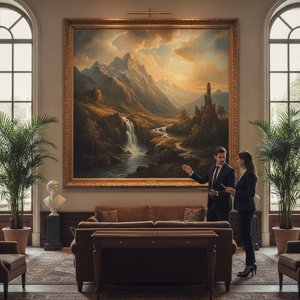
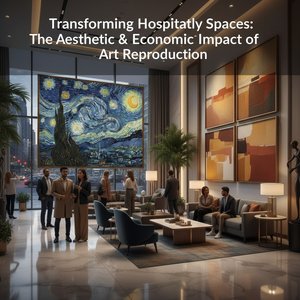
In the high-stakes arena of hospitality design, the selection of artwork is far more than a decorative afterthought; it is a fundamental pillar of brand storytelling. For the procurement professional, the challenge lies in selecting pieces that evoke a sense of permanence and prestige without compromising the contemporary functionality of a modern space. The 19th century, particularly through the lens of Impressionism and Post-Impressionism, offers a profound toolkit for the designer seeking to evoke emotion through scenery. When a guest enters a lobby or a grand dining hall adorned with the sun-drenched landscapes of Monet or the atmospheric studies of Renoir, they are not merely viewing a landscape; they navigating a captured moment of temporal beauty.
Integrating these works allows a physical environment to feel breathing and alive, transforming a static corridor into a window onto a shimmering, subjective reality. By prioritizing the sensation of being present within a scene rather than a literal documentation of topography, Impressionist landscapes provide an emotional resonance that can soften the hard edges of modern architecture. Whether it is the vibrant celebration of nature found in Renoir’s Bouquet in front of a Mirror or the intimate camaraderie captured in Bazille’s The Improvised Field Hospital, these masterpieces allow designers to bridge the gap between the built environment and the natural world, anchoring a brand identity in historical continuity and sophisticated elegance.
Operational Durability: Choosing Between Oil on Panel and Canvas for High-Traffic Environments
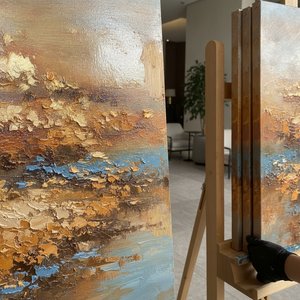 Oil on Panel: The Durable Choice for High-Volume Art Procurement in Hospitality Design
Structural Integrity: Why Oil on Panel Outperforms Canvas in High-Traffic Environments In the demanding landscape of hospitality design, where the aesthetic experience must withstand the rigors of high-traffic corridors and climate-controlled lobbies...
In the demanding landscape of luxury hospitality design, where the aesthetic experience must withstand the rigors of high-traffic corridors and climate-controlled lobbies, the choice of substrate is a critical decision for any procurement manager. While traditional canvas has long been the standard for fine art, the architectural demands of hotels and corporate spaces often necessitate a more robust alternative to ensure longevity. For the professional designer, understanding the technical nuances between mediums is essential for protecting capital investments and reducing long-term maintenance costs.
Oil on panel offers a level of structural stability that is unparalleled in commercial settings. Unlike canvas, which is susceptible to the subtle expansions and contractions caused by fluctuations in humidity and temperature, a rigid panel provides a steadfast foundation. This prevents the micro-movements that can lead to surface tension issues or even hairline fractures in the paint film over time. Furthermore, the density of the panel supports much finer detail and more intricate impasto techniques without the risk of sagging or warping. When selecting pieces for large-scale installations, such as grand staircases or expansive lobby walls, the inherent stiffness of oil on panel ensures that the artwork remains as pristine on year five as it was on day one.
Scalable Solutions: Managing Bulk Procurement and Multi-Panel Installations for Large-Scale Projects
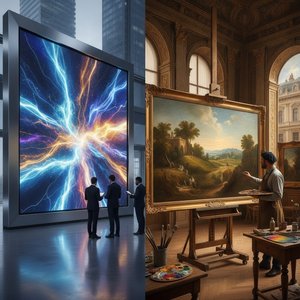 Digital Art vs. Oil Painting: A Procurement Guide for Large-Scale Hospitality & Commercial Projects
Defining the Scope: Aesthetic Vision vs. Operational Durability Timeless Elegance: A Procurement Guide to Sourcing Vintage-Style Artworks for Large-Scale Commercial Projects Strategic Art Procurement: Aligning Vintage Aesthetics with Commercial Brand...
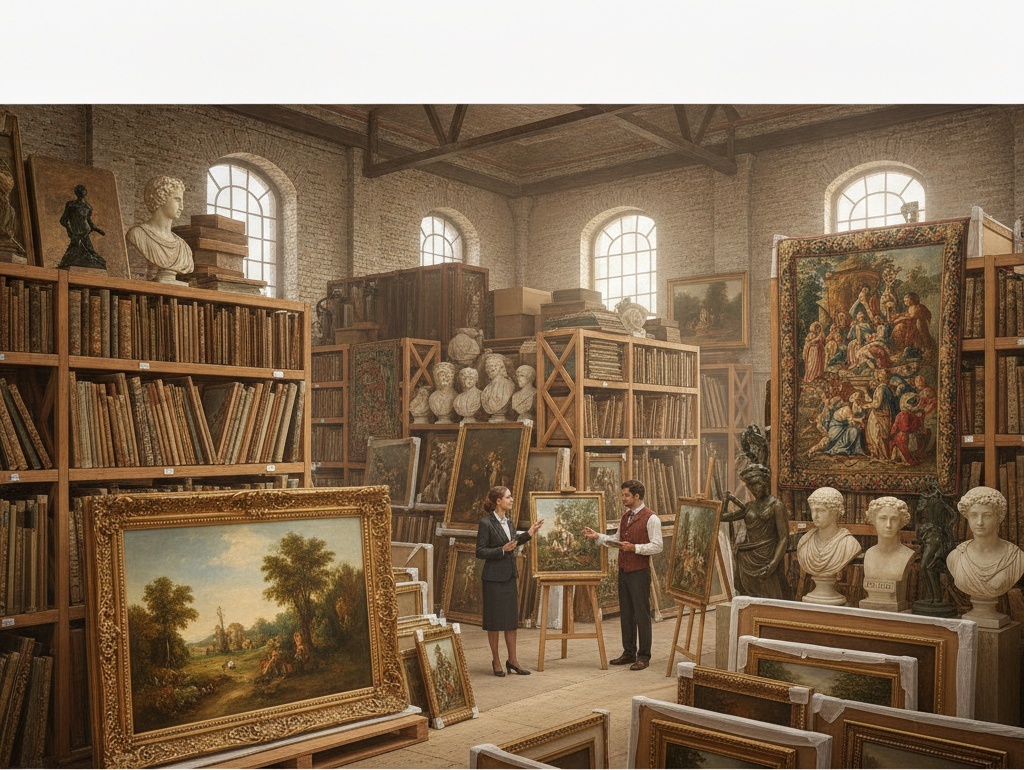
Procuring art for a single boutique hotel is a creative endeavor, but furnishing a global hospitality chain or a large-scale corporate headquarters requires a logistical strategy built on efficiency and predictability. The challenge for procurement managers lies in balancing the desire for high-quality, museum-grade reproductions with strict budgetary constraints and the need for repeatable, standard sizes. A successful strategy requires navigating the tension between aesthetic grandeur and operational resilience, ensuring that art can be sourced reliably across multiple units or phases of a rollout.
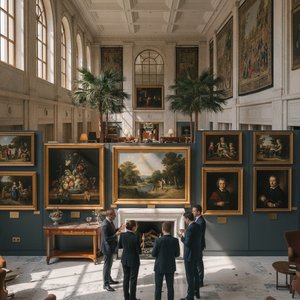
One of the most effective ways to address expansive architectural features is through the use of multi-panel layouts. The modern trend of splitting a single masterpiece across three, four, or even five panels allows for a cohesive, contemporary look that can span wide walls or grand staircases. This approach provides a sense of movement and scale that a single frame cannot achieve. By utilizing professionally engineered multi-scale solutions, designers can create impactful focal points that are specifically tailored to the dimensions of their unique architectural spaces, ensuring that every piece contributes to a unified and monumental visual narrative.
Technical Specifications: Substrate Integrity, Lightfastness, and Long-Term Maintenance for Corporate Assets
To truly encounter a masterpiece is to move beyond the mere observation of color and enter into a silent dialogue with the artist’s very touch. However, in a commercial setting, this dialogue must be protected from environmental degradation. The chemistry of art is a vital consideration; true oil painting offers a profound depth born from the marriage of organic pigments and drying oils. To ensure these works remain vibrant for generations, specific materials must be employed. For instance, using flexible gesso helps prevent cracking, while specialized oils, such as safflower, are used for whites to prevent the yellowing that can plague lesser-quality reproductions.
Every professional installation should consider the long-term preservation of the asset. A final coat of Damar varnish is essential, as it protects the surface from dust, moisture, and atmospheric pollutants. Furthermore, while the depth of impasto provides a tactile soul to the work, designers must also consider the placement of these pieces relative to light sources. To protect the investment, avoiding direct sunlight and utilizing acid-free matting for framed works can prevent moisture damage and ensure that the pigments remain as vivid as the day they were installed. This technical foresight transforms art from a decorative element into a lasting corporate asset.
Logistics and Implementation: Streamlining Global Shipping, Customs, and Professional Installation
The final stage of the procurement lifecycle is the seamless transition from order to installation. For the international designer, navigating the complexities of global logistics is often the most significant pressure point. Reliable delivery to over 70 countries requires a partnership with established carriers like DHL Express and FedEx, ensuring that artwork arrives with full tracking capabilities and the structural integrity required for high-value goods. This includes the use of industrial-grade tubes for rolled art and reinforced, double-walled boxes for framed pieces to mitigate any risk of transit damage.
Furthermore, managing international customs and VAT is a critical component of the procurement workflow. A professional supplier must provide the necessary documentation—such as Reproduction Declarations for shipments to Italy or tax ID support for Mexico—to prevent costly delays at borders. The ultimate goal is a frictionless experience where the designer can focus on the aesthetic vision, knowing that the logistics, customs compliance, and delivery are handled with operational precision. When these elements align, the result is a successful, large-scale art installation that serves as a cornerstone of the property's prestige.