
Defining the Scope: Aesthetic Vision vs. Operational Durability
 Timeless Elegance: A Procurement Guide to Sourcing Vintage-Style Artworks for Large-Scale Commercial Projects
Strategic Art Procurement: Aligning Vintage Aesthetics with Commercial Brand Identity In the high-stakes arena of hospitality and corporate design, the selection of artwork is far more than a decorative afterthought; it is a fundamental pillar of bra...
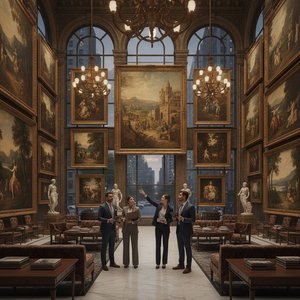
In the high-stakes arena of hospitality and corporate design, the selection of artwork is far more than a decorative afterthought; it is a fundamental pillar of brand storytelling. For the procurement professional, the challenge lies in selecting pieces that evoke a sense of permanence and prestige without compromising the contemporary functionality of a modern space. When outfitting a multi-unit hotel rollout or a large-scale corporate headquarters, the designer must navigate the delicate tension between aesthetic grandeur and operational resilience. The decision-making process begins with defining the scope: is the objective to create a fleeting visual impact in a seasonal lounge, or to anchor a grand lobby with works that suggest historical continuity? A successful procurement strategy requires balancing the ephemeral beauty of modern trends with the structural necessity of art that can withstand the rigors of high-traffic environments, including humidity fluctuations and rigorous cleaning cycles.
The Tactile Advantage: Why Hand-Painted Oil Reproductions Elevate Luxury Interiors
 The Tactile Soul of Impressionism: Elevating Interiors with the Depth of Impasto and Plaster Art
The Poetry of Paint: Understanding the Emotional Resonance of Impasto To truly encounter a masterpiece is to move beyond the mere observation of color and enter into a silent dialogue with the artist’s very touch. For those of us who have spent decad...
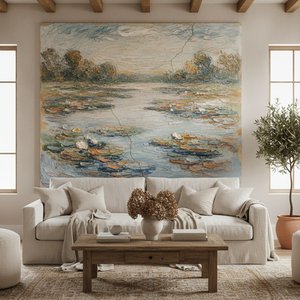
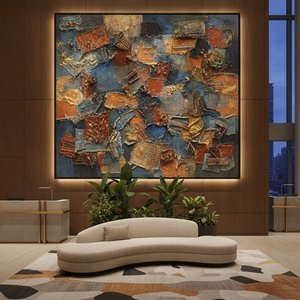
To truly encounter a masterpiece is to move beyond the mere observation of color and enter into a silent dialogue with the artist’s very touch. In luxury hospitality, where the goal is to offer a profound sensory experience, the tactile soul of an artwork can transform a room from a physical location into a curated experience. This is most evident in the impasto technique, where paint is laid thickly upon the canvas, making the brush or painting-knife strokes visible. These raised ridges of oil catch and manipulate real-world light, creating a dynamic surface that responds to the movement of the sun throughout the day. Unlike flat, printed reproductions, a hand-painted oil reproduction possesses a physical presence and an architectural depth. The heavy, rhythmic strokes of a Post-Impressionist work provide a sense of energy and authenticity that resonates with discerning guests seeking true luxury. By integrating such textured works, designers can create "moments of pause" within bustling commercial zones, using the physical residue of a captured moment to foster an atmosphere of enduring quality.
Digital Prints and Giclée: Cost-Effective Solutions for High-Volume Rollouts
 Mixed Media Art for Hospitality: A Professional Guide to Texture, Layering, and High-Impact Interior Design
Defining Mixed Media: The Strategic Use of Hybridity in Modern Hospitality Interiors Beyond the Brush: An Expert Guide to Mastering Mixed Media Art Techniques and Materiality The Essence of Hybridity: Defining Mixed Media in Contemporary Practice To ...
While the prestige of oil on canvas is undeniable, the practicalities of large-scale procurement often necessitate more scalable solutions. For designers managing expansive portfolios or multi-site expansions, Giclée prints and high-quality digital reproductions offer a vital tool for maintaining thematic consistency across vast numbers of guest rooms or corridors. These archival 12-color ink processes provide incredible color accuracy and durability, making them an economically sound choice for high-volume installations where budget predictability is paramount. While these works lack the three-dimensional topography of impasto, they allow for a cohesive visual language to be deployed rapidly across hundreds of units. When managed through a professional supply chain, these prints can be customized in size and frame to match specific FF&E packages, ensuring that even the most cost-sensitive projects maintain a high standard of aesthetic alignment with the brand identity.
Strategic Procurement: Managing Timelines, Bulk Orders, and Custom Dimensions
Efficiency is the cornerstone of successful large-scale procurement. For the manager overseeing a massive architectural project, the ability to source high-quality art in volume is critical. This involves more than just quantity; it requires a supplier that understands the complexities of bulk acquisition, including the need for standardized sizes that allow for easy reordering years later. Strategic sourcing must account for the logistical reality of multi-panel layouts—the modern trend of splitting a single image across three, four, or five panels to cover expansive walls or staircases. A professional procurement workflow must also embrace customization, such as "period shifts," where a contemporary photograph is reimagined in the style of a 17-century Master. The goal is to achieve a seamless integration of art and architecture, ensuring that every piece arrives on time, within budget, and precisely according to the technical specifications of the project plan.
Long-Term Value: Assessing Maintenance, Longevity, and Material Integrity
In commercial interiors, an artwork is an investment in longevity. The procurement professional must evaluate the chemistry of art to ensure long-term stability. For hand-painted works, the use of flexible gesso prevents cracking, while specific oils like safflower are utilized in whites to prevent the dreaded yellowing effect over decades of service. Furthermore, finishing a painting with a coat of Damar varnish protects the surface from dust, moisture, and atmospheric pollutants—essential for pieces located in high-traffic lobbies. When selecting between mediums, one must consider the resistance to environmental degradation; while textiles or paper-based works may succumb to the rigors of cleaning cycles, oil on cotton canvas and professionally framed prints are engineered to endure. This focus on material integrity reduces the long-term cost of art rotation and replacement, making the initial selection an economically sound decision for the property owner.
The Professional Workflow: From Digital Mockups to Global Logistics
The final stage of a successful procurement journey is the execution of the design vision through reliable logistics. To remove uncertainty in large-scale commissions, the use of Professional Digital Mockup Services is essential. This allows designers to see the composition and color matching digitally placed on their specific walls before any paint touches the canvas. Once the artwork is approved, a rigorous quality control process ensures that the final product meets museum-grade standards. The workflow concludes with global logistics: utilizing reinforced, double-walled packaging and trusted carriers like DHL Express or FedEx to ensure that large-format works—including massive canvas rolls for murals and frescoes—arrive intact at any destination worldwide. This end-to-end reliability, from the first digital proof to the final delivery, is what allows the modern designer to execute complex, multi-site visions with absolute confidence.
For professional procurement of high-volume art solutions, visit ArtsDot.com.