Defining the Rococo Aesthetic: From Baroque Grandeur to Intimate Luxury
 The Rococo Aesthetic: Opulence, Rebellion & the Pursuit of Pleasure in 18th-Century Art
The Rise of Rococo: From Baroque Grandeur to Intimate Elegance Wikipedia: Rococo Rococo, less commonly Roccoco ( rə-KOH-koh, US also ROH-kə-KOH; French: [ʁɔkɔko] or [ʁokoko] ), also known as Late Baroque, is an exceptionally ornamental and dramatic s...
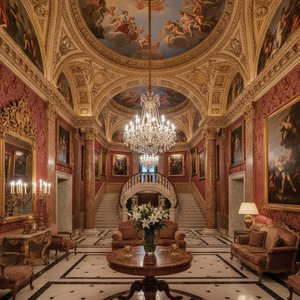
The transition from the heavy, imposing shadows of the Baroque era to the luminous grace of the Rococo represents one of the most profound shifts in the history of European design. Where the Baroque sought to overwhelm the viewer with monumental drama, religious fervor, and the rigid hierarchies of power, the Rococo emerged as a sophisticated rebellion of refinement. Born in the early 18th-century French courts, particularly flourishing under the reign of Louis XV, this movement moved away from the formal symmetry of Versailles toward a more intimate and sensory experience. It was an era that traded the heavy gilded weight of the past for a celebration of light, air, and the fleeting pleasures of life. For the modern designer, understanding this shift is essential; it is the difference between designing a space that commands obedience and one that invites enchantment. The Rococo aesthetic does not merely occupy a room; it breathes within it, utilizing a delicate vocabulary of movement and emotion to create environments that feel both opulent and profoundly approachable.
Key Design Elements for Hospitality: Asymmetry, Pastel Palities, and Fluid Forms
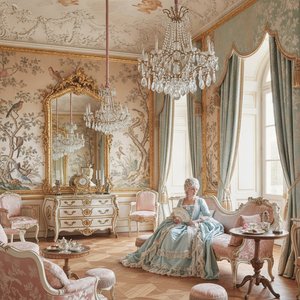 The Elegance of Rococo: A Journey Through Pastel Dreams and Ornate Splendor
The Birth of Rocaille: From Baroque Grandeur to Intimate Refinement The Rococo Aesthetic: Opulence, Rebellion & the Pursuit of Pleasure in 18th-Century Art The Rise of Rococo: From Baroque Grandeur to Intimate Elegance Wikipedia: Rococo Rococo, less ...
To successfully implement Rococo principles within a luxury hospitality setting, one must master the balance between ornamentation and lightness. The hallmark of this style is the
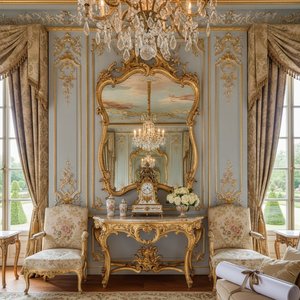
rocaille—the shell-like, asymmetrical curves that replace the straight, predictable lines of classical architecture. In a hotel lobby or a high-end suite, these sinuous forms can be introduced through the curation of decorative objects, such as porcelain pieces featuring graceful, scrolled handles or furniture with fluid, organic silhouettes. The color palette is equally critical; rather than the deep crimsons and heavy golds of the preceding century, Rococo demands a soft, dreamlike spectrum. Think of luminous creams, pale rose, mint greens, and sky blues, often accented by the warm gleam of gold or copper. This palette serves to expand the perceived space, reflecting light in a way that creates an atmosphere of effortless elegance. By integrating these elements, a designer can transform a static interior into a dynamic landscape of texture and tone, where every corner offers a new, soft-edged discovery for the discerning guest.
Curating Masterpieces: Integrating Rococo Paintings and Decorative Objects into Hotel Interiors
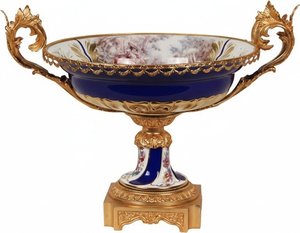 Rococo Porcelain Fruit Bowl with Blue Grass Leaf Handles
A Legacy of Rococo Elegance This exquisite porcelain fruit bowl embodies the refined aesthetic of French Rococo design, a style celebrated for its ornate details and graceful curves. Crafted from high-quality porcelain enhanced with pure copper accen...
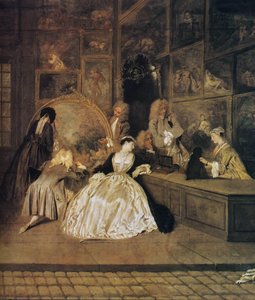
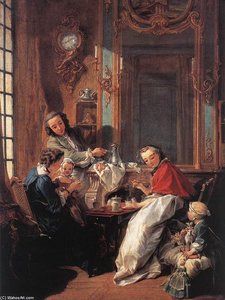
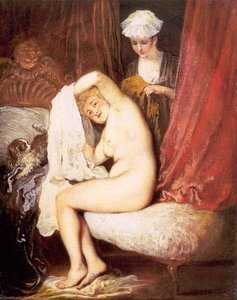
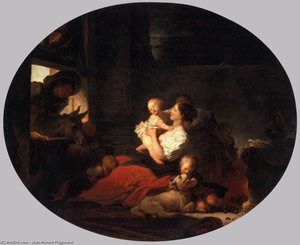
The true soul of a Rococo-inspired space lies in its ability to tell a story through curated fine art. The movement’s mastery of subject matter—ranging from the pastoral leisure of Jean-Antoine Watteau to the mythological whimsy of François Boucher—provides an unparalleled toolkit for narrative design. When selecting paintings for a hotel collection, focus on works that capture the essence of
fête galante: scenes of social grace, understated emotion, and the beauty of nature. These are not merely decorations; they are windows into a vanished world of aristocratic indulgence. Beyond the canvas, the integration of decorative arts—such as exquisite porcelain fruit bowls with intricate floral patterns or masterfully crafted marquetry desks like the legendary
Bureau du Roi—adds layers of tactile luxury. For procurement managers, the challenge is to find pieces that possess an imposing presence without overwhelming the architectural bones of the space. The goal is a seamless dance between form and function, where a beautifully rendered oil painting on a cotton canvas complements the delicate curves of a gilded mirror, creating a cohesive, high-end atmosphere.
The Art of Scale: Utilizing Multi-Panel Compositions and Large-Format Murals in Grand Lobbies
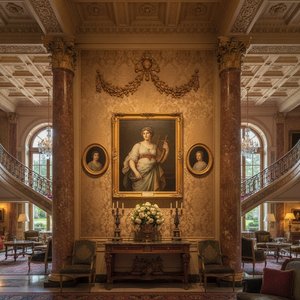
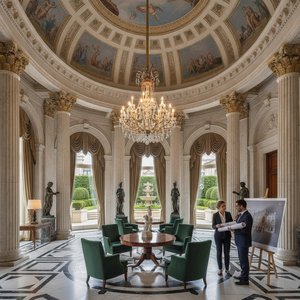
In the expansive volumes of grand hotel lobbies or sweeping staircases, singular small-scale works often fail to command the necessary attention. This is where the strategic use of scale becomes a powerful architectural tool. The modern trend of multi-panel compositions—splitting a single, breathtaking masterpiece across three, four, or even five panels—allows for a contemporary, rhythmic approach to classical art. These expansive layouts can bridge wide walls and guide the eye through large transitional spaces, providing a sense of continuity and movement that mirrors the Rococo’s own fluid nature. Furthermore, for truly transformative projects, the use of large-format murals and ceiling frescoes offers an opportunity to recreate the breathtaking splendor of 18th-century palaces. These massive works, painted on durable canvas rolls, can be installed with the precision of high-end wallpaper, allowing a designer to introduce historical grandeur—such as a light-drenched sky or a lush, floral canopy—directly into the architectural fabric of the building.
Sourcing for Professionals: Custom Reproductions, Bespoke Sizes, and Volume Procurement Solutions
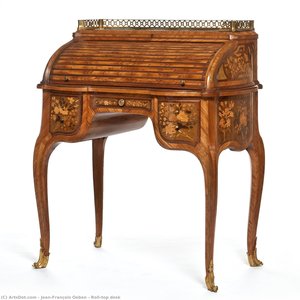 Roll-top desk
The Bureau du Roi: A Testament to Rococo Elegance and Innovation Jean-François Oeben’s roll-top desk, or “Bureau du Roi,” stands as a pinnacle of French Rococo craftsmanship—a masterpiece commissioned by Louis XV in 1761 and completed posthumously by...
For the hospitality professional, the pursuit of aesthetic excellence must be balanced with operational reality. Managing large-scale art procurement requires a partner who understands the pressures of timelines, budgets, and logistical complexity. This is why the ability to source high-quality, hand-painted oil reproductions is indispensable. Unlike mass-produced prints that lack depth, true oil reproductions on 100% cotton canvas offer the visible brushstrokes and rich tonal ranges essential for a luxury setting. At ArtsDot.com, we specialize in meeting the needs of the trade, offering everything from standard sizes to bespoke commissions tailored to specific architectural dimensions. Our process is designed for efficiency: from professional digital mockups that allow you to visualize art on your walls before production begins, to our robust order management system that provides real-time tracking and pre-shipment photo approval. Whether you are ordering a single statement piece or coordinating a volume of works for an entire hotel chain, we provide the reliability of global logistics, VAT-compliant documentation, and a commitment to museum-grade quality that ensures your design vision is realized with absolute precision.