



The Alchemy of Color: The Molecular Foundation of Pigment
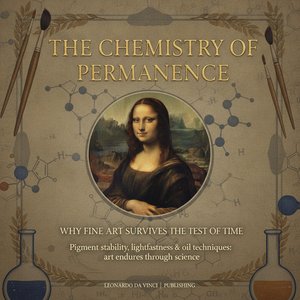 The Chemistry of Permanence: Why Fine Art Survives the Test of Time
The Alchemy of Pigment: The Molecular Foundation of Color Mastering the Brush: The Timeless Secrets of Old Master Oil Painting Techniques The Alchemy of Pigment: Understanding the Chemistry and Longevity of Oil Media To understand the enduring brilli...
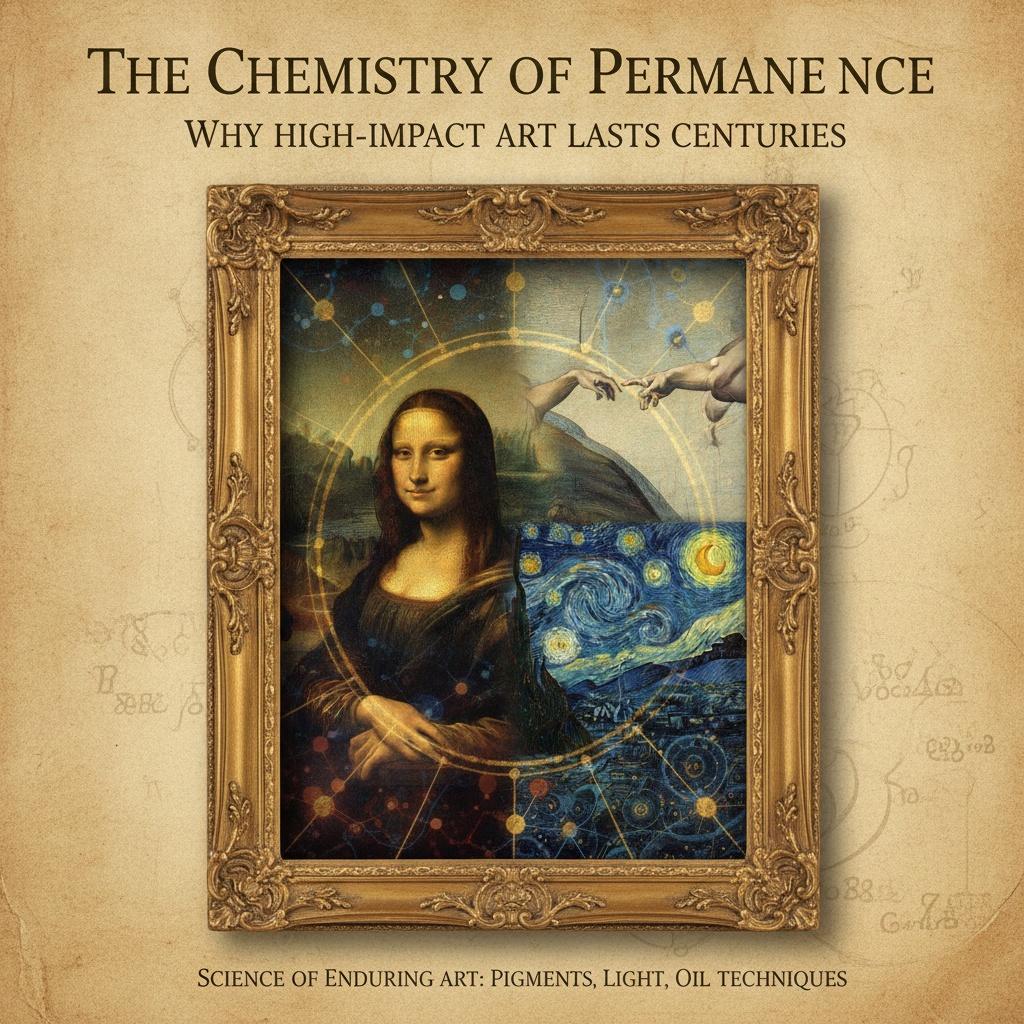
To gaze upon a classical masterpiece is to witness more than mere aesthetic triumph; it is to observe a profound chemical achievement. Long before the advent of modern synthetic laboratories, the history of art was, in essence, a history of alchemy. The vibrant hues that continue to captivate the modern collector were born from a meticulous search for stable minerals and precious earth elements. When we observe the deep, celestial blues of an Old Master work, we are often seeing the legacy of lapis lazuli, ground into a fine powder to create ultramarine—a pigment so precious it was once valued more than gold. This profound depth of color is not merely a matter of artistic intent but a result of the molecular stability inherent in inorganic compounds.
The selection of pigments like earthy ochres, rich cadmiums, or the deep, iron-based Mars Black was never a matter of mere preference, but a calculated decision for longevity. Each pigment carries its own molecular weight and reactive potential. The mastery of the painter lay in understanding how these minerals would interact with their medium, ensuring that the artist's vision would not merely exist for a lifetime, but endure through centuries of environmental shifts. This foundational chemistry—the very soul of the medium—allows light to dance within the paint layers, creating a luminosity that remains the hallmark of true fine art.
The Battle Against Light: Understanding Photodegradation and Lightfastness
 Lightfastness
Lightfastness is a property of a colourant such as dye or pigment that describes its resistance to fading when exposed to light. Dyes and pigments are used for example for dyeing of fabrics, plastics or other materials and manufacturing paints or pri...
While the pigments provide the color, the environment provides the challenge. The primary antagonist in the preservation of art is light itself. Lightfastness is the critical property that describes a pigment's resistance to fading when exposed to radiation. The bleaching of color is caused by the impact of ultraviolet radiation on the chemical structure of the molecules, specifically within the chromophore—the part of a molecule responsible for its color. When light encounters a painted surface, it can alter or break the chemical bonds of the pigment, triggering a process known as photodegradation.
This invisible battle is particularly intense during exposure to high-energy ultraviolet radiation, which can exceed the dissociation energy required to cleave carbon-carbon bonds. During this decay, molecules may enter an excited state, becoming highly reactive and unstable, often reacting with atmospheric oxygen to form radicals that further degrade the work. This is why inorganic colourants are generally considered more lightfast than organic dyes. For the discerning collector, understanding this science is essential for protecting the visual impact of a collection, ensuring that the high-saturation palettes of contemporary pop art or the subtle glazes of a Renaissance portrait do not succumb to the relentless march of time.
Engineered for Eternity: The Chemistry of Binding Media and Varnishes
 The Chemistry of Permanence: Why Masterpieces Fade, Crack, and Survive Through Centuries
The Alchemy of Pigment: The Molecular Foundation of Color Pigment A pigment is a chemical compound that gives a substance or organism color, or is used by humans to add or alter color or change visual appearance. Pigments are nearly or completely ins...
A pigment alone is merely dust; it requires a vehicle to transform into paint. The endurance of great art relies heavily on the chemistry of binding media, such as drying oils. The mastery of the brush involves understanding how these oils interact with pigments to create a durable film. To ensure longevity, artists and conservators utilize specific formulations, such as using safflower oil for whites to prevent the dreaded yellowing effect that can plague lesser works. This careful selection ensures that the clarity of the light remains uncompromified.
Furthermore, the final layer of defense is the varnish. A well-applied coat of Damar varnish serves as a sacrificial barrier, protecting the underlying paint from dust, moisture, and atmospheric pollutants. Beyond protection, it provides a consistent refractive index that enhances the depth and saturation of the colors beneath. In high-quality reproductions, such as those found at ArtsDot.com, this process is meticulously managed to prevent cracking and ensure that the flexible gesso layers and stable oils work in harmony to resist the structural stresses of environmental shifts.
The Master's Toolkit: Why Inorganic Compounds Outlast Organic Dyes
Mars Black is an iron oxide pigment developed in the 20th century. Also known under the names of black iron oxide, magnetic oxide, Pigment Black 11, and ferrous ferric oxide (Fe3O4), it has no known health hazards and is considered non-toxic, with an...
In the realm of colorants, a fundamental distinction exists between dyes and pigments. While dyes are often organic compounds that are soluble in water or other media, pigments are nearly or completely insoluble and chemically unreactive. This insolubility is a key factor in their permanence. Because pigments like iron oxides or earth minerals do not dissolve into the medium, they remain suspended as distinct particles, providing a structural stability that organic dyes simply cannot match.
The history of art is littered with examples of beautiful but transient works that faded because they relied on fugitive organic materials. In contrast, the use of inorganic pigments—such as the robust Mars Black or the enduring ochres—provides a level of opacity and lightfastness that allows a painting to remain vibrant for generations. For the modern collector interested in high-impact, graphic styles like Pop Art or Street Art, the reliance on stable, high-saturation pigments is what allows those bold magentas, cyans, and limes to command attention without fear of rapid degradation.
Preserving the Vision: Modern Conservation Science and Material Integrity
 Conservation science (cultural property)
With respect to cultural property, conservation science is the interdisciplinary study of the conservation of art, architecture, technical art history and other cultural works through the use of scientific inquiry. General areas of research include t...
Today, the preservation of our global cultural heritage is driven by conservation science, an interdisciplinary field that uses scientific inquiry to study the technology and structure of artistic works. This science focuses on understanding the materials used by artists and identifying the specific causes of deterioration. By analyzing the chemical composition of pigments and the degradation patterns of binders, experts can develop advanced strategies for both preventive and restorative care.
This scientific rigor is what allows us to maintain the integrity of everything from massive architectural frescoes to intimate oil portraits. Whether it is through the use of acid-free matting to create an air gap in framed prints or the application of specialized resins in restoration, the goal remains the same: to keep the artwork as close to its original condition as possible. As we continue to bridge the gap between historical mastery and modern technology, the science of art ensures that the creative visions of the past remain a vivid, breathing reality for the collectors of the future.