The Great Wave of Influence: How Trade Reopened the Gates to Japan
 Japonisme
Japonisme is a French term that refers to the popularity and influence of Japanese art and design among a number of Western European artists in the nineteenth century following the forced reopening of foreign trade with Japan in 1858. Japonisme was f...
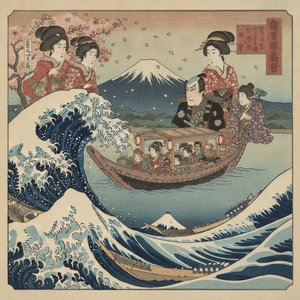
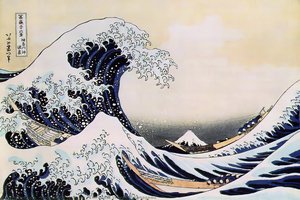
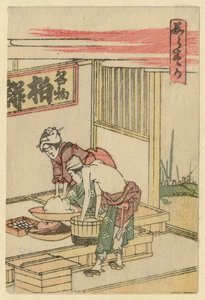
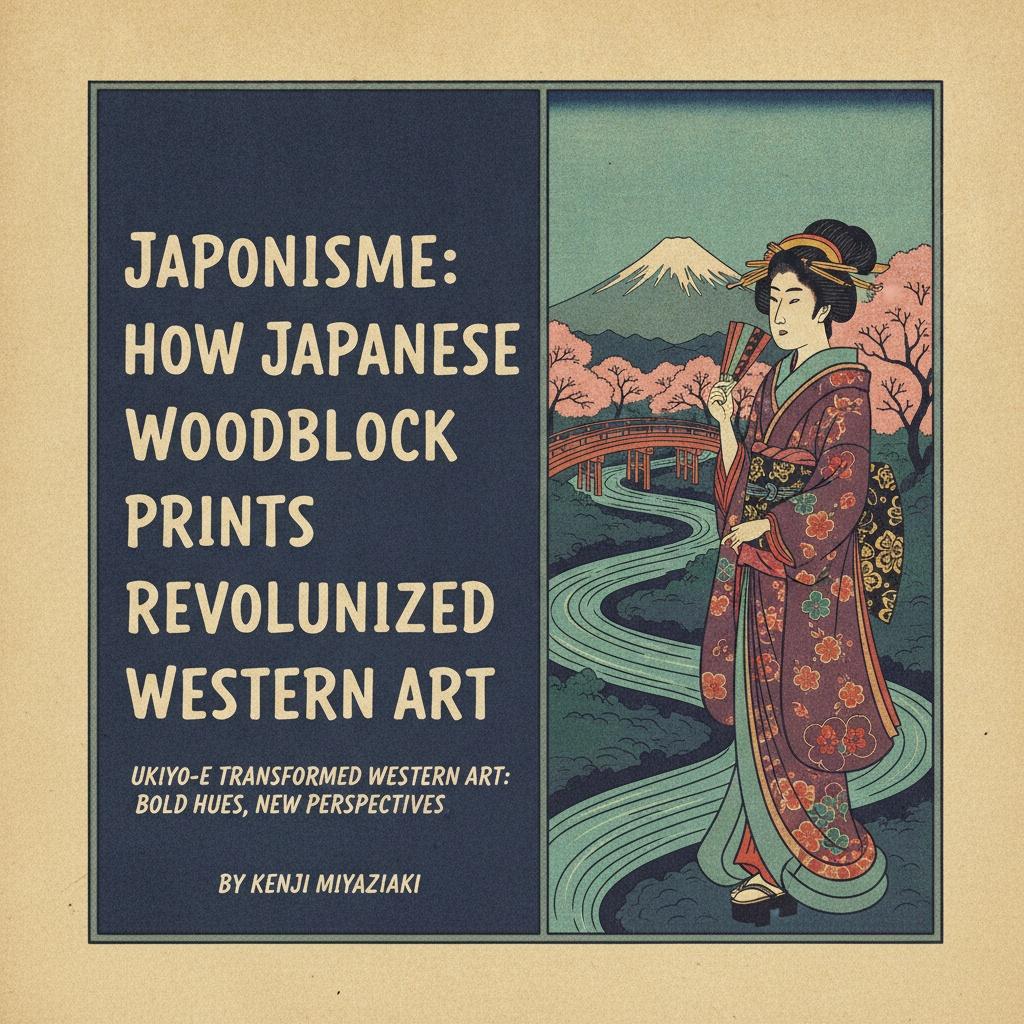
To understand the seismic shift in nineteenth-century aesthetics, one must first look toward the horizon where the closed borders of the Tokugawa shogunate finally met the expanding reach of global trade. For centuries, Japan existed in a state of relative isolation, cultivating an internal artistic language that was profoundly distinct from the Western tradition. However, following the forced reopening of Japanese ports in 1853, a tidal wave of foreign imports flooded European shores, and with them came something far more transformative than mere commodities. On the crest of this wave were woodcut prints by masters of the ukiyo-e school, arriving in Europe not as high art, but often as humble packing material for ceramics and tea. This accidental introduction sparked a cultural phenomenon known as Japonisme—a term coined by critic Philippe Burty to describe the feverish fascination with Japanese design that would soon dismantle the rigid hierarchies of Western academic painting.
The impact was immediate and visceral. As artists in Paris, London, and beyond encountered these vibrant works, they found themselves confronted by a visual logic that defied everything taught in the prestigious academies of Europe. The arrival of Japanese fans, kimonos, and lacquers provided a fresh vocabulary for a generation of creators hungry for novelty. This wasn't just about adopting new motifs; it was about witnessing a complete reimagining of how space, color, and subject matter could interact on a flat surface. The sheer energy of this exchange laid the groundwork for the modern era, proving that true innovation often occurs when two seemingly incompatible worlds collide.
Ukiyo-e Unveiled: The 'Floating World' and the Art of the Everyday
 Floating Worlds: A Definitive Guide to the Mastery and Philosophy of Japanese Ukiyo-e Woodblock Prints
The Philosophy of Impermanence: Understanding the 'Floating World' Floating Worlds: The Captivating Magic and Timeless Legacy of Japanese Ukiyo-e Art The Philosophy of the Floating World: Understanding Ukiyo-e To understand Ukiyo-e is to grasp the ve...
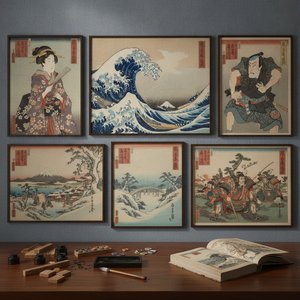
At the heart of this revolution lay the concept of ukiyo-e, or "pictures of the floating world." To grasp the essence of these prints, one must look beyond the ink and paper to the philosophy of the Edo period itself. The term ukiyo carries a bittersweet weight, reflecting a Buddhist-inspired awareness of the transience of life—the idea that because existence is fleeting, one should find beauty in the momentary pleasures of the urban landscape. This was an art form born from the pulse of the rising merchant class, capturing the vibrant, ephemeral energy of theaters, tea houses, and street festivals.
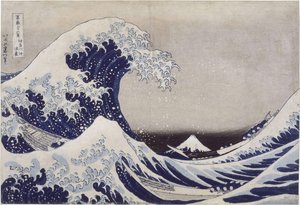
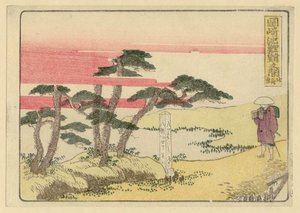
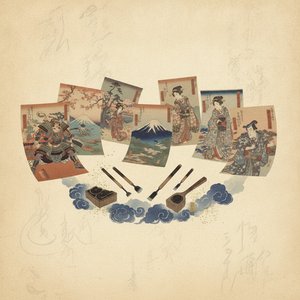
Unlike the grand historical narratives or religious icons that dominated Western high art, ukiyo-e celebrated the extraordinary within the ordinary. It immortalized the dramatic tension of a Kabuki actor mid-performance, the delicate grace of a courtesan, and the raw power of sumo wrestlers in the ring. Artists like Katsushika Hokusai and Utagawa Kunisada II mastered the ability to turn a single, passing moment into a timeless icon. This focus on the "now"—the beauty of a surging wave or the quiet dignity of a traveler—offered Western artists a way out of the suffocating grip of classical realism. It provided a blueprint for finding profound meaning in the mundane, a concept that would become the cornerstone of modern visual storytelling.
Breaking the Rules: Asymmetry, Flat Color, and New Perspectives
 Ukiyo-e
Ukiyo-e (Japanese: 浮世絵) is a genre of Japanese art that flourished from the 17th through 19th centuries. Its artists produced woodblock prints and paintings of such subjects as female beauties; kabuki actors and sumo wrestlers; scenes from history an...
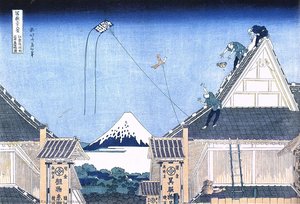
For an art student studying the evolution of composition, the technical innovations of Japanese woodblock prints are nothing short of radical. Western tradition had long been obsessed with linear perspective, chiaroscuro, and the illusion of three-dimensional depth. Ukiyo-e, however, operated on a completely different set of rules. These prints utilized dramatic foreshortening and asymmetrical compositions that felt startlingly modern to European eyes. Instead of centering the subject within a balanced frame, Japanese masters would often crop figures abruptly or place them off-center, creating a sense of dynamic movement and tension.
The use of color was equally revolutionary. Rather than relying on subtle gradations of light and shadow to define form, ukiyo-e artists employed bold, flat areas of vibrant pigment. This lack of traditional modeling allowed the graphic quality of the line to take center stage. The interplay between negative space and saturated hues created a decorative power that felt fresh and unapologetic. When Western painters began to experiment with these "flat" modes of representation, they were essentially learning how to embrace the two-dimensionality of the canvas, paving the way for the graphic intensity found in everything from Post-Impressionism to contemporary street art.
From Hokusai to Monet: The Impressionist Connection
--- title: When east inspired west: the extraordinary influence of Japanese art url: https://artuk.org/discover/stories/when-east-inspired-west-the-extraordinary-influence-of-japanese-art hostname: artuk.org description: Discover how artists like Van...
The lineage connecting the masters of Edo Japan to the luminaries of French Impressionism is direct and undeniable. It is one of history's most beautiful artistic dialogues. Claude Monet, perhaps the most famous devotee of Japanese aesthetics, famously curated a collection of prints that mirrored his own obsession with light and atmosphere. One can see the DNA of Hokusai in the way Monet captured the fleeting effects of weather and water; both artists shared an intense preoccupation with the ephemeral nature of the landscape. Similarly, Edgar Degas drew profound inspiration from the unconventional cropping and bird's-eye perspectives found in Japanese prints to inform his revolutionary depictions of ballet dancers and bathers.
This connection went beyond mere imitation; it was a fundamental shift in artistic intent. The Impressionists adopted the ukiyo-e spirit of capturing the "floating" moment, using the Japanese influence to break free from the heavy, dark palettes of the Academy. They embraced the bright, light-drenched atmosphere and the spontaneous, sketch-like quality that characterized the best woodblock works. This cross-cultural pollination ensured that the innovations of the East would become the very foundation upon which the Western avant-garde was built.
Beyond the Canvas: Japonisme in Design, Fashion, and Architecture
--- title: Japonisme - The Metropolitan Museum of Art author: Colta Feller Ives url: https://www.metmuseum.org/essays/japonisme hostname: metmuseum.org description: Experimentation with a wide range of pictorial modes, and with printmaking techniques...
While the impact on painting is well-documented, the reach of Japonisme extended far beyond the easel. The aesthetic revolution permeated the very fabric of European life, influencing architecture, landscaping, and even fashion. The principles of Japanese design—simplicity, organic forms, and a deep respect for natural materials—begini to reshape the Western interior. The craze for Oriental bric-à-brac led to a surge in the popularity of ceramics, enamels, and intricate metalwork, all of which featured motifs inspired by the flora and fauna of Japan.
In the realm of landscape design, the concept of the curated, symbolic garden began to challenge the rigid symmetry of traditional European gardens. In fashion, the silhouette and textile patterns of the kimono influenced the drape and decorative language of Western clothing. Even the performing arts felt the tremor of this influence, as seen in the works of Gilbert and Sullivan. Japonisme was not merely a trend in fine art; it was a total aesthetic movement that redefined the visual environment of the late nineteenth century, proving that design is a powerful tool for cultural transformation.
The Modern Remix: Carrying the Legacy of Woodblock Prints into Contemporary Pop Culture
Today, the legacy of Japonisme lives on in every corner of our visually saturated world. The bold lines, high-contrast colors, and graphic impact of ukiyo-e are the direct ancestors of modern pop art, comic book aesthetics, and digital illustration. When we look at the vibrant, high-impact works of contemporary street artists or the stylized character designs in anime and gaming, we are seeing a continuation of that same revolutionary spirit—the celebration of the graphic, the bold, and the iconic.
At ArtsDot.com, we celebrate this enduring connection between historical innovation and modern visual identity. We thrive on the energy of the "remix," much like the Impressionists did when they reimagined Hokusai. Whether it is through custom oil reproductions that bring a classical touch to a modern space or digital transformations that bridge the gap between eras, the spirit of the floating world remains alive. The revolution that began with a single woodblock print continues every time an artist breaks the rules to create something undeniably bold.