The Genesis of Rebellion: From Mid-Century Consumerism to Confrontational Aesthetics
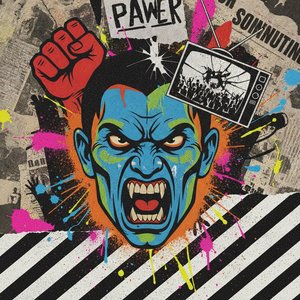 Aggressive Pop Art: The Bold Rebellion of Confrontational Imagery and its Impact on Modern Aesthetics
The Genesis of Rebellion: From Mid-Century Consumerism to Confrontational Aesthetics To understand the visceral impact of Aggressive Pop Art, one must first look back at the polite boundaries of the mid-century era. While the initial wave of Pop Art ...
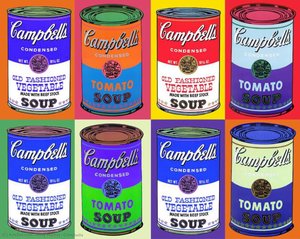
To truly grasp the visceral impact of Aggressive Pop Art, one must first look back at the polite boundaries and the certain, detached, ironic coolness that defined the mid-century era. The initial wave of Pop Art in the 1950s and 60s sought to bridge the gap between high culture and the everyday objects of consumerism, yet it often did so with a polished veneer. Figures like Andy Warhol utilized the repetitive, mechanical aesthetics of mass production to comment on the ephemeral nature of fame and commodity, presenting the world through a lens of commercial detachment. However, beneath this surface of glossy stability, a more turbulent energy began to stir—a profound desire to move beyond mere observation toward active confrontation.
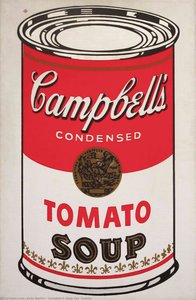
This rebellion was not merely a change in subject matter; it was an ontological shift in how art engaged with the viewer. Where traditional Pop Art might present a soup can as a static icon of stability, the emerging aggressive strains sought to destabilize that very stability. The movement began to absorb the anxieties of the late 20th century: the sensory overload of television, political upheavals, and the increasingly loud, saturated noise of global advertising. It was no longer enough for art to mirror the world; it had to strike back at it, using the very tools of mass media to critique its overwhelming power.
The Visual Language of Aggression: Saturated Hues and Kinetic Energy
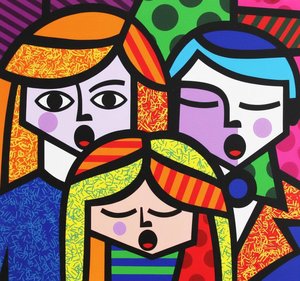 Chromatic Convergence of Three Faces in a Vibrant Pop Art Symphony
A Vision of Aggressive Confrontational Pop Experience the electric pulse of Chromatic Convergence of Three Faces in a Vibrant Pop Art Symphony , a breathtaking masterpiece that redefines the boundaries of modern graphic expression. This work captures...
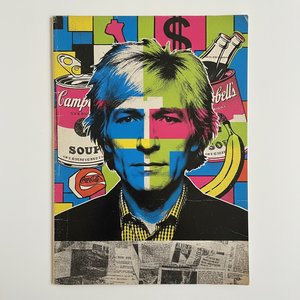
The aesthetic of this movement is defined by an unapologetic, confrontational energy that commands immediate attention. We see this most vividly in works like Chromatic Convergence of Three Faces in a Vibrant Pop Art Symphony, where the canvas becomes a dynamic symphony of color and form. Through the use of thick, assertive black outlines and a saturated palette of cyan, magenta, and orange, the artist creates a state of beautiful tension. The interplay of geometric curves and sharp angular segments, often accented by rhythmic polka dots, transforms the visual experience into something hypnotic and high-energy.
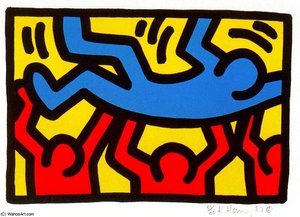
This visual language relies heavily on kinetic energy to unsettle the spectator. It is an art of movement and pulse, much like the Haring Street Pop aesthetic, which utilizes uniform-weight black outlines and radiant figures to translate the frantic pulse of urban life into a disciplined system of chromatic harmony. The use of vibrant, almost hallucinatory palettes—streaks of electric blue, searing pink, and acid green—can dissolve identity itself, much like the digitized textures found in contemporary works that reference the chaotic energy of a broken video game screen. It is a deliberate use of saturation to overwhelm the senses, mirroring the sensory overload of the modern age.
Deconstructing the Icon: Social Commentary in Neo-Pop Masterpieces
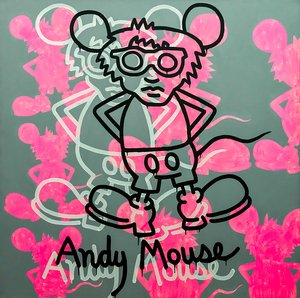 Andy mouse
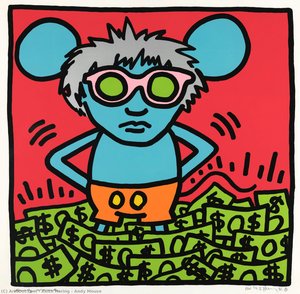
Andy Mouse: A Pop Art Icon Reimagined Keith Haring’s *Andy Mouse* isn't merely a cartoon; it’s a vibrant collision of artistic movements and cultural icons. Born from the late 20th-century Neo-Pop Art movement, this piece brilliantly merges the unive...
In the hands of the Neo-Pop masters, familiar imagery is stripped of its innocence and repurposed for critical observation. Consider Keith Haring’s Andy Mouse; it is far more than a playful cartoon. It represents a vibrant collision of artistic movements and cultural icons, merging the universally recognized imagery of Disney’s Mickey Mouse with the groundbreaking aesthetic pioneered by Warhol. By injecting his signature style—bold lines and simplified forms—Haring creates an artwork that resonates with both playful nostalgia and a potent dose of social commentary.
This deconstruction extends to the very nature of identity and heritage. In works like Douglas Coupland’s Electric Laser Goo Pop Head, we see an invitation into a dialogue about what constitutes national identity in the 21st century. By reimagining classic landscape imagery through a distinctly Pop aesthetic, the artist challenges viewers to reconsider established narratives. This process of recontextualization allows the artist to use the tools of mass media to explore complex social and political realities, turning the symbols of childhood or national pride into sites of profound interrogation.
Beyond Eye Candy: Decoding the Hidden Symbolism and Political Subtext
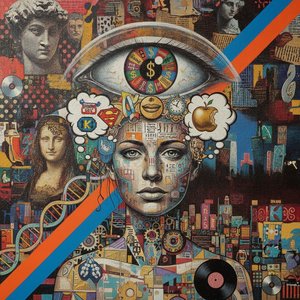 More Than Meets the Eye: Decoding the Hidden Symbols and Bold Layers of Allegorical Pop Art
Beyond the Surface: Why Pop Art is More Than Just Eye Candy Pop art Pop art is an art movement that emerged in the United Kingdom and the United States during the mid-to late 1950s. The movement presented a challenge to traditions of fine art by incl...
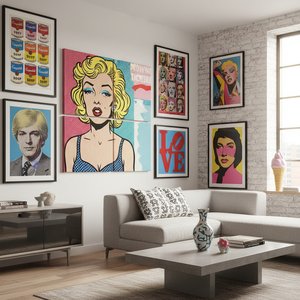
At first glance, Pop Art can appear as a neon explosion designed for easy consumption—a vibrant, glossy surface that feels instantly at home in a modern, digital-age aesthetic. However, to dismiss it as mere eye candy is to miss the entire point of the movement. Beneath the recognizable symbols lies a hidden language of profound significance. The movement takes the banal, the kitsch, and the mass-produced—the very things society often ignores in favor of "high art"—and elevates them to a status of cultural importance.
This depth is perhaps most radically expressed in movements like NO!art, which sought to deliver a shock to a complacent consumerist society. Using works that attacked fascism, racism, and imperialism, these artists added "venom" to the Pop aesthetic. Even within more mainstream Neo-Pop, such as the work of Edgardo Miguel Giménez, the use of Pop techniques serves to explore the human condition and national history. The imagery is often challenging and provocative, using nudity or bold graphic choices to force a confrontation with the political and social realities that lie beneath the surface of our consumerist dreams.
The Enduring Impact: How Aggressive Pop Redefined Contemporary Expression
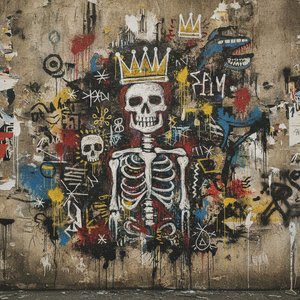 Basquiat and Raw Pop: The High-Energy Rebellion of Neo-Expressionism and the Legacy of Urban Street Art
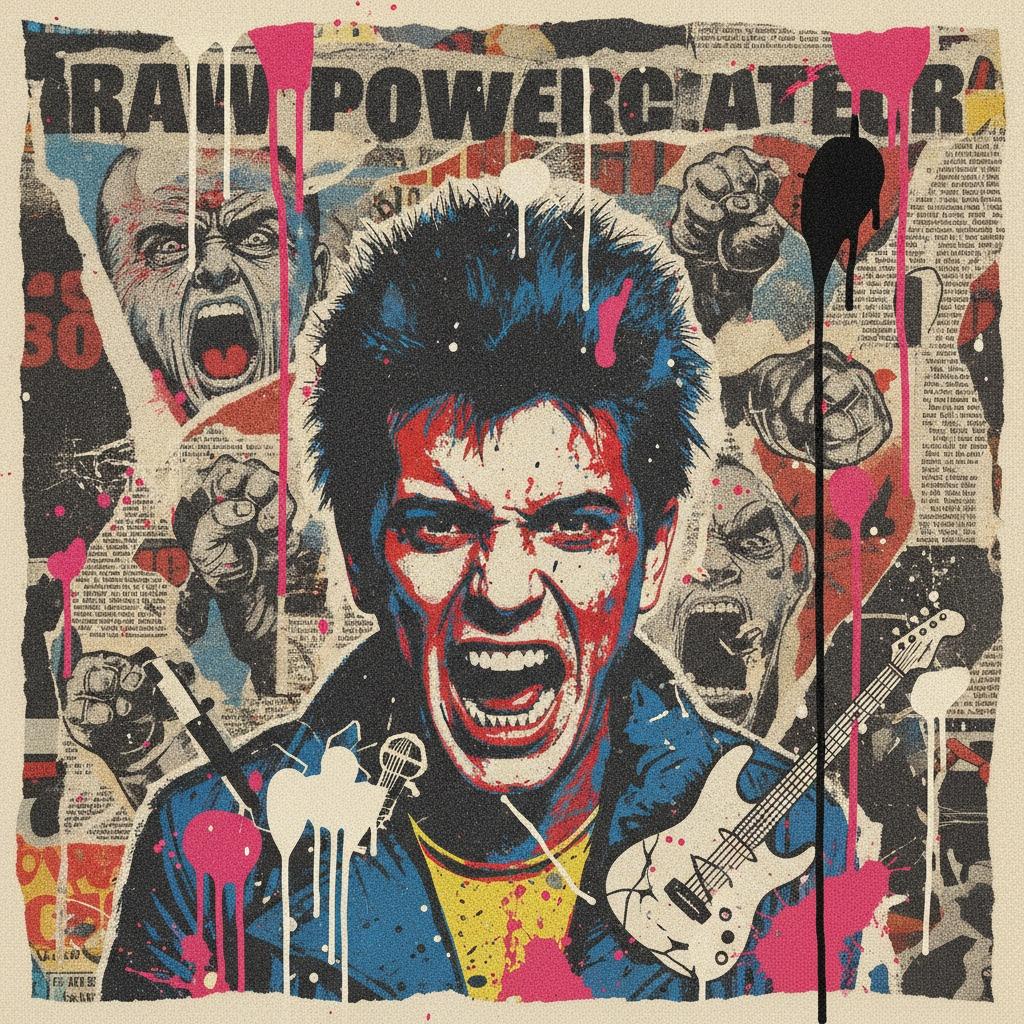
The Genesis of Chaos: From SAMO© to the Streets of New York Basquiat & Raw Pop: The Unfiltered Energy of Neo-Expressionism and the Legacy of Urban Rebellion The Genesis of Chaos: From SAMO© to the Streets of New York Jean-Michel Basquiat: Deconstruct...
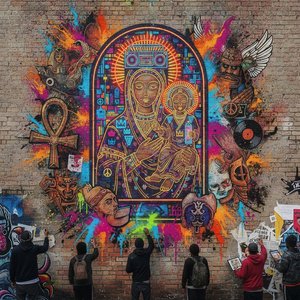
The legacy of Aggressive Confrontational Pop Art continues to reverberate through the halls of contemporary galleries and the streets of our urban centers. It has fundamentally altered our perception of what art can achieve, moving it from a state of passive reflection to one of active engagement. This movement paved the way for the raw energy of Neo-Expressionism, where artists like Jean-Michel Basquiat utilized the rhythmic, chaotic heartbeat of the city streets to deconstruct identity and power through a fusion of street art and high-energy painting.
Today, we see its influence in the hyper-polished surfaces of contemporary Neo-Pop, where artists like Philippe Masson elevate mundane consumer objects into monumental icons of chrome and gold. The movement has ensured that art remains a vital, breathing entity—one that is capable of being both beautiful and unsettling, both nostalgic and revolutionary. For the collector, this era offers a profound opportunity to acquire works that do not merely decorate a space, but rather, demand a dialogue with the world around them.
At ArtsDot.com, we celebrate the enduring power of these transformative movements. Whether you are drawn to the delicate light of the Impressionists or the bold, rebellious energy of the Pop masters, our mission is to bring the soul of art history into your home through meticulous, hand-painted reproductions and bespoke commissions.