The Ethereal Prelude: Light as a Manifestation of the Divine
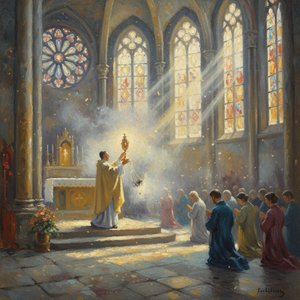 Divine Light: Capturing Sacred Moments through Impressionist Mastery
The Ethereal Prelude: Light as a Manifestation of the Divine Capturing the Divine: A Curated Journey Through Masterpieces of Sacred Art and Spiritual Transcendence The Ethereal Light: Divine Presence in Early Renaissance Iconography To gaze upon the ...
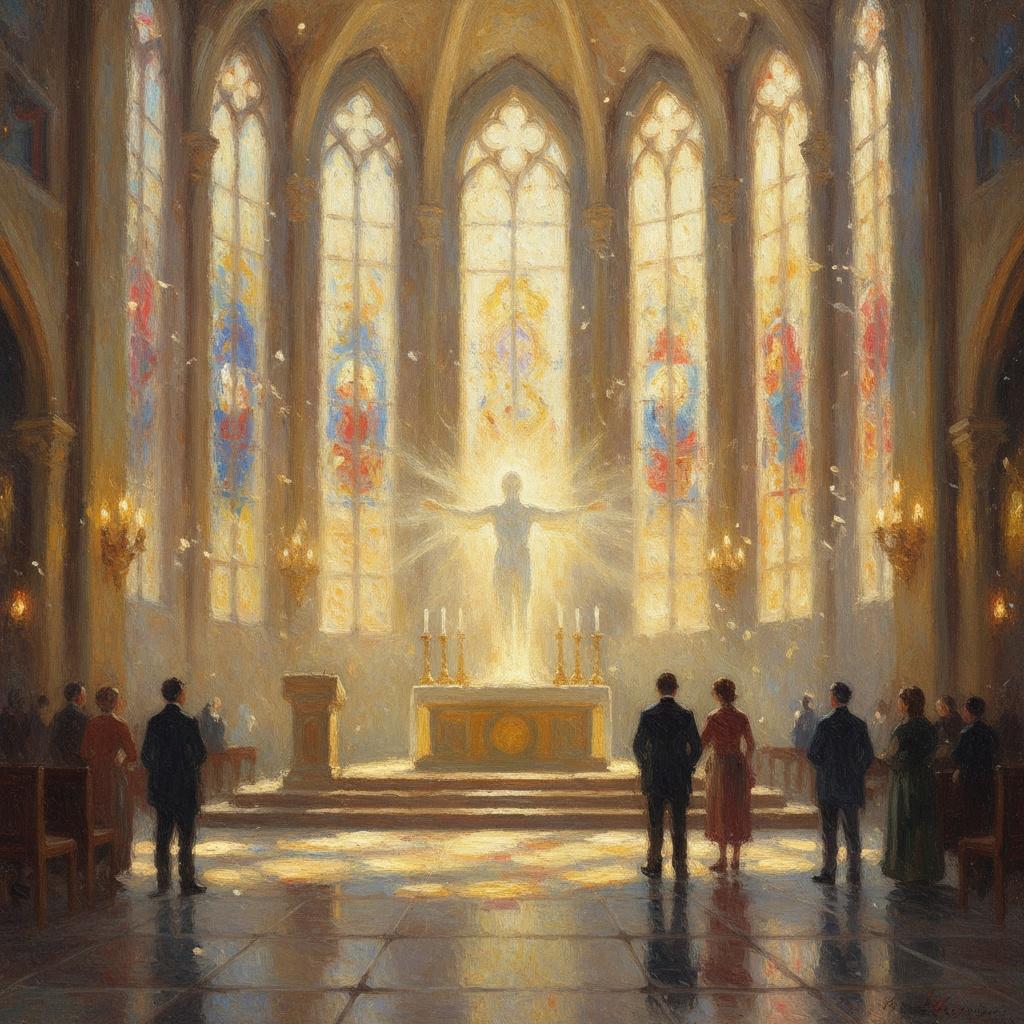
To gaze upon the dawn of the Renaissance is to witness a profound shift in how humanity perceived the celestial realm. Before the heavy shadows of later eras took hold, there existed a period defined by a luminous, almost translucent clarity, where light was not merely a physical phenomenon but a manifestation of the divine itself. In these early works, the atmosphere feels saturated with grace, as if the very air within the frame has been sanctified. When we consider the breathtaking Virgin Mary Annunciate by Fra Angelico, we see an artist employing a palette that seems to glow from within, utilizing intricate gold leaf details to catch the light and direct the viewer's soul toward the miraculous event unfolding. This use of light serves as a theological bridge; it is the lux nova, the new light, which illuminates the intersection of the earthly and the eternal. For centuries, the canvas functioned as a window into the transcendent, teaching us that light is never just about visibility—it is about revelation.
From Iconography to Impressionism: The Evolution of Sacred Illumination
 Light in painting
Light in painting serves both technical and aesthetic purposes. Technically, it is essential to visual representation, as it conditions the perception of color, texture, and volume. Aesthetically, its interplay with shadow and its effects on color an...
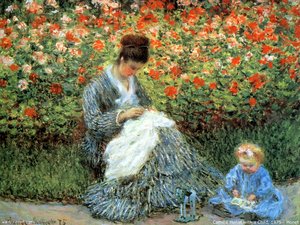
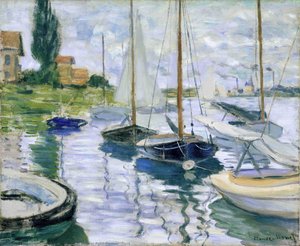
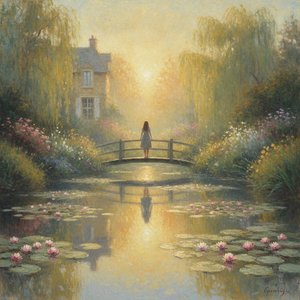
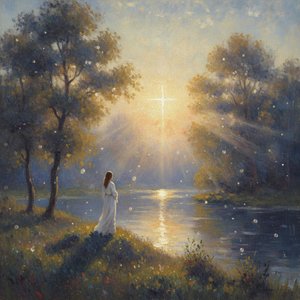
As we move through history, this reverence for light evolves from the structured clarity of the Renaissance into something far more fluid and sensory. The transition from the rigid, somber constraints of academic realism toward the shimmering rebellion of the late nineteenth century marked a seismic shift in the visual landscape. While the masters of the past used light to define sacred figures and theological truths, the Impressionists sought to find the divine within the ephemeral beauty of the present moment. They moved away from the heavy, symbolic use of gold and shadow, choosing instead to capture the way sunlight dances across a river's surface or shimmers through a summer breeze. This evolution did not abandon the search for meaning; rather, it relocated the sacred from the cathedral altar to the sun-drenched landscape, suggesting that the divine is present in every fleeting, luminous second of our natural world.
Capturing the Fleeting Moment: Renoir and Monet’s Luminous Devotion
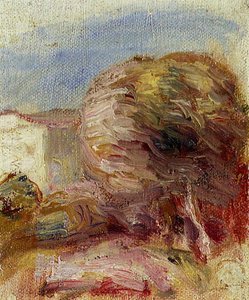 La Poste at Cagnes
A Glimpse into Provençal Life: Pierre-Auguste Renoir’s *La Poste at Cagnes* Pierre-Auguste Renoir's *La Poste at Cagnes*, painted in 1905, is more than just a depiction of a rural scene; it’s an evocative distillation of the French Impressionist aest...
The Impressionist masters, particularly Claude Monet and Pierre-Auguste Renoir, became the ultimate architects of this optical devotion. Their canvases became windows into a world transformed by light, where colors vibrate with an ethereal quality. In Renoir’s La Poste at C
agnes, we see his enduring fascination with the beauty of everyday life, captured through a lens of profound tranquility. He abandons meticulous detail in favor of capturing the impression of a moment—the way light filters through foliage and the warmth of the sun on stone. This technique relies heavily on broken color, applying small strokes of pure pigment side-by-side, allowing the viewer’s eye to blend them optically.
At ArtsDot.com, our artists strive to honor this exact technical mastery. When we create our hand-painted oil reproductions, we do not simply replicate a photograph; we recreate the soul of the movement. Our artists use 100% cotton canvas and thick, visible brushstrokes to capture that essential impasto texture, ensuring that the light-drenched atmosphere of a Renoir or Monet is physically present in your home. There is a profound difference between a flat print and a real painting; it is the depth of the pigment and the tactile nature of the oil that allows the light to truly live within the work.
Beyond the Visible: Gauguin and the Symbolism of Spiritual Vision
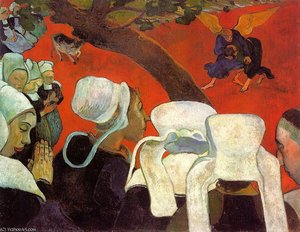 The Vision After the Sermon (Jacob Wrestling the Ang
The Vision After the Sermon: A Masterpiece of Post-Impressionism Paul Gauguin's "The Vision After the Sermon (Jacob Wrestling the Angel)" is a captivating work that embodies the essence of Post-Impressionism. This masterpiece, created in 1888, is a t...
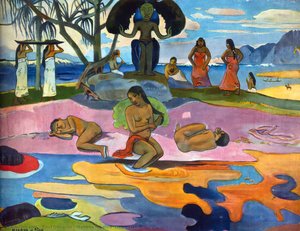
As the movement progressed into Post-Impressionism, the search for meaning moved beyond the purely optical and into the realm of the subjective and the symbolic. Paul Gauguin, a pioneer of this era, pushed the boundaries of artistic expression by blending bold colors and expressive forms to invite viewers into a spiritual realm where reality and vision blur. In his masterpiece, The Vision After the Sermon (Jacob Wrestling the Angel), the atmosphere is one of intense emotional and religious significance. Here, the color palette is dominated by warm, fiery hues—reds, oranges, and yellows—that create an atmosphere of intense spiritual struggle.
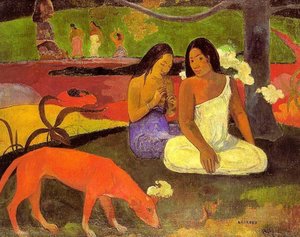
Gauguin’s work demonstrates that light and color can serve as a language for the soul's deepest yearnings. This period of Synthetism moved away from the fleeting moment toward a deeper understanding of emotional truth. It is this same spirit of transformation that we celebrate through our custom services. We offer the unique ability to "remix" art history, allowing you to request a personal photo to be painted in the bold, expressive style of Gauguin or the light-drenched, soft textures of Monet, turning your own cherished memories into works of profound spiritual resonance.
A Sanctuary of Color: Finding Quiet Contemplation in the Impressionist Landscape
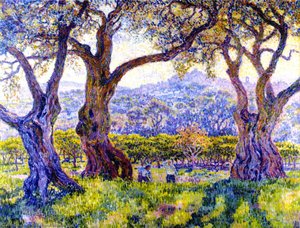 Olive Trees near Nice (also known as Oliviers aux environs de Nice)
Olive Trees near Nice – A Post-Impressionist Masterpiece Theo van Rysselberghe’s “Olive Trees near Nice,” painted in 1905, is more than just a depiction of a Provençal landscape; it's a carefully constructed meditation on light, form, and the emotion...
Ultimately, the legacy of these masters offers us more than just beautiful imagery; it offers a sanctuary. Whether it is the meditative quality of Theo van Rysselberghe’s Olive Trees near Nice or the dreamlike, contemplative sketches of Nicholas Roerich, these works invite us to pause and find connection within the vastness of nature. In a modern world that often feels hurried and disconnected, an Impressionist masterpiece serves as a quiet corner for reflection, a way to bring the peace of a Provençal afternoon into our very living rooms.
At ArtsDot.com, we believe art is a lasting memory. We invite you to explore our collection of museum-quality reproductions and custom commissions designed to transform your space into a sanctuary of light. Whether you are looking for a large-scale multi-panel set to anchor a grand hallway or a bespoke portrait that captures a loved one in the style of the masters, our dedicated Project Coordinators are here to guide you.
- Hand-Painted Excellence: Every piece is 100% hand-painted on cotton canvas by artists with academic training.
- Custom Transformations: Turn your personal milestones into masterpieces through our photo-to-oil service.
- Bespoke Framing: Complete your vision with our full-service framing shop, offering everything from gold leaf to modern wraps.
Discover the transformative power of sacred light. Visit us at ArtsDot.com to begin your journey into the heart of Impressionism.