The Philosophy of Impermanence: Embracing the Essence of the 'Floating World'
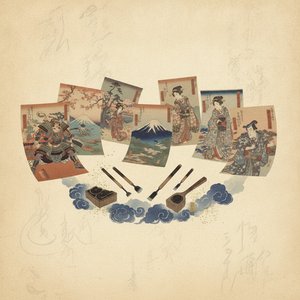 Floating Worlds: A Definitive Guide to the Mastery and Philosophy of Japanese Ukiyo-e Woodblock Prints
The Philosophy of Impermanence: Understanding the 'Floating World' Floating Worlds: The Captivating Magic and Timeless Legacy of Japanese Ukiyo-e Art The Philosophy of the Floating World: Understanding Ukiyo-e To understand Ukiyo-e is to grasp the ve...
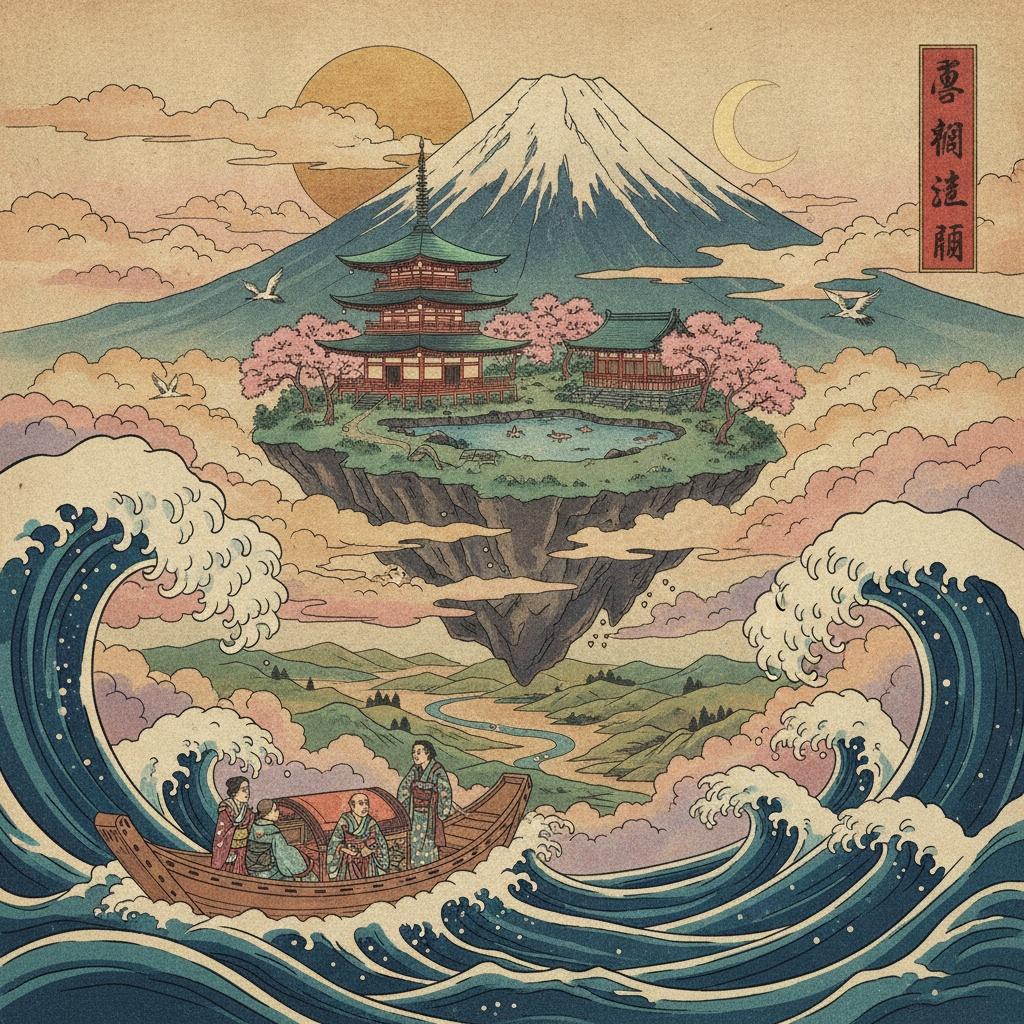
This philosophy of impermanence is woven into every fiber of the woodblock print. It invites us to find beauty not in what lasts forever, but in the very fact that it will fade. For the discerning collector, there is a profound, bittersweet resonance in these works; they serve as a gentle reminder that our most precious experiences are often those that are most fleeting. In the stillness of a print, we find a way to hold onto the passing second, capturing the essence of a world that was always meant to drift away like cherry blossoms on a spring breeze.
Masters of the Woodblock: The Intricate Artistry of Hokusai and His Contemporaries
 Hokusai's Masterpieces: 25 Iconic Prints & Paintings for Art Lovers | ArtsDot
Introduction To embark on a journey through the 25 most celebrated artworks of Katsushika Hokusai is to enter a world where ink blossoms into waves, mountains breathe with life, and everyday scenes resonate with profound beauty. These pieces aren’t m...
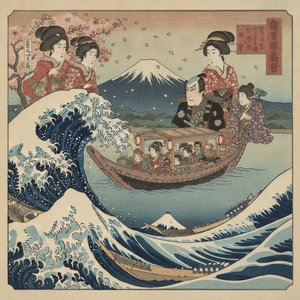
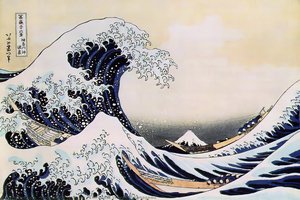
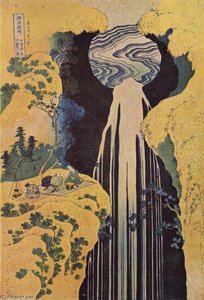
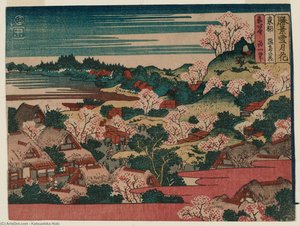
We see this mastery most iconically in the works of Katsushika Hokusai, whose ability to make ink blossom into living, breathing landscapes remains unparalleled. His compositions do not merely represent nature; they evoke its very spirit, from the terrifying power of a surging wave to the quiet dignity of Mount Fuji. Yet, the movement was far from monolithic. We find a different, more intimate charm in the works of Okumura Toshinobu, whose prints are characterized by soft forms and a delicate attention to detail that captures the romantic nuances of everyday life. From the versatile chronicler Utagawa Sadahide, who bridged the gap between tradition and the modernizing world, to the urban vitality captured by Utagawa Yoshitora, each master brought a unique brushstroke to the collective tapestry of the floating world.
Japonisme: How Ukiyo-e Inspired the Impressionist Vision
For those of us who find solace in the sun-drenched landscapes of Monet or the swirling, emotional textures of Van Gogh, there is a profound, almost ancestral connection to be found in these Japanese prints. When the borders of Japan opened, the influx of Ukiyo-e into Europe ignited a revolution known as Japonisme. This was not merely a trend; it was a fundamental shift in the Western artistic consciousness.The Impressionists looked to the "floating world" to learn how to see differently. They were captivated by the bold, asymmetrical compositions, the flattened perspectives, and the use of vibrant, unblended colors that defied the rigid academic traditions of the time. The way an Ukiyo-e artist might crop a scene abruptly, or focus on a single, striking detail of a landscape, provided the blueprint for the modern eye. When we gaze upon the light-drenched canvases of the Impressionist masters, we are seeing the echoes of Edo—a legacy of freedom, color, and a new way of capturing the fleeting light of our own world.
Echoes of Edo: Capturing the Vibrant Pulse of Daily Life and Tradition
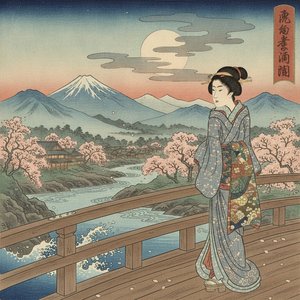 Ukiyo-e's Greatest Hits: 10 Masterpieces That Shaped a Movement | ArtsDot
Introduction Imagine a world captured not in grand historical narratives or regal portraits, but in fleeting moments of everyday life – a Kabuki actor frozen mid-performance, the delicate beauty of a courtesan, a surging wave threatening to engulf al...
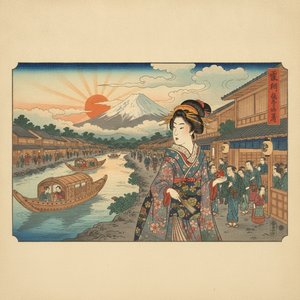
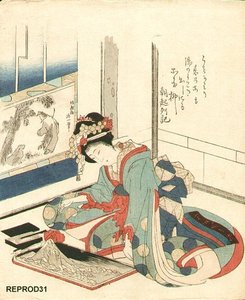
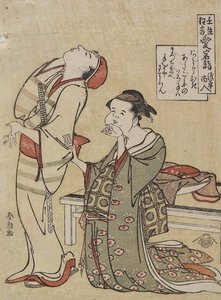
One can almost hear the bustle of the city within these works. We see the elegance of courtesans in the pleasure districts, the strength of sumo wrestlers, and the intricate social hierarchies of a period defined by both strict order and sudden bursts of creative liberty. Even as Japan moved through periods of immense change—from the stability of the Tokugawa shogunate to the transformative Meiji Restoration—the Ukiyo-e artists remained steadfast chroniclers. They captured the energy, the desires, and even the anxieties of an era, ensuring that the pulse of Edo would continue to beat long after the era itself had passed into history.
A Timeless Legacy: Finding Eternal Beauty in Fleeting Moments
As we reflect on the enduring allure of Ukiyo-e, we realize that its true power lies in its universality. Though these prints were originally considered "low" art, created for mass consumption by the common people, they have ascended to the highest echelues of global fine art. They remind us that there is no distinction between the grand and the ordinary; a single raindrop or a passing shadow holds as much potential for transcendence as the most epic historical narrative.To collect or contemplate Ukiyo-e is to participate in a continuous dialogue with the past. It is an invitation to slow down, to observe the subtle nuances of our own existence, and to find reverence in the ephemeral. In a world that often feels overwhelming and permanent, the "floating world" offers us a sanctuary of grace—a place where we can learn to cherish the beauty of the transient, finding something eternal within the most fleeting of moments.