


 Предпросмотр
 Поделиться
 Поделиться
 Детали произведения

 Скачать
 Похожие работы
 Рентгенография
 Слайд-шоу
 Статистика
Всё ещё жизнь. Жёлтые цветы
 Масло на холсте
- Настенный декор
- Socialist Realism
 1954
1954- — Модерн
 94.0 x 100.0 cm
 Читать далее
Приобретите цифровое изображение высокого разрешения в улучшенном качестве, которое значительно превосходит онлайн-превью.
Каждый файл тщательно подготавливается нашими специалистами с использованием передовых инструментов и экспертной ручной ретуши. Мы гарантируем исключительную четкость, точную цветопередачу и детальную проработку каждого изображения.
Финальный файл доставляется по электронной почте в течение 72 часов и оптимизирован для немедленного использования в профессиональной среде, при верстке и печати. Это тот же уровень качества, которому доверяют ведущие дизайнерские студии, издательства и галереи.
Цифровое изображение
Скачайте файл высокого разрешения для личного использования, печати и творческих проектов. ( Перейти к печати Купить картину ручной работы)
Включено в каждый заказ цифровых изображений
Гарантия экспертной цифровой доставки
Выбирая ArtsDot.com, вы получаете не просто изображение — вы приобретаете профессионально обработанное цифровое произведение искусства, созданное с безупречной точностью и под защитой гарантии качества. Вот всё, что автоматически входит в ваш заказ:

Мгновенная доставка по e-mail
Ваш цифровой файл в высоком разрешении будет отправлен вам по электронной почте в течение 72 часов после оформления заказа — и сразу станет доступен для использования.

Цифровой файл с ИИ-улучшением
Ваше произведение искусства проходит профессиональную оптимизацию с использованием передовых инструментов ИИ и ручной обработки, что гарантирует максимальную детализацию, четкость и точность цветопередачи.

Бессрочная бесплатная повторная доставка
Случайно удалили или потеряли файл? Не беспокойтесь — мы отправим его вам повторно в любое время и совершенно бесплатно.

Без импортных пошлин — навсегда
Наслаждайтесь вашим произведением искусства мгновенно без таможенных пошлин, сборов или затрат на доставку — цифровые загрузки всегда не облагаются налогом.

Гарантия точности цветопередачи
Мы гарантируем, что ваше цифровое изображение максимально точно передает оригинальные цвета благодаря использованию профессиональных инструментов и систем управления цветом.

Гарантия удовлетворенности 100 дней
Если вы не будете удовлетворены своим цифровым изображением, мы внесем правки или вернем 100% стоимости в течение 100 дней — без лишних вопросов.

100% Гарантия возврата средств
Не удовлетворены покупкой? Получите полный возврат средств в течение 100 дней после получения цифрового файла — без лишних вопросов.

Скидки на оптовые заказы
Купите 3 изображения, сэкономьте 10% — Купите 5, сэкономьте 15% — Купите 10+, сэкономьте 20%. Отличное решение для творческих проектов, галерей и агентств.
Aleksandr Deyneka’s “Still Life. Yellow Flowers”: A Celebration of Soviet Optimism
Aleksandr Deyneka's "Still Life. Yellow Flowers," painted in 1954, is more than just a depiction of a vase brimming with blossoms; it’s a carefully constructed embodiment of the core tenets of Socialist Realism – a movement that profoundly shaped Soviet art and visual culture for decades. This oil-on-canvas work, measuring 94 x 100 cm, offers a glimpse into a world striving for progress, harmony, and unwavering optimism, values deeply ingrained within the ideological framework of the era. Deyneka, a prominent figure in Russian painting, graphic design, and sculpture, masterfully utilizes simple forms and vibrant colors to convey a powerful message of collective prosperity and joyful labor – a testament to the aspirations of the Soviet Union.
The composition itself is remarkably restrained yet profoundly effective. A sturdy wooden table serves as the stage for a captivating arrangement: a vase, boldly red with elegant white stripes, holds an abundance of radiant yellow flowers. These aren’t merely decorative elements; they are symbols of vitality, warmth, and the promise of a brighter future. Scattered amongst them are additional blooms, creating a sense of overflowing generosity – mirroring the perceived bounty of Soviet life. A nearby chair subtly suggests domesticity and comfort, grounding the scene in everyday reality while simultaneously reinforcing the idea that these ideals are accessible to all citizens. The careful placement of each element speaks volumes about Deyneka’s deliberate approach to visual storytelling.
The Language of Socialist Realism
To fully appreciate “Still Life. Yellow Flowers,” it's crucial to understand the context of Socialist Realism itself. Emerging in Russia following the Bolshevik Revolution, this artistic style sought to create art that resonated with the working class and promoted the communist ideology. Unlike the abstract experimentation prevalent in Western Europe at the time, Socialist Realism prioritized clarity, accessibility, and a positive portrayal of life. Artworks were expected to be easily understood, emotionally engaging, and demonstrably beneficial to society. Deyneka’s work exemplifies this perfectly – it eschews complex symbolism or challenging narratives, instead offering a straightforward celebration of beauty and abundance.
The choice of yellow flowers is particularly significant within this framework. Yellow has long been associated with optimism, joy, and the sun—qualities deliberately cultivated in Soviet propaganda. The vibrant hue acts as a visual antidote to the hardships of industrialization and the challenges of building a new society. Furthermore, the red vase, often linked to revolutionary fervor and socialist ideals, provides a striking counterpoint, suggesting passion and energy driving the nation forward. This careful juxtaposition of color creates a powerful symbolic dialogue.
A Study in Technique and Detail
Deyneka’s technical skill is evident throughout “Still Life. Yellow Flowers.” The artist employs a bold, somewhat naive style reminiscent of early 20th-century European modernism, particularly influenced by Fauvism, but firmly rooted within the Socialist Realist aesthetic. Lines are used expressively rather than realistically; they're thick and gestural, especially noticeable in the drapery and flower petals, lending a dynamic energy to the composition. Shapes are largely simplified and flattened, contributing to the painting’s stylized appearance – a deliberate choice designed for maximum impact on the masses.
Texture is created through visible brushstrokes, giving a sense of materiality to the objects depicted. The impasto technique—building up layers of paint—adds depth and richness to the surface, inviting viewers to engage with the tactile qualities of the scene. The lighting, seemingly emanating from a single window, casts distinct shadows that define the forms, adding volume and realism despite the stylized approach. While perspective is somewhat simplified, it effectively guides the eye through the composition, drawing attention to the central arrangement of flowers.
Symbolism and Legacy
Beyond its technical merits, “Still Life. Yellow Flowers” carries a potent symbolic weight. The flowers themselves represent joy, optimism, and vitality – core values promoted by the Soviet regime. The red vase symbolizes passion and energy, while the overall composition speaks to the abundance and prosperity promised by socialist ideals. Deyneka’s work serves as a visual manifesto for a nation striving to build a better future, one filled with beauty, labor, and collective achievement. It's a poignant reminder of a specific historical moment and the artistic strategies employed to shape public perception during that era.
Похожие произведения
Биография художника
A Life Forged in Revolution: The Artistic Journey of Aleksandr Deyneka
Aleksandr Aleksandrovich Deyneka, born in 1899 in the provincial Russian city of Kursk, was an artist inextricably linked to the tumultuous currents of the twentieth century. His life and work mirrored the dramatic shifts of his nation – from the waning days of Tsarist Russia through the fervor of revolution, the industrialization of the Soviet era, and the shadow of war. Deyneka wasn’t merely a recorder of these events; he was an active participant, shaping and being shaped by the ideological forces that swept across his homeland. His early life offered little hint of the artistic prominence to come. He initially pursued studies at a railway college, simultaneously attending art workshops – a practical grounding that would later inform the dynamic energy and structural clarity present in his compositions. This period was cut short by the upheaval of 1917, propelling him towards Moscow and enrollment at Vkhutemas, the Higher State Artistic and Technical Workshops, a crucible of avant-garde thought and experimentation. It was here, under the tutelage of Vladimir Favorsky, that Deyneka honed his skills in graphic arts and printmaking, absorbing the principles of constructivism and developing a keen understanding of form and space.The Rise of Socialist Realism and Defining an Era
Deyneka’s artistic development unfolded alongside the evolving aesthetic demands of the Soviet state. Initially aligned with groups like OST (Society of Easel Artists), he embraced modernist principles, exploring dynamic compositions and a bold visual language. His early works reflected this influence – vibrant color palettes, energetic brushstrokes, and a fascination with movement were hallmarks of his style during this period. However, as Stalin consolidated power and Socialist Realism became the officially sanctioned style, Deyneka adapted – not by abandoning his artistic vision entirely, but by channeling it into forms acceptable to the regime. This wasn’t simply capitulation; rather, it was a strategic negotiation that allowed him to continue creating impactful work while navigating a politically fraught landscape. His paintings of the 1930s, such as *Collective Farmer on a Bicycle* (1935), became iconic representations of Soviet ideals – celebrating labor, athleticism, and the promise of a new socialist society. The painting is not merely a depiction of rural life; it’s an embodiment of forward momentum, a visual manifesto of progress and optimism. He skillfully blended these modernist elements with the prescribed themes and stylistic conventions of Socialist Realism, creating works that were both visually engaging and politically aligned. This period also saw his involvement with the *Windows of ROSTA* project, creating powerful propaganda posters that disseminated revolutionary messages throughout the country. These weren’t just advertisements; they were carefully constructed narratives designed to inspire loyalty and promote the virtues of the new Soviet order.Beyond Propaganda: Monumentality and Mosaic Mastery
While often categorized as a Socialist Realist painter, to limit Deyneka to this label is to overlook the breadth of his artistic talent. His ambition extended beyond easel paintings into monumental works and public art. He created large-scale canvases depicting historical events – *The Defense of Petrograd* (1928) being a prime example – imbued with dramatic intensity and a sense of epic scale. These weren’t simply illustrations of battles; they were attempts to capture the spirit of revolutionary struggle, transforming historical moments into mythic narratives. The figures in these paintings are often depicted in dynamic poses, conveying a sense of urgency and heroism. Deyneka's use of color is particularly striking – bold reds, yellows, and blues create a vibrant and emotionally charged atmosphere. Perhaps less known but equally significant is his work in mosaics. Deyneka’s designs for the Mayakovskaya metro station in Moscow are breathtaking examples of public art seamlessly integrated with architecture. These vibrant, dynamic compositions – depicting scenes of Soviet life and aspirations – transformed a utilitarian space into a palace of the people, demonstrating his versatility and mastery of different artistic mediums. These mosaics stand as enduring testaments to his ability to elevate everyday themes into grand visual statements. The intricate details and bold colors of these works are a testament to Deyneka’s technical skill and artistic vision.A Complex Artistic Identity
Aleksandr Deyneka's artistic identity is one of compelling complexity. He was an artist who navigated a shifting political landscape with both pragmatism and passion, adapting his style while maintaining a distinctive visual voice. His work wasn’t simply propaganda; it was a reflection of the hopes and anxieties of a nation undergoing radical transformation.- He embraced modernity but also sought to connect with the traditions of Russian art.
- He celebrated collective ideals yet retained a sense of individual artistic expression.
- His work continues to spark debate about the relationship between art, politics, and ideology.
Deyneka’s Major Achievements
Throughout his career, Aleksandr Deyneka achieved significant recognition and produced numerous impactful works:- Monumental Paintings: *Collective Farmer on a Bicycle* (1935), *The Defense of Petrograd* (1928) – These paintings exemplify his ability to convey complex themes through dynamic composition and vibrant color.
- Metro Station Mosaics: His designs for the Mayakovskaya metro station in Moscow are considered masterpieces of Soviet public art, showcasing his skill in creating large-scale, visually engaging mosaics.
- Graphic Art & Posters: He created numerous posters and graphic works for magazines like *Bezbozhnik u Stanka* and *Krasnaya Niva*, contributing to the visual culture of the Soviet era.
- Book Illustrations: Deyneka illustrated several notable books, including *Bustle* by N. Aseev and *Through the Pole to America* by G. F. Baidukov, demonstrating his versatility as an illustrator.
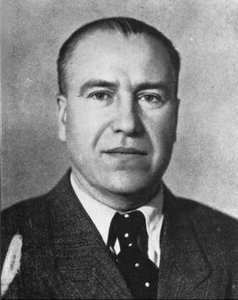
Александр Дейнека
1899 - 1969 , Россия
Основные сведения
- Artistic Movement Or Style: Социалистический реализм
- Artists Or Movements Influenced By This Artist: ['Конструктивизм']
- Artists Who Influenced This Artist: ['Фаворский В.А.']
- Date Of Birth: 20 мая 1899 г.
- Date Of Death: 12 июня 1969 г.
- Full Name: Aleksandr Aleksandrovich Deyneka
- Nationality: Русский
- Notable Artworks:
- «Колхозники»
- «Битва за Севастополь»
- «Спорт»
- Place Of Birth: Горск, Россия