Предпросмотр
 Поделиться
 Поделиться
 Детали произведения

 Скачать
 Похожие работы
 Рентгенография
 Слайд-шоу
 Статистика
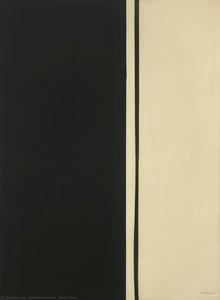
Черное Пламя I
 Масло на холсте
- Настенный декор
- Color Field Painting
 1963
1963- — Модернизм
 289.0 x 213.0 cm
 Читать далее
Жикле / Арт-принт
Печать (жикле) или холст музейного качества с быстрыми сроками изготовления и широким выбором вариантов отделки. ( Купить картину ручной работы Перейти к цифровым изображениям)




P118B $10

P118H $10

P118W $10

P438Z $10

P508JH $12

P508YH $12

P805H $10

P805Z $10

P919BZ $10

P919G $10

P919XJ $10

P959ZH $10

P968JZ $12

W106C $8

W218G $10

W218JH $8

W218Y $10

W307PJ $10

W316G $10

W316PJ $8

W316Y $10

W398PJ $8

W4111J $10

W500HY $15

W500JH $15

W692G $12

W849H $8

W940BG $15

W953PJ $8




Выберите один из наших стандартных размеров, соответствующих оригинальным пропорциям произведения искусства.

Вы можете указать свои собственные размеры, чтобы репродукция идеально подошла под конкретную раму или пространство. Если выбранный вами размер не будет соответствовать пропорциям оригинала, мы либо обрежем произведение, либо дополним изображение зеркальным отражением краев или однотонной заливкой. Перед началом производства вам будет отправлен цифровой макет для утверждения.
Пожалуйста, обратите внимание, что предварительный просмотр на экране не отображает фактическую обрезку или расширение изображения. Только макет точно покажет финальную композицию.
Несмотря на возможность заказа индивидуальных размеров, мы рекомендуем выбирать размер из предопределенного списка, чтобы сохранить оригинальные пропорции.
Доставка по всему миру () за 2 недели вместо стандартных 4/5 недель. (15 Сентябрь)

Бесплатная экспресс-доставка по всему миру

Высококачественный льняной холст

Полное страхование доставки

Гарантия возмещения таможенных пошлин

Гарантия точного соответствия цветов

100-дневная политика возврата (только при обнаружении дефектов)

Гарантия возврата 100% средств

Предложение оптовых скидок
 Вариант со стеклом доступен только для размеров менее 110 см

Черное Пламя I
Жикле / Арт-принт
Размер репродукции
-


Итоговая стоимость
$ 62
Black Fire I (1963; United States) by Barnett Newman
Black Fire I stands as an undeniable pinnacle of Color Field painting within the broader Abstract Expressionist movement, embodying a profound exploration of form and emotion. Measuring an impressive 289.5 x 213.4 centimeters, this monumental canvas transcends mere dimensions; it asserts itself upon the viewer’s perception with unwavering simplicity and a weighty resonance that speaks to fundamental human experience.
Composition & Technique: The Power of Reduction
The artwork is dramatically divided into two distinct vertical panels. On the left, an intense black dominates—a monolithic presence—while the right panel offers a subtle counterpoint in soft beige – almost an off-white – creating a visual dialogue that underscores Newman’s commitment to reductive aesthetics. This deliberate separation isn't arbitrary; it’s a calculated gesture directing all attention to the interplay between these two powerful fields of color. Newman achieved flawlessly smooth, flat surfaces using meticulous technique—a process characterized by painstaking brushwork and an unwavering dedication to achieving maximum tonal purity. The resulting texture is remarkably subtle, prioritizing visual impact over tactile sensation.
Historical Context: A Pioneer of Abstraction
Barnett Newman (1905-1970) emerged as a central figure in the genesis of Abstract Expressionism, rejecting representational art and pursuing an entirely new artistic language. Influenced by Surrealist experimentation and captivated by the stylistic innovations of artists like Picasso and Matisse, Newman swiftly abandoned traditional conventions—scale, subject matter, and even artistic purpose—embracing instead the radical freedom offered by abstraction. His formative years were spent studying philosophy at City College of New York, where he honed his intellectual rigor alongside a burgeoning interest in visual art. He even destroyed much of his earlier representational work, a deliberate act signifying his commitment to an entirely new artistic path.
Symbolism & Emotional Impact: Bey
Newman’s approach to painting was deeply rooted in contemplation and spiritual inquiry. The stark black and beige color blocks aren't merely decorative elements; they represent a deliberate attempt to distill the essence of human experience—the confrontation with darkness, the yearning for illumination. As Thomas Hess eloquently described Newman’s artistic vision, “When an artist wants to change, when he wants to invent, Newman goes to black; it is a way of clearing the table-of getting to new ideas.” The zips, thin vertical lines that bisect the canvases, serve as conduits for energy and symbolize the interconnectedness of all things—a visual echo of ancient cosmological beliefs.
Size: 289.5 x 213.4 cm
Date: 1963
- Newman’s Black Fire I exemplifies the core tenets of Color Field painting, prioritizing pure color and minimal form.
- The monumental scale commands attention and invites viewers to immerse themselves in the artwork's contemplative atmosphere.
- Its simplicity speaks to a profound desire for transcendence—a yearning for connection with something larger than oneself.
Black Fire I continues to inspire artists and collectors alike, cementing Newman’s legacy as one of the most influential figures in 20th-century art. Its enduring power resides in its ability to evoke emotion without resorting to narrative—a testament to Newman's mastery of visual language.
Похожие произведения
Биография художника
Barnett Newman: A Pioneer of Abstract Expressionism
Barnett Newman (1905–1970) stands as one of the most influential figures in American art history, a visionary who irrevocably altered the trajectory of abstract painting and profoundly impacted subsequent generations of artists. Born in New York City to Jewish immigrant parents from Poland, his artistic journey began humbly—studying philosophy at City College—but swiftly ascended to monumental heights fueled by an unwavering conviction that art could transcend mere representation and grapple with the deepest questions of human experience. This belief drove him to dismantle much of his earlier work, a deliberate act symbolizing his resolute commitment to forging a radically new visual language.Early Life and Artistic Influences
Newman’s formative years were marked by exposure to European artistic currents—particularly Cubism spearheaded by Picasso and the vibrant color palettes championed by Matisse—which instilled in him an appreciation for formal experimentation. However, he recognized that these established styles lacked the capacity to convey the anxieties and spiritual yearning of the postwar era. Rejecting conventional aesthetics, he embarked on a path of self-imposed creative destruction, discarding canvases brimming with detail and striving instead for austere simplicity. This pivotal decision cleared the way for his signature style—a breathtakingly reductive approach that prioritized emotional resonance over visual realism. He was deeply affected by the horrors of World War II and the looming threat of nuclear annihilation, perceiving a moral crisis within Western culture and believing that art could serve as a counterpoint to prevailing ideologies.The Birth of “Zip Paintings” and Color Field Aesthetics
Newman’s breakthrough arrived with his pioneering exploration of what he termed "zips"—vertical bands of color bisecting expansive fields of monochrome hues. These weren't merely lines; they were dynamic forces, asserting presence within the vast emptiness of the canvas—a deliberate antithesis to traditional painting techniques. His debut solo exhibition at Betty Parsons Gallery in 1943 garnered mixed reactions initially, yet it cemented his reputation as a revolutionary artist who dared to challenge artistic conventions. Works like *Onement VI* (1950-51)—featuring a single red zip dividing the canvas into fields of orange and red—became emblematic of his distinctive aesthetic. The painting’s monumental scale and uncompromising composition—a testament to Newman's belief in confronting existential dilemmas—immediately captivated critics and fellow artists alike.Major Achievements and Legacy
Newman’s artistic vision extended beyond mere visual experimentation; he was a prolific writer, essayist, and intellectual who passionately defended his radical aesthetic principles. He championed the notion that art could communicate profound moral values by rejecting dogma and embracing freedom—a stance that resonated deeply with artists grappling with similar concerns during the Cold War era. His monumental canvases, such as *Vir Heroicus Sublimis* (1958-60)—characterized by multiple zips creating a sense of spatial depth and evoking feelings of awe—became symbols of American artistic ambition and spiritual contemplation. Newman’s influence on subsequent generations of artists is undeniable; his minimalist approach paved the way for Minimalism, while his exploration of color and form continues to inspire painters today. His legacy resides not only in his groundbreaking artworks but also in his unwavering conviction that art could serve as a vehicle for confronting existential questions—a belief that solidified his place as one of the most enduring figures in 20th-century art history. Newman’s work remains an object of intense scholarly debate and artistic admiration, prompting ongoing discussions about its significance within the broader context of modern art. His uncompromising vision continues to challenge viewers to contemplate the sublime—that elusive experience of overwhelming grandeur and transcendence—and to grapple with fundamental questions about human existence.
Барнетт Ньюмен
1905 - 1970 , США
Основные сведения
- Artistic Movement Or Style: Абстрактный экспрессионизм
- Artists Or Movements Influenced By This Artist:
- Цветной живопись
- Минимализм
- Artists Who Influenced This Artist:
- Анна Леи
- Э Henri Matisse
- Date Of Birth: Янв 29, 1905
- Date Of Death: Июль 4, 1970
- Full Name: Barnett Newman
- Nationality: Американский
- Notable Artworks:
- Онемент VI
- Вир Героикус Сублимис
- Place Of Birth: Нью-Йорк, США
Похожие статьи
Chromatic Atmospheres: Exploring the Philosophical Foundations of Color Field Painting
Explore the philosophical and aesthetic foundations of Color Field painting with ArtsDot. Discover key artists like Rothko & Newman, its spiritual influences, and lasting impact on modern art. Expert insights for collectors.
Марк Ротко: 25 шедевров абстрактного экспрессионизма для вашего интерьера | ArtsDot
Погрузитесь в мир Марка Ротко! 25 шедевров абстрактного экспрессионизма, полных эмоций и цвета. Узнайте историю создания культовых картин и найдите идеальную репродукцию для вашего интерьера на ArtsDot.com.
Chromatic Atmospheres: Exploring the Evolution & Impact of Color Field Painting
Explore the captivating world of Color Field painting! Discover its origins, key artists like Rothko & Newman, philosophical depth, and lasting influence on modern art. Expert insights for collectors.
Carl Newman: Exploring Abstraction's Spiritual Resonance Through Color Field Painting
Explore the profound spiritual resonance of Color Field Painting with insights into Rothko, Newman & Still. Discover the techniques & legacy of this influential abstract art movement.
Топ-10 шедевров абстрактного экспрессионизма: искусство для вашего интерьера от ArtsDot.com
Погрузитесь в мир абстрактного экспрессионизма! Откройте для себя 10 шедевров Поллока, Ротко и других гениев. История искусства, техники живописи и вдохновение для вашего интерьера от ArtsDot.com. Explore the full collection online!