Предпросмотр
 Поделиться
 Поделиться
 Детали произведения

 Скачать
 Похожие работы
 Рентгенография
 Слайд-шоу
 Статистика
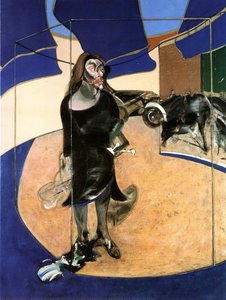
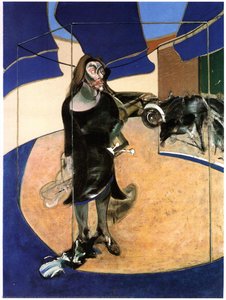
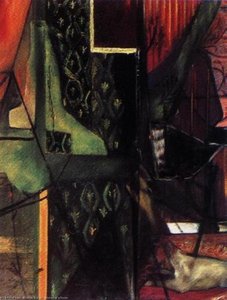
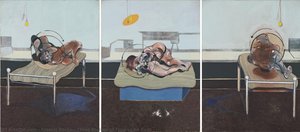
Изучение портрета на складной кровати


 Читать далее
Масляная репродукция ручной работы
Картина маслом на холсте в выбранном вами размере и раме, написанная на заказ нашими художниками. ( Перейти к печати Перейти к цифровым изображениям)




P118B $10

P118H $10

P118W $10

P438Z $10

P508JH $12

P508YH $12

P805H $10

P805Z $10

P919BZ $10

P919G $10

P919XJ $10

P959ZH $10

P968JZ $12

W106C $8

W218G $10

W218JH $8

W218Y $10

W307PJ $10

W316G $10

W316PJ $8

W316Y $10

W398PJ $8

W4111J $10

W500HY $15

W500JH $15

W692G $12

W849H $8

W940BG $15

W953PJ $8




Выберите один из наших стандартных размеров, соответствующих оригинальным пропорциям произведения искусства.

Вы можете указать собственные размеры, чтобы картина идеально вписалась в выбранную раму или пространство. Если выбранный вами размер не соответствует пропорциям оригинала, мы либо обрежем полотно, либо расширим его за счет дополнительных элементов, написанных вручную. Цифровой макет будет отправлен вам на утверждение перед началом производства.
Обратите внимание, что предварительный просмотр на экране не отражает фактическую обрезку или расширение. Только макет точно покажет окончательную композицию.
Хотя доступны индивидуальные размеры, мы рекомендуем выбирать вариант из предопределенного списка, чтобы сохранить исходные пропорции.
После оформления заказа команда ArtsDot.com свяжется с клиентом по электронной почте для уточнения деталей и предоставит предварительный макет
Доставка по всему миру () за 3–4 недели вместо стандартных 5 недель. (16 Сентябрь). Без компромиссов в качестве.

Бесплатная экспресс-доставка по всему миру

Высококачественный льняной холст

Полное страхование доставки

Гарантия возмещения таможенных пошлин

Гарантия точного соответствия цветов

100-дневная политика возврата (только при обнаружении дефектов)

Гарантия возврата 100% средств

Предложение оптовых скидок
 Вариант со стеклом доступен только для размеров менее 110 см

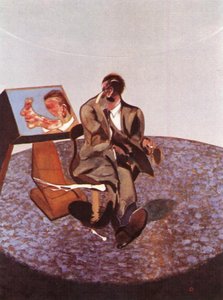
Изучение портрета на складной кровати
Техника репродукции
Размер репродукции
-


Итоговая стоимость
$ 263
Francis Bacon: Exploring Darkness Within Light
Francis Bacon (1909–1992) stands as one of the most influential figures in 20th-century art, renowned for his unsettling and profoundly evocative paintings that delve into themes of human suffering, isolation, and mortality. Unlike many artists of his era who sought to celebrate beauty or idealism, Bacon confronted the darker aspects of existence with unflinching honesty—a characteristic that cemented his place among the pioneers of Expressionism.
- Early Life & Education: Born in Dublin, Ireland, Bacon’s formative years were marked by instability and illness. His father, a prominent statesman, instilled in him a deep appreciation for intellectual rigor, while his mother's health challenges profoundly impacted his worldview. Despite initial struggles with gambling and racing, Bacon ultimately dedicated himself to painting after discovering the transformative power of artistic expression.
- Influence & Style: Bacon absorbed inspiration from diverse sources—Picasso’s Cubism, Surrealism, and Abstract Expressionism—developing a distinctive style characterized by fragmented forms, bold brushstrokes, and jarring color palettes. He rejected traditional representational conventions, prioritizing emotional intensity over accurate depiction.
- “Study for Portrait on Folding Bed” – A Masterpiece of Psychological Landscape
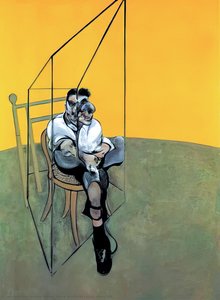
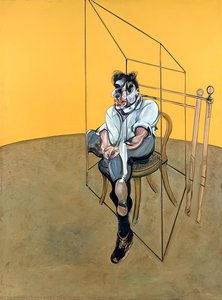
This seminal work exemplifies Bacon’s signature technique—layering oil paint onto canvas with sand—creating surfaces that are both tactile and visually arresting. The painting depicts a solitary figure lying on a folding bed, enveloped in an ambiguous environment dominated by fiery reds, oranges, and yellows. The distorted human form embodies vulnerability and psychological turmoil.
- Symbolism & Context: Produced during the Cold War era, “Study for Portrait on Folding Bed” speaks to anxieties about nuclear annihilation and the dehumanizing effects of totalitarian regimes. Bacon’s unflinching portrayal of suffering reflects a broader cultural preoccupation with confronting uncomfortable truths—a testament to his artistic courage.
- Legacy & Enduring Appeal: Bacon's influence extends far beyond his own lifetime, inspiring generations of artists who embrace experimentation and confront existential questions. “Study for Portrait on Folding Bed” remains one of his most iconic pieces, continuing to provoke contemplation and elicit emotional responses—a haunting reminder that art can illuminate the darkest recesses of the human soul.
To explore more masterpieces by Francis Bacon and other renowned artists, visit ArtsDot.
Additional Research: Bacon’s meticulous approach to painting—characterized by layering oil paint onto canvas with sand—was influenced by Surrealist ideas and aimed to capture not merely what he saw but also what he felt—the visceral experience of trauma and repression. His use of color was deliberate, conveying a sense of unease and impending doom.
The painting’s historical context is crucial to understanding its significance. Produced during the Cold War era, “Study for Portrait on Folding Bed” speaks to anxieties about nuclear annihilation and the dehumanizing effects of totalitarian regimes. Bacon’s unflinching portrayal of human suffering reflects a broader cultural preoccupation with confronting uncomfortable truths—a testament to his artistic courage.
The painting's formal elements contribute significantly to its emotional impact. The bold color scheme—primarily reds, oranges, and yellows—intensifies the sense of unease and conveys a feeling of impending doom. Bacon’s deliberate distortion of anatomical proportions underscores the disintegration of form and symbolizes the breakdown of rational thought.
The painting's historical context is crucial to understanding its significance. Produced during the Cold War era, “Study for Portrait on Folding Bed” speaks to anxieties about nuclear annihilation and the dehumanizing effects of totalitarian regimes. Bacon’s unflinching portrayal of human suffering reflects a broader cultural preoccupation with confronting uncomfortable truths—a testament to his artistic courage.
The painting's formal elements contribute significantly to its emotional impact. The bold color scheme—primarily reds, oranges, and yellows—intensifies the sense of unease and conveys a feeling of impending doom. Bacon’s deliberate distortion of anatomical proportions underscores the disintegration of form and symbolizes the breakdown of rational thought.
The painting's historical context is crucial to understanding its significance. Produced during the Cold War era, “Study for Portrait on Folding Bed” speaks to anxieties about nuclear annihilation and the dehumanizing effects of totalitarian regimes. Bacon’s unflinching portrayal of human suffering reflects a broader cultural preoccupation with confronting uncomfortable truths—a testament to his artistic courage.
The painting's formal elements contribute significantly to its emotional impact. The bold color scheme—primarily reds, oranges, and yellows—intensifies the sense of unease and conveys a feeling of impending doom. Bacon’s deliberate distortion of anatomical proportions underscores the disintegration of form and symbolizes the breakdown of rational thought.
The painting's historical context is crucial to understanding its significance. Produced during the Cold War era, “Study for Portrait on Folding Bed” speaks to anxieties about nuclear annihilation and the dehumanizing effects of totalitarian regimes. Bacon’s unflinching portrayal of human suffering reflects a broader cultural preoccupation with confronting uncomfortable truths—a testament to his artistic courage.
The painting's formal elements contribute significantly to its emotional impact. The bold color scheme—primarily reds, oranges, and yellows—intensifies the sense of unease and conveys a feeling of impending doom. Bacon’s deliberate distortion of anatomical proportions underscores the disintegration of form and symbolizes the breakdown of rational thought.
The painting's historical context is crucial to understanding its significance. Produced during the Cold War era, “Study for Portrait on Folding Bed” speaks to anxieties about nuclear annihilation and the dehumanizing effects of totalitarian regimes. Bacon’s unflinching portrayal of human suffering reflects a broader cultural preoccupation with confronting uncomfortable truths—a testament to his artistic courage.
The painting's formal elements contribute significantly to its emotional impact. The bold color scheme—primarily reds, oranges, and yellows—intensifies the sense of unease and conveys a feeling of impending doom. Bacon’s deliberate distortion of anatomical proportions underscores the disintegration of form and symbolizes the breakdown of rational thought.
The painting's historical context is crucial to understanding its significance. Produced during the Cold War era, “Study for Portrait on Folding Bed” speaks to anxieties about nuclear annihilation and the dehumanizing effects of totalitarian regimes. Bacon’s unflinching portrayal of human suffering reflects a broader cultural preoccupation with confronting uncomfortable truths—a testament to his artistic courage.
The painting's formal elements contribute significantly to its emotional impact. The bold color scheme—primarily reds, oranges, and yellows—intensifies the sense of unease and conveys a feeling of impending doom. Bacon’s deliberate distortion of anatomical proportions underscores the disintegration of form and symbolizes the breakdown of rational thought.
The painting's historical context is crucial to understanding its significance. Produced during the Cold War era, “Study for Portrait on Folding Bed” speaks to anxieties about nuclear annihilation and the dehumanizing effects of totalitarian regimes. Bacon’s unflinching portrayal of human suffering reflects a broader cultural preoccupation with confronting uncomfortable truths—a testament to his artistic courage.
The painting's formal elements contribute significantly to its emotional impact. The bold color scheme—primarily reds, oranges, and yellows—intensifies the sense of unease and conveys a feeling of impending doom. Bacon’s deliberate distortion of anatomical proportions underscores the disintegration of form and symbolizes the breakdown of rational thought.
The painting's historical context is crucial to understanding its significance. Produced during the Cold War era, “Study for Portrait on Folding Bed” speaks to anxieties about nuclear annihilation and the dehumanizing effects of totalitarian regimes. Bacon’s unflinching portrayal of human suffering reflects a broader cultural preoccupation with confronting uncomfortable truths—a testament to his artistic courage.
The painting's formal elements contribute significantly to its emotional impact. The bold color scheme—primarily reds, oranges, and yellows—intensifies the sense of unease and conveys a feeling of impending doom. Bacon’s deliberate distortion of anatomical proportions underscores the disintegration of form and symbolizes the breakdown of rational thought.
The painting's historical context is crucial to understanding its significance. Produced during the Cold War era, “Study for Portrait on Folding Bed” speaks to anxieties about nuclear annihilation and the dehumanizing effects of totalitarian regimes. Bacon’s unflinching portrayal of human suffering reflects a broader cultural preoccupation with confronting uncomfortable truths—a testament to his artistic courage.
The painting's formal elements contribute significantly to its emotional impact. The bold color scheme—primarily reds, oranges, and yellows—intensifies the sense of unease and conveys a feeling of impending doom. Bacon’s deliberate distortion of anatomical proportions underscores the disintegration of form and symbolizes the breakdown of rational thought.
The painting's historical context is crucial to understanding its significance. Produced during the Cold War era, “Study for Portrait on Folding Bed” speaks to anxieties about nuclear annihilation and the dehumanizing effects of totalitarian regimes. Bacon’s unflinching portrayal of human suffering reflects a broader cultural preoccupation with confronting uncomfortable truths—a testament to his artistic courage.
The painting's formal elements contribute significantly to its emotional impact. The bold color scheme—primarily reds, oranges, and yellows—
Похожие произведения
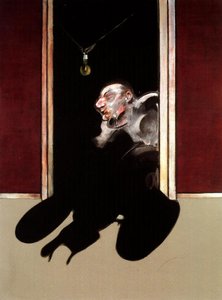
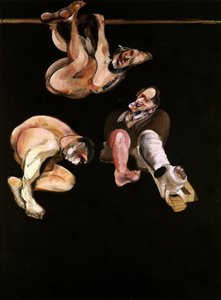
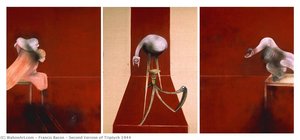
![Life Of Saint Francis - [04] - Death And Ascension Of St Francis — Джотто Ди Бондоне, Italian Renaissance](/media/artworks/images-thumb/08/8b/088b102b13c1a379233690905590f156.jpg)
Биография художника
Жизнь, погруженная в чувственное
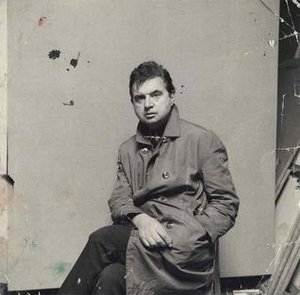
Фрэнсис Бэкон, имя ставшее синонимом самой острой эмоциональности в искусстве XX века, родился в Дублине, Ирландия, в 1909 году. Однако его художественный дух нашел наиболее полное выражение в бурном ландшафте послевоенной Британии. Ранние годы Бэкона были далеки от стабильности; частые переезды из-за здоровья матери внушили чувство оторванности, которое глубоко сформировало его мировоззрение и, в конечном итоге, пронизало его полотна. Сложные отношения с суровым отцом и тесная связь с няней Джесси Лайтфут еще больше окрасили эмоциональный фон его юношеских лет. Изначально увлеченный скачками и жизнью азартных игроков, Бэкон скитался по разным занятиям, прежде чем окончательно посвятить себя живописи в конце двадцатых годов – позднее начало, которое, возможно, усилило срочность и интенсивность его последующих работ. Он не получил формального образования, вместо этого прокладывал свой собственный путь, впитывая влияние различных источников и разрабатывая уникальный, тревожный визуальный язык.Предвестники ранних влияний
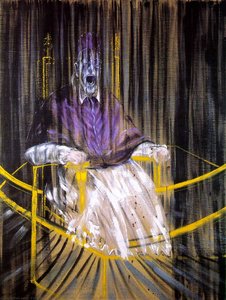
Художественное пробуждение Бэкона не было мгновенным, а скорее постепенным накоплением впечатлений. Работы Пабло Пикассо, особенно искаженные фигуры его раннего кубистического периода, сыграли ключевую роль в освобождении его от традиционного представления. Вдохновение он находил и в преследующей фотографии Эгона Шиле, выразительные деформации человеческой формы которого перекликались с растущим увлечением Бэкона хрупкостью и уязвимостью существования. Однако решающим катализатором стало случайное знакомство с фильмом Сергея Эйзенштейна *Броненосец «Потемкин»*. Висцеральные образы фильма, особенно крупный план кричащего лица, стали неизменным мотивом в работах Бэкона, символизируя первобытный террор и глубины человеческих страданий. Он также глубоко восхищался старыми мастерами, в частности Диего Веласкесом, чей *Портрет папы Иннокентия X* он знаменито переосмысливал на протяжении всей своей карьеры, превращая авторитетную папскую фигуру в мучимого призрака. Эти влияния были не просто стилистическими заимствованиями; они поглощались и преобразовывались благодаря уникальной чувствительности Бэкона, что приводило к художественному видению, которое было одновременно глубоко личным и универсально резонирующим.Формирование фирменного стиля: Искажение и изоляция
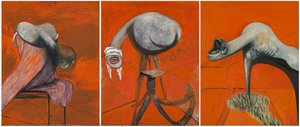
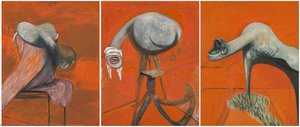
Прорыв Бэкона наступил с *Три этюда для фигур у основания распятия* (1944), работа, которая шокировала и захватила публику в послевоенном Лондоне. Этот триптих установил его фирменный стиль – искаженные, фрагментированные фигуры, изолированные в клаустрофобных пространствах. Это были не изображения религиозного мученичества, а скорее чувственные исследования человеческих страданий, лишенные всякого утешительного повествования или духовного успокоения. Его картины часто изображают размытые или растворяющиеся формы, передающие ощущение психологической турбулентности и физической уязвимости. Он часто использовал геометрические структуры – клетки, ящики – чтобы ограничить своих субъектов, подчеркивая их изоляцию и бессилие. Палитра Бэкона обычно была приглушенной и мрачной, отражая темные темы, которые он исследовал, хотя и разбавленная всплесками интенсивного цвета, усиливающими эмоциональное воздействие. Использование этих клеток было не просто композиционным приемом; оно символизировало неотъемлемые ограничения и рамки, налагаемые на человеческое существование. Он стремился запечатлеть не только *то*, как выглядят вещи, но и *что* они чувствуют, перенося внутренние состояния тревоги, страха и отчаяния на холст с жестостной честностью.Темы смертности, мучений и человеческого существования
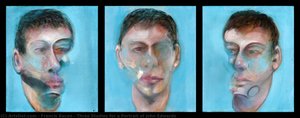
На протяжении своей плодотворной карьеры Бэкон неоднократно возвращался к определенным мотивам: распятие как символ страданий; портреты, углубляющиеся в психологическую интенсивность его субъектов, часто друзей и любовников, таких как Джордж Дайер; и автопортреты, служившие интроспективным исследованиям идентичности и смертности. Его серия *Этюд по мотивам «Портрета папы Иннокентия X» Веласкеса* (1953) – возможно, одно из его самых знаковых достижений, превращающее достойный портрет Веласкеса в кричащий призрак, воплощающий экзистенциальный ужас. Портреты Джорджа Дайера, его неуравновешенного любовника, особенно трогательны, запечатлевая как интенсивность их связи, так и нависшую тень трагедии. Работа Бэкона была не о изображении конкретных людей; речь шла об исследовании универсальных тем человеческой уязвимости, изоляции и неизбежности смерти. Он не избегал темных сторон существования, а скорее смело сталкивался с ними, заставляя зрителей столкнуться со своей собственной смертностью и тревогой.Наследие: Вызов конвенциям
Влияние Фрэнсиса Бэкона на искусство XX века неоспоримо. Он бросил вызов традиционным представлениям о репрезентации, отвергая идеализированную красоту в пользу сырого, безжалостного изображения человеческого состояния. Его работа глубоко повлияла на поколения художников, проложив путь новым формам выражения и бросив вызов общепринятым художественным границам.- Послевоенный экспрессионизм: Бэкон считается ключевой фигурой этого движения, вдохновляя художников своим смелым стилем и психологической глубиной.
- Аукционные рекорды и музейные выставки: Его картины продолжают достигать высоких цен на аукционах и выставляются в крупных музеях по всему миру, укрепляя его место в истории искусства.
- Столкновение с истинами: Наследие Бэкона заключается в его способности сталкиваться с неудобными истинами о человеческом существовании и переводить эти переживания в мощные и незабываемые образы.
Бэкон
1909 - 1992 , Ирландия
Основные сведения
- Влиявшие Художники:
- Пикассо
- Эгон Шиле
- Дата Рождения: 28 октября 1909 г.
- Дата Смерти: 28 апреля 1992 г.
- Известные Работы:
- Три этюда...
- Серия пап...
- Портрет Джорджа
- Место Рождения: Дублин, Ирландия
- Национальность: Ирландец-британец
- Оказавшие Влияние: ['Послевоенный экспр.']
- Полное Имя: Фрэнсис Бэкон
- Художественное Направление: Экспрессионизм
Похожие статьи

Crimson Threads of Narrative: Exploring Symbolism & Representation in Artworks Featuring the Red Dress
Explore the rich symbolism of the red dress in art history! From ancient power displays to iconic portraits like Cézanne’s 'Madame Cezanne', discover the cultural and artistic significance behind this captivating color. Expert analysis & insights.
Фрэнсис Бэкон: 25 шедевров художника. Купить картины онлайн | ArtsDot
Погрузитесь в мир Фрэнсиса Бэкона! 25 шедевров экспрессионизма, полных эмоций и висцеральной силы. Купите репродукции картин Бэкона на холсте и украсьте свой интерьер искусством мирового уровня. Explore the full collection online | ArtsDot.
10 Шедевров Немецкого Экспрессионизма: Искусство Эмоций и Вдохновения | ArtsDot
Погрузитесь в мир немецкого экспрессионизма! Узнайте истории создания шедевров Мунка, Кирхнера, Кандинского и других великих художников. Репродукции картин высокого качества для вашего интерьера на ArtsDot.com. Откройте всю коллекцию онлайн!

Марк Ротко: 25 шедевров абстрактного экспрессионизма для вашего интерьера | ArtsDot
Погрузитесь в мир Марка Ротко! 25 шедевров абстрактного экспрессионизма, полных эмоций и цвета. Узнайте историю создания культовых картин и найдите идеальную репродукцию для вашего интерьера на ArtsDot.com.
The Existential Anguish of Francis Bacon: Trauma, Form & the Post-War Condition
Explore the profound existential anguish of Francis Bacon's art. Discover how trauma shaped his iconic paintings & lasting influence on modern expressionism. A guide for discerning collectors.