 Предпросмотр
 Поделиться
 Поделиться
 Детали произведения

 Скачать
 Похожие работы
 Рентгенография
 Слайд-шоу
 Статистика
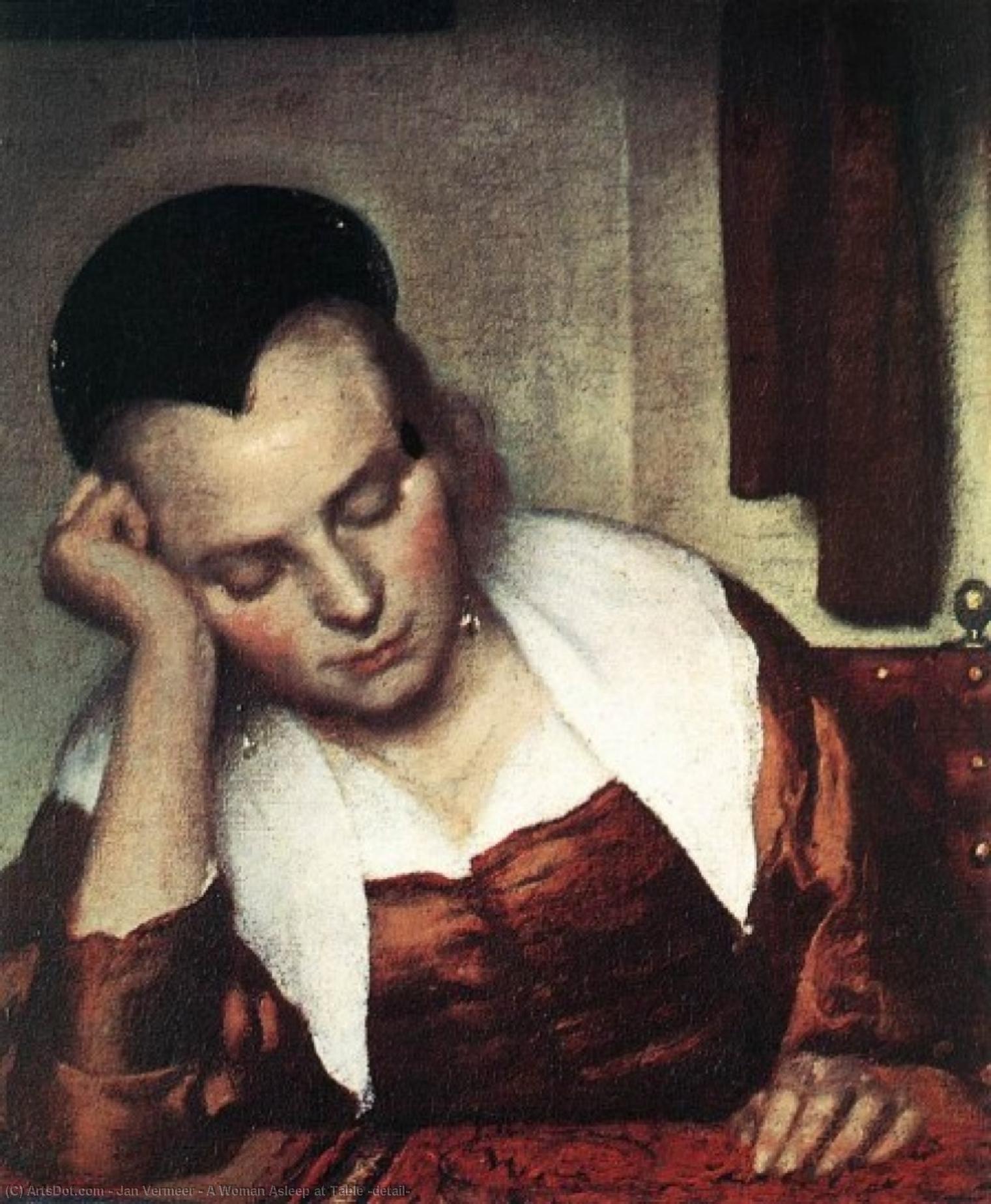
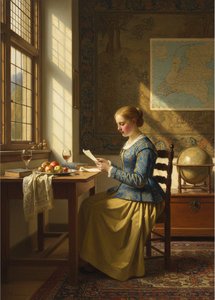
Спящая дева за столом


 Читать далее
Масляная репродукция ручной работы
Картина маслом на холсте в выбранном вами размере и раме, написанная на заказ нашими художниками. ( Перейти к печати Перейти к цифровым изображениям)




P118B $10

P118H $10

P118W $10

P438Z $10

P508JH $12

P508YH $12

P805H $10

P805Z $10

P919BZ $10

P919G $10

P919XJ $10

P959ZH $10

P968JZ $12

W106C $8

W218G $10

W218JH $8

W218Y $10

W307PJ $10

W316G $10

W316PJ $8

W316Y $10

W398PJ $8

W4111J $10

W500HY $15

W500JH $15

W692G $12

W849H $8

W940BG $15

W953PJ $8




Выберите один из наших стандартных размеров, соответствующих оригинальным пропорциям произведения искусства.

Вы можете указать собственные размеры, чтобы картина идеально вписалась в выбранную раму или пространство. Если выбранный вами размер не соответствует пропорциям оригинала, мы либо обрежем полотно, либо расширим его за счет дополнительных элементов, написанных вручную. Цифровой макет будет отправлен вам на утверждение перед началом производства.
Обратите внимание, что предварительный просмотр на экране не отражает фактическую обрезку или расширение. Только макет точно покажет окончательную композицию.
Хотя доступны индивидуальные размеры, мы рекомендуем выбирать вариант из предопределенного списка, чтобы сохранить исходные пропорции.
После оформления заказа команда ArtsDot.com свяжется с клиентом по электронной почте для уточнения деталей и предоставит предварительный макет
Доставка по всему миру () за 3–4 недели вместо стандартных 5 недель. (10 Сентябрь). Без компромиссов в качестве.

Бесплатная экспресс-доставка по всему миру

Высококачественный льняной холст

Полное страхование доставки

Гарантия возмещения таможенных пошлин

Гарантия точного соответствия цветов

100-дневная политика возврата (только при обнаружении дефектов)

Гарантия возврата 100% средств

Предложение оптовых скидок
 Вариант со стеклом доступен только для размеров менее 110 см

Спящая дева за столом
Техника репродукции
Размер репродукции
-


Итоговая стоимость
$ 263
A Moment of Quiet Introspection: Exploring Vermeer’s ‘A Woman Asleep at Table (detail)’
Johannes Vermeer, a name synonymous with the quiet intimacy of 17th-century Dutch life, remains an enigma despite centuries of scholarship. Born in Delft in October 1632, his existence unfolded against the backdrop of the Dutch Golden Age—a period of unprecedented prosperity, artistic innovation, and burgeoning civic pride. His father, Reijnier Janszoon, was a silk weaver and art dealer, a combination that subtly shaped young Johannes’s path. Exposure to both the tactile world of craftsmanship and the discerning eye of the art market instilled in him an understanding of materials, composition, and the delicate dance between creation and commerce. This early immersion wasn't merely observational; it provided a foundation upon which Vermeer would build his own unique artistic vision. He wasn’t born into privilege, but rather into a world where artistry was interwoven with everyday practicality, a setting that would profoundly influence his oeuvre.The Scene & Subject
This captivating detail from Johannes Vermeer's 1657 masterpiece offers a poignant glimpse into the private world of a 17th-century woman. More than just a portrait, it is an exercise in capturing a fleeting moment—a pause in daily life filled with quiet contemplation and perhaps, a touch of melancholy. The work exemplifies Vermeer’s mastery of light, shadow, and psychological nuance, solidifying his place as one of the most beloved artists of the Dutch Golden Age. The composition centers on a young woman seated at a table, her head resting gently upon her hand. This seemingly simple pose is imbued with a sense of vulnerability and inward focus. Her expression, though subtle, suggests weariness or deep thought. The shallow depth of field draws the viewer’s eye directly to her face and upper body, intensifying the intimacy of the scene. We are invited into a private moment, witnessing a state of peaceful repose—or perhaps, quiet resignation.Vermeer's Signature Style & Technique
Vermeer was renowned for his meticulous technique and unparalleled ability to render light. In this detail, we see evidence of his characteristic approach: soft, diffused lighting that gently models the woman’s features and clothing; a restrained color palette dominated by warm reds and browns, balanced with creamy whites; and visible brushstrokes that contribute to the texture and realism of the painting. He employed layering and blending techniques typical of traditional oil painting, achieving smooth transitions and remarkably lifelike effects. The organic shapes – the curves of her face, the folds of her dress, and the rounded edges of her head covering – create a harmonious visual rhythm. Vermeer’s meticulous attention to detail—the subtle gradations of color, the precise rendering of textures—is what distinguishes his work from that of many other painters of his time.Historical Context: Life in Delft
Painted during the Dutch Golden Age, a period of unprecedented prosperity and artistic flourishing in the Netherlands, this work reflects the growing importance of the middle class and their domestic lives. Vermeer’s paintings often depict scenes from everyday life—interiors filled with light, women engaged in quiet activities, and glimpses into the comfortable homes of his contemporaries. This focus on the mundane elevated these subjects to a new level of artistic significance. His father's involvement in the art trade likely provided him access to materials and an understanding of the market, influencing his career path. The prevailing social ethos of Delft at the time—characterized by piety, respect for tradition, and a preoccupation with moral virtue—is subtly conveyed through the understated elegance of the setting and the woman’s serene demeanor.Symbolism & Emotional Resonance
The pose itself carries symbolic weight. Resting one’s head on a hand was often associated with weariness, introspection, or even sorrow. The simple setting and lack of elaborate ornamentation further emphasize the woman’s internal state. The painting doesn’t tell us *why* she is lost in thought, leaving room for viewers to project their own emotions and experiences onto the scene. This ambiguity contributes to its enduring appeal, inviting contemplation on themes of solitude, reflection, and the human condition. Vermeer's masterful use of chiaroscuro—the dramatic interplay between light and shadow—intensifies this emotional resonance, creating a palpable sense of intimacy and conveying a profound understanding of human psychology. The woman’s gaze is averted from the viewer, suggesting a preoccupation with inner thoughts rather than outward appearances—a gesture that speaks to the universal desire for quiet contemplation and personal reflection.A Timeless Appeal for Collectors & Designers
‘A Woman Asleep at Table (detail)’ embodies the quiet elegance and understated beauty that define Vermeer’s oeuvre. Its warm color palette and intimate composition make it a versatile addition to any collection or interior design scheme. A high-quality reproduction of this detail would bring a sense of serenity and sophistication to a living room, study, or bedroom – a reminder to pause, reflect, and appreciate the simple moments in life. The painting’s enduring popularity speaks to its ability to resonate with audiences across centuries, offering a timeless glimpse into the human heart. Photo Description: --Overall Impression-- The artwork is a portrait of a young woman in a seated position, rendered in a realistic style reminiscent of Dutch Golden Age painting. It depicts her resting her head on her hand with a contemplative expression. The composition is centered around the figure, utilizing a shallow depth of field to focus attention on her face and upper body. The lighting is soft and diffused, creating subtle shadows that define her features and clothing. Lines are used to outline the form and create texture in the fabric. Shapes are predominantly organic – the curves of her face, the folds of her dress, and the rounded edges of her head covering – creating a harmonious visual rhythm. The textures appear brushstroke-heavy, indicative of oil paint on canvas. The color palette is dominated by warm reds and browns, contrasted with creamy whites and touches of black in the background and head covering. Perspective is limited, creating a sense of intimacy. There's no strong illusion of three-dimensionality beyond what’s suggested by shading. The subject matter is a single female figure, conveying a mood of quiet repose or perhaps melancholy. Symbolically, the pose suggests weariness or introspection. The style aligns with portraiture common in 17th-century Netherlands, characterized by meticulous detail and naturalistic representation. The technique appears to be traditional oil painting, utilizing layering and blending to achieve smooth transitions and realistic effects. Materials used are primarily oil paint on canvas. Size: Unknown Date: 1657 ARTIST INFORMATION: ================== Artist: Johannes Vermeer Birth Year: 1632 Death Year: 1675 Birth City: Delft Birth Country: Netherlands Biography:A Life Bathed in Northern Light: The World of Johannes Vermeer
Johannes Vermeer, a name synonymous with the quiet intimacy of 17th-century Dutch life, remains an enigma despite centuries of scholarship. Born in Delft in October 1632, his existence unfolded against the backdrop of the Dutch Golden Age—a period of unprecedented prosperity, artistic innovation, and burgeoning civic pride. His father, Reijnier Janszoon, was a silk weaver and art dealer, a combination that subtly shaped young Johannes’s path. Exposure to both the tactile world of craftsmanship and the discerning eye of the art market instilled in him an understanding of materials, composition, and the delicate dance between creation and commerce. This early immersion wasn't merely observational; it provided a foundation upon which Vermeer would build his own unique artistic vision. He wasn’t born into privilege, but rather into a world where artistry was interwoven with everyday practicality, a setting that would profoundly influence his oeuvre. His father's involvement in the art trade likely provided him access to materials and an understanding of the market, influencing his career path. He married Maria Thijs Gerritsdr., whom he had known since childhood, and together they raised three daughters. Vermeer’s life was marked by hardship—his wife succumbed to tuberculosis in 1672, leaving him devastated. He died shortly thereafter, at the age of 43, leaving behind a legacy of approximately 150 paintings—a remarkable achievement considering his prolific output during his lifetime. Despite the scarcity of biographical information, Vermeer’s artistic genius has captivated audiences for generations, cementing his place as one of the most influential painters of the Baroque era and an enduring symbol of Dutch cultural heritage. His work continues to inspire artists and scholars alike, prompting ongoing debates about its interpretation and significance—a testament to its timeless beauty and profound psychological depth.Похожие произведения
Биография художника
Жизнь в Северном Свете: Мир Йоханнеса Вермеера
Йоханнес Вермеер, имя которого стало синонимом тихой интимности голландской жизни XVII века, остается загадкой, несмотря на многовековые исследования. Родившийся в Делфте в октябре 1632 года, он жил и творил в эпоху Золотого Века Нидерландов – период беспрецедентного процветания, художественных инноваций и растущей гражданской гордости. Его отец, Рейнир Янсон, был шелкоткачом и арт-дилером, сочетание, которое тонко сформировало путь молодого Йоханнеса. Знакомство как с тактильным миром ремесел, так и со взыскательным взглядом художественного рынка привили ему понимание материалов, композиции и деликатного танца между творчеством и коммерцией. Это раннее погружение было не просто наблюдательным; оно заложило основу, на которой Вермеер построил свое уникальное художественное видение. Он не родился в привилегированном положении, а скорее вошел в мир, где искусство переплеталось с повседневной практичностью – чувствительность, которая глубоко повлияла на его выбор сюжетов. В 1653 году он женился на Катарине Болнес, католичке, и их союз принес как личное удовлетворение, так и тонкий слой сложности в его жизни в преимущественно протестантском Делфте.Мастер Домашнего Уюта: Художественное Развитие Вермеера
Художественный путь Вермеера начался с исторических и мифологических сцен, но он быстро переключился на жанровые картины, которые определили его наследие. Он не интересовался грандиозными повествованиями или героическими подвигами; вместо этого он находил красоту и значение в обыденном – женщина, читающая письмо у открытого окна, доярка, льющая свой товар, кружевница, кропотливо работающая. Это были не просто изображения повседневной жизни; это были тщательно сконструированные исследования света, цвета и человеческого присутствия. Его техника была кропотливой, характеризующейся намеренной медленностью и почти научным подходом к оптике. Он не делал обширных эскизов или многочисленных версий одной и той же композиции. Каждая картина была продуманным предприятием, построенным слой за слоем тонкими лессировками краски, которые создавали несравненное сияние. Этот скрупулезный процесс привел к относительно небольшому творческому наследию – сегодня существует около 34 картин, общепризнанных принадлежащими ему – но каждая из них является свидетельством его непоколебимой преданности и художественному мастерству. Он не просто *изображал* реальность; он улавливал саму суть света, взаимодействующего с поверхностями, создавая атмосферу безмятежной тишины и спокойного созерцания.Свет, Перспектива и Иллюзия Реальности
То, что действительно отличает Вермеера от других художников, – это его непревзойденное обращение со светом. Он не просто освещал свои сцены; он *определял* их светом. Это было не резкое или драматичное освещение, а мягкое, рассеянное сияние, казалось, исходившее изнутри самих картин. Этот эффект был достигнут сочетанием тщательного наблюдения и технического мастерства – глубокого понимания того, как свет отражается от разных поверхностей, и способности перенести эти наблюдения на холст с замечательной точностью. Он использовал технику, известную как *камера-обскура*, устройство, которое проецировало изображение на поверхность, что, вероятно, помогло ему в его точной передаче перспективы и деталей. Однако Вермеер не просто копировал увиденное; он интерпретировал это через свою художественную чувствительность, наполняя каждую сцену чувством эмоционального резонанса и психологической глубины. Его интерьеры – это не просто пространства; это миры сами по себе, полные тонких нюансов и скрытых смыслов. Расположение объектов, угол света, выражение лица субъекта – все это способствует тщательно оркестрованной композиции, которая приглашает зрителей задержаться и задуматься.Наследие Возрождения: Непреходящее Влияние Вермеера
Несмотря на свой талант, Вермеер пользовался лишь умеренным признанием при жизни. Он боролся с финансовыми трудностями, обремененный семейными долгами и экономическим спадом 1670-х годов. Его смерть в декабре 1675 года оставила его жену и детей в шатком положении. На протяжении почти двух столетий его творчество оставалось в значительной степени забытым, затмеваемым более плодовитыми и известными художниками. Лишь в XIX веке Вермеер был «переоткрыт» искусствоведами, такими как Густав Фридрих Вааген и Теофиль Торэ-Бюргер, которые отстаивали его гений и представили его картины более широкой аудитории. Это переоткрытие вызвало всплеск интереса, и репутация Вермеера продолжает расти с тех пор. Сегодня он почитается как один из величайших живописцев Золотого Века Нидерландов – мастер света, цвета и композиции, чьи работы продолжают очаровывать и вдохновлять. Его влияние можно увидеть в картинах бесчисленных художников, последовавших по его стопам, привлеченных его способностью уловить красоту и достоинство повседневной жизни.- Известные произведения: *Молочница*, *Вид Делфта*, *Девушка с жемчужной серёжкой*, *Искусство живописи*, *Любовное письмо*.
- Темы, исследуемые в его работах, включают домашний уют, свет и тень, перспективу и тихую красоту повседневной жизни.
Йоханнес Вермеер
1632 - 1675 , Нидерланды
Основные сведения
- Дата Рождения: Октябрь 1632
- Дата Смерти: Декабрь 1675
- Известные Работы:
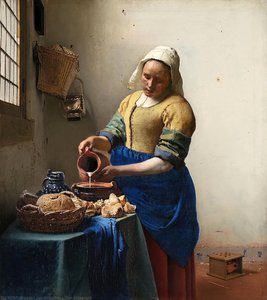
- Молочница
- Вид Делфта
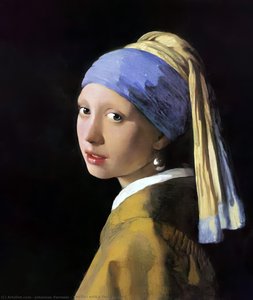
- Девушка с жемчужной серёжкой
- Место Рождения: Делфт, Нидерланды
- Национальность: Голландский
- Полное Имя: Йоханнес Вермеер
- Художественное Направление: Золотой век голландской живописи
- Художники, Которых Он Вдохновил: ['Поколения художников']
- Художники, Повлиявшие На Него: ['Питер де Хоох']
Похожие статьи

Топ-10 шедевров голландского барокко: искусство для вашего интерьера от ArtsDot.com
Погрузитесь в мир голландского барокко! От Рембрандта до Вермеера – 10 шедевров, изменивших искусство. Узнайте истории создания и технику великих мастеров. Репродукции картин высочайшего качества для вашего интерьера на ArtsDot.com.

Золотой век Голландии: 10 шедевров, изменивших искусство | ArtsDot.com
Погрузитесь в эпоху Золотого века Нидерландов! 10 шедевров Рембрандта, Вермеера и других мастеров. Узнайте истории создания культовых картин и вдохновитесь для интерьера. Репродукции музейного качества на ArtsDot.com.
Johannes Vermeer: Light, Intimacy & the Dutch Golden Age – A Comprehensive Exploration
Explore the life, techniques & enduring legacy of Johannes Vermeer, a master of Dutch Golden Age painting. Discover symbolism in his iconic works like 'The Milkmaid' and learn about his revolutionary use of light.

Golden Age Reflections: Dutch Baroque Painting & Cultural Innovation
Explore the Dutch Golden Age of painting! Discover key artists like Vermeer & ter Borch, their innovative techniques, and the rich cultural context behind these Baroque masterpieces. Learn about collecting & appreciating this iconic art period.

Illuminating Innovation: Exploring the Dutch Golden Age of Painting
Explore the Dutch Golden Age of painting with ArtsDot. Discover Rembrandt, Vermeer & other Masters. Learn about key characteristics, iconic artworks, and lasting influence. Expert insights for collectors & enthusiasts.