Предпросмотр
 Поделиться
 Поделиться
 Детали произведения

 Скачать
 Похожие работы
 Рентгенография
 Слайд-шоу
 Статистика
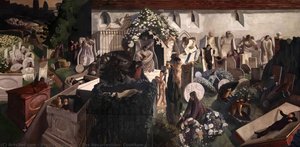
Возрождение в Кукомбе


 Читать далее
Жикле / Арт-принт
Печать (жикле) или холст музейного качества с быстрыми сроками изготовления и широким выбором вариантов отделки. ( Купить картину ручной работы Перейти к цифровым изображениям)




P118B $10

P118H $10

P118W $10

P438Z $10

P508JH $12

P508YH $12

P805H $10

P805Z $10

P919BZ $10

P919G $10

P919XJ $10

P959ZH $10

P968JZ $12

W106C $8

W218G $10

W218JH $8

W218Y $10

W307PJ $10

W316G $10

W316PJ $8

W316Y $10

W398PJ $8

W4111J $10

W500HY $15

W500JH $15

W692G $12

W849H $8

W940BG $15

W953PJ $8
Выберите один из наших стандартных размеров, соответствующих оригинальным пропорциям произведения искусства.

Вы можете указать свои собственные размеры, чтобы репродукция идеально подошла под конкретную раму или пространство. Если выбранный вами размер не будет соответствовать пропорциям оригинала, мы либо обрежем произведение, либо дополним изображение зеркальным отражением краев или однотонной заливкой. Перед началом производства вам будет отправлен цифровой макет для утверждения.
Пожалуйста, обратите внимание, что предварительный просмотр на экране не отображает фактическую обрезку или расширение изображения. Только макет точно покажет финальную композицию.
Несмотря на возможность заказа индивидуальных размеров, мы рекомендуем выбирать размер из предопределенного списка, чтобы сохранить оригинальные пропорции.
Доставка по всему миру () за 2 недели вместо стандартных 4/5 недель. (15 Сентябрь)

Бесплатная экспресс-доставка по всему миру

Высококачественный льняной холст

Полное страхование доставки

Гарантия возмещения таможенных пошлин

Гарантия точного соответствия цветов

100-дневная политика возврата (только при обнаружении дефектов)

Гарантия возврата 100% средств

Предложение оптовых скидок
 Вариант со стеклом доступен только для размеров менее 110 см

Возрождение в Кукомбе
Жикле / Арт-принт
Размер репродукции
-


Итоговая стоимость
$ 62
Встреча с Величием: «Воскресение в Кукомбе» Стивена Спенсера
Перед нами предстает не просто картина, а целая вселенная, запечатленная на холсте. «Воскресение в Кукомбе» Стивена Спенсера – это погружение в мир религиозного символизма, где обыденность соседствует с божественным откровением, а деревенская церковь становится порталом в вечность. Эта работа, созданная в начале XX века, не просто изображает библейский сюжет, она исследует глубины человеческой веры, памяти и надежды, запечатленные в уникальном стиле художника, тесно связанного с его родным Кукомбером.
Картина поражает своей плотностью композиции: десятки фигур, выходящих из гробов, создают ощущение живого, пульсирующего сообщества. Спенсер мастерски использует игру света и тени, приглушенные землистые тона – охры, коричневые, серые, черные – контрастируют с нежными пастельными акцентами розового и белого, подчеркивая торжественность момента. Внимание к деталям поразительно: каждая складка одежды, каждый изгиб тела, каждая травинка на стебле – все пронизано тщательностью и вниманием к реальности, но при этом несет в себе глубокий символический смысл.
Слияние Реальности и Символа
Спенсер был художником, который умел видеть священное в повседневном. Он не стремился к идеализации или романтизации, а напротив, изображал реальных людей – жителей Кукомбера, своих братьев и сестер – в библейских сценах. Это придает картине особую искренность и глубину. Вместе с тем, художник использует элементы сюрреализма и символизма: гробы, распускающиеся цветы, круговые мотивы – все это указывает на циклы жизни и смерти, на вечный переход от одного состояния к другому. Архитектурные детали – арки, ворота – служат не только фоном для происходящего, но и символизируют вечность и духовный путь.
Исторический контекст работы также важен. Спенсер жил в период глубоких духовных поисков и социальных перемен. Его искусство отражает эту эпоху, сочетая традиционные религиозные мотивы с влияниями модернизма. Он был глубоко верующим человеком, и его вера пронизывала все его творчество. «Воскресение в Кукомбе» – это не просто иллюстрация библейской истории, а выражение личного опыта художника, его стремления к духовной гармонии и надежды на будущее.
Символы Надежды и Возрождения
Каждый элемент картины пронизан символизмом. Фигуры, выходящие из гробов, – это символ воскресения и надежды. Цветы, распускающиеся вокруг них, – это символ возрождения и новой жизни. Святые фигуры, присутствующие на картине, подчеркивают темы духовного превосходства и божественной благодати. В целом, картина излучает атмосферу торжественности, но вместе с тем и надежды, вызывая чувство благоговения, утешения и веры в вечную жизнь.
Для Коллекционеров и Любителей Искусства
«Воскресение в Кукомбе» – это не просто произведение искусства, а настоящий шедевр, который станет прекрасным дополнением к любой коллекции. Его сложная композиция и глубокий символизм делают его интересным предметом для обсуждения и размышлений. Высококачественное воспроизведение этой картины принесет в ваш дом атмосферу спокойствия, вдохновения и вечной красоты. Это произведение искусства, которое будет напоминать вам о важности веры, надежды и любви к жизни.
Похожие произведения
Биография художника
A Visionary of Cookham: The Life and Art of Sir Stanley Spencer
Sir Stanley Spencer, born in the tranquil village of Cookham, Berkshire, on June 30th, 1891, was an artist inextricably bound to his birthplace. His life’s work became a profound exploration of faith, humanity, and the sacredness found within everyday existence – all viewed through the lens of this beloved landscape. As the eighth child of William and Anna Caroline Spencer, Stanley's early education took an unconventional turn, guided primarily by his elder sisters, Annie and Florence, at home before he enrolled in the Slade School of Fine Art in London from 1908 to 1912 under the tutelage of Henry Tonks. This formal training provided a crucial foundation, yet it was Cookham – which Spencer famously described as “a village in heaven” – that truly shaped his artistic vision and served as the wellspring for his most enduring creations. He didn’t merely depict Cookham; he transformed it into a spiritual realm, a canvas upon which biblical narratives unfolded with startling intimacy and a remarkably modern sensibility.Blending the Sacred and the Secular
Spencer's distinctive style emerged as a compelling synthesis of diverse influences. The meticulous detail and Pre-Raphaelite reverence for nature were deeply ingrained in his work – he possessed an almost obsessive attention to light, color, and texture. However, he wasn’t simply replicating the aesthetics of past masters; he absorbed elements from French Post-Impressionism, particularly Paul Gauguin's expressive use of color and bold brushstrokes, and drew inspiration from early Italian painting, notably Giotto’s masterful compositions characterized by their clarity, simplicity, and emotional resonance. Yet, Spencer forged a path uniquely his own. His paintings weren’t mere illustrations of religious stories; they were deeply personal interpretations, populated not by idealized figures but by villagers he knew intimately – local farmers, shopkeepers, and families – cast as biblical characters. This deliberate blurring of the sacred and secular was revolutionary, presenting familiar faces within extraordinary narratives and inviting viewers to contemplate the divine in the ordinary. The *Resurrection, Cookham* (1924-1926), arguably his most celebrated work, exemplifies this approach brilliantly. It’s not a grand, ethereal depiction of resurrection; instead, it's a vibrant, earthy scene unfolding in the familiar fields surrounding Cookham, with local residents rising from their graves – a powerful meditation on life, death, and rebirth within a recognizable setting.Wartime Reflections and Murals of Remembrance
Spencer’s artistic journey wasn’t confined to idyllic landscapes and biblical scenes. The horrors of World War I profoundly impacted his work, shaping his perspective and influencing the emotional depth of his paintings. Serving first at the Beaufort War Hospital in Bristol and later in Macedonia, he witnessed firsthand the devastating consequences of conflict – a stark contrast to the peaceful beauty of Cookham. This experience culminated in a commission to create murals for the Sandham Memorial Chapel at Burghclere in Hampshire (1927-1932). These monumental paintings weren’t intended as glorifications of war; rather, they were honest, unflinching depictions of the lives of ordinary soldiers – their routines, anxieties, and quiet moments of contemplation. The arrangement of the murals consciously echoed Giotto's Arena Chapel in Padua, but Spencer infused it with a uniquely British sensibility and a deeply humanistic perspective. He sought to capture not the spectacle of battle but the profound impact of war on the individual soul. The *Dug-Out*, one of the most poignant scenes, depicts soldiers awaiting an attack, their faces etched with apprehension yet united in shared experience – a testament to the resilience of the human spirit amidst unimaginable circumstances. Later, during World War II, he again served as an Official War Artist, documenting the vital work being done in the shipyards on the Clyde, capturing the heroic teamwork and collective effort that fueled the war effort.Controversy, Personal Life, and Lasting Legacy
Despite his artistic brilliance, Spencer’s career was not without its challenges. His intensely personal vision and unconventional depictions of religious themes often provoked controversy. The frankness with which he explored sexuality in works like *Love Among the Nations* (1935) – a complex and emotionally charged painting depicting a group of villagers engaged in a picnic – scandalized some critics and led to rejection from the Royal Academy for a period. His personal life was equally complex, marked by passionate relationships and emotional turmoil. He married Hilda Carline in 1918, but their relationship was fraught with difficulties, eventually leading to divorce in 1937. His subsequent marriage to Patricia Preece, an artist herself, proved equally turbulent, yet it inspired some of his most daring and innovative work – particularly the series of nude portraits that explored themes of love, desire, and vulnerability. These paintings, including *The Leg of Mutton Nude* (1937), are both strikingly beautiful and profoundly unsettling, revealing a complex and often contradictory inner world. Despite these controversies, Sir Stanley Spencer’s influence on later generations of artists is undeniable. He foreshadowed aspects of Lucian Freud's unflinching realism and paved the way for a more honest and emotionally charged approach to religious art. His legacy endures not only through his paintings but also through his unique vision – a testament to the power of art to transform our understanding of ourselves, our world, and our place within it. He was knighted in 1959, shortly before his death on December 14th, 1959, leaving behind a body of work that continues to captivate and challenge viewers with its unique blend of spirituality, humanity, and artistic innovation.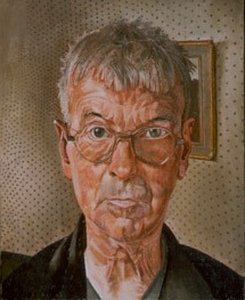
Стивен Спенсер
1891 - 1959 , Великобритания
Основные сведения
- Artistic Movement Or Style: Прерафаэлиты, Пост-импрессионизм
- Artists Or Movements Influenced By This Artist: ['Лучиан Фрейд']
- Artists Who Influenced This Artist:
- Поль Гоген
- Джото
- Date Of Birth: 30 июня 1891
- Date Of Death: 14 декабря 1959
- Full Name: Sir Stanley Spencer
- Nationality: Британский
- Notable Artworks:
- Воскресение в Кокхуме
- Возрождение в Кокхуме
- Самопортрет (1914)
- Place Of Birth: Кокхум, Великобритания
Похожие статьи
Sir Stanley Spencer: Reassessing Spiritual Vision & Autobiographical Narrative
Explore the captivating world of Sir Stanley Spencer – a British painter renowned for his unique blend of religious narrative & personal experience. Discover his legacy, key works like 'Christ's Entry into Jerusalem', and lasting influence on modern art.
Sir John Everett Millais: Pre-Raphaelite Rebellion & Victorian Narrative Detail
Explore the revolutionary art of Sir John Everett Millais & the Pre-Raphaelite Brotherhood. Discover their radical realism, symbolic narratives, and lasting impact on Victorian aesthetics. A deep dive into 19th-century masterpieces.
The Pre-Raphaelite Brotherhood: Rebellion, Romance & Medieval Revival
Explore the captivating world of the Pre-Raphaelite Brotherhood! Discover their rebellious spirit, iconic masterpieces & lasting influence on art history. Learn about Rossetti, Millais & more.
25 Шедевров Данте Габриэля Россетти: Искусство, Символизм и Декор для Вашего Дома
Погрузитесь в мир Данте Габриэля Россетти! 25 шедевров прерафаэлитов, полных символизма и страсти. Узнайте истории создания культовых картин и найдите идеальный декор для вашего дома на ArtsDot.com – музейное качество, вдохновение и искусство онлайн.
Arthur Hughes: Pre-Raphaelite Visions of Beauty & Melancholy
Explore the captivating world of Arthur Hughes (1832-1915), a leading Pre-Raphaelite painter. Discover his dreamy landscapes, poetic narratives & iconic Victorian artworks. Learn about his life, style & collecting today.