

 Предпросмотр
 Поделиться
 Поделиться
 Детали произведения

 Скачать
 Похожие работы
 Рентгенография
 Слайд-шоу
 Статистика
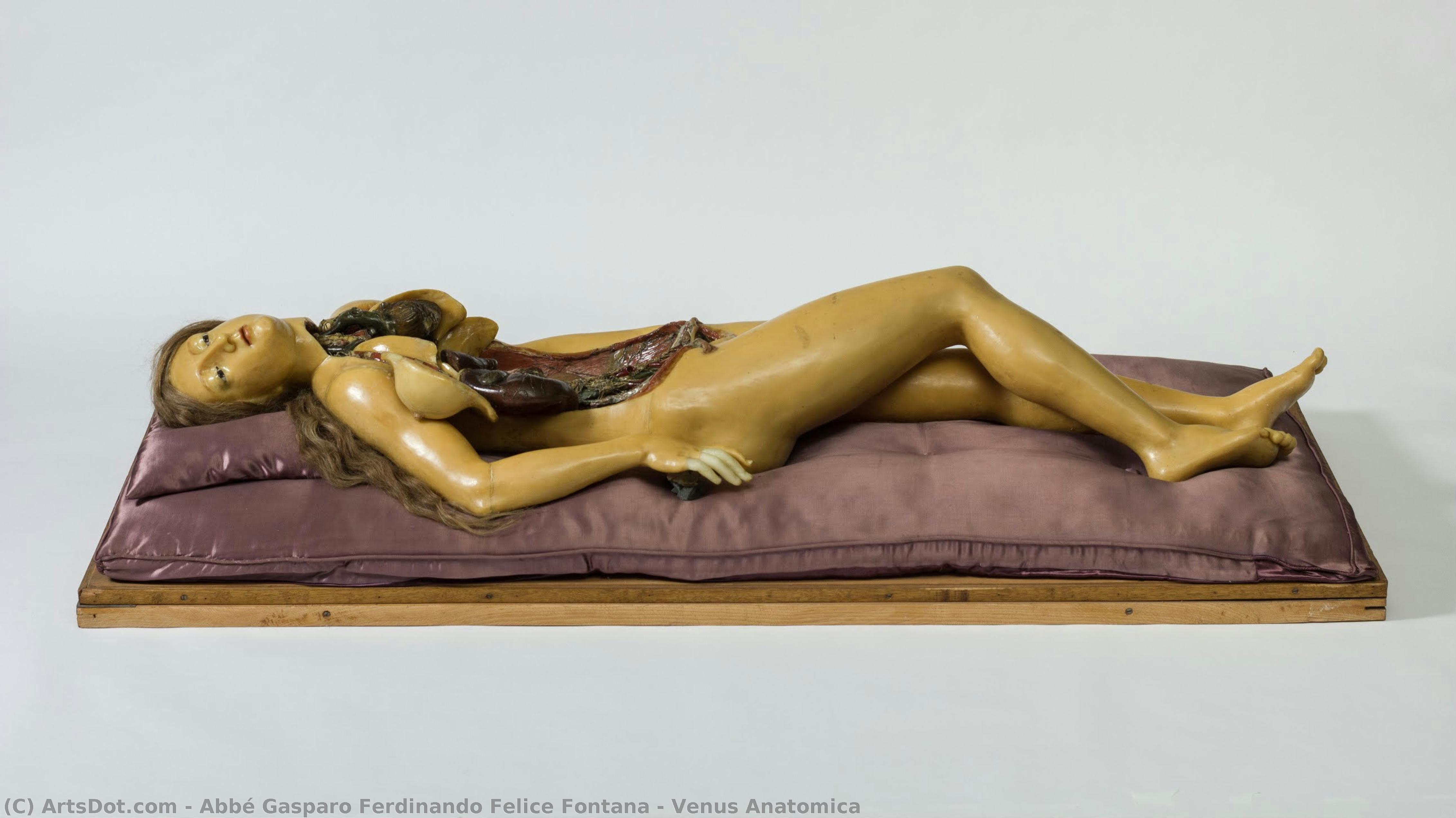
Venus Anatomica


 Читать далее
Приобретите цифровое изображение высокого разрешения в улучшенном качестве, которое значительно превосходит онлайн-превью.
Каждый файл тщательно подготавливается нашими специалистами с использованием передовых инструментов и экспертной ручной ретуши. Мы гарантируем исключительную четкость, точную цветопередачу и детальную проработку каждого изображения.
Финальный файл доставляется по электронной почте в течение 72 часов и оптимизирован для немедленного использования в профессиональной среде, при верстке и печати. Это тот же уровень качества, которому доверяют ведущие дизайнерские студии, издательства и галереи.
Цифровое изображение
Скачайте файл высокого разрешения для личного использования, печати и творческих проектов. ( Перейти к печати Купить картину ручной работы)
Включено в каждый заказ цифровых изображений
Гарантия экспертной цифровой доставки
Выбирая ArtsDot.com, вы получаете не просто изображение — вы приобретаете профессионально обработанное цифровое произведение искусства, созданное с безупречной точностью и под защитой гарантии качества. Вот всё, что автоматически входит в ваш заказ:

Мгновенная доставка по e-mail
Ваш цифровой файл в высоком разрешении будет отправлен вам по электронной почте в течение 72 часов после оформления заказа — и сразу станет доступен для использования.

Цифровой файл с ИИ-улучшением
Ваше произведение искусства проходит профессиональную оптимизацию с использованием передовых инструментов ИИ и ручной обработки, что гарантирует максимальную детализацию, четкость и точность цветопередачи.

Бессрочная бесплатная повторная доставка
Случайно удалили или потеряли файл? Не беспокойтесь — мы отправим его вам повторно в любое время и совершенно бесплатно.

Без импортных пошлин — навсегда
Наслаждайтесь вашим произведением искусства мгновенно без таможенных пошлин, сборов или затрат на доставку — цифровые загрузки всегда не облагаются налогом.

Гарантия точности цветопередачи
Мы гарантируем, что ваше цифровое изображение максимально точно передает оригинальные цвета благодаря использованию профессиональных инструментов и систем управления цветом.

Гарантия удовлетворенности 100 дней
Если вы не будете удовлетворены своим цифровым изображением, мы внесем правки или вернем 100% стоимости в течение 100 дней — без лишних вопросов.

100% Гарантия возврата средств
Не удовлетворены покупкой? Получите полный возврат средств в течение 100 дней после получения цифрового файла — без лишних вопросов.

Скидки на оптовые заказы
Купите 3 изображения, сэкономьте 10% — Купите 5, сэкономьте 15% — Купите 10+, сэкономьте 20%. Отличное решение для творческих проектов, галерей и агентств.
Похожие произведения
Биография художника
A Polymath of the Enlightenment: The Life and Legacy of Abbé Gasparo Fontana
Abbé Gasparo Ferdinando Felice Fontana, born in Florence, Italy, in 1730, was a figure emblematic of the Enlightenment’s fervent pursuit of knowledge. He wasn't simply an artist or a scientist; he embodied both, seamlessly weaving together observation, experimentation, and aesthetic sensibility. His early life provided a solid foundation for this unique synthesis. Born into a family of jurists, Fontana initially followed a path towards religious service, becoming an abbot in 1755—a position he held more as a means to financial stability than devout calling. This allowed him the freedom to dedicate himself to his true passions: anatomy, physiology, and the burgeoning field of physics. He studied under prominent anatomists like Giovanni Battista Morgagni in Padua and Jacopo Belgrado in Parma, absorbing the latest advancements in medical science. His intellectual curiosity soon led him beyond established doctrines, propelling him into a world of independent research that would challenge conventional understanding.Pioneering Experiments: Unveiling the Secrets of Life
Fontana’s contributions to physiology and toxicology were groundbreaking for their time. He wasn't content with theoretical speculation; he insisted on empirical evidence, meticulously conducting experiments that often involved painstaking observation and dissection. His work on viper venom stands as a testament to this dedication. Challenging prevailing beliefs about the efficacy of alkali treatments, Fontana subjected over 3000 vipers and 4000 test animals to rigorous testing. The sheer scale of his experiment—a controlled study with six control groups—was remarkable for the 18th century, foreshadowing modern scientific methodology. He concluded that alkalis were not only ineffective but could even exacerbate the effects of venom poisoning. This research wasn’t merely academic; it had practical implications for treating snakebites and laid the groundwork for future toxicological studies. Beyond vipers, Fontana delved into the intricacies of the human eye, investigating its mechanics and sensitivity to light. He also made a significant contribution to cell biology with his discovery of the nucleolus—a structure within the cell nucleus crucial for ribosome production. His investigations extended to the refractory period in heart muscles, further demonstrating his keen understanding of physiological processes.A Court Physicist and Educator: Florence as a Center of Scientific Inquiry
In 1758, Fontana’s reputation began to grow, attracting the attention of Peter Leopold, Duke of Tuscany—a progressive ruler who fostered scientific innovation. Appointed court physicist, Fontana was given access to resources and patronage that allowed him to expand his research. He also secured a professorship at the University of Pisa in 1765, where he taught logic and physics, inspiring a new generation of scientists. A pivotal aspect of his tenure was his involvement in establishing La Specola—a museum dedicated to natural history and scientific instruments. This institution became a hub for intellectual exchange, attracting scholars from across Europe. Fontana’s vision for La Specola wasn't simply as a repository of specimens but as a dynamic space where observation, experimentation, and artistic representation converged. He understood the power of visual communication in conveying complex scientific ideas, commissioning detailed anatomical models and illustrations that were both accurate and aesthetically compelling.The Water Gas Shift Reaction and Beyond: A Physicist’s Innovations
While Fontana is celebrated for his biological research, his contributions to physics are equally significant. In 1780, he discovered the water gas shift reaction—a crucial chemical process used in the production of hydrogen. This discovery had far-reaching implications for industrial chemistry, paving the way for new technologies and applications. His scientific curiosity extended beyond these major breakthroughs; he investigated the rusting of wheat, analytical calculus, and various other phenomena. Fontana’s approach to science was characterized by a relentless pursuit of understanding, coupled with an unwavering commitment to empirical observation. He wasn't confined by disciplinary boundaries, freely drawing connections between seemingly disparate fields—a hallmark of the Enlightenment polymath.Historical Significance: A Bridge Between Art and Science
Abbé Gasparo Fontana’s legacy extends beyond his specific discoveries. He represents a pivotal moment in the history of science—a transition from speculative philosophy to rigorous experimentation. His meticulous research methods, coupled with his emphasis on visual communication, laid the groundwork for modern scientific inquiry. Furthermore, he embodied the Enlightenment ideal of the universal scholar—someone capable of mastering multiple disciplines and contributing to the advancement of knowledge across a broad spectrum of fields. He died in 1805, leaving behind a body of work that continues to inspire scientists and artists alike. His life serves as a powerful reminder of the interconnectedness of art and science, demonstrating how aesthetic sensibility can enhance our understanding of the natural world and vice versa. His innovative mirror designs—often incorporating anatomical elements—are not merely curiosities but reflections of his holistic approach to knowledge. He remains a compelling figure, bridging the gap between observation, experimentation, and artistic expression in the pursuit of truth.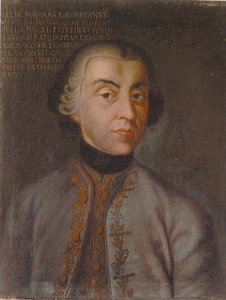
abbé gasparo ferdinando felice fontana
1730 - 1805