

 Предпросмотр
 Поделиться
 Поделиться
 Детали произведения

 Скачать
 Похожие работы
 Рентгенография
 Слайд-шоу
 Статистика
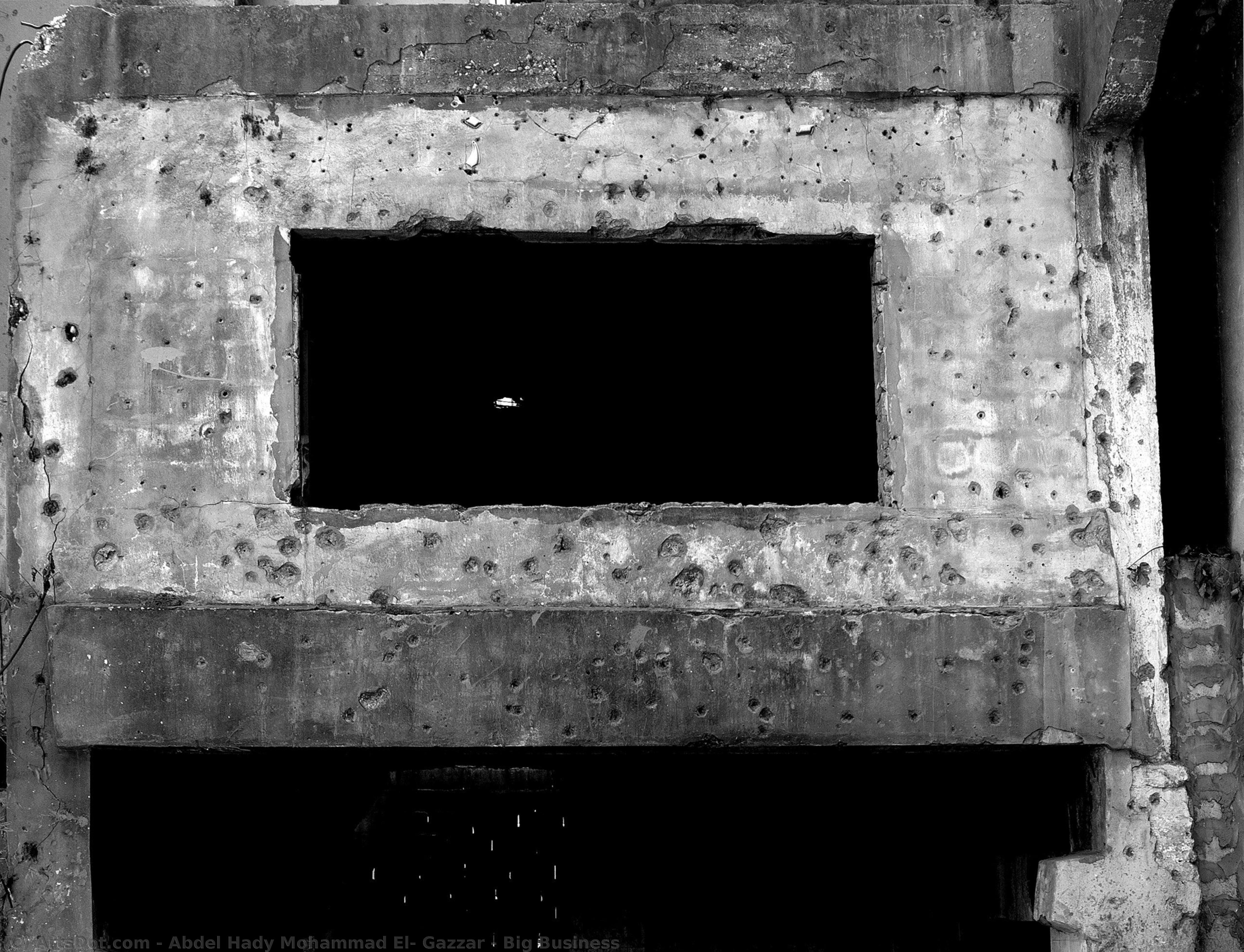
Big Business
 2016
2016 233.0 x 300.0 cm
 The Ramzi and Saeda Dalloul Art Foundation
 Читать далее
Жикле / Арт-принт
Печать (жикле) или холст музейного качества с быстрыми сроками изготовления и широким выбором вариантов отделки. ( Купить картину ручной работы Перейти к цифровым изображениям)




































Выберите один из наших стандартных размеров, соответствующих оригинальным пропорциям произведения искусства.

Вы можете указать свои собственные размеры, чтобы репродукция идеально подошла под конкретную раму или пространство. Если выбранный вами размер не будет соответствовать пропорциям оригинала, мы либо обрежем произведение, либо дополним изображение зеркальным отражением краев или однотонной заливкой. Перед началом производства вам будет отправлен цифровой макет для утверждения.
Пожалуйста, обратите внимание, что предварительный просмотр на экране не отображает фактическую обрезку или расширение изображения. Только макет точно покажет финальную композицию.
Несмотря на возможность заказа индивидуальных размеров, мы рекомендуем выбирать размер из предопределенного списка, чтобы сохранить оригинальные пропорции.
Доставка по всему миру () за 2 недели вместо стандартных 4/5 недель. (11 Сентябрь)

Бесплатная экспресс-доставка по всему миру

Высококачественный льняной холст

Полное страхование доставки

Гарантия возмещения таможенных пошлин

Гарантия точного соответствия цветов

100-дневная политика возврата (только при обнаружении дефектов)

Гарантия возврата 100% средств

Предложение оптовых скидок
 Вариант со стеклом доступен только для размеров менее 110 см

Big Business
Жикле / Арт-принт
Размер репродукции
-


Итоговая стоимость
$ 62
Похожие произведения









Биография художника
Robert Rauschenberg: A Pioneer of Chance and Collage
Robert Rauschenberg, born in Port Arthur, Texas, on October 22, 1925, to a fundamentalist Christian family, emerged as one of the most influential figures in mid-20th century American art. His career spanned nearly six decades, marked by an audacious exploration of materials and processes that fundamentally challenged traditional notions of painting and sculpture. Initially drawn to the vibrant energy of New York City’s post-war artistic scene, Rauschenberg quickly distinguished himself through his innovative “Combines,” a series of works that blurred the boundaries between disparate mediums – painting, collage, assemblage, photography, and even found objects. These pieces weren't simply combinations; they were investigations into the very nature of art itself, questioning what constituted a finished artwork and inviting viewers to actively participate in its creation. His early influences included Surrealism, Dadaism, and Abstract Expressionism, but Rauschenberg forged his own unique path, embracing chance and serendipity as integral components of his artistic process. He famously employed techniques like “automatic drawing” and the use of dice rolls to determine compositional elements, believing that relinquishing control allowed for unexpected and often brilliant results. Rauschenberg’s work wasn't about achieving a singular, polished image; it was about documenting a process, revealing the materials and methods behind its creation, and ultimately, celebrating the inherent beauty of imperfection.Early Years and Artistic Development
Rauschenberg’s artistic journey began with an interest in photography, which he pursued at Redlands University before transferring to Black Mountain College in 1947. This environment, characterized by a radical emphasis on experimentation and collaboration, proved crucial to his development. At Black Mountain, Rauschenberg encountered artists like Josef Albers, Robert Creeley, and Merce Cunningham, whose ideas about color theory, process-oriented art, and movement profoundly influenced his work. He experimented with various techniques – painting, printmaking, papermaking – often incorporating found objects into his compositions. His early paintings, such as *Hippopotamus* (1952), demonstrated a growing interest in texture and surface, foreshadowing the tactile qualities of his later Combines. The influence of Marcel Duchamp’s readymades was also significant; Rauschenberg adopted a similar approach by incorporating everyday objects into his art, elevating the mundane to the level of artistic expression. The 1954 *Monogram*, a striking image of a silhouetted figure emerging from a painted gas bill, is considered a pivotal work in establishing his signature style and marked a decisive shift towards assemblage.The Rise of the Combine
Rauschenberg’s most celebrated achievement – the “Combine” series – emerged in 1954 and continued throughout the early 1960s. These works were not simply paintings with added objects; they were entirely new entities, born from a complex interplay between painting and sculpture. He would often begin with a painted surface—a canvas or wooden board—and then incorporate found objects like tires, shoes, stuffed animals, or even fragments of newspapers. These objects were then glued, taped, or otherwise attached to the surface, creating layered compositions that challenged traditional notions of artistic representation. The *Canyon* (1959), a monumental work featuring a discarded tire and a photograph of a canyon landscape, exemplifies this approach perfectly. Rauschenberg deliberately avoided imposing a singular narrative onto his Combines; instead, he sought to create works that were open to multiple interpretations, inviting viewers to engage with the objects and their relationships in a dynamic and personal way. The process itself—the selection of materials, the arrangement of elements, the application of paint—became as important as the final product.Beyond Combines: Expanding Artistic Horizons
While the Combines remain Rauschenberg’s most recognized work, he continued to explore a wide range of media throughout his career. He experimented with photography, creating evocative images that often blurred the lines between reality and illusion. His prints, particularly his “Decalcomania” series (1958-62), involved transferring paint from one surface to another using various techniques, resulting in unpredictable and visually arresting patterns. He also engaged in performance art, collaborating with dancers and musicians to create immersive experiences that combined visual and auditory elements. In later years, Rauschenberg’s work became increasingly focused on social and political themes, reflecting his growing concern about issues such as environmentalism and human rights. He received numerous accolades throughout his career, including the International Grand Prize in Painting at the Venice Biennale (1964) and the National Medal of Arts (1993).Legacy and Influence
Robert Rauschenberg’s impact on contemporary art is undeniable. His pioneering use of found objects, his embrace of chance and process, and his willingness to challenge conventional artistic practices paved the way for subsequent generations of artists working in assemblage, collage, and mixed media. He demonstrated that art could be found not just in finished products but also in the act of creation itself. His work continues to inspire artists today with its playful experimentation, its intellectual rigor, and its profound engagement with the world around us. Rauschenberg’s legacy extends beyond his individual artworks; it resides in the way he fundamentally altered our understanding of what art can be—a dynamic, evolving process rather than a static object. He died on May 12, 2008, leaving behind a vast and complex body of work that continues to fascinate and challenge viewers around the world.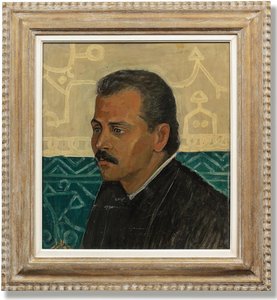
abdel hady mohammad el- gazzar
1925 - 1966 , Egypt
Основные сведения
- Artistic Movement Or Style:
- Assemblage
- Combine painting
- Neo-Dada
- Abstract expressionism
- Pop art
- Artists Or Movements Influenced By This Artist:
- Andy Warhol
- Pop Art movement
- Artists Who Influenced This Artist:
- Picasso
- Pollock
- Marcel Duchamp
- Date Of Birth: October 22, 1925
- Full Name: Robert Rauschenberg
- Nationality: American
- Notable Artworks:
- Canyon
- Monogram
- Rauschenberg Cards
- Place Of Birth: Port Arthur, Texas, USA