

 Предпросмотр
 Поделиться
 Поделиться
 Детали произведения

 Скачать
 Похожие работы
 Рентгенография
 Слайд-шоу
 Статистика
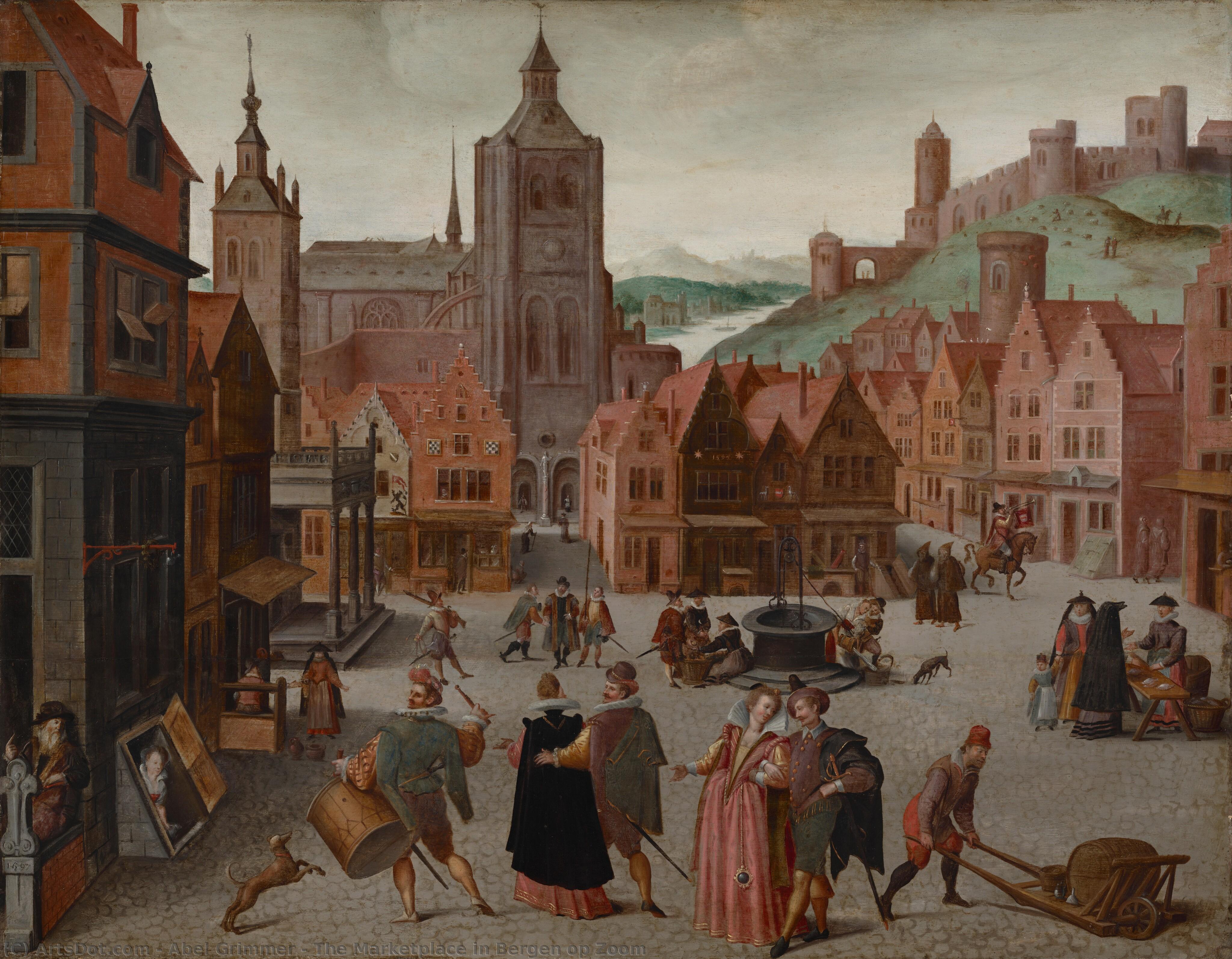
The Marketplace in Bergen op Zoom
 1597
1597 64.0 x 82.0 cm
 Читать далее
Жикле / Арт-принт
Печать (жикле) или холст музейного качества с быстрыми сроками изготовления и широким выбором вариантов отделки. ( Купить картину ручной работы Перейти к цифровым изображениям)




































Выберите один из наших стандартных размеров, соответствующих оригинальным пропорциям произведения искусства.

Вы можете указать свои собственные размеры, чтобы репродукция идеально подошла под конкретную раму или пространство. Если выбранный вами размер не будет соответствовать пропорциям оригинала, мы либо обрежем произведение, либо дополним изображение зеркальным отражением краев или однотонной заливкой. Перед началом производства вам будет отправлен цифровой макет для утверждения.
Пожалуйста, обратите внимание, что предварительный просмотр на экране не отображает фактическую обрезку или расширение изображения. Только макет точно покажет финальную композицию.
Несмотря на возможность заказа индивидуальных размеров, мы рекомендуем выбирать размер из предопределенного списка, чтобы сохранить оригинальные пропорции.
Доставка по всему миру () за 2 недели вместо стандартных 4/5 недель. (12 Сентябрь)

Бесплатная экспресс-доставка по всему миру

Высококачественный льняной холст

Полное страхование доставки

Гарантия возмещения таможенных пошлин

Гарантия точного соответствия цветов

100-дневная политика возврата (только при обнаружении дефектов)

Гарантия возврата 100% средств

Предложение оптовых скидок
 Вариант со стеклом доступен только для размеров менее 110 см

The Marketplace in Bergen op Zoom
Жикле / Арт-принт
Размер репродукции
-


Итоговая стоимость
$ 62
Похожие произведения








Биография художника
Abel Grimmer (c. 1570–c. 1620): The Streamlined Landscape Painter
Abel Grimmer (family name variations: 'Grimer' and 'Grimmaert') (c. 1570–c. 1620) was a Flemish late Renaissance painter, mainly of landscapes and, to a lesser extent, of architectural paintings. His works were important in the development towards more naturalism in Flemish landscape painting. Grimmer’s artistic legacy resides not merely in his impressive output but also in his innovative approach—a method that prioritized efficiency and stylistic consistency—which secured him a prominent place within the Antwerp art market during his lifetime. Born and died in Antwerp, he honed his craft under the tutelage of his father, Jacob Grimmer (c. 1526–1590), who himself had established renown by imitating Pieter Bruegel the Elder’s miniature landscapes and distributing them at affordable prices. This familial influence profoundly shaped Grimmer's artistic sensibilities, fostering a dedication to meticulous observation and a masterful command of technique—a commitment that would ultimately define his distinctive style. Jacob Grimmer’s workshop served as the crucible for Abel’s formative years, immersing him in the traditions of Flemish landscape painting while simultaneously encouraging experimentation with new approaches. He learned to paint from his father, Jacob Grimmer, who had established a name for himself by imitating Pieter Bruegel the Elder on small panel pictures and selling these on the market at low prices. This meticulous attention to detail—a hallmark of Grimmer’s artistic vision—would become central to his oeuvre. In 1591, Abel married Catharina Lescornet and swiftly ascended to mastership within the Antwerp Guild of Saint Luke—a pivotal moment signifying his recognition as a skilled artist and securing him access to lucrative commissions. This achievement underscored Grimmer’s ambition and solidified his position within Antwerp’s artistic elite. Following Jacob’s death in 1590, Abel inherited his father's workshop, continuing the family tradition of producing landscape paintings that adhered to established formulas while subtly elevating them through careful simplification and stylistic refinement. He tirelessly pursued excellence, adapting Bruegel’s techniques to create a distinctive visual language. Grimmer’s artistic style is characterized by a striking convergence of influences—primarily Pieter Bruegel the Elder and Hans Bol—yet simultaneously distinguished by an unwavering commitment to streamlining technique. Unlike his predecessors who often employed elaborate compositions and nuanced color palettes, Grimmer embraced a minimalist aesthetic, prioritizing clarity and visual impact. This stylistic choice stemmed from a pragmatic understanding of the Antwerp marketplace, where affordability and accessibility were paramount considerations. Each pictorial area of his landscapes was meticulously rendered in a single hue—often muted shades of ochre or brown—with minimal modulation to achieve maximum luminosity and reduce varnishing’s effect on surface texture. This deliberate simplification wasn't merely a stylistic preference; it represented a fundamental shift towards a more economical production process, ensuring that Grimmer’s paintings remained competitive within the prevailing artistic landscape. He skillfully employed color harmonies reminiscent of Bruegel and Bol, capturing atmospheric light with remarkable accuracy—a hallmark of his oeuvre. Furthermore, buildings were depicted as geometric shapes—a deliberate departure from earlier conventions—further enhancing the overall visual impact of his landscapes. Grimmer’s technique involved applying minimal varnishing, eliminating surface reflections and maximizing color vibrancy—a strategy that underscored his dedication to efficiency and artistic precision. Grimmer's oeuvre encompasses a diverse range of subjects—primarily landscapes depicting seasonal changes and architectural interiors—but several works stand out for their stylistic innovation and thematic resonance. Among these are the twelve “Months” series (1592), an exact copy of Hans Bol’s prints after designs by Pieter Bruegel the Elder, published by Hans van Luyck in 1585; ‘Spring’ and ‘Summer,’ which mirror two prints by Pieter van der Heyden based on Bruegel's compositions; and depictions of the Tower of Babel—a narrative inspired by Bruegel’s seminal paintings on this subject matter. These artworks exemplify Grimmer’s masterful adaptation of established artistic conventions while simultaneously conveying profound moral messages rooted in biblical allegory. The tower motif, reflecting anxieties about human pride and defiance against divine authority, mirrored the turbulent political climate of Antwerp during Grimmer's lifetime—a city embroiled in conflict with Protestant provinces. Despite criticisms leveled against his stylistic choices—often portraying him as overly reliant on the work of others—Grimmer’s legacy endures as a pivotal figure in the evolution of Flemish landscape painting. His streamlined technique—characterized by single-hue color palettes and geometric building representations—established a precedent for subsequent generations of artists, securing his place within Antwerp's artistic tradition. Furthermore, Grimmer’s unwavering commitment to capturing atmospheric light and faithfully reproducing architectural spaces foreshadowed developments in Dutch interior painting championed by Pieter Saenredam—demonstrating the breadth of his influence on the broader artistic landscape of the Low Countries. Abel Grimmer’s contribution to Flemish art is undeniable: he represents a crucial step toward naturalism, while simultaneously upholding an economical production process that ensured his paintings remained accessible and influential for centuries to come.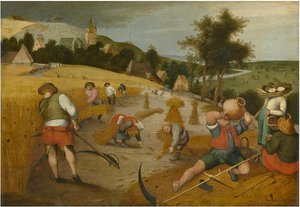
Абель Гриммер
1570 - 1620 , Бельгия
Основные сведения
- Artistic Movement Or Style: Позднее Ренессанс
- Artists Or Movements Influenced By This Artist: ['Йоахим Патинер']
- Artists Who Influenced This Artist:
- Якоб Гример
- Питер Брюгель Старший
- Date Of Birth: c. 1570
- Date Of Death: c. 1620
- Full Name: Abel Grimmer
- Nationality: Фламандский
- Notable Artworks:
- Башня Вавилонская
- Зима
- Лето
- Place Of Birth: Antwerp, Belgium