

 Предпросмотр
 Поделиться
 Поделиться
 Детали произведения

 Скачать
 Похожие работы
 Рентгенография
 Слайд-шоу
 Статистика
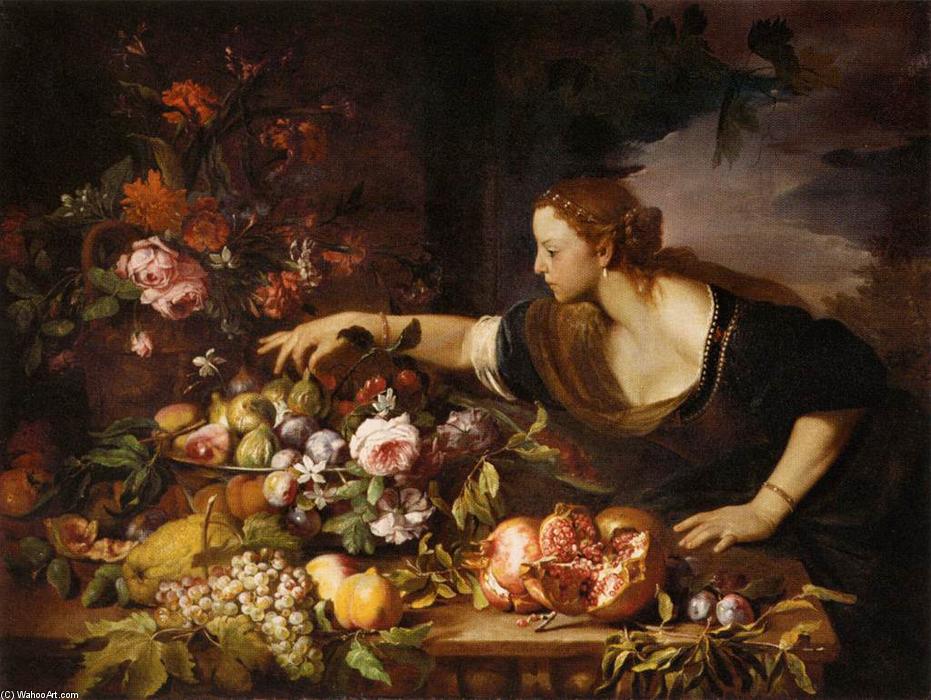
Woman Grasping Fruit
 Oil On Canvas
- WallArt
- Baroque
 1669
1669 128.0 x 149.0 cm
 Лувр
Лувр
 Читать далее
Жикле / Арт-принт
Печать (жикле) или холст музейного качества с быстрыми сроками изготовления и широким выбором вариантов отделки. ( Купить картину ручной работы Перейти к цифровым изображениям)




P118B $10

P118H $10

P118W $10

P438Z $10

P508JH $12

P508YH $12

P805H $10

P805Z $10

P919BZ $10

P919G $10

P919XJ $10

P959ZH $10

P968JZ $12

W106C $8

W218G $10

W218JH $8

W218Y $10

W307PJ $10

W316G $10

W316PJ $8

W316Y $10

W398PJ $8

W4111J $10

W500HY $15

W500JH $15

W692G $12

W849H $8

W940BG $15

W953PJ $8




Выберите один из наших стандартных размеров, соответствующих оригинальным пропорциям произведения искусства.

Вы можете указать свои собственные размеры, чтобы репродукция идеально подошла под конкретную раму или пространство. Если выбранный вами размер не будет соответствовать пропорциям оригинала, мы либо обрежем произведение, либо дополним изображение зеркальным отражением краев или однотонной заливкой. Перед началом производства вам будет отправлен цифровой макет для утверждения.
Пожалуйста, обратите внимание, что предварительный просмотр на экране не отображает фактическую обрезку или расширение изображения. Только макет точно покажет финальную композицию.
Несмотря на возможность заказа индивидуальных размеров, мы рекомендуем выбирать размер из предопределенного списка, чтобы сохранить оригинальные пропорции.
Доставка по всему миру () за 2 недели вместо стандартных 4/5 недель. (11 Сентябрь)

Бесплатная экспресс-доставка по всему миру

Высококачественный льняной холст

Полное страхование доставки

Гарантия возмещения таможенных пошлин

Гарантия точного соответствия цветов

100-дневная политика возврата (только при обнаружении дефектов)

Гарантия возврата 100% средств

Предложение оптовых скидок
 Вариант со стеклом доступен только для размеров менее 110 см

Woman Grasping Fruit
Жикле / Арт-принт
Размер репродукции
-


Итоговая стоимость
$ 62
Abraham Brueghel’s Baroque Masterpiece: An Ode to Abundance and Mystery
The artwork, “Woman Grasping Fruit,” stands as a testament to the grandeur of Baroque art—specifically, Abraham Brueghel’s masterful exploration of still life composition. Painted around 1669, this oil on canvas transcends mere representation; it embodies an atmosphere of opulent richness interwoven with subtle psychological depth that continues to captivate viewers centuries later. More than just a depiction of fruit and flowers, it's a carefully crafted visual narrative brimming with symbolic significance and executed with unparalleled technical precision.A Symphony of Color and Light: Artistic Technique
Brueghel’s technique is characterized by an audacious application of impasto—thickly layered paint—creating palpable textural surfaces that invite tactile engagement. Observe the glistening skins of peaches, the velvety petals of roses, and the rugged bark of branches; each element contributes to a sensory experience mirroring the vibrancy of the natural world. The artist skillfully employs glazing techniques, applying translucent layers of pigment over bolder hues to achieve luminous effects and subtle tonal gradations. This meticulous layering ensures that every brushstroke resonates with intention, enhancing both visual impact and artistic depth. Furthermore, directional lighting—originating from an unseen source above—casts dramatic shadows, highlighting specific areas like the woman’s face and emphasizing the contours of the fruit, guiding the viewer's eye across the canvas.The Landscape Backdrop: Setting the Stage for Emotion
Beyond the central figure and floral arrangement lies a brooding forest scene—a deliberate choice that elevates “Woman Grasping Fruit” beyond a simple botanical study. The dark hues of the background create an unsettling contrast with the luminous colors of the fruit, fostering a mood of mystery and hinting at hidden narratives. This landscape isn’t merely decorative; it serves as a psychological counterpoint to the woman's gesture—suggesting contemplation and perhaps even unease amidst such extravagant beauty. The artist utilizes perspective in a flattened manner typical of Baroque painting, prioritizing emotional resonance over strict realism.Symbolism: Fruitful Offerings and Divine Grace
The composition is laden with symbolic references rooted in Renaissance and Baroque iconography. The woman’s outstretched hand grasping a pomegranate—a fruit associated with fertility and prosperity—represents an invitation to partake in abundance and divine favor. Similarly, the assortment of fruits – grapes, oranges, figs, plums – symbolizes nourishment, vitality, and earthly delights. The bouquet of roses embodies purity, love, and remembrance. Collectively, these elements communicate a profound meditation on themes of life’s pleasures and spiritual aspiration—a core preoccupation of Baroque artists seeking to inspire awe and contemplation.A Legacy Enduring: Brueghel's Influence and Artistic Significance
Abraham Brueghel cemented his place as one of the foremost decorative painters of his era, particularly in Naples where he championed a style that blended Flemish tradition with Italian influences. His “Woman Grasping Fruit” exemplifies this artistic fusion—demonstrating both meticulous observation of nature and masterful manipulation of color and light to convey emotion and elevate the visual experience. It remains an enduring symbol of Baroque artistry—a captivating reminder of the period’s commitment to grandeur, drama, and profound psychological insight.Похожие произведения





Биография художника
A Scion of a Painting Dynasty: The Life and Art of Abraham Brueghel
Abraham Brueghel, born in Antwerp in 1631, emerged from one of the most celebrated artistic lineages in Flemish history. A member of the prolific Brueghel family—descending from the renowned Pieter Bruegel the Elder—he inherited a legacy steeped in landscape painting, peasant life depictions, and an acute observation of the natural world. However, Abraham’s path diverged somewhat from his ancestors, leading him towards Italy where he became a pivotal figure in the development of decorative Baroque still lifes. His story is one of artistic migration, adaptation, and ultimately, establishing a distinct voice within the vibrant Roman and Neapolitan art scenes. From an early age, Abraham demonstrated considerable promise, nurtured by his father, Jan Brueghel the Younger, a skilled painter himself and frequent collaborator with Peter Paul Rubens. Even as a teenager, his talent was recognized; one of his floral still lifes was sold when he was just fifteen years old—a testament to his burgeoning skill.From Antwerp to Italy: A Blossoming Career
The year 1649 marked a turning point in Abraham’s life and career. At the age of eighteen, he journeyed to Sicily to fulfill a commission for Prince Antonio Ruffo—the first of many that would define his artistic trajectory. This initial foray into Italian patronage proved fruitful; within a short time, Prince Ruffo's collection boasted nine flower paintings by the young artist. A decade later, in 1659, Brueghel settled in Rome, marrying Angela Buratti and quickly becoming integrated into the city’s thriving artistic community. His acceptance into the prestigious Accademia di San Luca in 1670 solidified his standing among Roman artists, recognizing his dedication to elevating the craft of painting. He also joined the *Bentvueghels*, a society of Dutch and Flemish painters known for their convivial gatherings and adoption of playful nicknames—Abraham was christened “Rijngraaf,” or Duke of the Rhine, an aristocratic title reflecting his heritage. This period in Rome saw Brueghel’s style begin to mature, influenced by the sweeping grandeur of Italian High Baroque while retaining a distinctly Flemish sensibility for detail and decorative profusion.Naples and the Flourishing of Still Life
Around 1672-1675, Abraham relocated once more, this time to Naples. This move proved particularly significant as he introduced the Flemish-Roman style of elaborate still life painting to a city that had previously resisted it. Before Brueghel’s arrival, Neapolitan art favored different traditions; his vibrant compositions—overflowing with southern fruits, lush flowers, and often set against dramatic landscapes—were a novelty that gradually gained acceptance and influence. He remained in Naples until his death around 1690 (though some sources suggest as late as 1697), establishing himself as a leading figure in the city’s artistic landscape. His work during this period is characterized by brighter colors, bolder brushstrokes, and an increasing emphasis on opulent arrangements—reflecting the influence of Flemish masters like Frans Snyders, Jan Fyt, and Pieter Boel who had also worked within the Italian context.A Synthesis of Styles: Brueghel’s Artistic Legacy
Abraham Brueghel's artistic achievement lies in his masterful synthesis of Flemish meticulousness and Italian Baroque dynamism. He didn’t merely replicate existing styles; he forged a unique aesthetic that combined the decorative abundance favored by his predecessors with the dramatic movement and theatricality characteristic of his Italian contemporaries, such as Michele Pace del Campidoglio and Michelangelo Cerquozzi. His still lifes are not simply representations of objects but carefully constructed compositions—often featuring precious vases, fragments of Roman sculpture, or antique monuments—that create a sense of luxurious abundance and refined taste. He frequently collaborated with other artists, often painting the landscapes within his still life arrangements while commissioning specialists to add *staffage* – figures or animals – enhancing the narrative depth of his works. These collaborations included prominent Italian painters like Carlo Maratta, Giovanni Battista Gaulli, and Giacinto Brandi, as well as French artist Guillaume Courtois. Brueghel’s legacy extends beyond his individual paintings; he played a crucial role in popularizing the decorative still life genre in Naples, influencing subsequent generations of artists and leaving an indelible mark on the city's artistic heritage. His work continues to captivate viewers with its vibrant colors, intricate details, and harmonious blend of Flemish precision and Italian grandeur.
Abraham Brueghel
1631 - 1690 , Belgium
Основные сведения
- Artistic Movement Or Style: Baroque
- Artists Or Movements Influenced By This Artist: ['Naples still life painting']
- Artists Who Influenced This Artist:
- Jan Brueghel the Younger
- Frans Snyders
- Jan Fyt
- Date Of Birth: 1631
- Date Of Death: c. 1690
- Full Name: Abraham Brueghel
- Nationality: Flemish
- Notable Artworks:
- Bunches of Grapes...
- Landscape with Silenus...
- Woman Grasping Fruit
- Place Of Birth: Antwerp, Belgium
Похожие статьи
Abraham Hendricksz van Beyeren: Pioneering Dutch Still Life & the Banquet Tradition
Explore the captivating world of Dutch Golden Age still life with Abraham van Beyeren. Discover his innovative techniques, symbolic banquet scenes & lasting influence on art history. Learn about collecting these masterpieces.

10 Шедевров Барокко: Искусство, изменившее мир | ArtsDot.com
Погрузитесь в мир барокко! 10 шедевров Караваджо, Рембрандта и других великих художников. Узнайте историю создания культовых картин и найдите идеальную репродукцию для вашего интерьера на ArtsDot.com
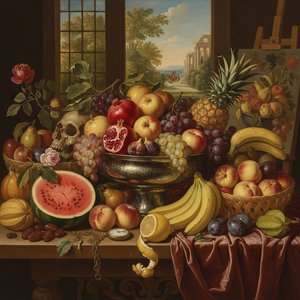
The Bountiful Still Life: Symbolism & Artistic Representation of Fruit Across Art History
Explore the rich history of still life painting & the symbolism of fruit across art movements. Discover masterpieces from Caravaggio to Cézanne with ArtsDot – expert guidance & museum-quality reproductions.
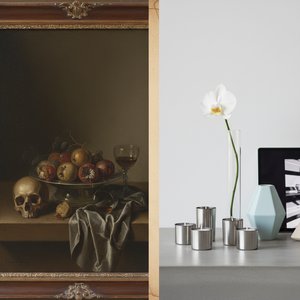
The Enduring Appeal of Still Life: A Historical & Contemporary Exploration
Explore the rich history & symbolism of still life painting with ArtsDot. Discover masterpieces from the Dutch Golden Age, learn about vanitas art, and find expert guidance for collecting timeless artworks.
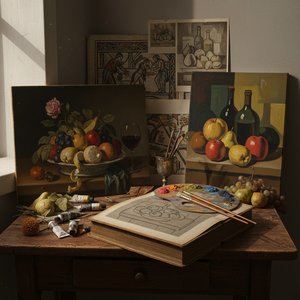
Silent Narratives: Exploring the Enduring Appeal of Still Life Painting Across Centuries
Explore the rich history of still life painting with ArtsDot. Discover Dutch Masters, decode vanitas symbolism & learn about collecting timeless art. Expert insights and museum-quality reproductions.