

 Предпросмотр
 Поделиться
 Поделиться
 Детали произведения

 Скачать
 Похожие работы
 Рентгенография
 Слайд-шоу
 Статистика
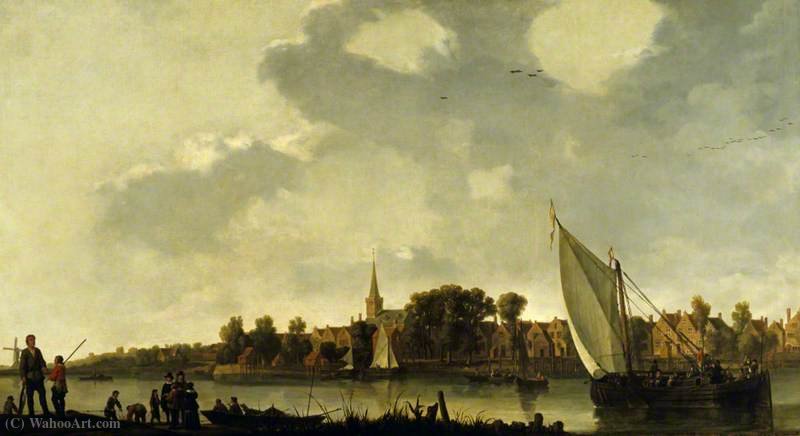
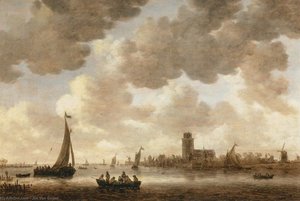
View of a River Town
 Читать далее
Приобретите цифровое изображение высокого разрешения в улучшенном качестве, которое значительно превосходит онлайн-превью.
Каждый файл тщательно подготавливается нашими специалистами с использованием передовых инструментов и экспертной ручной ретуши. Мы гарантируем исключительную четкость, точную цветопередачу и детальную проработку каждого изображения.
Финальный файл доставляется по электронной почте в течение 72 часов и оптимизирован для немедленного использования в профессиональной среде, при верстке и печати. Это тот же уровень качества, которому доверяют ведущие дизайнерские студии, издательства и галереи.
Цифровое изображение
Скачайте файл высокого разрешения для личного использования, печати и творческих проектов. ( Перейти к печати Купить картину ручной работы)
Включено в каждый заказ цифровых изображений
Гарантия экспертной цифровой доставки
Выбирая ArtsDot.com, вы получаете не просто изображение — вы приобретаете профессионально обработанное цифровое произведение искусства, созданное с безупречной точностью и под защитой гарантии качества. Вот всё, что автоматически входит в ваш заказ:

Мгновенная доставка по e-mail
Ваш цифровой файл в высоком разрешении будет отправлен вам по электронной почте в течение 72 часов после оформления заказа — и сразу станет доступен для использования.

Цифровой файл с ИИ-улучшением
Ваше произведение искусства проходит профессиональную оптимизацию с использованием передовых инструментов ИИ и ручной обработки, что гарантирует максимальную детализацию, четкость и точность цветопередачи.

Бессрочная бесплатная повторная доставка
Случайно удалили или потеряли файл? Не беспокойтесь — мы отправим его вам повторно в любое время и совершенно бесплатно.

Без импортных пошлин — навсегда
Наслаждайтесь вашим произведением искусства мгновенно без таможенных пошлин, сборов или затрат на доставку — цифровые загрузки всегда не облагаются налогом.

Гарантия точности цветопередачи
Мы гарантируем, что ваше цифровое изображение максимально точно передает оригинальные цвета благодаря использованию профессиональных инструментов и систем управления цветом.

Гарантия удовлетворенности 100 дней
Если вы не будете удовлетворены своим цифровым изображением, мы внесем правки или вернем 100% стоимости в течение 100 дней — без лишних вопросов.

100% Гарантия возврата средств
Не удовлетворены покупкой? Получите полный возврат средств в течение 100 дней после получения цифрового файла — без лишних вопросов.

Скидки на оптовые заказы
Купите 3 изображения, сэкономьте 10% — Купите 5, сэкономьте 15% — Купите 10+, сэкономьте 20%. Отличное решение для творческих проектов, галерей и агентств.
Похожие произведения

Биография художника
A Life Immersed in Dutch Light: Abraham Pietersz van Calraet
Abraham Pietersz van Calraet, a name resonating softly through the annals of the Dutch Golden Age, embodies the quiet mastery and evolving artistic sensibilities of 17th-century Holland. Born in Dordrecht in 1642 and passing away there in 1722, his life was deeply interwoven with the fabric of this thriving mercantile city—a center for both commerce and burgeoning artistic expression. Calraet’s journey began not with a brush, but with the sculptor's chisel. He initially apprenticed under Aemilius and Samuel Hup, respected sculptors in Dordrecht, absorbing their technical precision and understanding of form. However, it was a shift towards painting that would ultimately define his legacy, spurred by assisting his father, a wood sculptor, and an early fascination with capturing the delicate beauty of fruit. This foundational training in three-dimensional art undoubtedly informed the remarkable realism and tactile quality present in his still lifes.From Still Life to Landscape: A Developing Style
Calraet’s artistic development was not linear but rather a fascinating exploration of genre and technique. He initially gained recognition for his exquisitely rendered still life paintings, particularly those depicting luscious arrangements of fruit. These works weren't merely depictions; they were celebrations of abundance, often imbued with subtle symbolism reflecting the transience of earthly pleasures. The surfaces gleam with an almost photographic realism, a testament to his meticulous observation and skillful handling of oil paint. However, Calraet’s ambition extended beyond the confines of the still life. He resided in Dordrecht throughout his life, and it is believed he may have been influenced by Aelbert Cuyp, a generation older master known for his idyllic landscapes. This connection proved pivotal, though complicated. Cuyp's signature was frequently—and often fraudulently—added to Calraet’s paintings, highlighting the esteem with which Cuyp was held and perhaps suggesting an attempt to capitalize on his established reputation.The Cuyp Controversy and Rediscovery
The attribution of works became a source of considerable debate in the early 20th century. For years, many of Calraet's still lifes were mistakenly attributed to Cuyp himself. It was Abraham Bredius, a renowned art historian, who spearheaded the “rediscovery” of Calraet, meticulously re-attributing two paintings previously considered Cuyp’s work. This sparked intense discussion, with Cornelis Hofstede de Groot vehemently disagreeing with Bredius' findings. The debate even escalated into public discourse when Frits Lugt announced a new Calraet painting at the Frans Hals Museum in 1915. Ultimately, Bredius prevailed, and his attributions largely stand today, solidifying Calraet’s position as an independent artist of significant merit. This episode underscores the challenges inherent in art historical research and the importance of careful analysis and scholarly debate.Themes and Techniques: A Master of Observation
Calraet's oeuvre encompasses both still life compositions and landscapes featuring horses—a subject he embraced with increasing enthusiasm later in his career. His still lifes are characterized by a warm, intimate atmosphere, often employing rich, earthy tones and dramatic chiaroscuro to accentuate the textures and forms of the fruit. He possessed an exceptional ability to capture the play of light on surfaces, creating a sense of depth and realism that draws the viewer into the scene. In his landscapes, Calraet demonstrates a keen eye for atmospheric effects and a talent for depicting horses in dynamic poses. These works often feature riders traversing rural scenes, evoking a sense of movement and vitality. He was known to be a teacher as well, passing on his knowledge and skills to his younger brother, Barent van Kalraet, who also became a landscape painter.Legacy and Historical Significance
Abraham Pietersz van Calraet’s contribution to the Dutch Golden Age lies in his ability to seamlessly blend meticulous realism with subtle artistic expression. While perhaps not as widely celebrated as some of his contemporaries, his works offer a compelling glimpse into the everyday life and aesthetic sensibilities of 17th-century Holland. His still lifes are testaments to the beauty of nature and the transience of earthly pleasures, while his landscapes capture the dynamism and vitality of rural life. Today, Calraet is recognized as a skilled painter who successfully navigated evolving artistic trends, leaving behind a body of work that continues to captivate and inspire. His story serves as a reminder that even within a period renowned for its iconic masters, there existed a wealth of talented artists whose contributions deserve recognition and appreciation. His paintings offer a window into the Dutch Golden Age, revealing not only artistic skill but also a profound connection to the natural world.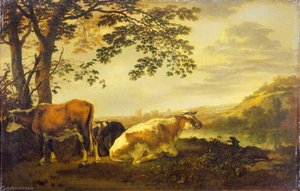
abraham pietersz van calraet
1642 - 1722
Основные сведения
- Artistic Movement Or Style: Golden Age
- Artists Or Movements Influenced By This Artist: ['Cornelis Hofstede de Groot']
- Artists Who Influenced This Artist:
- Aemilius Hup
- Samuel Hup
- Date Of Birth: 1642
- Date Of Death: 1722
- Full Name: Abraham Pietersz van Calraet
- Nationality: Dutch
- Notable Artworks:
- A Glass Vase of Flowers
- Still-life with Peaches and Grapes
- Two Horsemen at a Tavern
- Place Of Birth: Dordrecht, Netherlands