 Предпросмотр
 Поделиться
 Поделиться
 Детали произведения

 Скачать
 Похожие работы
 Рентгенография
 Слайд-шоу
 Статистика
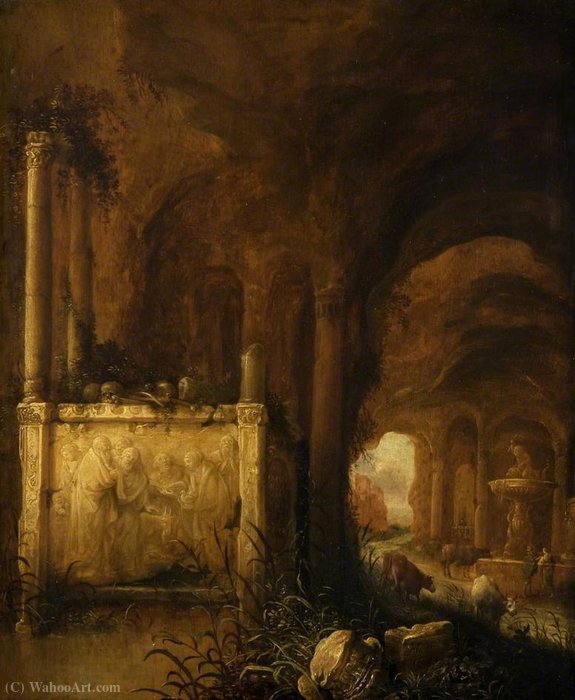
A Tomb in a Grotto
 Читать далее
Жикле / Арт-принт
Печать (жикле) или холст музейного качества с быстрыми сроками изготовления и широким выбором вариантов отделки. ( Купить картину ручной работы Перейти к цифровым изображениям)




































Выберите один из наших стандартных размеров, соответствующих оригинальным пропорциям произведения искусства.

Вы можете указать свои собственные размеры, чтобы репродукция идеально подошла под конкретную раму или пространство. Если выбранный вами размер не будет соответствовать пропорциям оригинала, мы либо обрежем произведение, либо дополним изображение зеркальным отражением краев или однотонной заливкой. Перед началом производства вам будет отправлен цифровой макет для утверждения.
Пожалуйста, обратите внимание, что предварительный просмотр на экране не отображает фактическую обрезку или расширение изображения. Только макет точно покажет финальную композицию.
Несмотря на возможность заказа индивидуальных размеров, мы рекомендуем выбирать размер из предопределенного списка, чтобы сохранить оригинальные пропорции.
Доставка по всему миру () за 2 недели вместо стандартных 4/5 недель. (11 Сентябрь)

Бесплатная экспресс-доставка по всему миру

Высококачественный льняной холст

Полное страхование доставки

Гарантия возмещения таможенных пошлин

Гарантия точного соответствия цветов

100-дневная политика возврата (только при обнаружении дефектов)

Гарантия возврата 100% средств

Предложение оптовых скидок
 Вариант со стеклом доступен только для размеров менее 110 см

A Tomb in a Grotto
Жикле / Арт-принт
Размер репродукции
-


Итоговая стоимость
$ 62
Похожие произведения










Биография художника
Abraham van Cuylenborch: A Master of Dutch Grotto Landscapes
Born in Utrecht around 1620 and tragically passing away in the same city in 1658, Abraham van Cuylenborch remains a captivating figure within the rich tapestry of 17th-century Dutch painting. While his life was relatively short, his artistic output—primarily characterized by idyllic landscapes populated with mythological figures and evocative grotto scenes—left an indelible mark on the genre, establishing him as a key interpreter of Italianate influences within the burgeoning Dutch art scene.
Cuylenborch’s early training unfolded under the tutelage of Cornelis van Poelenburgh, a prominent Utrecht painter known for his elegant landscapes and skillful rendering of classical motifs. Van Poelenburgh's style profoundly shaped Cuylenborch’s artistic development, imbuing him with a deep appreciation for atmospheric perspective, balanced compositions, and a refined sense of detail. This foundational influence is readily apparent in Cuylenborch’s early works, which often feature meticulously rendered foliage, distant horizons, and figures engaged in pastoral activities.
The Grotto Motif: A Defining Characteristic
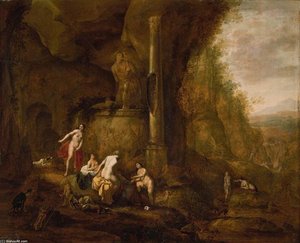
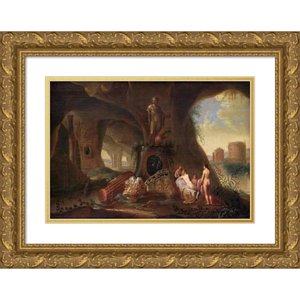
Cuylenborch's most distinctive contribution to the Dutch landscape tradition lies in his fascination with grottoes—small, enclosed caves or grottos—and their inhabitants. These scenes, frequently depicted as idyllic retreats where nymphs and mythological figures frolic amidst lush vegetation, became a hallmark of his oeuvre. The grotto itself served not merely as a setting but as a symbolic space, often imbued with an atmosphere of mystery, tranquility, and sensual delight. He wasn't simply painting landscapes; he was constructing miniature worlds brimming with allegorical meaning.
The depiction of these grottos is remarkably detailed, showcasing Cuylenborch’s skill in capturing the textures of stone, moss, and water. He frequently employed a technique known as ‘chiaroscuro,’ utilizing dramatic contrasts between light and shadow to heighten the sense of depth and create a captivating visual drama. The figures within these scenes—often inspired by classical mythology or biblical narratives—were rendered with a delicate grace and an awareness of their surroundings, contributing to the overall atmosphere of enchantment.
Influences and Artistic Style
Cuylenborch’s artistic style is often described as ‘Italianate,’ reflecting the profound influence of Italian Renaissance landscape painting. He drew inspiration from artists such as Claude Lorrain and Andrea Pozzo, adopting their techniques for creating atmospheric perspective, balanced compositions, and dramatic lighting effects. However, Cuylenborch skillfully adapted these influences to suit the specific conventions of Dutch art, resulting in a unique synthesis of styles.
Beyond Italianate traditions, Cuylenborch’s work also demonstrates an awareness of contemporary trends within the Dutch landscape genre. He shared with his contemporaries a fascination with depicting natural beauty and exploring the relationship between humanity and nature. His compositions often feature elements of ‘arcadianism,’ a popular trend in 17th-century art that idealized rural life and celebrated the virtues of simplicity and harmony.
Notable Works and Legacy
Among Cuylenborch’s most celebrated works are “A Tomb in a Grotto,” currently housed at the Glasgow Museums, and “Landscape with Bacchus and the Nymphs,” held by The Metropolitan Museum of Art. These paintings exemplify his mastery of composition, color, and detail, capturing the essence of his distinctive artistic vision.
Despite his relatively short career, Abraham van Cuylenborch left a significant legacy on Dutch art. His innovative depictions of grotto landscapes influenced generations of artists and helped to establish the genre as a prominent feature of the Dutch Golden Age. His work continues to be admired for its beauty, elegance, and evocative power, offering viewers a glimpse into a world of mythic enchantment and serene natural splendor.
abraham van cuylenborch
1620 - 1658 , Netherlands
Основные сведения
- Artistic Movement Or Style: Dutch Baroque Landscape
- Artists Or Movements Influenced By This Artist: ['Flemish Landscape Painting']
- Artists Who Influenced This Artist: ['Cornelis van Poelenburgh']
- Date Of Birth: ca. 1620, Utrecht
- Date Of Death: 1658, Utrecht
- Full Name: Abraham van Cuylenborch
- Nationality: Dutch
- Notable Artworks:
- Bacchus and Nymphs
- Grotto with figures
- Place Of Birth: Utrecht, Netherlands